How do I get rid of aphids forever? Effective Tips and Strategies for a Pest-Free Garden

Aphids, those tiny sap-sucking pests, can quickly turn your thriving garden into a struggle for survival. If you've ever found your plants covered in these pesky insects, you know how frustrating it can be to control their population. Fortunately, with the right techniques and strategies, you can effectively eliminate aphids and reclaim your garden. In this article, we will explore various methods, from natural remedies to chemical treatments, ensuring your plants remain healthy and pest-free. Discover how to implement these effective tips for long-term success, and enjoy the beauty of a flourishing garden without the interference of aphids.
Effective Methods to Permanently Eliminate Aphids
To get rid of aphids forever, it is essential to implement a combination of preventive and control measures. Start by introducing natural predators such as ladybugs and lacewings, which feed on aphids and help maintain a balanced ecosystem. Regularly inspect your plants for early signs of infestation and use companion planting techniques, such as growing marigolds or nasturtiums, which can repel aphids. Additionally, consider using insecticidal soaps or neem oil as a non-toxic treatment to suppress any existing populations. Lastly, maintaining optimal plant health through appropriate watering and fertilization can bolster plants' resilience against aphid attacks, making it more difficult for them to establish and thrive.
Identifying Aphid Infestations
Recognizing the presence of aphids on your plants is the first step to effective control. These small, soft-bodied insects vary in color but are often green, black, or brown. You can identify an infestation by looking for clusters of aphids on new growth, the underside of leaves, or at the tips of stems. Additionally, pay attention to the sticky residue (honeydew) they produce, which can lead to the development of sooty mold on your plants. Early detection allows for quicker intervention, reducing the chances of a widespread infestation.
Natural Predators of Aphids
Introducing natural predators is one of the most effective long-term solutions for managing aphids. Beneficial insects such as ladybugs, lacewings, and parasitic wasps feed on aphids and help keep their numbers in check. You can attract these predators by planting a diverse range of flowers and plants that provide food and shelter. Ensuring that your garden is a welcoming environment for these helpful insects can lead to a natural and sustainable control method for aphid populations.
Preventive Measures for Aphid Control
Preventing aphid infestations requires proactive measures that focus on maintaining plant health. Regularly inspect your plants for signs of stress, such as yellowing leaves or slowed growth, which can make them more susceptible to aphid attacks. Implementing practices like crop rotation, maintaining proper spacing for airflow, and avoiding excessive fertilization can significantly enhance your plants' overall health. Additionally, consider using barriers like insect netting to physically protect your plants from aphids during vulnerable periods.
Using Insecticidal Soaps and Oils
Insecticidal soaps and neem oil are effective treatments for aphid infestations. These options work by suffocating the insects and disrupting their life cycle without harming beneficial insects when used properly. For best results, apply these treatments during cooler parts of the day to avoid plant stress and ensure better adhesion to the aphids. Regular reapplication may be necessary, especially after rain, to maintain effective control over the aphid population.
Companion Planting Strategies
Utilizing companion planting can be a strategic method for deterring aphids naturally. Certain plants, like marigolds, are known for their ability to repel aphids and attract beneficial insects. Planting these alongside your susceptible crops can create a supportive ecosystem that reduces aphid populations. Additionally, consider incorporating herbs such as basil and dill, which can also confuse or deter aphids from settling on your desired plants. This method enhances both biodiversity and plant health in your garden.
| Method | Description |
|---|---|
| Natural Predators | Introduce beneficial insects like ladybugs and lacewings. |
| Insecticidal Soap | Use soap solutions to suffocate and eliminate aphids. |
| Companion Planting | Plant repelling species to naturally deter aphids. |
| Regular Monitoring | Inspect plants frequently for early signs of aphid presence. |
| Healthy Practices | Keep plants well-watered and properly fertilized to increase resilience. |
Can you permanently get rid of aphids?
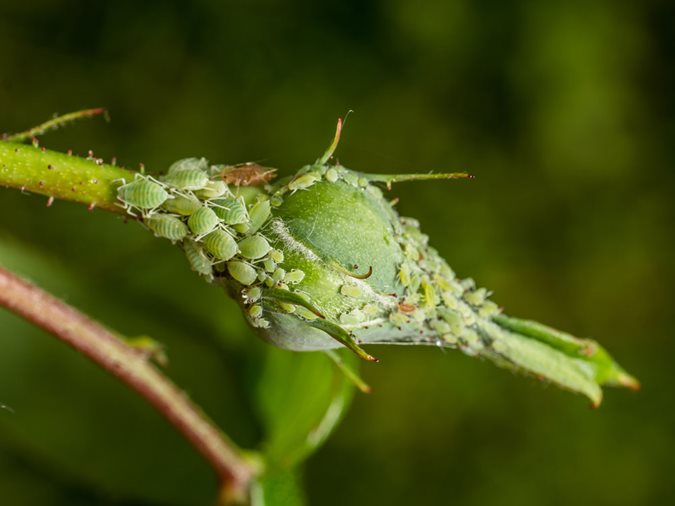
Aphids are common garden pests that can severely damage plants by feeding on their sap. While it is quite challenging to completely eliminate aphids permanently, you can manage their populations effectively through various strategies.
Understanding Aphids
Aphids are small, soft-bodied insects that often cluster on the leaves and stems of plants. They reproduce rapidly, which can lead to large infestations. Understanding their biology and behavior is crucial in managing them.
- Life Cycle: Aphids reproduce quickly, often allowing them to generate multiple generations in a single growing season.
- Feeding Habits: They feed on plant sap, which can stress the plant and lead to wilting or stunted growth.
- Symptoms of Infestation: Look for curled leaves, sticky residue (honeydew), and the presence of sooty mold.
Preventive Measures
Preventing aphids from infesting your plants is often more effective than trying to eliminate them once they appear. Implementing strong preventive measures can significantly reduce the likelihood of an infestation.
- Healthy Plants: Maintain the overall health of your plants through proper watering, fertilization, and pruning.
- Companion Planting: Use plants that naturally repel aphids or attract their predators, such as ladybugs.
- Regular Monitoring: Check plants regularly for early signs of aphid activity and other pests.
Natural Controls
If aphids do make an appearance, various natural controls can help manage their populations without the use of harsh chemicals.
- Beneficial Insects: Introduce or attract natural predators like ladybugs and lacewings that feed on aphids.
- Neem Oil: This natural pesticide disrupts aphid feeding and reproduction when applied correctly.
- Insecticidal Soap: This solution can effectively kill aphids on contact, making it a useful tool in management.
Cultural Practices
Incorporating specific cultural practices can help make your garden less hospitable to aphids, contributing to long-term control.
See also:
- Plant Spacing: Ensure adequate space between plants to promote air circulation, which can deter aphids.
- Mulching: Use organic mulches to suppress weeds and maintain consistent soil moisture.
- Seasonal Rotation: Rotate crops each season to disrupt the life cycle of aphids and minimize their return.
Chemical Treatments
In cases of severe infestation, chemical treatments might be necessary. It's essential to choose the right products and apply them responsibly.
- Choose Targeted Insecticides: Select products specifically designed to control aphids while being safe for beneficial insects.
- Follow Label Instructions: Always adhere to application instructions to ensure effectiveness and minimize harm to other organisms.
- Monitor Reinfestation: After treatment, monitor plants for signs of reinfestation and reapply as needed.
How to keep aphids from returning?
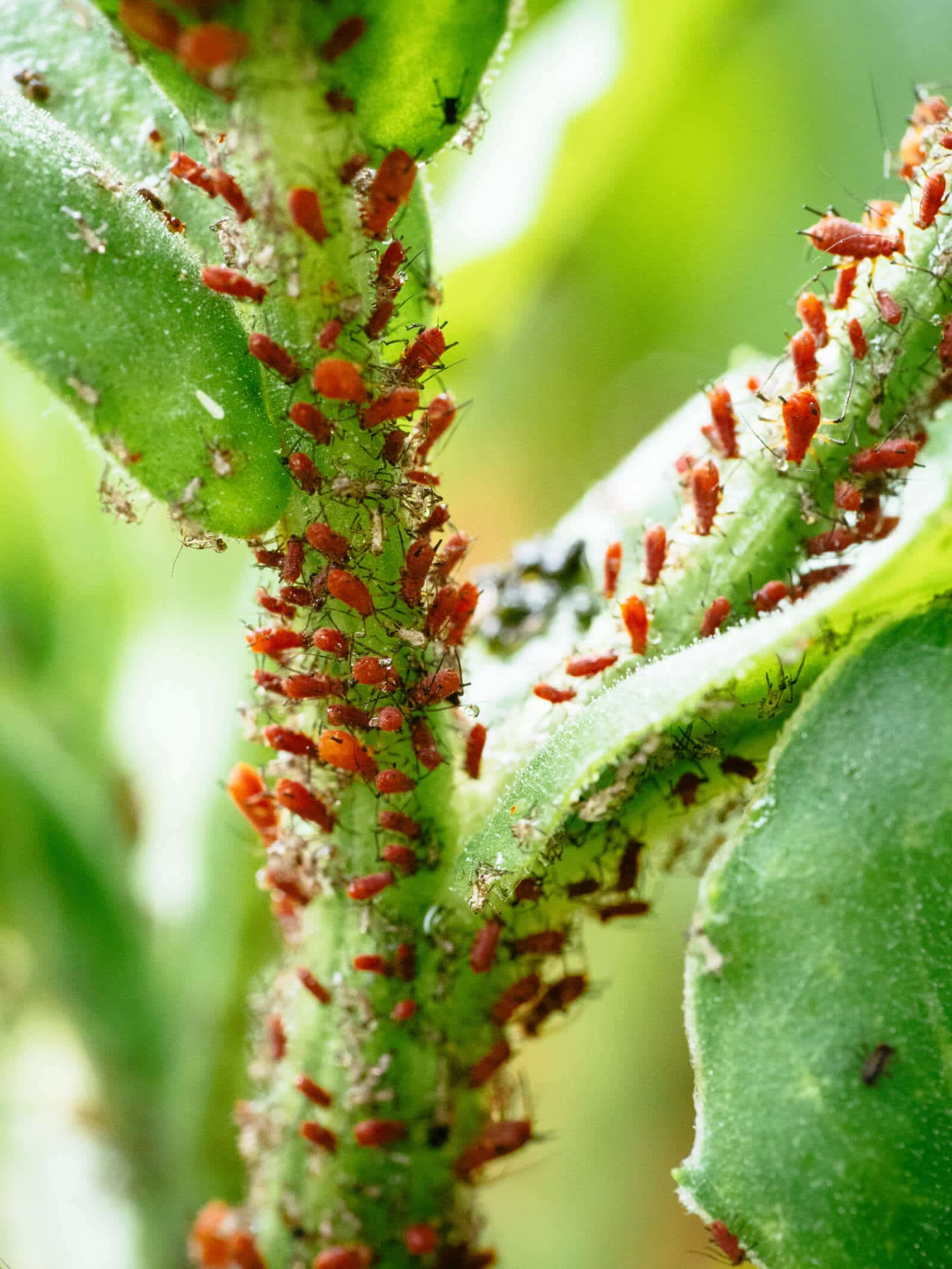
To keep aphids from returning, it is essential to implement a combination of cultural, biological, and chemical control methods. Preventive measures not only help in eradicating current infestations but also make the environment less hospitable for their return. Here are some effective strategies:
Understanding the Life Cycle of Aphids
Understanding the life cycle of aphids is crucial in preventing their return. Aphids reproduce quickly, with the ability to give birth to live young rather than laying eggs. This rapid reproduction makes it imperative to address them as soon as they are spotted.
- Identify aphid infestations early in their life cycle.
- Monitor your plants regularly for signs of aphids.
- Control the conditions that favor their growth, such as excess nitrogen which promotes tender new growth.
Cultural Practices for Aphid Management
Implementing cultural practices can significantly reduce the chance of aphids returning. These methods focus on creating an environment that is less suitable for aphids.
- Maintain plant health through proper watering, feeding, and pruning.
- Use companion planting by introducing species that repel aphids, such as garlic or marigolds.
- Avoid overcrowding of plants to enhance air circulation.
Biological Control Strategies
Utilizing biological control methods involves introducing natural predators that feed on aphids. This method can help keep the aphid population in check.
- Introduce ladybugs and lacewings, both of which naturally prey on aphids.
- Encourage the presence of birds in your garden, which can help control aphid populations.
- Utilize parasitic wasps, which can lay eggs inside aphids, effectively controlling their numbers.
Chemical Control Options
If cultural and biological methods are insufficient, chemical controls can be used as a last resort. Selective insecticides can target aphids while having minimal impact on beneficial insects.
- Choose systemic insecticides that are absorbed by the plant and provide long-lasting protection.
- Apply insecticidal soaps and neem oil, which are less harmful to beneficial insects.
- Always read and follow application guidelines to minimize environmental impact.
Regular Monitoring and Maintenance
Consistent monitoring and maintenance of your plants is vital in preventing aphids from making a comeback. Regular checks can help detect early signs of infestation.
- Inspect plants regularly for signs of aphid activity, such as sticky substances or curling leaves.
- Keep track of population levels and take immediate action if numbers start to rise.
- Practice good sanitation by removing debris and spent plants that could harbor pests.
How do you fix an aphid infestation?
:max_bytes(150000):strip_icc()/control-aphids-on-houseplants-1902889-FINAL-9e4d8d6f77874b13ad9b9bc5800471c1.png)
To fix an aphid infestation, you can adopt several methods ranging from natural solutions to chemical treatments. Aphids are small, soft-bodied insects that can cause significant damage to your plants by sucking their sap, which can lead to stunted growth and disease transmission. Here are some effective ways to manage and eliminate aphids from your garden or plants.
Identify the Infestation
It is essential to identify the infestation correctly before taking action. Look for the following signs:
- Aphids are usually found on the undersides of leaves.
- Check for curled or yellowing leaves, which are symptoms of aphid damage.
- Look for honeydew, a sticky substance that they excrete, which attracts ants and leads to sooty mold growth.
Natural Predators
One of the best ways to tackle an aphid problem is by introducing their natural predators into your garden. These include:
- Ladybugs: They can consume large quantities of aphids, effectively reducing their population.
- Lacewings: The larvae of lacewings feed voraciously on aphids.
- Parasitic Wasps: These insects lay eggs inside aphids, leading to their eventual demise.
DIY Solutions
There are several do-it-yourself (DIY) solutions you can apply to combat aphids effectively:
See also:
- Soap Spray: Mix water with mild dish soap and spray it directly on affected plants. The soap clogs their breathing pores and kills them.
- Neem Oil: This natural pesticide disrupts the life cycle of aphids and repels them.
- Essential Oils: Oils like peppermint or rosemary can deter aphids when mixed with water and sprayed on plants.
Insecticidal Treatments
If the infestation is severe, you may need to resort to insecticidal treatments:
- Chemical Insecticides: Use products specifically designed to target aphids while being safe for plants.
- Systemic Insecticides: These are absorbed by plants, providing long-term protection against aphids.
- Organic Insecticides: Opt for products that utilize natural ingredients to control aphids without harming beneficial insects.
Prevention Strategies
Once you have dealt with the aphid infestation, it's crucial to implement prevention strategies to avoid future outbreaks:
- Regular Monitoring: Check plants frequently for early signs of aphid presence.
- Healthy Plant Care: Maintain plant health through proper watering and fertilization to make them less susceptible to pests.
- Companion Planting: Interplant flowers and herbs that naturally repel aphids, such as marigolds and garlic.
What do aphids hate the most?

Aphids are small sap-sucking insects that can wreak havoc on gardens and crops. They have a few natural enemies and deterrents that can help keep them at bay. Here’s a detailed response about what aphids hate the most.
Strong Scents
Aphids are particularly sensitive to strong scents and essential oils. Certain fragrances can repel them effectively.
- Essential Oils: Oils such as peppermint, rosemary, and lavender can deter aphids due to their strong aromas.
- Citrus Fruits: The scent of citrus fruits, especially lemon and orange, is usually unappealing to aphids.
- Garlic: The pungent smell of garlic can act as a natural repellent, making gardens less appealing to these pests.
Companion Plants
Certain plants can repel aphids when grown alongside more susceptible species. These plants can serve as natural pest deterrents.
- Marigolds: The scent of marigolds can repel aphids and other pests, making them a popular choice in gardens.
- Chives: Chives can help protect nearby plants by emitting a strong scent that aphids dislike.
- Nasturtium: This flower not only attracts aphids away from other plants but can also repel them through its taste.
Insecticidal Soap
Using insecticidal soap can be a practical method for dealing with aphids. This method involves applying a soap solution that suffocates them.
- Targeted Application: Sufficiently covering the aphids with the soap solution can effectively kill them.
- Natural Ingredients: Many insecticidal soaps are made from natural ingredients, making them safe for plants and beneficial insects when used properly.
- Frequency of Use: Regular applications may be necessary to keep aphids at bay, especially after rain.
Predatory Insects
Aphids have several natural predators that can help control their populations. Introducing or conserving these insects can effectively reduce aphid numbers.
- Ladybugs: These beetles are voracious aphid eaters, making them one of the best natural controls.
- Predatory Wasps: Certain wasps lay their eggs inside aphids, which helps to control their population numbers effectively.
- Lacewings: The larvae of lacewings are also known for consuming large quantities of aphids.
Water Pressure
A simple yet effective method to deter aphids is to dislodge them from plants using water. High-pressure water jets can be particularly useful.
- Garden Hose: A strong spray from a garden hose can knock aphids off plants without harming them.
- Frequency: Regular applications of water can keep aphid populations under control by making it harder for them to settle.
- Avoiding Harm: This method does not harm beneficial insects when done carefully, making it an eco-friendly option.
Questions from Our Readers
How can I prevent aphids from returning?
To prevent aphids from coming back, it's essential to maintain a healthy garden environment. Regularly inspect your plants for early signs of infestation and promote beneficial insects, like ladybugs and lacewings, which are natural predators of aphids. Additionally, implementing proper watering techniques and ensuring your plants are not stressed can reduce the likelihood of aphid infestations.
What are the most effective natural remedies for aphids?
Some of the most effective natural remedies for removing aphids include using a mixture of water and dish soap or applying neem oil. These solutions disrupt the aphids' ability to feed and reproduce without harming your plants. Spray these mixtures on affected plants regularly to break the aphid cycle and protect your crops.
Are chemical treatments safe to eliminate aphids?
While chemical treatments can be effective in eliminating aphids, they may pose risks to other beneficial insects and the environment. It’s crucial to read and follow the instructions carefully and consider using targeted insecticides that minimize harm to non-target organisms. Opting for less harmful options can often lead to a more sustainable solution.
How often should I check my plants for aphids?
You should check your plants for aphids at least once a week, especially during active growing seasons. Early detection is key to managing infestations effectively, as it allows for quicker intervention measures before the population becomes unmanageable. Regular monitoring keeps your garden healthy and reduces the risk of extensive damage.
See also:

If you want to read more articles like How do I get rid of aphids forever? Effective Tips and Strategies for a Pest-Free Garden, we recommend you check out our Insects category.
Leave a Reply
Related Articles