Discover What Plants Do Aphids Hate the Most and Protect Your Garden!

Aphids can wreak havoc on gardens, feeding on plant sap and transmitting diseases. However, not all plants are equally appealing to these pesky pests. Understanding which plants aphids dislike can be a game-changer for garden enthusiasts looking to protect their green spaces naturally. In this article, we will explore various plants that repel aphids effectively, offering you insights into natural pest control methods. By strategically incorporating these plants into your garden, you can create a more resilient ecosystem, ensuring your flowers and vegetables flourish while keeping aphids at bay. Discover the power of companion planting and safeguard your garden today!
Which Plants are Most Unattractive to Aphids?
Aphids are notorious for their ability to infest a wide variety of plants, but some species have natural defenses that make them less appealing to these pests. Plants such as sage, rosemary, and lavender are known for their strong fragrances, which can deter aphids due to the compounds they release. Additionally, plants with fine hairs or thick leaves, such as nasturtium and oregano, can physically obstruct aphids from accessing the plant's sap. Incorporating these plants in your garden can serve as a strategic method for minimizing aphid infestations, promoting healthier growth for more susceptible species.
Why Do Aphids Avoid Certain Plants?
Aphids are susceptible to chemical compounds and strong scents produced by various plants, which can confuse their sense of smell and inhibit their feeding behavior. The essential oils found in herbs such as mint and basil create an environment that is unwelcoming to aphids, effectively driving them away. Thus, choosing to cultivate these types of plants can significantly enhance the biodiversity and resilience of a garden by protecting more vulnerable plants from aphid attacks.
Best Companion Plants to Deter Aphids
Companion planting is a strategy used to reduce pest populations naturally. By planting garlic, chives, or onions near aphid-sensitive plants, you create a barrier of strong-smelling plants that can mask the scent of the more susceptible species. These companions emit natural chemicals that repel not only aphids but various other insects as well, fostering a healthier environment for plants like roses and cabbage that can easily fall prey to aphid infestations.
Herbs That Repel Aphids
Many herbs are effective in keeping aphids at bay, particularly those with pungent aromas. Thyme, catnip, and fennel have been observed to discourage aphid infestations while also benefiting the garden ecosystem by attracting beneficial insects like ladybugs and lacewings. Adding these herbs not only enhances the garden aesthetically but also fosters an organic pest management strategy.
Physical Characteristics of Plants that Deter Aphids
Plants that possess certain physical features, such as hairy or waxy leaves, can be less appealing to aphids. For instance, varieties of cabbage and kale have a texture that can make it difficult for aphids to land and establish themselves. Taller plants or those with dense foliage can also provide a protective shield for weaker species growing nearby, demonstrating how the right physical structure can contribute to a pest-free environment.
Table of Plants that Aphids Hate
| Plant Name | Reason |
|---|---|
| Sage | Strong scent repels aphids |
| Lavender | Fragrant oils deter pests |
| Rosemary | Unpleasant aroma for aphids |
| Nasturtium | Protective leaves hinder access |
| Garlic | Strong odor masks other plants |
What is a natural enemy of aphids?

A natural enemy of aphids is the ladybug, also known as ladybird beetle. These insects are beneficial predators that help control aphid populations in gardens, agricultural fields, and natural ecosystems. Ladybugs are voracious eaters of aphids; a single ladybug can consume hundreds of aphids in a week. As both adults and larvae, ladybugs target aphids as their primary food source, thereby maintaining a balance in plant pest populations.
Why are Ladybugs Effective Predators?
Ladybugs are particularly effective against aphids due to several factors that enhance their predatory success:
- High Reproductive Rate: Ladybugs reproduce quickly, ensuring that their populations can grow rapidly in response to an abundance of aphids.
- Life Cycle: Both the larvae and adult ladybugs feed on aphids, providing a continuous threat to aphid populations throughout their life cycle.
- Mobility: Ladybugs are highly mobile, allowing them to spread over plants and quickly locate aphid infestations.
Other Natural Enemies of Aphids
Besides ladybugs, several other natural enemies also help to control aphid populations:
See also:
- Green Lacewing larvae: Known as aphid lions, these larvae are fierce predators that can consume up to 200 aphids a week.
- Parasitic Wasps: Certain species of wasps lay their eggs inside aphids, eventually killing them as the larvae develop.
- Predatory Mites: Some mites feed on aphids and their eggs, providing an effective natural control method.
The Role of Natural Predators in Agriculture
Natural predators play a significant role in sustainable agriculture by reducing the need for chemical pesticides:
- Biodiversity: The presence of diverse predator species can lead to healthier ecosystems and better pest management.
- Cost-effectiveness: Utilizing natural enemies can decrease the overall costs associated with pest control.
- Environmental Benefits: Reducing chemical use helps protect beneficial insects and the environment.
Cultural Practices to Enhance Ladybug Populations
Farmers and gardeners can take several steps to promote ladybug populations in their areas:
- Planting nectar-rich flowers: Flowers such as dill, fennel, and yarrow provide food for ladybugs and other beneficial insects.
- Avoiding pesticides: Reducing or eliminating pesticide use helps protect ladybug populations and their larvae.
- Creating habitats: Providing shelter such as native plants or insect hotels encourages ladybugs to thrive.
How to Attract Ladybugs to Your Garden
Attracting ladybugs to the garden can aid in controlling aphid populations effectively:
- Use companion planting: Pairing plants that attract ladybugs, like marigolds and dandelions, with aphid-prone plants can create a welcoming environment.
- Provide water sources: A shallow dish of water can offer hydration for ladybugs and other beneficial insects.
- Release ladybugs: Purchasing and releasing ladybugs in your garden can jump-start natural pest control.
What do aphids hate the most in the garden?
:max_bytes(150000):strip_icc()/Aphid-0811e23fa37b41aea2e4c7bee5025bf6.jpg)
Aphids are small, sap-sucking insects that can cause significant damage to plants in the garden. While they are notorious for their ability to reproduce quickly and attack a wide range of plants, there are several elements that they particularly dislike. Understanding these factors can help in managing their populations effectively.
Natural Predators
Aphids hate the presence of their natural predators. These beneficial insects play a crucial role in keeping aphid populations under control.
- Ladies' beetles (ladybugs) feed on aphids, consuming large quantities in their larval stage.
- Lacewings also target aphids, with their larvae devouring them rapidly.
- Parasitic wasps lay eggs inside aphids, causing them to die; this is a highly effective method of control.
Strong Scents
Aphids are repelled by strong scents that disrupt their ability to locate host plants. Some common plants can deter aphids with their aromas.
- Garlic can be used to create a spray that aphids find unappealing.
- Peppermint and other mint family plants are also known to deter these pests due to their potent scent.
- Lavender is sometimes planted near susceptible crops as a natural aphid repellent.
Insecticidal Soaps
Aphids dislike the application of insecticidal soaps, which are designed to suffocate them and disrupt their cellular structure.
- Soaps target soft-bodied insects, making them an effective choice for aphid management.
- Insecticidal soaps are often made from natural ingredients, ensuring they are safer for beneficial insects.
- Regular application can significantly reduce aphid populations over time.
Neem Oil
The use of neem oil is another method that aphids strongly oppose. Derived from the seeds of the neem tree, this natural insecticide disrupts aphid life cycles.
- Neem oil works by affecting the hormones of aphids, preventing them from maturing and reproducing.
- The oil also acts as a repellent, making infested plants less appealing to the pests.
- It is safe for many beneficial insects when applied correctly, adding to its garden-friendly profile.
Companion Planting
Employing companion planting strategies can greatly deter aphids from invading your garden.
See also:
- Marigolds are known to repel aphids and other pests because of their unique compound, thiophenes.
- Rue is another plant that can ward off aphids when placed near susceptible crops.
- Certain herbs, such as chives and cilantro, can also keep aphids at bay while enriching the garden ecosystem.
What are aphids scared of?
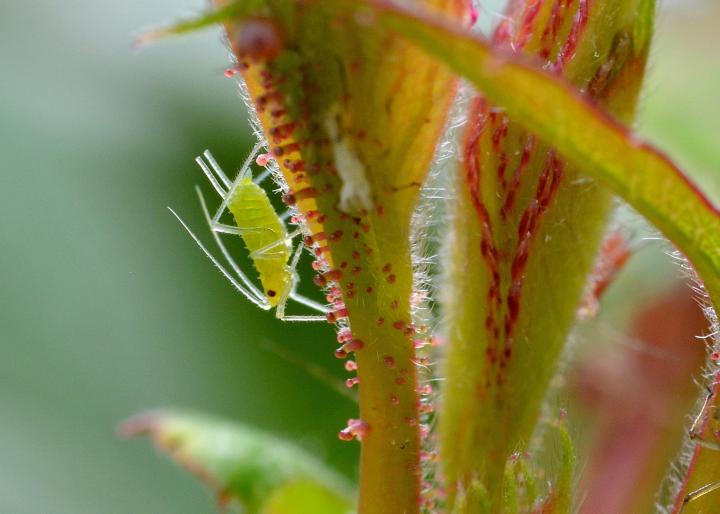
Aphids, small sap-sucking insects found in various environments, have several natural predators and environmental factors that they tend to avoid. These factors can significantly influence their behavior and survival. Here’s a detailed look at what aphids are scared of, along with relevant subtopics.
Natural Predators
Aphids are particularly wary of their natural predators, which include various species of insects and animals. These predators play a crucial role in controlling aphid populations in the environment. Some of the most common predators include:
- Ladybugs: Known for their appetite for aphids, ladybugs can consume up to 50 aphids a day.
- Hoverflies: The larvae of hoverflies also feed on aphids, contributing to their population control.
- Parasitic Wasps: These wasps lay their eggs inside aphids, leading to the host's eventual death.
Environmental Conditions
Aphids are sensitive to specific environmental conditions that can drive them away from certain areas. These conditions can be both biotic and abiotic, affecting their survival chances. Key factors include:
- Extreme Temperatures: High heat can be detrimental, as it may lead to desiccation, while severe cold can kill them.
- High Humidity: While aphids generally thrive in humid conditions, excessively high humidity can promote fungal infections that harm them.
- Strong Winds: Gusts of wind can dislodge aphids from plants, making it difficult for them to find food.
Chemical Deterrents
Certain chemical deterrents found in plants can make environments inhospitable for aphids. Many plants produce natural chemicals to protect themselves, which can deter aphids. Examples include:
- Alkaloids: These compounds can be toxic to aphids, making the plants less appealing.
- Essential Oils: Some plants emit oils that contain repellent properties, discouraging aphid feeding.
- Tannins: The presence of tannins can affect the nutritional quality of plants for aphids, leading them to seek other food sources.
Ants and their Influence
Interestingly, ants often consider aphids a vital resource for their sugary secretions (honeydew). However, ant presence can also have a dual effect. While some ants protect aphids from predators, they can also disturb and relocate aphids when threatened. Factors to note include:
- Ant-aphid Mutualism: Ants may safeguard aphids from predators, which ironically makes them more vulnerable in different scenarios.
- Disturbance Behavior: Ants aggressively tending to aphids can inadvertently scare them into hiding.
- Change in Environment: When ants recognize threats, they may relocate aphids to safer areas, emphasizing their sensitivity.
Fungus and Disease
Aphids are vulnerable to various fungal infections and diseases, which can drastically reduce their populations. Fungi that specifically target aphids can induce mortality and population decline. Important points include:
- Entomopathogenic Fungi: These fungi can infect aphids upon contact, leading to their demise.
- Viral Infections: Aphids can carry viruses that may also contribute to disease spread in plants, indirectly affecting their survival.
- Weakening Effects: Fungal infections can debilitate aphids, making them more susceptible to predation and environmental stressors.
Questions from Our Readers
What plants do aphids dislike?
Aphids generally dislike strong-smelling plants. Some of the most effective options include garlic, chives, lavender, and sage. These plants release compounds that act as natural repellents, making them unappealing to these pests.
Can certain herbs repel aphids?
Yes, certain herbs are known for their aphid-repelling properties. For instance, basil, rosemary, and mint can help deter aphids due to their strong fragrances and essential oils, which many pests, including aphids, find unpleasant.
Are there any flowers that aphids avoid?
Yes, there are several flowers that naturally repel aphids. Some of the most effective include marigolds, nasturtiums, and French lavender. These flowers not only enhance your garden's aesthetics but also serve as a natural deterrent against aphids.
See also:
How can companion planting help with aphids?
Companion planting involves growing specific plants together to enhance growth and repel pests. By planting aphid-resistant plants, such as onions and garlic, alongside susceptible species, you can create a protective barrier that helps keep aphids at bay, promoting a healthier garden.

If you want to read more articles like Discover What Plants Do Aphids Hate the Most and Protect Your Garden!, we recommend you check out our Insects category.
Leave a Reply
Related Articles