How do I get rid of an aphid infestation? Effective Methods and Tips for Quick Results

Aphids are tiny pests that can wreak havoc on your garden and indoor plants, stealing nutrients and stunting growth. If you've noticed these sap-sucking insects invading your greenery, it's essential to act swiftly to prevent further damage. In this article, we will explore effective methods and practical tips for eliminating aphid infestations quickly and efficiently. From natural remedies and beneficial insects to store-bought solutions, you'll discover various strategies to reclaim your plants and restore their health. Whether you're a seasoned gardener or a beginner, our guide will equip you with the tools needed to combat these troublesome invaders.
Effective Methods to Eliminate an Aphid Infestation
To effectively get rid of an aphid infestation, it is crucial to implement a combination of methods tailored to your specific situation. Start by introducing natural predators like ladybugs and lacewings, which feed on aphids and can significantly reduce their population. Additionally, you can use insecticidal soap or neem oil as a treatment; these products disrupt the aphids' cell membranes and suffocate them without harming beneficial insects when applied correctly. Regularly inspecting your plants and removing any heavily infested leaves can also help control the problem. Lastly, maintaining healthy plants through proper watering and fertilization can make them more resilient against pests like aphids.
Identify Aphid Infestation
The first step in managing an aphid infestation is to properly identify the problem. Look for clusters of small, soft-bodied insects on the stems and undersides of leaves, usually in colors ranging from green to black. Additionally, you'll notice sticky residue (honeydew) on the leaves and a possible presence of sooty mold. Monitoring your plants regularly for these signs will help you determine the extent of the infestation and decide on the best course of action.
Natural Predators
One of the most environmentally friendly and effective ways to combat an aphid infestation is to introduce natural predators. Ladybugs, lacewings, and parasitic wasps are all known to feed on aphids, helping to naturally control their population. You can typically purchase these beneficial insects at garden supply stores or online. When releasing them, ensure there is sufficient food supply and habitat for them to thrive in your garden, as this will lead to better long-term control of the aphid population.
Chemical Control Methods
If your aphid infestation is severe, you may consider using chemical controls such as insecticidal soap or neem oil. Insecticidal soaps work by suffocating aphids and disrupting their feeding habits, while neem oil, derived from the seeds of the neem tree, works by interfering with the aphids' hormones, thereby inhibiting their growth and reproduction. Always follow the instructions on the label carefully and test these products on a small section of your plants first to avoid damage.
Physical Removal Techniques
For smaller infestations, physical removal can be a quick and effective solution. Use a strong jet of water to wash the aphids off your plants, focusing on the undersides of the leaves where they often congregate. This method is best done early in the morning to allow plants time to dry and recover during the day. Additionally, you can prune heavily infested areas of the plant to limit the spread of aphids to healthier parts.
Preventive Measures
Prevention is key when it comes to avoiding future aphid infestations. To strengthen your plants' defenses, maintain proper care practices such as adequate watering and fertilization to keep plants healthy. Additionally, companion planting can also deter aphids; certain plants like marigolds and garlic repel these pests. Regularly inspecting plants and maintaining garden cleanliness by removing debris will also help prevent aphids from taking hold.
| Method | Description |
|---|---|
| Natural Predators | Introduce beneficial insects like ladybugs and lacewings to control aphid populations. |
| Chemical Control | Use products such as insecticidal soap or neem oil for severe infestations. |
| Physical Removal | Wash aphids off with a strong jet of water and prune infested areas. |
| Preventive Measures | Implement strategies like companion planting to deter aphids. |
| Monitoring | Regularly check plants for signs of aphids to catch infestations early. |
How do you treat a heavy aphid infestation?
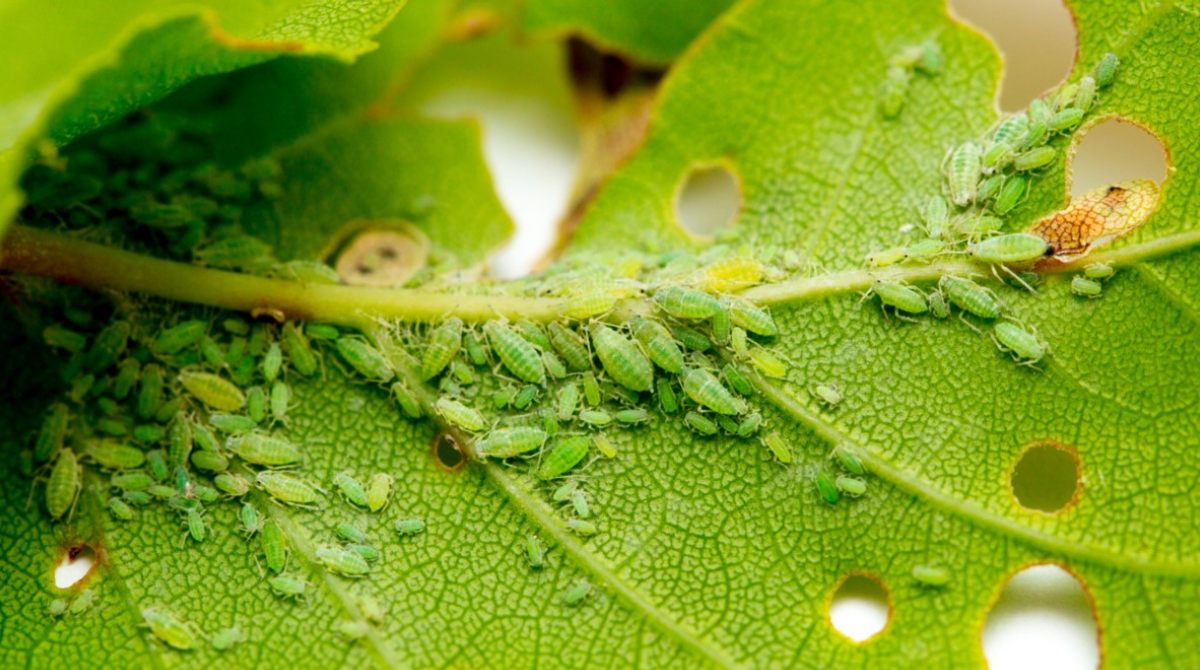
To treat a heavy aphid infestation, it is crucial to take immediate and effective measures to protect your plants. Here are various strategies to manage and eliminate these pests.
Identify the Infestation
Recognizing the signs of a heavy aphid infestation is essential for effective treatment. Check for the presence of clusters of aphids on the undersides of leaves, their characteristic sticky secretions, and potential damage like yellowing leaves or stunted growth.
See also:
- Inspect the affected plants regularly to spot aphids early.
- Look for uneven growth patterns or curling leaves, as these can indicate serious infestation.
- Identify the type of aphid species if possible, as some may require specific treatment methods.
Natural Predators
Introducing natural predators can help control aphid populations without resorting to chemical pesticides. Ladybugs and lacewings are voracious aphid eaters that can significantly reduce their numbers.
- Purchase and release adult ladybugs or lacewing larvae in your garden.
- Encourage the presence of birds, which can also help by preying on aphids.
- Plant flowers that attract beneficial insects, such as dill or yarrow.
Insecticidal Soap
Using insecticidal soap is an effective and eco-friendly method to treat aphid infestations. This soap disrupts the aphids' cell membranes upon contact and can help reduce their population rapidly.
- Mix a solution of insecticidal soap following the product instructions.
- Spray the affected areas thoroughly, especially the undersides of leaves.
- Repeat the application every few days until the aphid population is under control.
Neem Oil Treatment
Neem oil is derived from the seeds of the neem tree and serves as a potent treatment against aphids. Its active compounds can disrupt the aphids' life cycle, making it harder for them to reproduce.
- Mix neem oil with water according to product guidelines.
- Apply it directly to the infested plants, ensuring full coverage.
- Reapply every week or after rainfall to maintain its effectiveness.
Preventive Measures
Taking preventive measures can help avoid future infestations after treating a current one. Keeping your plants healthy and stress-free can make them less attractive to aphids.
- Maintain healthy soil with organic compost and mulch to boost plant resilience.
- Regularly monitor your plants for early signs of aphids or other pests.
- Rotate crops and mix plant species to disrupt the habitat preferred by aphids.
How long does an aphid infestation last?

Aphid infestations can last anywhere from a few weeks to several months, depending on various factors, including environmental conditions, the species of aphid, and the presence of natural predators. In ideal conditions, aphids can reproduce rapidly, leading to a significant population in a short period. Temperature, humidity, and available food sources play a crucial role in how long these infestations can persist. For instance, if conditions remain favorable, some aphid populations may thrive for extended periods, whereas adverse conditions can help reduce their numbers more quickly.
Factors Affecting Aphid Infestation Duration
The duration of an aphid infestation can be influenced by multiple factors, including:
- Temperature: Warmer temperatures typically accelerate aphid reproduction.
- Food Supply: An abundant food source, usually from host plants, can prolong infestations.
- Humidity: Higher humidity levels may facilitate reproduction and survival.
- Predator Presence: The presence of natural predators, such as ladybugs, can significantly reduce infestation duration.
- Plant Health: Healthy plants may tolerate aphid presence better, affecting infestation duration.
Aphid Life Cycle and Reproduction
Understanding the life cycle of aphids is critical to estimating the duration of infestations. Their life cycle consists of several stages:
- Eggs: Laid in the fall, eggs hatch in spring when conditions become favorable.
- Nymphs: After hatching, nymphs begin to feed and mature quickly, reproducing in a matter of days.
- Adult Aphids: Adults can give birth to live young, leading to exponential population growth.
- Colonization: As nymphs become adults, they can spread to new plants, prolonging the infestation.
- Overwintering: Some species can survive harsh conditions in egg form, leading to new infestations in the following season.
Common Aphid Species and Their Behavior
Different species of aphids have varying behaviors and lifespans, which affects how long an infestation can last:
- Green Peach Aphid: Known for rapid reproduction and ability to colonize various crops.
- Black Bean Aphid: Can thrive on leguminous plants; infestations can be persistent.
- Cabbage Aphid: Prefers cruciferous plants and can lead to long-lasting infestations in gardens.
- Potato Aphid: Affects potato crops and can significantly reduce crop yields if not managed quickly.
- Rose Aphid: Commonly found on ornamental plants, often leading to cyclical infestations.
Signs of Aphid Infestation
Identifying an aphid infestation early can help manage its duration. Common signs include:
See also:
- Plants Showing Damage: Yellowing leaves and stunted growth are early signs of aphid activity.
- Presence of Sticky Substances: Honeydew, a sugary secretion from aphids, indicates their presence.
- Visible Aphids: Small, soft-bodied insects clustered on new growth, undersides of leaves, or flower buds.
- Ant Activity: Ants often protect aphids in exchange for honeydew, signaling a possible infestation.
- Black Sooty Mold: This mold can develop on honeydew and indicates prolonged aphid activity.
Managing Aphid Infestations
Effective management practices can help shorten the duration of aphid infestations. Consider the following strategies:
- Natural Predators: Introducing or encouraging natural aphid predators like ladybugs can control populations.
- Insecticidal Soap: Applying insecticidal soap can effectively reduce aphid numbers if done consistently.
- Neem Oil: A natural pesticide that disrupts aphid reproduction and can help manage infestations.
- Companion Planting: Using certain plants can repel aphids, reducing their chances of establishing populations.
- Cultural Practices: Regular maintenance of plants, such as pruning and cleaning, helps prevent aphid hotspot development.
Why am I getting so many aphids?
:strip_icc()/aphids-33ea487e-bc630c51c2084b099418a08571f9b459.jpg)
The presence of aphids in your garden or on your plants can be attributed to several factors that create a conducive environment for these pests. Understanding why aphids are proliferating can help you manage them more effectively. Below are some reasons for their abundance, along with related topics that can further aid in your understanding.
Common Reasons for Aphid Infestation
Aphids tend to thrive under specific conditions. Here are some of the most common reasons why you might be experiencing a high population of these pests:
- Warm Weather: Aphids are more active and reproduce quickly during warm temperatures, typically flourishing in the spring and early summer.
- Lack of Natural Predators: An absence of natural predators, such as ladybugs or lacewings, can lead to uncontrolled aphid populations.
- Healthy Plant Growth: Plants that are lush and healthy provide an abundant food source for aphids, leading to higher infestation rates.
Plant Species Susceptible to Aphids
Certain plants are more susceptible to aphid infestations than others. Knowing which plants are at risk can help you take preventive measures:
- Roses: These ornamental plants often attract aphids, particularly due to their tender new growth.
- Vegetables: Common vegetables like tomatoes and peppers can also be highly attractive to aphids.
- Herbs: Certain herbs, such as basil and mint, may attract aphids if not properly monitored.
Methods to Control Aphids
To manage aphid populations effectively, consider implementing various control methods. Here are some effective strategies:
- Natural Predators: Introduce or encourage beneficial insects such as ladybugs and hoverflies that prey on aphids.
- Insecticidal Soaps: Use insecticidal soaps that are safe for plants to disrupt aphid feeding.
- Regular Monitoring: Regularly inspect your plants for early signs of aphid presence to manage their population quickly.
The Role of Ants in Aphid Infestation
Ants can play a significant role in the proliferation of aphids, often protecting them from their natural predators. Here’s how:
- Mutualistic Relationship: Ants feed on the honeydew produced by aphids and, in return, protect them from other predators.
- Farmed Aphids: Some ants farm aphids, moving them around to optimize honeydew production and ensure a continuous food source.
- Transportation: Ants can help in the spread of aphids to new plants, leading to larger infestations.
Preventing Future Aphid Problems
Preventing aphid infestations requires a strategic approach. Consider the following preventive measures:
- Companion Planting: Planting companion species that repel aphids can help reduce their attraction to your main crops.
- Maintaining Plant Health: Ensure your plants are healthy and not stressed, making them less attractive to aphids.
- Regular Pruning: Remove heavily infested plant parts to decrease the aphid population and improve air circulation.
Questions from Our Readers
How can I identify an aphid infestation?
To identify an aphid infestation, look for small, soft-bodied insects on the undersides of leaves, often in clusters. They can be green, black, or other colors, and may cause curling or yellowing of leaves, as well as the presence of sticky residue known as honeydew, which can lead to the growth of sooty mold.
What are some natural methods to get rid of aphids?
Some effective natural methods to eliminate aphids include introducing beneficial insects like ladybugs or lacewings, using a strong spray of water to dislodge them, or applying homemade solutions like a mix of water and soap. These methods are safe for the environment and help protect beneficial organisms.
See also:
Are chemical pesticides effective against aphids?
Yes, chemical pesticides can be effective against aphids; however, it is important to choose a product that targets aphids specifically and is safe for your plants. Always follow the instructions carefully and consider the potential impact on other beneficial insects and the surrounding environment.
How often should I check my plants for aphids?
You should regularly check your plants for aphids, ideally once a week, especially during the growing season when they are most active. Early detection is crucial to prevent a small infestation from becoming a larger problem, allowing for quicker intervention and treatment.

If you want to read more articles like How do I get rid of an aphid infestation? Effective Methods and Tips for Quick Results, we recommend you check out our Insects category.
Leave a Reply
Related Articles