Do Strawberries Regrow? A Complete Guide to Strawberry Plant Care and Reproduction
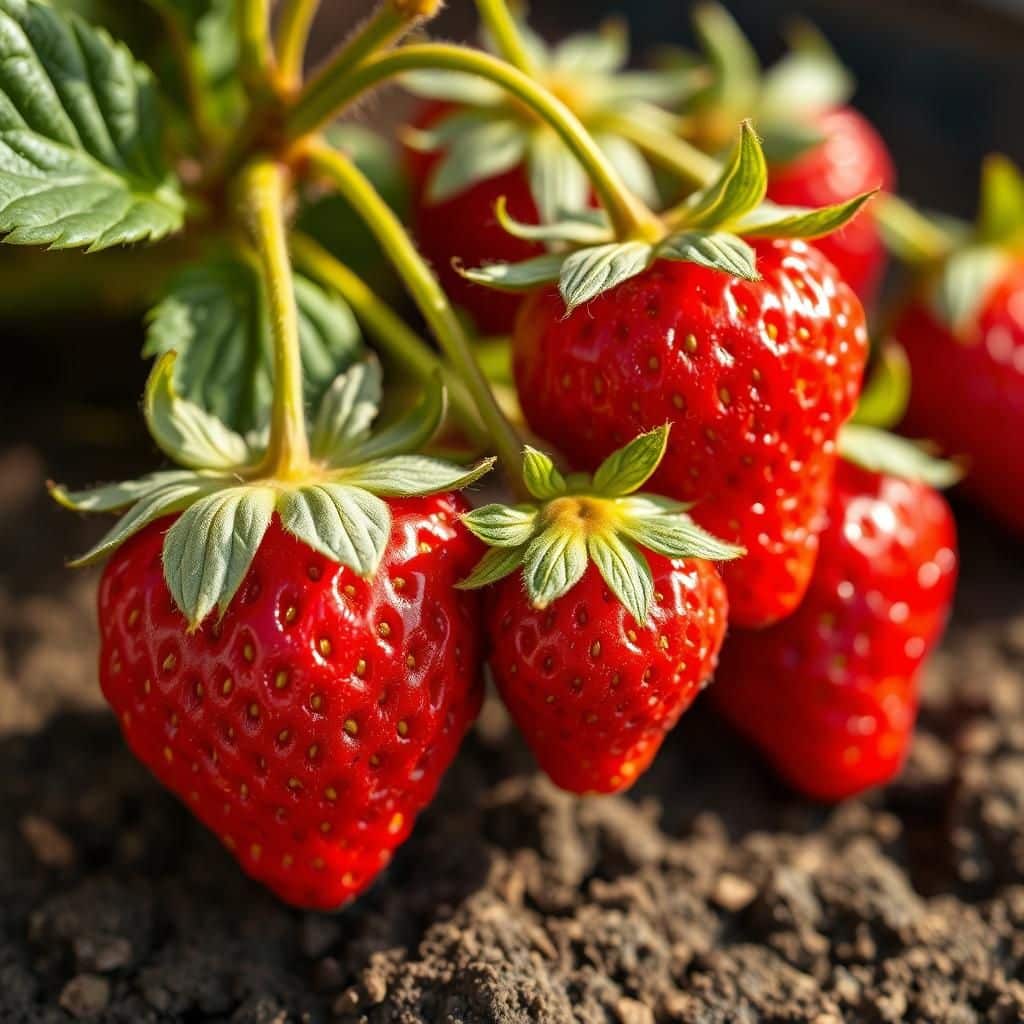
Strawberries are a beloved fruit known for their vibrant color and sweet flavor, making them a popular choice for gardens and farms alike. Aspiring gardeners often wonder if these delightful plants can regrow after harvest and how to care for them effectively. In this comprehensive guide, we will explore the fascinating world of strawberry plant care and reproduction. From understanding their growth cycles to implementing proper maintenance techniques, this article aims to provide you with all the information needed to cultivate healthy, bountiful strawberry plants. Discover the secrets to enjoying strawberries year after year with the right care and knowledge.
Do Strawberries Regrow?
Strawberries are perennial plants, meaning they can regrow year after year. After the harvest season, strawberry plants typically enter a resting phase during which they prepare for new growth. They develop new leaves and runners, which are horizontal stems that can produce new plants. With proper care, including watering, mulching, and fertilization, strawberry plants not only survive the winter but can also produce higher yields in subsequent seasons.
How Long Do Strawberries Last?
Strawberry plants generally have a productive life span of about 3 to 4 years. During this time, they can yield multiple crops, but their productivity may begin to decline after the third year. Maintaining optimal growing conditions and managing pests can help maximize their life span and fruit production.
When Do Strawberries Regrow?
Strawberries typically begin to regrow in early spring as the weather warms up. New growth will emerge from the crown of the plant, and if conditions are right, flowers will start developing within a few weeks. The regrowth is often influenced by factors such as temperature, sunlight, and soil moisture.
What Makes Strawberries Regrow?
The ability of strawberries to regrow is attributed to their perennial nature. The plants store energy in their roots and crowns during the dormant winter months. This stored energy fuels the initial growth in spring, allowing them to produce new leaves and flowers efficiently when conditions become favorable.
How to Care for Regrowing Strawberries?
To ensure healthy regrowth, it’s important to provide strawberries with proper care. This includes regular watering, especially during dry spells, and applying fertilizer to support new growth. Additionally, removing dead or diseased leaves helps the plant focus its energy on healthy parts, thereby enhancing its overall productivity.
See also:
Can Strawberries Be Grown Year-Round?
While strawberries are typically grown as an annual crop in some regions, they can be cultivated year-round in controlled environments such as greenhouses or using hydroponic systems. These methods allow for the manipulation of light and temperature, creating ideal conditions for continuous growth and fruit production regardless of seasonal changes.
| Aspect | Details |
|---|---|
| Life Span | 3 to 4 years |
| Regrowth Season | Early spring |
| Key Care Practices | Watering, fertilizing, and pruning |
| Growth Methods | Open field, greenhouse, hydroponics |
| Storage | Energy stored in roots and crowns |
Do strawberries regrow themselves?
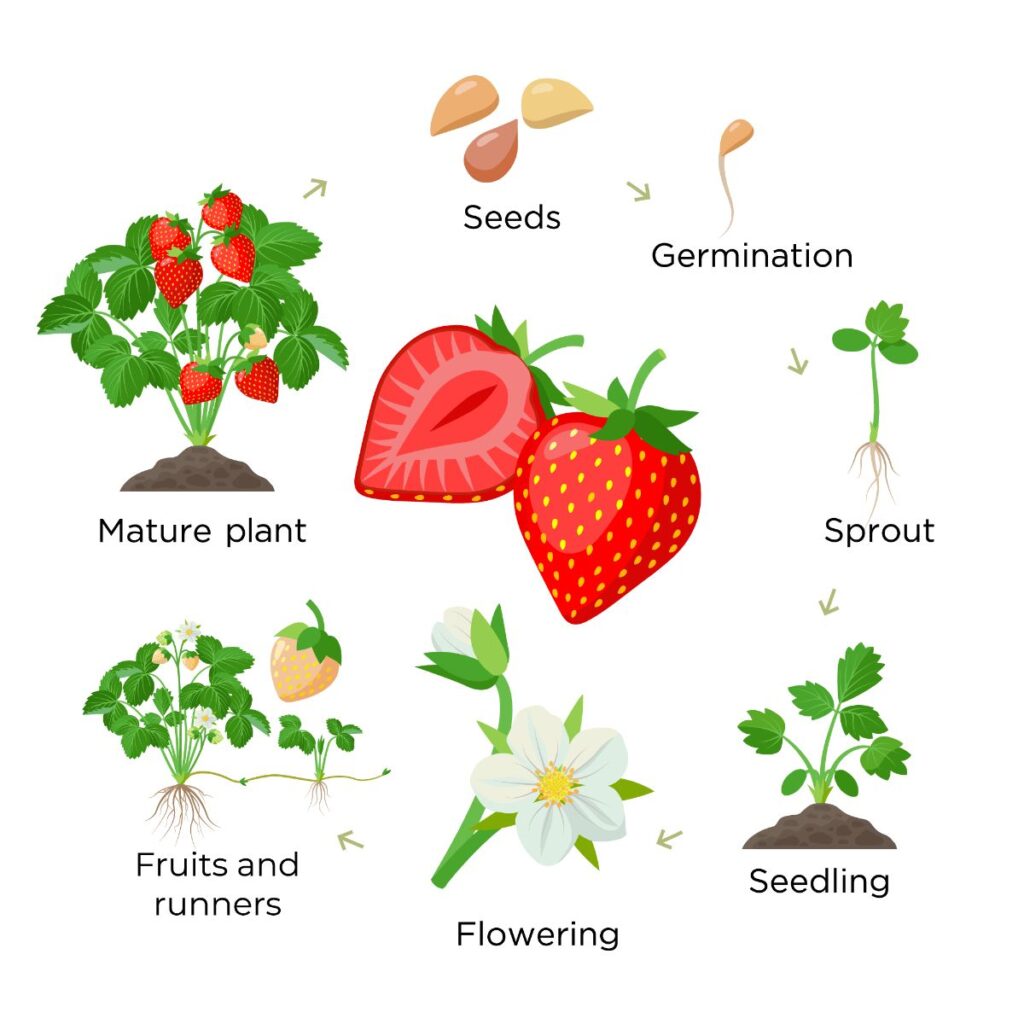
Strawberries are fascinating plants that exhibit unique growth habits. The question of whether strawberries regrow themselves is a bit nuanced. Strawberries are perennial plants, meaning they can live for multiple years, but they do not regenerate automatically without care. When properly maintained, they can produce fruit season after season.
How Do Strawberry Plants Grow?
Strawberry plants grow through a process called vegetative propagation. They develop via runners, which are horizontal stems that grow out from the parent plant. These runners can root in the soil and form new plants. The key points regarding how they grow include:
- Runners: These are crucial for the plant's reproduction. They extend from the main plant and create new plants when they touch the ground.
- Roots: When runners establish roots, the new plants can sustain themselves and continue the cycle of growth.
- Flowering and Fruiting: The main plant produces flowers that eventually turn into strawberries, ensuring the cycle of growth continues.
What Factors Affect Strawberry Regrowth?
The regrowth of strawberry plants relies heavily on various environmental and maintenance factors. Proper care can enhance the likelihood of repeat growth and fruit production. These factors include:
- Soil Quality: Well-draining and nutrient-rich soil is essential for healthy growth.
- Watering: Consistent and appropriate watering practices help the plants avoid stress.
- Sunlight: Strawberries require full sun for a minimum of 6-8 hours a day for optimal growth and fruiting.
When Do Strawberry Plants Produce Fruit?
The fruiting period for strawberries depends on the variety and growing conditions. Most strawberry plants will produce fruit in the late spring to early summer. The timeline includes:
See also:
- June-Bearing Strawberries: Typically bloom in late spring and harvest begins in early to mid-summer.
- Everbearing Strawberries: Produce fruit multiple times throughout the growing season, generally in spring and again in fall.
- Day-Neutral Strawberries: Can produce fruit continuously throughout the growing season, given the right conditions.
How to Care for Strawberry Plants for Regrowth?
To ensure your strawberries continue to thrive and produce fruit year after year, follow these care tips:
- Fertilization: Use a balanced fertilizer in early spring to encourage robust growth.
- Pruning: Regularly remove dead leaves and spent flowers to promote better airflow and prevent disease.
- Mulching: Apply mulch to retain moisture, suppress weeds, and protect roots during winter.
Common Issues with Strawberry Plants
Strawberry plants are susceptible to several issues that can hinder their growth and regrowth potential. Some common problems include:
- Pests: Aphids, slugs, and other insects can damage foliage and fruit, impacting plant health.
- Diseases: Fungal infections like powdery mildew and root rot can threaten plants if not managed.
- Environmental Stress: Extreme temperatures, either too hot or too cold, can affect growth and fruit set.
Questions from Our Readers
Do strawberries regrow after harvesting?
Yes, strawberries can regrow after harvesting, as they are perennial plants. This means that once they are established, they can produce fruit year after year, especially if they are properly cared for and have adequate growing conditions.
How long do strawberries take to regrow?
Strawberries typically take about 4 to 6 weeks to regrow after harvesting, depending on the variety and growing conditions. With the right care, including proper watering and fertilization, the plants can start producing new fruit in that time frame.
Can I grow strawberries from my existing plants?
Absolutely, you can grow new strawberries from your existing plants by using runners, which are the horizontal stems that develop from the parent plant. These runners can be rooted to create new strawberry plants, allowing you to expand your garden without having to purchase new ones.
What conditions help strawberries to regrow successfully?
To help strawberries regrow successfully, it’s important to provide them with adequate sunlight, well-draining soil, and regular watering. Additionally, applying a balanced fertilizer can enhance their growth and ensure a bountiful harvest in the following seasons.
https://youtube.com/watch?v=4Vv_rIrUyHc

If you want to read more articles like Do Strawberries Regrow? A Complete Guide to Strawberry Plant Care and Reproduction, we recommend you check out our Berries category.
Leave a Reply
Related Articles