Do Blackberries Need a Trellis? Everything You Need to Know About Growing Them Successfully
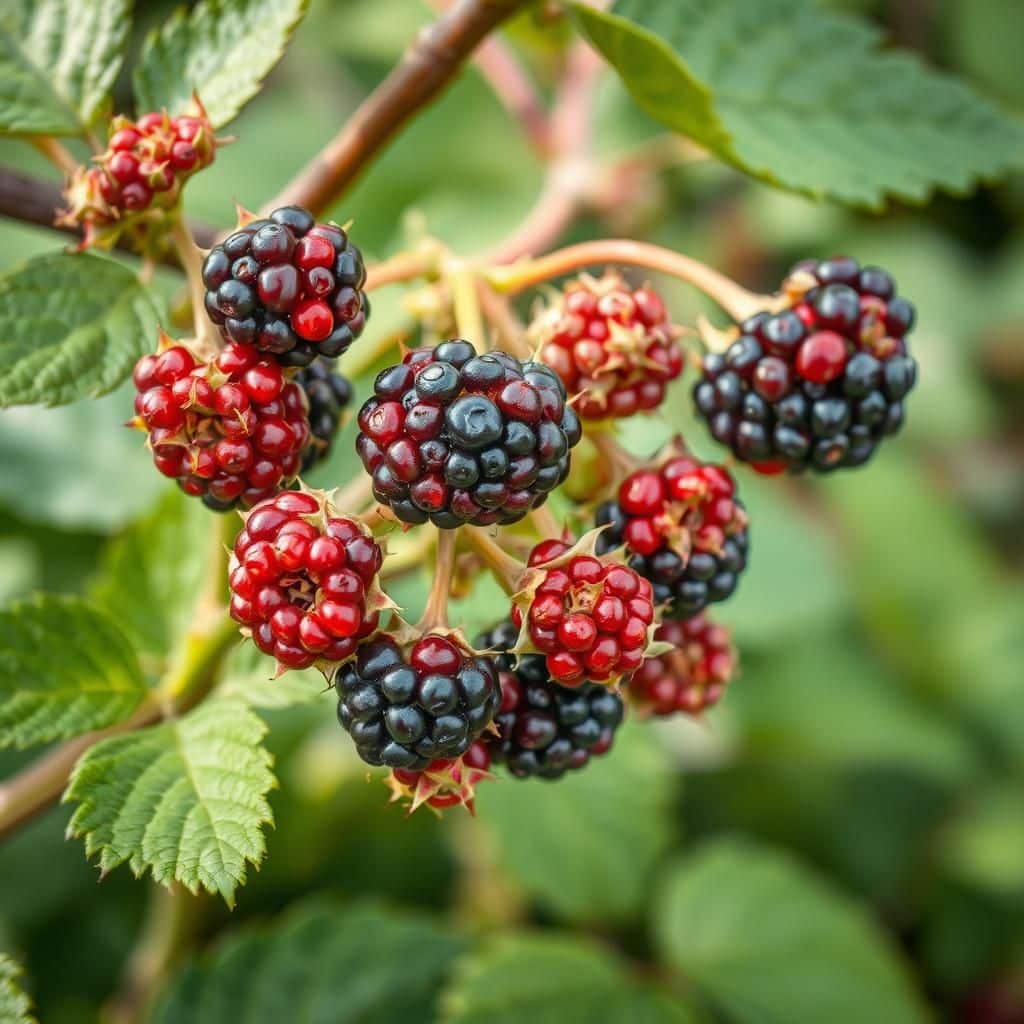
Growing blackberries can be a rewarding endeavor, offering delicious fruit and a beautiful addition to your garden. One common question among gardeners is whether these vigorous plants need a trellis for optimal growth. A trellis not only helps support the weight of the canes but also enhances air circulation and sun exposure, leading to healthier plants and better fruit production. In this article, we will explore the benefits of using a trellis for blackberries, how to set one up, and essential tips for successful cultivation. Whether you're a novice or an experienced gardener, this guide will help you thrive in blackberry cultivation.
Do Blackberries Need a Trellis?
Blackberries are climbing plants that benefit significantly from the use of a trellis. A trellis provides much-needed support, keeping the canes off the ground and preventing them from sprawling uncontrollably. This not only helps in managing the space in your garden but also improves air circulation and sunlight exposure, which are crucial for the healthy growth of the plant. Moreover, using a trellis makes it easier to harvest the fruits and minimizes the risk of diseases caused by contact with soil. Overall, investing in a trellis can lead to a healthier and more productive blackberry plant.
Benefits of Using a Trellis for Blackberries
Using a trellis for blackberries offers numerous benefits, including improved air circulation and better sunlight exposure. By keeping the canes upright, a trellis prevents overcrowding, which can lead to fungal diseases. It also allows for easier harvesting as the berries are more accessible, reducing the risk of damage during fruit collection. Additionally, a trellised plant is simpler to maintain, making pruning and pest control more efficient. Overall, the advantages of using a trellis far outweigh the initial effort of installation.
Types of Trellises Suitable for Blackberries
There are various types of trellises suitable for supporting blackberry plants, each with its own features. The T-post trellis is a popular choice, using metal stakes driven into the ground connected by wires for support. Another option is the fence-style trellis, which consists of wooden or metal frameworks that provide a robust structure for growth. Additionally, a fan trellis allows the canes to spread out and receive more light. Choosing the right type of trellis is essential for fostering healthy growth in blackberry plants.
How to Install a Trellis for Blackberries
Installing a trellis for blackberries is a straightforward process that requires some planning. First, select a location with ample sunlight and drainage. After choosing the type of trellis, mark the spots where the supports will be placed, ensuring that they are spaced approximately 3-5 feet apart. Once the supports are installed, attach wires at intervals (typically 1-2 feet apart) to guide the canes. Finally, as the blackberry canes grow, gently tie them to the wires to encourage vertical growth and ensure they remain upright.
See also:
Maintenance Tips for Trellised Blackberries
Maintaining trellised blackberries involves regular pruning, monitoring for pests, and ensuring proper irrigation. Pruning should be done during the dormant season to remove dead or diseased canes and to encourage new growth. It's also important to check for signs of pests and diseases, as keeping the plants elevated can improve visibility for early detection. Proper watering practices, including consistent moisture levels, ensure that the plants thrive throughout the growing season. By maintaining these routines, you can enjoy a robust blackberry harvest.
Common Issues with Blackberry Trellises
Despite their benefits, there can be some common issues associated with blackberry trellises. One potential problem is collapse due to overgrown canes if not properly managed. Additionally, inadequate spacing can lead to crowding, resulting in reduced sunlight and airflow, which increases the risk of disease. Improper installation can also cause instability, making the trellis ineffective. To avoid these issues, regular maintenance and careful tracking of growth are essential to ensure longevity and health for the blackberry plants.
| Issue | Solution |
|---|---|
| Collapse due to overgrowth | Regular pruning to manage cane length |
| Crowding and poor air circulation | Proper spacing between plants |
| Instability of the trellis | Ensure proper installation and support |
Understanding the Importance of a Trellis for Blackberry Growth
Using a trellis for growing blackberries is essential for maximizing fruit yield and ensuring healthy plant growth. A trellis provides structure and support, allowing the canes to grow vertically and preventing them from sprawling on the ground. This vertical growth improves air circulation, reducing the risk of disease and promoting better sun exposure for the fruit. Additionally, a trellis makes harvesting easier, as the berries are more accessible and reduces the chances of pest infestations. Without proper support, blackberry plants can become tangled and unmanageable, leading to reduced productivity and compromised fruit quality.
Benefits of Using a Trellis for Blackberries
A trellis offers numerous benefits, including improved light access, better airflow, and enhanced drainage. By training the canes upwards, the plants can receive more sunlight, which is crucial for photosynthesis and fruit development. Moreover, the enhanced airflow helps in preventing moisture-related issues, thereby reducing the likelihood of fungal infections. Finally, a well-structured trellis facilitates more efficient harvesting and maintenance, ultimately yielding a higher crop quality.
Types of Trellises Suitable for Blackberries
There are various types of trellises suitable for blackberries, each designed to support the unique growth habits of these plants. The most common types include the T-shaped trellis, which offers horizontal support for sprawling canes, and the *high-wire* trellis, which provides a simpler design for easy access. Additionally, fan-shaped trellises can be used to train the canes outwards for optimal light exposure. Each design has its own advantages and can be selected based on the specific varieties of blackberries and the gardener’s preferences.
See also:
How to Build a Trellis for Blackberries
Building a trellis for blackberries is a straightforward process that requires careful planning and basic materials. You will need wooden posts, wire, and staples or ties. Start by installing sturdy posts in the ground, spaced appropriately to support the plants. Attach horizontal wires at intervals of 18-24 inches up the posts to provide support for the canes. Ensure that the wires are taut to prevent sagging. When planting the blackberries, tie the canes loosely to the wires to guide their growth along the trellis. This setup allows for better management and enhances the health of the plants.
Common Mistakes When Using a Trellis
One common mistake when using a trellis for blackberries is overcrowding the plants. Proper spacing is essential to ensure that each plant receives adequate sunlight and airflow. Additionally, neglecting to secure the canes properly can lead to them falling or becoming damaged. Another mistake is using inadequate materials that may not support the weight of mature canes and fruit. Finally, failing to prune the plants regularly can result in excessive growth that can overwhelm the trellis structure, leading to reduced overall productivity.
Maintenance Tips for Blackberry Trellises
Maintaining a blackberry trellis involves regular inspections and timely repairs. Check the structure for any signs of wear or damage and replace any broken components promptly to ensure continued support for the plants. Pruning is also vital; remove any dead or diseased canes to promote a healthy growth environment. Additionally, keep the area around the trellis weed-free to prevent competition for nutrients. Regularly check the attachment points of the canes to the trellis to ensure they are secure and make adjustments as necessary to help guide their growth throughout the season.
Questions from Our Readers
Do blackberries need a trellis?
Blackberries benefit from a trellis as it helps support their growth and keep the canes off the ground. Using a trellis allows for better air circulation and sunlight exposure, which ultimately leads to healthier plants and a more abundant harvest.
What type of trellis is best for blackberries?
The best trellis for blackberries is typically a two-wire trellis or a vertical growing system. These designs provide stability for the canes, making it easier to manage their growth and facilitating easier picking of the fruit.
See also:
How tall should a trellis be for blackberries?
A trellis for blackberries should generally be around 4 to 6 feet tall. This height allows the plants to grow upward, promoting good air circulation while also making it convenient for harvesting the fruit.
When should I install a trellis for my blackberries?
It's advisable to install a trellis for blackberries when you first plant them, ideally in the spring. Early installation helps the young plants acclimate to the support structure as they grow, ensuring proper training and shaping of the canes.

If you want to read more articles like Do Blackberries Need a Trellis? Everything You Need to Know About Growing Them Successfully, we recommend you check out our Berries category.
Leave a Reply
Related Articles