What Should You Not Plant Next to Raspberries? A Guide to Raspberry Companions

When cultivating raspberries, selecting the right companion plants is essential for a thriving garden. While certain plants enhance raspberry growth by providing nutrients or deterring pests, others can hinder their development or attract detrimental insects. This guide delves into what you should not plant next to raspberries, helping you avoid common pitfalls and ensure your raspberry bushes flourish. By understanding the relationships between various plants, you can create a harmonious garden that promotes health and productivity for your raspberry patch. Discover which companions to steer clear of and set your garden up for success.
What Should You Not Plant Next to Raspberries?
Planting raspberries in your garden can yield a fruitful harvest, but it’s equally important to consider what not to plant nearby. Certain plants can inhibit raspberry growth due to competition for nutrients, space, or water, as well as potential issues with pests or diseases. For instance, plants such as strawberries, tomatoes, and potatoes are known to negatively affect raspberry plants. Strawberries can compete for vital nutrients and spread diseases, while tomatoes and potatoes may introduce pests like aphids and blight, which can harm your raspberry bushes. Therefore, ensuring the right plant associations is crucial for a thriving raspberry patch.
Companion Planting with Raspberries
Companion planting is a gardening technique that involves growing different plants close together for mutual benefit. However, when it comes to raspberries, it’s recommended to avoid certain plants. For example, planting strawberries next to raspberries can lead to a higher incidence of fungal infections due to shared susceptibility. Additionally, the competition for resources can hinder the growth of both plants, leading to fewer berries and overall health issues in your garden.
Plants That Attract Harmful Pests
Some plants can attract pests that are particularly harmful to raspberries. For instance, tomatoes and potatoes are known hosts for pests such as aphids, which can spread diseases to nearby raspberry plants. Additionally, these plants can foster conditions for blight and other fungal diseases, which can quickly spread to your raspberries, affecting their growth and yield.
Disease Susceptibility in Neighboring Plants
Certain plants have a susceptibility to diseases that can easily spread to raspberries. For example, both raspberries and blackberries are prone to the same viral infections, so planting them near each other can result in cross-contamination. Nightshade family members, including tomatoes and potatoes, also carry diseases like verticillium wilt, which can be devastating for raspberry plants if they are grown in close proximity.
Soil Nutrient Competition
Raspberries thrive in nutrient-rich soil, and planting them near nutrient-hungry plants can severely impact their growth. For example, corn is known to deplete the soil of important nutrients, leaving not enough for raspberries, which can lead to poor growth and lower fruit production. This competition can stifle the raspberry plants' ability to access the essential elements they need to thrive.
Tables of Incompatible Plants
| Plant | Reason for Avoidance |
|---|---|
| Strawberries | Compete for nutrients and spread diseases. |
| Tomatoes | Attract aphids and other pests harmful to raspberries. |
| Potatoes | Introduce pests and can spread diseases like blight. |
| Corn | Depletes soil nutrients needed by raspberries. |
| Blackberries | Share similar diseases, leading to cross-contamination. |
What not to plant next to berries?
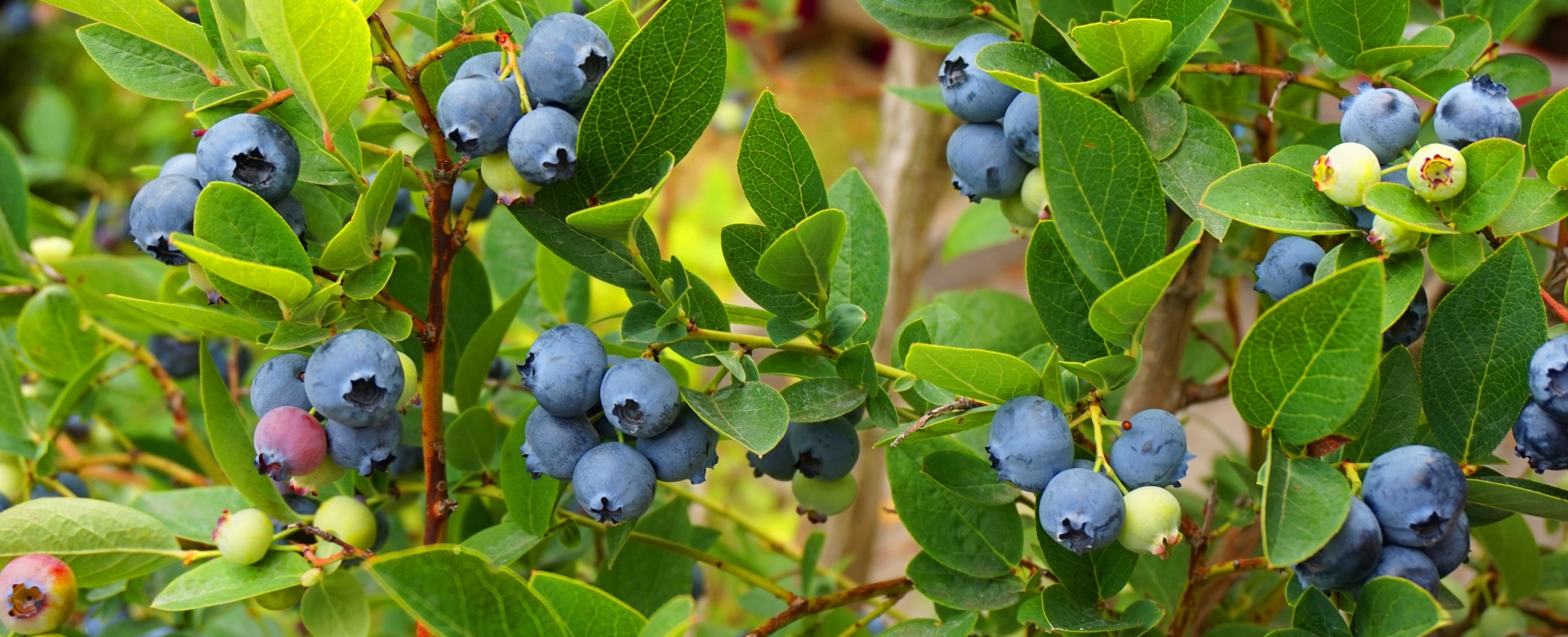
When planning a garden, it's crucial to know which plants can thrive together and which should be kept apart. Berries are popular choices, but not all plants make ideal companions for them. Here are some plants to avoid planting next to berries.
See also:
1. Brassicas
Brassicas, including cabbage, cauliflower, and broccoli, should not be planted next to berries. This is due to their potential to attract pests that can negatively impact berry plants. Additionally, these plants can compete for nutrients, hindering the growth of the berries.
- Cabbage: Attracts pests like aphids.
- Cauliflower: May limit the nutrients available.
- Broccoli: Competes for space and resources.
2. Nightshades
Nightshades, such as tomatoes, potatoes, and peppers, can adversely affect the growth of berry plants due to their susceptibility to similar pests and diseases. Both groups can share pests like whiteflies, leading to higher infestations in your garden.
- Tomatoes: Prone to similar blights and pests.
- Potatoes: Can increase disease pressure on berries.
- Pepper: May attract common pest species.
3. Fennel
Fennel is known to inhibit the growth of many nearby plants, including berries. This plant can exude chemicals that make it difficult for berries to thrive, limiting their ability to absorb nutrients and grow effectively.
- Inhibition: Fennel emits chemicals that hinder growth.
- Competition: Competes for soil nutrients and water.
- Spacing: Requires significant room, limiting berry planting.
4. Mint
While mint is a delicious herb, it tends to spread aggressively, making it a poor neighbor for berries. The root systems of mint can dominate the growing area, restricting the growth of nearby plants, including berries.
- Invasive: Mint can overtake planting spaces.
- Competition: Competes for nutrients and space.
- Flavor: May alter the taste of berries if too close.
5. Mustard
Mustard plants can attract pests that target berries and may also lead to nutrient depletion in the soil. Additionally, mustard plants might harbor diseases that could spread to berry plants, jeopardizing their health.
- Pests: Attracts aphids and other harmful insects.
- Disease: May carry diseases between plant species.
- Nutrient depletion: Can exhaust soil resources.
Can I plant strawberries under raspberry bushes?
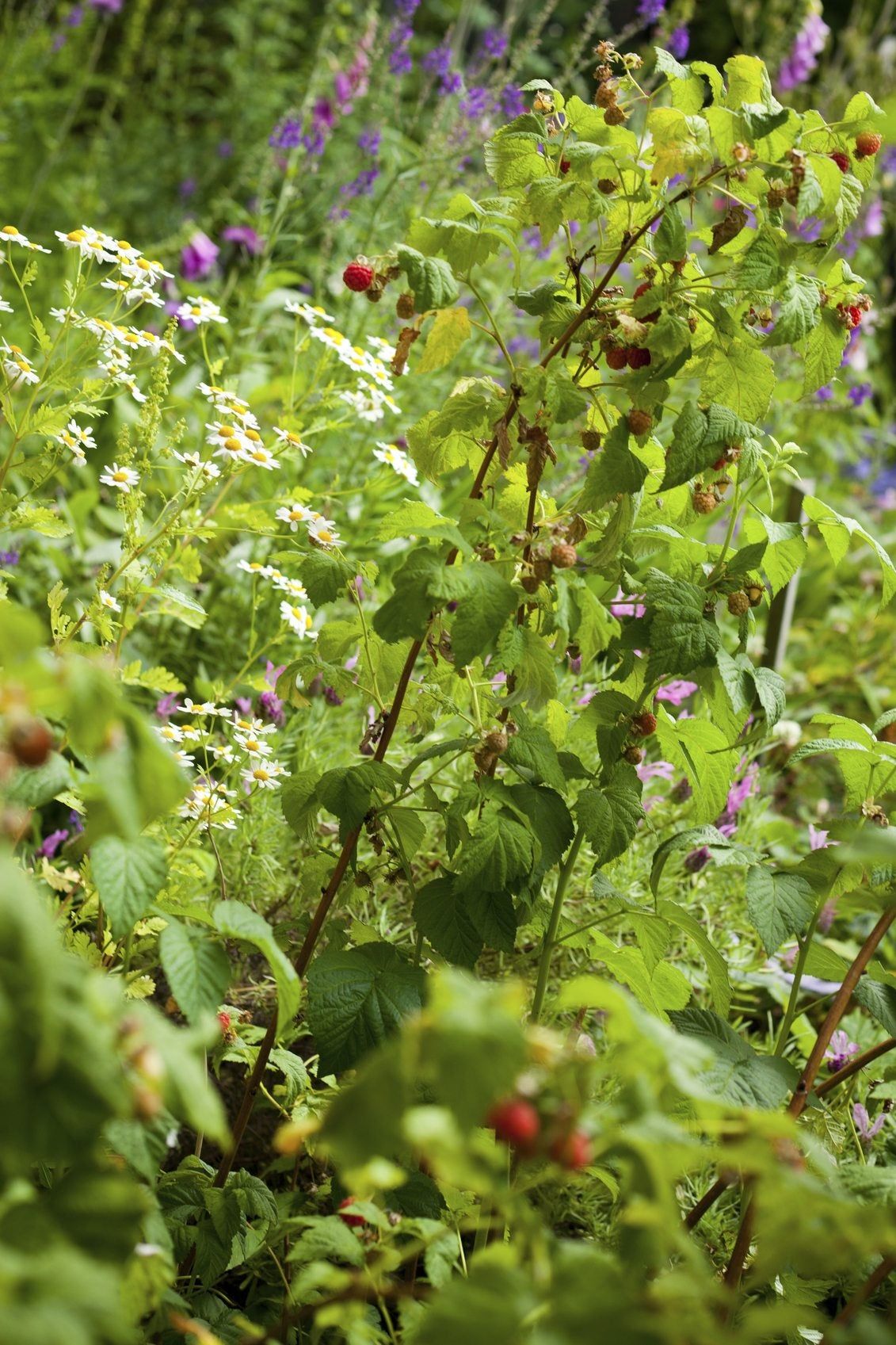
Yes, you can plant strawberries under raspberry bushes, but there are several factors to consider to ensure the success of both plants. When planning to grow strawberries underneath raspberry bushes, keep in mind that both species have unique growth habits and requirements. Strawberries generally prefer full sun and well-drained soil, while raspberry bushes can produce significant shade as they mature. Here are some important points to consider:
Growth Habits of Strawberry and Raspberry
Strawberries are low-growing plants that spread horizontally through runners, while raspberry bushes tend to grow vertically and can reach considerable heights. This difference in growth habits means that adequate space must be provided to allow both plants to thrive without competing for resources.
See also:
- Raspberry Shade: Raspberry plants can create shade, making it challenging for strawberries to receive enough sunlight.
- Root Competition: Both plants may compete for nutrients and water, potentially leading to diminished growth for strawberries.
- Access to Space: Ensure that strawberry runners have space to spread without being overshadowed by the raspberry canes.
Soil Requirements
Both strawberries and raspberries prefer well-drained, fertile soil, but their pH and nutrient needs can differ slightly. Strawberries thrive in slightly more acidic soils compared to raspberries. It is crucial to amend the soil to meet the needs of both plants.
- Soil Testing: Conduct a soil test to determine pH and nutrient levels before planting.
- Amendments: Consider adding compost or organic matter to enhance soil quality.
- Mulching: Utilize mulch to retain moisture and regulate soil temperature further benefiting both crops.
Watering and Irrigation Considerations
Both strawberries and raspberries require consistent moisture, but they have different sensitivities. Strawberries are particularly sensitive to overwatering, which can result in root rot. It's important to manage watering carefully when planting them together.
- Irrigation System: Use drip irrigation or soaker hoses to provide consistent moisture without waterlogging.
- Watering Schedule: Monitor soil moisture regularly to determine the best watering schedule.
- Drainage: Ensure that the planting area has good drainage to prevent standing water.
Pest and Disease Management
Planting strawberries under raspberry bushes can increase chances of pest and disease issues since both can attract similar pests such as aphids or spider mites. Effective management practices are essential to maintain the health of both crops.
- Companion Planting: Introduce companion plants known to repel pests, such as marigolds, around the area.
- Regular Monitoring: Check both plants regularly for signs of pests or disease and address issues promptly.
- Cultural Practices: Implement crop rotation and proper cleaning of garden tools to minimize disease spread.
Harvesting and Maintenance
Timing and methods of harvesting differ for strawberries and raspberries, which can complicate maintenance efforts. It’s important to schedule care tasks to avoid damaging one plant while tending to the other.
- Harvest Timing: Strawberries typically produce fruit in early summer, while raspberries can follow later; coordinate tasks accordingly.
- Pruning: Pay attention to how raspberry pruning may affect the light and air circulation available to strawberries.
- Fertilization: Plan fertilization around both plants’ requirements without over-fertilizing.
Questions from Our Readers
What should you not plant next to raspberries?
Planting certain plants next to raspberries can hinder their growth. It is recommended to avoid plants such as potatoes, tomatoes, and eggplants, as they belong to the same family and can spread diseases like blight. Additionally, brambles or other thorns can compete for nutrients and space.
Why should potatoes not be planted near raspberries?
Potatoes and raspberries share a susceptibility to the same soil-borne diseases, particularly blight. If grown together, there is a higher risk of disease transmission, which can significantly affect the health and yield of raspberries.
Can you plant herbs next to raspberries?
Generally, many herbs can be beneficial for raspberries, but caution should be taken with mint. Mint can become quite invasive and may compete with raspberries for water and nutrients, potentially leading to reduced fruit production.
What companion plants can benefit raspberries?
Some excellent companion plants for raspberries include garlic, onions, and sage. These plants can help deter pests and diseases while promoting healthy growth of raspberries through improved soil health and nutrient availability.
See also:

If you want to read more articles like What Should You Not Plant Next to Raspberries? A Guide to Raspberry Companions, we recommend you check out our Berries category.
Leave a Reply
Related Articles