Can You Plant Strawberries Next to Garlic? Tips for Successful Companion Gardening
Companion gardening is a popular practice that enhances plant growth and health by strategically placing compatible species together. One common question among gardeners is whether strawberries and garlic can thrive when planted side by side. Both plants have unique benefits and potential challenges, making their compatibility an interesting topic of discussion. This article will explore the advantages and disadvantages of planting strawberries next to garlic, providing essential tips for successful companion gardening. Whether you're a seasoned gardener or a beginner, understanding the dynamics between these two plants can lead to a fruitful and vibrant garden.
Can You Plant Strawberries Next to Garlic?
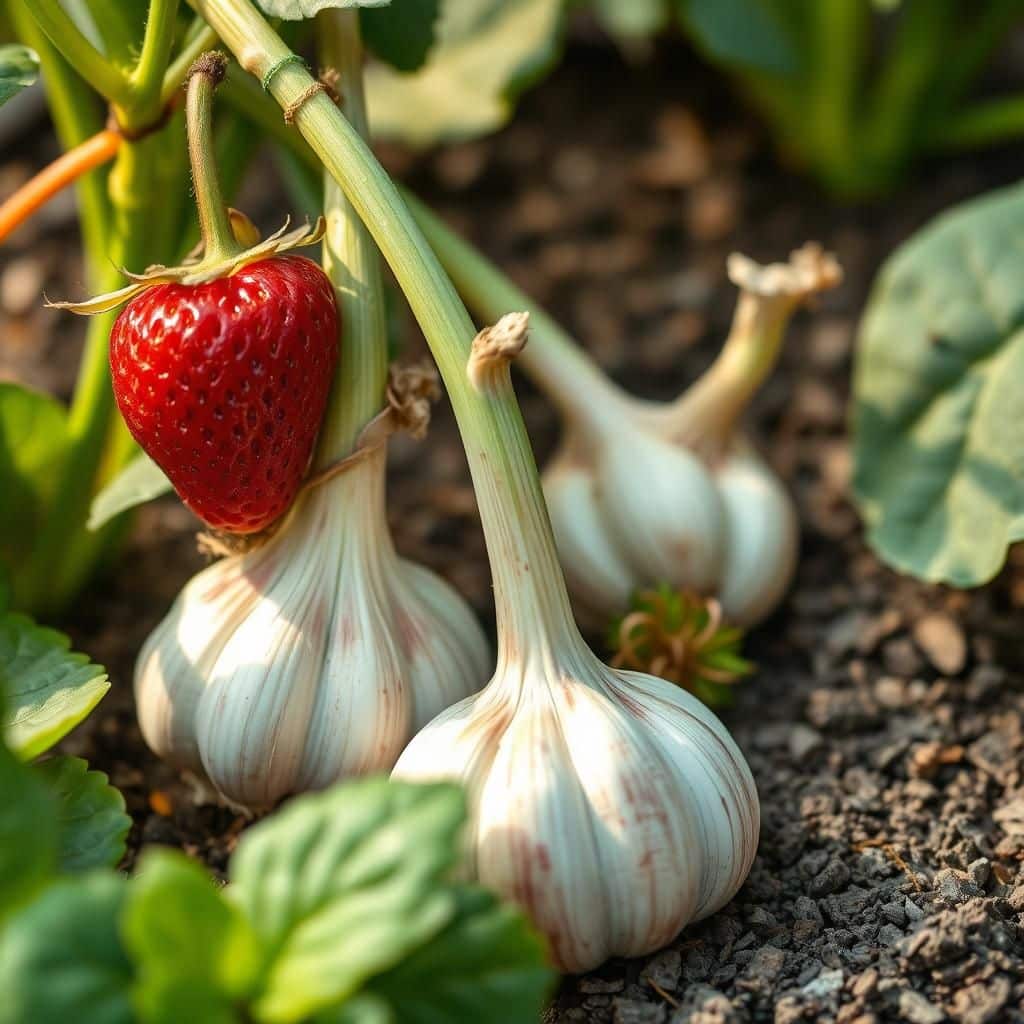
Planting strawberries next to garlic is generally considered a beneficial practice in the garden. Garlic can help deter certain pests that are harmful to strawberries, such as aphids and spider mites, while the strawberries can thrive in the nutrient-rich environment that garlic provides. Additionally, garlic's strong aroma can mask the scent of strawberries, making it harder for pests to locate the fruit. However, careful attention must be paid to spacing, light, and watering needs to ensure both plants can flourish.
Benefits of Companion Planting
Companion planting, like growing strawberries with garlic, offers numerous advantages. Garlic can repel insects and pests that may damage strawberries, thus reducing the need for chemical pesticides. Furthermore, the nutritional benefits from intermingling plants can improve overall soil health, benefiting both crops. This practice fosters a healthier growing environment, where plants can support each other's growth through natural pest management.
Optimal Growing Conditions
Both strawberries and garlic can adapt to various environments, but they thrive under specific conditions. Strawberries prefer well-drained, fertile soil with plenty of sunlight, while garlic flourishes in similar conditions, requiring at least six hours of direct sun per day. Maintaining the right moisture levels is crucial as well; overly wet conditions can lead to rot in both plants. Planting them close allows for a shared nutrient source while ensuring that their specific conditions are respected.
Pests and Diseases to Consider
When planting strawberries near garlic, it's essential to consider the pests and diseases that might affect either plant. Garlic is noted for its ability to repel certain pests, which can be advantageous for nearby strawberries. However, both plants can fall victim to diseases, such as fungal infections, if airflow and space are not adequately managed. Regular monitoring and proper garden hygiene can help prevent the establishment of diseases and ensure a thriving garden environment.
Harvesting and Maintenance
Harvesting strawberries and garlic can be a synchronized activity, but they require different harvest times. Strawberries are typically harvested in late spring to early summer, whereas garlic is harvested in mid to late summer. Proper maintenance throughout their growth cycles is vital: strawberries need consistent watering post-harvest to promote new growth, while garlic requires specific soil amendments leading up to harvest to ensure bulb size and quality.
Potential Challenges
While planting strawberries and garlic together can yield multiple benefits, there are potential challenges to consider as well. One main concern is competition for nutrients and water; if planted too closely, either plant may suffer. Additionally, if not managed carefully, garlic can grow significantly taller than strawberries, which could potentially shade them, inhibiting the strawberries’ growth. It is important to maintain appropriate distances and monitor the growth of both plants to avoid these issues.
| Plant | Compatible | Potential Issues |
|---|---|---|
| Strawberries | Garlic | Competition for nutrients |
| Garlic | Strawberries | Possible shading of strawberries |
How close can I plant garlic to strawberries?

When planting garlic near strawberries, it is generally advisable to maintain a distance of at least 12 to 18 inches between the two plants. This spacing is crucial for several reasons, including preventing the establishment of diseases and ensuring optimal growth conditions. Garlic can act as a natural pest deterrent, which is beneficial, but its vigorous growth can sometimes compete with strawberries for nutrients and space if not planted properly.
Benefits of Planting Garlic with Strawberries
Planting garlic alongside strawberries can offer several benefits that enhance the growth and health of your strawberry plants.
- Pest Control: Garlic is known for its strong scent, which can help deter common pests such as aphids and spider mites that may harm strawberries.
- Natural Fungicide: Garlic possesses antifungal properties that can help reduce the risk of fungal diseases affecting strawberries.
- Soil Health: Garlic can improve soil structure and add organic matter, which is beneficial for the overall health of strawberry plants.
Spacing Requirements for Garlic and Strawberries
To ensure both plants thrive, proper spacing is vital when planting garlic and strawberries together.
- 12 to 18 inches apart: This distance should typically be maintained to avoid competition for nutrients and water.
- Row Layout: Consider planting garlic in rows adjacent to strawberries, allowing enough space for both to grow without hindrance.
- Height Considerations: Garlic has a vertical growth habit, so it won't shade strawberries if planted at the correct distance.
Companion Planting Considerations
When planning your garden layout, it’s essential to consider the overall compatibility of garlic and strawberries.
- Companion Plant Benefits: Garlic is often paired with other plants that can benefit from its pest-repellent properties, enhancing the overall garden ecosystem.
- Potential Allelopathy: While garlic is generally beneficial, it’s important to monitor for any signs of allelopathy, where one plant might inhibit the growth of another.
- Observation: Regularly observe both plants for signs of stress or competition, adjusting spacing as necessary.
Environmental Factors
The growth of garlic and strawberries can also be influenced by various environmental factors.
See also:
- Sunlight Requirements: Ensure both plants receive adequate sunlight for optimal growth; garlic prefers full sun while strawberries thrive in similar conditions.
- Watering Needs: Monitor the watering needs, as both plants have similar requirements but must not be overwatered.
- Soil Quality: Use well-draining soil that provides both plants with essential nutrients without waterlogging.
Harvesting Techniques
Proper harvesting techniques for both garlic and strawberries are crucial for maximizing yield.
- Timing: Harvest strawberries when they are fully ripe, while garlic is best harvested when the leaves begin to brown and dry.
- Careful Handling: Be gentle when harvesting to avoid damaging neighboring plants; using tools can help minimize disturbance.
- Post-Harvest Care: Both plants require different post-harvest treatments, so ensure they are handled according to their specific needs.
What should I not plant next to strawberries?
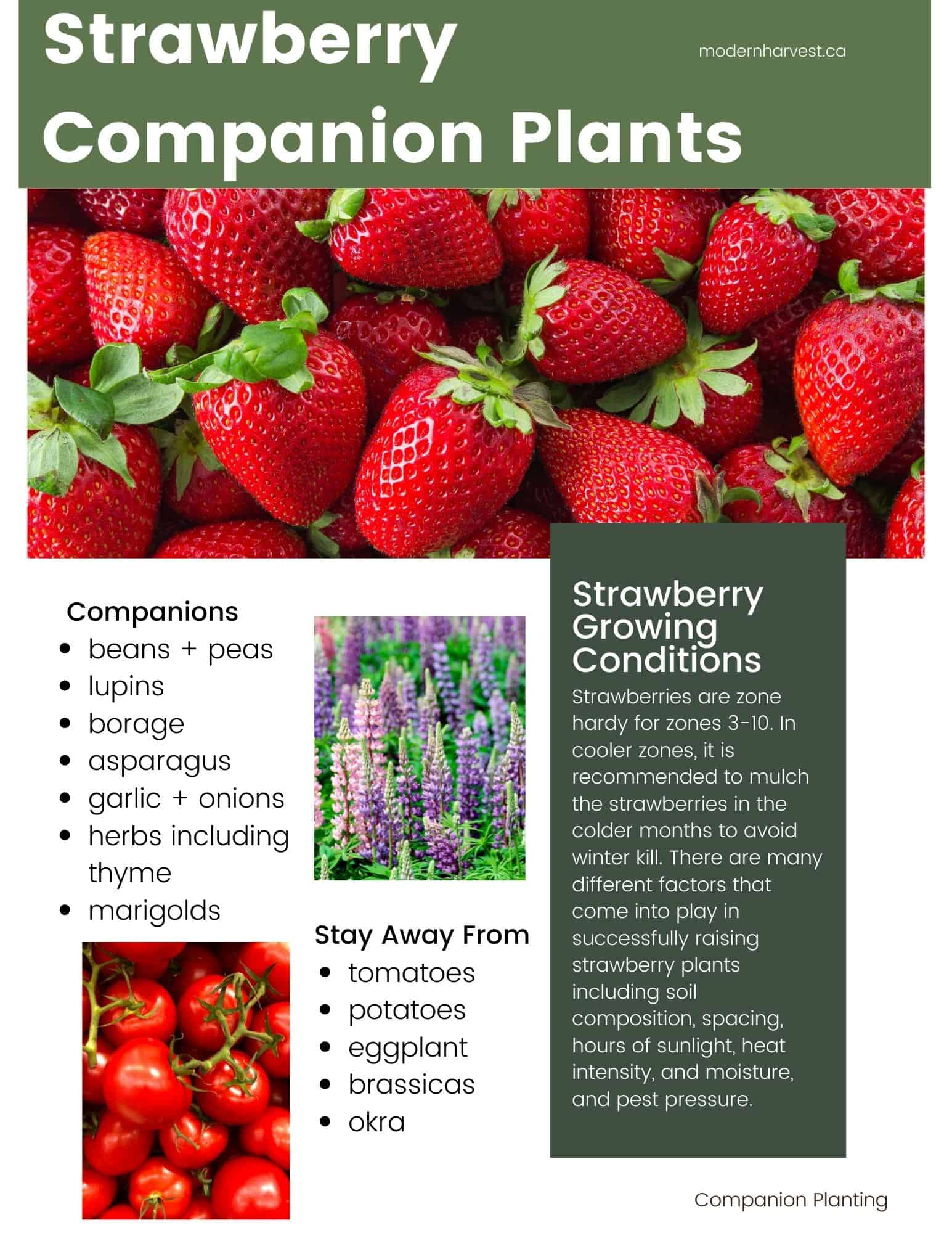
Strawberries are a popular fruit, but not all plants make suitable neighbors for them. To ensure healthy growth and productivity, it’s essential to avoid planting certain species nearby. Here are some plants that should not be planted next to strawberries:
1. Brassicas
Brassicas, which include vegetables like cabbage, broccoli, and kale, can hinder strawberry growth. They release certain chemicals that negatively affect the root systems of strawberries, leading to poor development and disease susceptibility.
- Compete for resources such as nutrients and water.
- Release allelopathic chemicals that inhibit strawberry growth.
- Attract pests that could transfer to strawberries.
2. Potatoes
Potatoes and strawberries belong to the same plant family, which makes them susceptible to similar diseases and pests. Planting them near each other can create an environment conducive to disease spread.
- Both are prone to root rot and other diseases.
- They may attract common pests like the Colorado potato beetle.
- They compete for the same nutrients in the soil.
3. Tomatoes
Tomatoes are another member of the nightshade family, similar to potatoes. Growing tomatoes too close to strawberries can lead to increased vulnerability to certain pests and diseases.
- Risk of fungal diseases spreading between the plants.
- Tomatoes may outcompete strawberries for light and nutrients.
- Both plants attract similar pests, increasing the risk of infestations.
4. Peppers
Like tomatoes, peppers are also part of the nightshade family and share similar vulnerabilities. This proximity can lead to a higher likelihood of pest issues and diseases affecting both crops.
- Increased risk of diseases such as blight.
- Competition for essential nutrients, leading to poor strawberry yield.
- Mutual attraction of pests that can harm both plants.
5. Mint
Mint can be quite invasive and is best kept in a controlled space. Its aggressive growth can overshadow strawberries and compete for resources.
- Mint can spread aggressively, overshadowing strawberry plants.
- Competes for nutrients and water in the soil.
- May attract different pests that do not affect strawberries, complicating pest management.
What should you not plant close to garlic?
Planting garlic is a popular gardening practice, but certain plants can negatively affect garlic growth if planted nearby. It is important to understand which plants should be kept at a distance from garlic for optimal growth and flavor.
Plants That Deter Garlic Growth
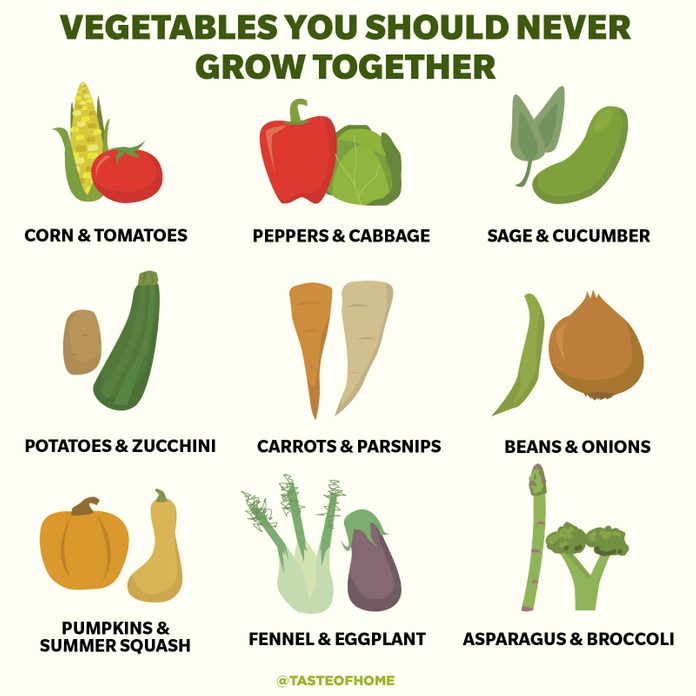
Garlic can be easily affected by the presence of certain plants that either inhibit its growth or compromise its health. Planting companion plants that thrive alongside garlic can help enhance its growth, whereas others can lead to diminished yields. Here are some plants to avoid planting close to garlic:
- Beans: Beans are known to be poor companions for garlic because they compete for nutrients and space.
- Peas: Similar to beans, peas can inhibit garlic growth by stealing vital nutrients from the soil.
- Onions: While both are alliums, planting garlic close to onions can lead to problems due to similar diseases affecting the family.
Diseases Transmission Risk
Certain plants can be carriers of diseases that may affect garlic if planted too close. This includes pathogens that thrive in similar environments and can spread easily between plant species.
- Tomatoes: These can harbor diseases that may infect garlic if the soil is contaminated.
- Potatoes: Also susceptible to blight, potatoes in close proximity to garlic can increase the risk of infection.
- Carrots: They can attract pests that might also affect garlic crops, such as root maggots.
Soil Nutrient Competition
Garlic requires specific nutrients to flourish, and planting it near certain crops can lead to nutrient competition, which may stunt growth.
See also:
- Corn: Corn consumes a considerable amount of nitrogen, leaving less available for garlic.
- Sunflowers: These are heavy feeders and can deplete the soil, impacting garlic's nutrient access.
- Squash: They have deep root systems that can compete for moisture and soil nutrients.
Pest Attraction
Some plants can attract pests that are detrimental to garlic. This can lead to increased pest pressure, making it harder to grow healthy garlic.
- Beets: They can attract aphids, which can also affect garlic.
- Rhubarb: While not usually affected themselves, they can host pests that may spread to garlic.
- Asparagus: These can draw in harmful insects that may target garlic plants as well.
Flavor Complications
Certain plants can compromise the flavor of garlic. This might happen due to competing fragrances or flavor profiles that can blend together.
- Fennel: Known to affect the taste of other aromatic herbs, fennel can alter the flavor of garlic.
- Sweet Potatoes: These can have a strong aroma that might interfere with the garlic's distinctive taste.
- Mint: The vigorous growth of mint can overshadow garlic flavors, impacting their savor.
What should not be planted after garlic?

Certainly!
Garlic is a popular crop in home gardens, but careful planning is necessary regarding what to plant after harvesting it. Certain plants can suffer from poor growth or pest issues if planted directly after garlic due to allelopathy, nutrient depletion, or pest and disease carryover.
Companions to Avoid After Garlic
When planning the following crop rotation, certain plants can be detrimental if planted after garlic. These include:
- Onions - As they belong to the same family (Allium), they can be more susceptible to similar pests and diseases.
- Leeks - Like onions, leeks are also part of the Allium family, and planting them right after garlic can lead to poor growth due to shared nutrient requirements.
- Chives - These are also Alliums, and planting them after garlic can increase the chances of diseases affecting both crops.
Plants Susceptible to Pests
After garlic, planting plants that attract similar pests can lead to increased infestations. Avoid the following:
- Tomatoes - These can attract similar pests that garlic repels but can later fall prey to them within the same growing season.
- Peppers - Similar to tomatoes, peppers may invite specific insect problems that garlic doesn’t repel.
- Eggplants - These can also face the same pest pressures, leading to reduced productivity if planted too soon after garlic.
Nitrogen-Rich Plants
Garlic is a heavy feeder, and planting nitrogen-loving plants immediately after can deplete the soil further. Consider avoiding:
- Beans - While beneficial to nitrogen replenishment, they may struggle if garlic has drained the soil nutrients too much.
- Peas - Similar to beans, they thrive on nitrogen but might not perform well following a garlic crop.
- Comfrey - This is often used for nutrient uptake but should be planted elsewhere if garlic has heavily depleted the soil.
Allergenic or Invasive Plants
Certain plants may attract pests or diseases that garlic can leave behind, leading to challenges. It's prudent to skip:
- Sunflowers - They may attract pests attracted to garlic residue in the soil.
- Mint - Their robust growth can hinder other crops and might complicate pest management.
- Comfrey - While useful for nutrient cycling, they can also exacerbate pest issues from the previous crop.
Crops with Similar Disease Susceptibility
Certain other crops may be susceptible to the same diseases that affect garlic. Therefore, it’s wise to avoid:
- Asparagus - If garlic has been infested with specific diseases, asparagus might carry the same risk.
- Strawberries - They can be similarly affected and may not thrive following garlic’s cultivation.
- Brassicas - These can suffer from diseases shared with garlic and experience stunted growth if planted too soon.
Questions from Our Readers
Can you plant strawberries next to garlic?
Yes, you can plant strawberries next to garlic. Garlic can help deter certain pests that may affect strawberries, making them a good companion plant. However, it's important to ensure that both plants have enough space for their roots to grow without competition.
What are the benefits of planting strawberries and garlic together?
Planting strawberries and garlic together can provide various benefits including pest control and improved soil health. Garlic is known to repel aphids and other pests, which can help strawberries thrive without as many chemical interventions.
Are there any drawbacks to planting strawberries near garlic?
While there are many advantages, potential drawbacks include the possibility of competition for nutrients between the two plants, especially if the soil is not fertile enough. It's essential to monitor their growth and ensure that both plants are receiving the care they need.
See also:
What is the best way to plant strawberries and garlic together?
The best way to plant strawberries and garlic together is to space them out adequately. Ensure that the garlic is planted in a well-draining area and consider using organic mulch to help retain moisture while also keeping the two plants separate enough to prevent competition.

If you want to read more articles like Can You Plant Strawberries Next to Garlic? Tips for Successful Companion Gardening, we recommend you check out our Berries category.
Leave a Reply
Related Articles