Can You Plant Berry Bushes Next to Each Other? Tips for Companion Planting

When planning a berry garden, the arrangement of your bushes can significantly impact their health and productivity. Many gardeners wonder if they can plant berry bushes next to each other and how to optimize their growth through companion planting. This article explores the benefits and drawbacks of crowding berry bushes, offering practical tips for successful planting combinations. From enhancing pollination to deterring pests, understanding the nuances of companion planting can lead to a thriving berry patch. Join us as we delve into the best practices for positioning your berry bushes side by side for maximum yield and vitality.
Can You Plant Berry Bushes Next to Each Other?
Yes, you can plant berry bushes next to each other, but it is essential to consider the specific varieties you choose and the space they require. For example, bushes like blueberries, raspberries, and blackberries will thrive better with adequate spacing to promote airflow and reduce the risk of disease. Different berry varieties may have distinct growth habits, with some spreading more than others, so it's crucial to follow the recommended planting guidelines for each type. Additionally, planting in groups can be beneficial for pollination, leading to a better yield, while overcrowding can lead to nutrient competition and reduced fruit production.
Benefits of Planting Berry Bushes Together
Planting berry bushes together can enhance pollination efficiency, especially for varieties that require cross-pollination. This close proximity usually attracts pollinators more effectively, thus improving fruit set and yield. Furthermore, when grouped, plants can provide mutual shade and microclimates that protect them from extreme weather conditions. Additionally, planting them together can create a more organized and aesthetically pleasing garden layout, making it easier to manage. However, be cautious about the spacing to avoid overcrowding, which could lead to various issues.
Spacing Guidelines for Different Berry Varieties
Different types of berry bushes have varying needs regarding spacing. For instance, blueberries should typically be spaced about 4-5 feet apart, while raspberries can thrive with 2-3 feet of space between them. Blackberries, on the other hand, like to have 3-4 feet between plants. These spacing guidelines help ensure each plant receives sufficient sunlight, moisture, and nutrients, contributing to their healthy growth and maximizing fruit production. Always consult specific growing resources for each variety to optimize their final spacing requirements.
Potential Issues with Overcrowding Berry Bushes
Planting berry bushes too closely can lead to several issues, such as reduced airflow, which increases the likelihood of fungal diseases and pests. Furthermore, overcrowding can result in competition for nutrients and water, ultimately reducing the overall health and productivity of the plants. The shaded conditions created by overcrowded bushes may inhibit growth and fruiting, as each bush may not receive enough sun throughout the day. Thus, it's vital to maintain adequate spacing for the long-term health and performance of your berry plants.
Companion Planting with Berry Bushes
Some gardeners may choose to implement companion planting, which involves placing different types of plants close together to promote growth and health. When planting berry bushes, it can be beneficial to include herbs like thyme or chamomile, which can help repel pests. Similarly, planting clover nearby can improve soil health by fixing nitrogen, creating a better environment for berry bushes. However, it's essential to research each planting combination to ensure that they are compatible and will not hinder each other’s growth.
Best Practices for Planting Berry Bushes
To successfully plant berry bushes, it is crucial to follow best practices such as ensuring well-draining soil, proper sunlight exposure, and adequate watering techniques. When preparing the planting area, clear away any debris and amend the soil with organic matter to boost fertility. Prior to planting, soak the roots of any bare-root plants for several hours to promote moisture retention. Once planted, it is vital to mulch the area to retain moisture and suppress weeds, while routinely checking for any signs of disease or pests for early intervention.
| Berry Variety | Recommended Spacing | Cross-Pollination Needed? |
|---|---|---|
| Blueberries | 4-5 feet | No |
| Raspberries | 2-3 feet | Yes |
| Blackberries | 3-4 feet | No |
Can you plant berry bushes together?
:strip_icc()/berries-in-container-7561481-e74800650a4f45a59047e34cfa5650a2.jpg)
Yes, you can plant berry bushes together, and many gardeners choose to do so for a variety of reasons. When planting multiple berry bushes in close proximity, it's essential to consider factors such as space, pollination, and disease management. Different berry bushes can thrive together, provided they have similar soil, sunlight, and water requirements. However, careful planning is necessary to ensure that they do not compete for resources excessively.
Benefits of Planting Berry Bushes Together
Planting berry bushes together can offer several advantages that enhance both growth and yield. These benefits may include:
- Increased Pollination: Some berry bushes, such as raspberries and blackberries, benefit from cross-pollination, which can lead to higher fruit production.
- Efficient Use of Space: Combining different berry plants can maximize your garden’s yield from a smaller area.
- Enhanced Biodiversity: A mix of plants often attracts a variety of beneficial insects, contributing to a healthier ecosystem in your garden.
Choosing Compatible Berry Bushes
To successfully plant berry bushes together, it is crucial to select species that are known to be compatible. Compatibility often deals with their growth habits, nutritional needs, and susceptibility to diseases. Some suitable pairings include:
- Strawberries and Raspberries: Both plants can thrive in similar soil conditions and light exposure.
- Blueberries and Cranberries: They require acidic soil and thrive well together.
- Blackberries and Boysenberries: These berry types have similar growth patterns and environmental preferences.
Spacing Requirements for Berry Bushes
When planting berry bushes together, adequate spacing is vital to reduce competition for resources and allow for proper air circulation. Proper spacing helps prevent the spread of diseases and promotes healthy growth. Here are some spacing guidelines:
- Raspberries: Space them about 2-3 feet apart for optimal growth.
- Blackberries: A spacing of 3-4 feet is recommended to allow room for their sprawling growth.
- Blueberries: Plant them at least 4-5 feet apart to ensure they have enough space to flourish.
Disease Management When Planting Together
Planting berry bushes closely can lead to increased risks of disease transmission; therefore, it is crucial to implement effective disease management strategies. Here are some tips to keep your plants healthy:
See also:
- Regular Inspection: Frequently check plants for signs of disease or pests to catch issues early.
- Soil Health: Use well-drained, nutrient-rich soil to minimize stress on plants and susceptibility to disease.
- Crop Rotation: Avoid planting the same species in the same location year after year to reduce soil-borne diseases.
Irrigation Techniques for Grouped Berry Bushes
When planting multiple berry bushes together, proper irrigation is crucial to ensure all plants receive adequate moisture without overwatering. Here are effective irrigation techniques to consider:
- Drip Irrigation: This method delivers water directly to the base of each bush, minimizing waste.
- Soaker Hoses: These can be laid along the plant rows to provide an even distribution of moisture.
- Mulching: Apply organic mulch to help retain soil moisture and reduce competition from weeds.
What berries can grow next to each other?
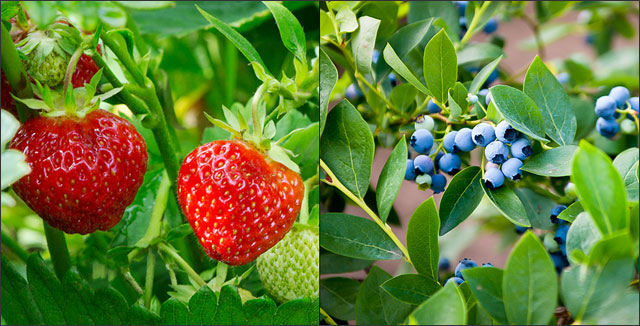
Berries are a popular choice for home gardeners due to their delicious flavors and versatility in culinary applications. When planning a berry garden, it’s essential to understand which species can thrive in close proximity, as some can benefit from companion planting, while others may compete for nutrients or space. Below are several types of berries that can successfully grow next to each other.
Strawberries and Spinach
Strawberries (Fragaria × ananassa) can be a great companion for spinach (Spinacia oleracea). Strawberries prefer a sunny spot with well-drained soil, while spinach can thrive in partially shaded areas. Planting these two together can lead to healthier growth for both as they can share the space effectively.
- Strawberries prefer sunny locations but can tolerate partial shade.
- Spinach can benefit from the shade provided by strawberry plants during hot weather.
- Their differing growth patterns minimize competition for resources.
Blueberries and Thyme
Blueberries (Vaccinium spp.) and thyme (Thymus vulgaris) are excellent neighbors in the garden. Blueberries thrive in acidic soils, while thyme prefers slightly alkaline conditions. However, thyme’s low growth habit can help suppress weeds around blueberry bushes.
- Blueberries benefit from minimized weed competition.
- Thyme’s aromatic foliage can deter pests that affect blueberries.
- This combination can enhance the flavor profile of dishes prepared with both ingredients.
Raspberries and Marigolds
Raspberries (Rubus idaeus) pair well with marigolds (Tagetes spp.). The vibrant flowers of marigolds serve as effective pest deterrents due to their natural insect-repelling properties, which can benefit raspberries by keeping harmful pests away.
- Raspberries can be vulnerable to pests, making marigolds an excellent companion.
- Marigolds add beauty to the garden while enriching the soil.
- This partnership can lead to higher yields of raspberries.
Blackberries and Corn
Blackberries (Rubus fruticosus) can grow well alongside corn (Zea mays). The tall corn stalks provide a natural support structure for the blackberry vines, while the blackberry plants can add a decorative element and can also help suppress weeds around corn.
- Corn provides vertical growth that supplements blackberry vine support.
- Blackberries can help with soil retention around corn roots.
- This duo creates a rich diversity beneficial to pest control.
Cranberries and Blueberries
Cranberries (Vaccinium macrocarpon) and blueberries can share a garden space effectively due to their similar soil and water requirements. Both thrive in acidic, moist conditions and can benefit from each other’s presence in terms of pollination.
- Cranberries require wet soil, similar to the needs of blueberries.
- Both plants attract pollinators, enhancing fruit set rates.
- They can create a biodiverse environment that supports healthy growth.
Can you plant blackberry bushes next to blueberry bushes?

Yes, you can plant blackberry bushes next to blueberry bushes, but there are several important factors to consider to ensure both plants thrive. While these two types of berries can coexist, they have different needs that must be addressed to avoid competition for nutrients, water, and light.
Planting Compatibility
When considering planting blackberry bushes alongside blueberry bushes, it's essential to understand their compatibility. Although they can grow together, one might inhibit the growth of the other if their requirements aren't aligned properly.
- Space Requirements: Both plants need sufficient space to grow without interference. Ensure that the roots have room to expand.
- Growth Habits: Blackberries are typically more vigorous and may overshadow blueberry bushes.
- Water and Nutrient Needs: Assess the needs of both plants to prevent competition for resources.
Soil Conditions
Soil conditions are crucial for the success of both blackberry and blueberry bushes. Blueberries prefer acidic soil (pH 4.5 to 5.5), while blackberries are more adaptable to a variety of pH levels.
- pH Level: Test the soil pH and amend it accordingly to favor both plants.
- Drainage: Ensure proper drainage as both bushes dislike waterlogged roots.
- Organic Matter: Incorporate organic matter to improve soil fertility and structure.
Light Requirements
Both plants require full sun, but their tolerance to partial shade varies. Proper exposure to sunlight is vital for optimal fruit production.
See also:
- Full Sun Exposure: Aim for a minimum of 6-8 hours of sunlight per day for both types of bushes.
- Shading Effects: Consider how taller plants might create shade that could affect blueberry growth.
- Plant Arrangement: Plan the layout so that blackberries don’t outgrow their space and block sunlight from blueberries.
Maintenance Practices
The maintenance of both types of bushes is essential to ensure they thrive when planted next to each other. Pruning and care must be tailored to each species.
- Pruning: Regular pruning of blackberries can prevent them from taking over and provide adequate airflow.
- Pest Management: Monitor for pests that may target both bushes, as they can spread quickly.
- Fertilization: Use appropriate fertilizers for both plants, considering the different nutrient preferences.
Pest and Disease Considerations
Both blackberry and blueberry bushes can be susceptible to various pests and diseases, which could be exacerbated by their proximity.
- Pest Cross-Contamination: Be alert for pests that may simultaneously affect both types of plants.
- Disease Spread: Some diseases may spread quickly among closely planted bushes.
- Prevention Measures: Implement pest management strategies that are effective for both plants.
Can I plant blackberries and raspberries next to each other?

Yes, you can plant blackberries and raspberries next to each other. Both belong to the same genus, Rubus, and share similar growing conditions, making them compatible for cultivation in close proximity. However, there are some important considerations to keep in mind to ensure successful growth and avoid potential problems.
Understanding Growth Habits
Both blackberries and raspberries are bramble fruits, which means they have a similar creeping growth habit. Understanding their growth patterns is crucial when planting them next to each other.
- Cane development: Blackberries and raspberries produce canes that can spread quickly.
- Maintenance: Regular pruning is essential to manage their growth and avoid overcrowding.
- Support needs: Consider installing trellises, as both plants benefit from vertical growth and support.
Space Requirements
While planting these berries together is possible, providing adequate space is vital for their health and productivity.
- Spacing guidelines: Aim for at least 2-3 feet of space between each plant to ensure airflow and sunlight.
- Root competition: Adequate spacing minimizes competition for nutrients and water in the soil.
- Avoiding overcrowding: Proper spacing helps prevent disease and pest infestations that thrive in crowded conditions.
Soil and Nutrient Needs
Both blackberries and raspberries require nutrient-rich, well-draining soil. Understanding their soil preferences can enhance growth when planted together.
- Soil pH: Aim for a soil pH of 5.5 to 6.5 for optimal growth of both plants.
- Nutrient requirements: Both need plenty of organic matter and nutrients, such as nitrogen, in the soil.
- Regular testing: Conduct soil tests to ensure the right nutrient balance for both plants.
Disease and Pest Management
Planting blackberries and raspberries together can risk spreading diseases and pests. Monitoring and management are crucial.
- Pest identification: Common pests include aphids and spider mites; keep an eye out for these.
- Disease prevention: Diseases like rust and cane blight can affect both; practice crop rotation and sanitation.
- Integrated pest management: Implement organic pest control methods to minimize damage to both plants.
Harvesting Considerations
When planting blackberries and raspberries together, it’s important to consider their harvesting times and techniques.
- Harvest times: Different varieties may have varying harvest times; plan accordingly.
- Yield comparison: Ensure to identify which variety produces more yields to prioritize your harvesting efforts.
- Harvesting method: Use gentle techniques to avoid damaging neighboring plants during the harvesting process.
Questions from Our Readers
Can you plant berry bushes next to each other?
Yes, you can plant berry bushes next to each other, but it's important to consider the specific types of berries, as some may require more space than others to thrive. Overcrowding can lead to competition for nutrients and sunlight, which can affect the overall health of the plants.
What is the ideal spacing for berry bushes?
The ideal spacing for berry bushes varies depending on the species, but generally, they should be spaced about 2 to 3 feet apart to allow for adequate airflow and growth. This spacing helps to reduce the risk of disease and ensures that each plant has enough resources to flourish.
Can different types of berry bushes be planted together?
You can plant different types of berry bushes together, provided they have similar growing conditions and care requirements. For instance, pairing plants like blueberries and raspberries can be beneficial, as long as they don’t compete excessively for nutrients or space.
Will planting berry bushes too close affect their yield?
Yes, planting berry bushes too close together can negatively impact their yield. Overcrowding can lead to reduced fruit production, as plants may not receive enough light, water, or nutrients, ultimately resulting in smaller and fewer berries.
See also:

If you want to read more articles like Can You Plant Berry Bushes Next to Each Other? Tips for Companion Planting, we recommend you check out our Berries category.
Leave a Reply
Related Articles