What Can I Put on My Hostas to Make Them Grow Bigger? Top Tips for Lush Foliage

Hostas are beloved for their lush foliage and vibrant colors, making them a popular choice in gardens around the world. However, many gardeners wonder how to maximize the size and health of these resilient plants. To achieve bigger, greener hostas, it's essential to understand their specific needs and the factors that contribute to their growth. In this article, we will explore top tips and effective strategies for nurturing your hostas, including the best fertilizers, soil amendments, and care techniques. By following these guidelines, you can create a thriving environment that promotes lush, expansive foliage and enhances the beauty of your garden.
What Can I Put on My Hostas to Make Them Grow Bigger?
To encourage your hostas to grow bigger, consider applying a combination of organic fertilizers, well-rotted compost, and maintaining optimal soil moisture. A balanced fertilizer with a higher middle number in the N-P-K ratio, such as a 5-10-5, can promote robust leaf development. Additionally, incorporating compost into the soil improves nutrient availability and enhances soil structure. Ensuring proper watering practices, especially during dry spells, will support their growth, as these plants thrive in consistent moisture. Remember to mulch around the base of the hostas to retain moisture and suppress weeds, allowing them to focus their energy on growing larger and healthier.
Organic Fertilizers
Using organic fertilizers is a great way to provide essential nutrients that help hostas grow. Products such as bone meal, fish emulsion, or seaweed extract can enhance the soil's nutrient profile naturally. These fertilizers release nutrients slowly, which helps prevent nutrient burn and supports a steady growth rate. Make sure to follow the instructions on the packaging for optimal results.
Compost Benefits
Incorporating compost into your garden soil provides a rich source of micro-nutrients and beneficial microbes that improve overall soil health. It enhances the drainage and aeration of the soil while also helping retain moisture around the roots of your hostas. Mixing compost into the planting area before setting the hostas can create an ideal growing environment, ensuring that the plants have access to the nutrients they need throughout the growing season.
Proper Watering Techniques
Maintaining consistent moisture is crucial for the health of your hostas. They prefer well-drained but moist soil, so regular watering is necessary, especially during hot and dry spells. A deep watering once or twice a week is more beneficial than light surface watering, as it encourages deeper root growth. Consider using drip irrigation or soaker hoses to efficiently deliver water directly to the roots without soaking the leaves, which can help prevent diseases.
Mulching for Growth
Adding mulch around your hostas can significantly aid in their growth by helping to regulate soil temperature and moisture levels. Organic mulches, such as bark chips or shredded leaves, not only retain moisture but also break down over time to enrich the soil with organic matter. A layer of about 2-3 inches of mulch will help suppress weeds as well, ensuring that your hostas can utilize nutrients and water more effectively.
See also:
Sunlight and Location
Selecting the right location for your hostas is essential for optimal growth. While hostas can tolerate some sunlight, they typically thrive in partial shade to full shade conditions. Too much direct sunlight can scorch their leaves, leading to stunted growth. When planting, try to choose areas that receive morning sunlight and afternoon shade, as this balance allows for healthy growth without sun damage.
| Factor | Recommendation |
|---|---|
| Fertilizer Type | Organic options like bone meal or fish emulsion |
| Soil Amendment | Incorporate well-rotted compost |
| Watering Schedule | Deep watering once or twice a week |
| Mulch Depth | 2-3 inches of organic mulch |
| Sunlight Requirement | Partial shade to full shade |
What can I put on my hostas to make them grow?
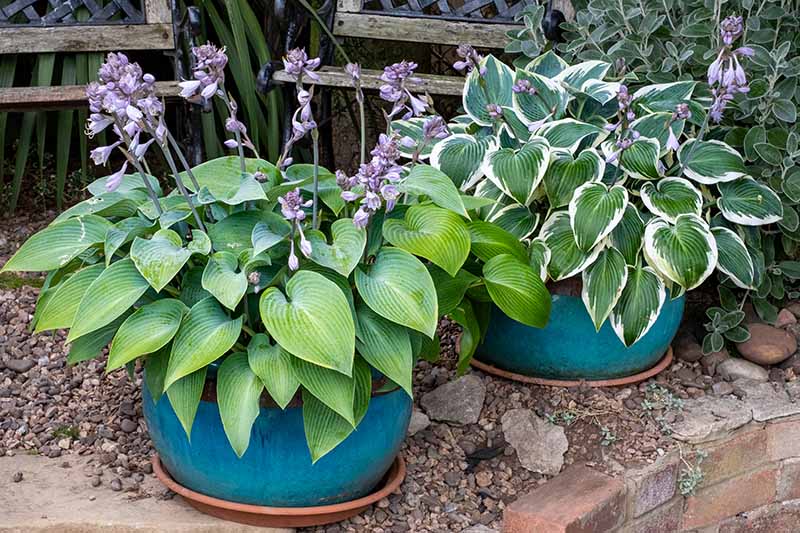
To promote healthy growth in your hostas, several amendments and treatments can be beneficial. Here are some options to consider:
Soil Amendments
Improving the soil around your hostas can significantly enhance their growth. The following amendments can be considered:
- Compost: Adding well-rotted compost enriches the soil with nutrients and improves its structure for better moisture retention.
- Pine Bark Mulch: This enhances acidity in the soil and provides a slow release of nutrients.
- Organic Fertilizers: Products such as fish emulsion or sea kelp can boost nutrient content without the risk of burning roots.
Watering Practices
Proper watering is crucial for hostas, especially during dry periods. Here are effective watering practices:
- Consistent Moisture: Ensure that the soil is consistently moist but not waterlogged, as hostas prefer hydrated conditions.
- Watering Early: Water early in the morning to reduce evaporation and prevent disease.
- Soaker Hoses: Consider using soaker hoses to provide deep watering directly to the soil, encouraging root expansion.
Sunlight Exposure
Hostas thrive in specific lighting conditions. Understanding their light needs is essential:
See also:
- Filtered Sunlight: Most hostas prefer partial to full shade; avoid placing them in direct sunlight which can scorch their leaves.
- Morning Sun: Some varieties can tolerate morning sun; evaluate your specific hosta type’s capabilities.
- Location Adjustments: If your hostas aren’t thriving, reconsider their location based on sunlight exposure.
Pest Management
Pests can hinder the growth of hostas, so implementing management strategies is important:
- Regular Inspection: Check regularly for pests like slugs and snails; early detection can prevent larger infestations.
- Natural Predators: Encourage natural predators such as birds and beneficial insects to keep pest populations in check.
- Organic Treatments: Use organic deterrents like diatomaceous earth or copper tape to protect against unwanted pests.
Seasonal Care
Understanding how to care for your hostas during different seasons is vital for their growth:
- Spring Fertilization: Apply a balanced fertilizer in early spring to kick-start growth.
- Summer Maintenance: Regularly check for weeds and mulch to retain moisture and reduce competition.
- Fall Cleanup: Remove dead foliage and debris in the fall to prevent disease and pest harboring before dormancy.
Questions from Our Readers
What type of fertilizer is best for hostas to promote growth?
To promote the growth of hostas, it's recommended to use a balanced fertilizer that has equal parts of nitrogen, phosphorus, and potassium, typically labeled as 10-10-10. Additionally, an organic option like compost or well-rotted manure can provide the necessary nutrients and improve soil quality.
How important is sunlight for the growth of hostas?
While hostas thrive in shaded to partially shaded areas, they still need some indirect sunlight to grow bigger. Providing them with the correct amount of light can enhance leaf color and overall health, leading to more robust plants.
Can I use mulch to help my hostas grow larger?
Yes, using organic mulch around your hostas can help retain moisture, regulate soil temperature, and suppress weeds. This promotes a healthier root environment, which can result in larger growth and increased vitality in your plants.
How often should I water my hostas for optimal growth?
Hostas prefer consistently moist soil, so it's essential to water them regularly, especially during dry spells. A good rule of thumb is to ensure they receive about 1 inch of water per week, either from rainfall or supplemental watering, to promote healthy growth and prevent stress.
See also:

If you want to read more articles like What Can I Put on My Hostas to Make Them Grow Bigger? Top Tips for Lush Foliage, we recommend you check out our Hostas category.
Leave a Reply
Related Articles