What Not to Plant Next to Hostas? 10 Plants to Avoid for a Thriving Garden
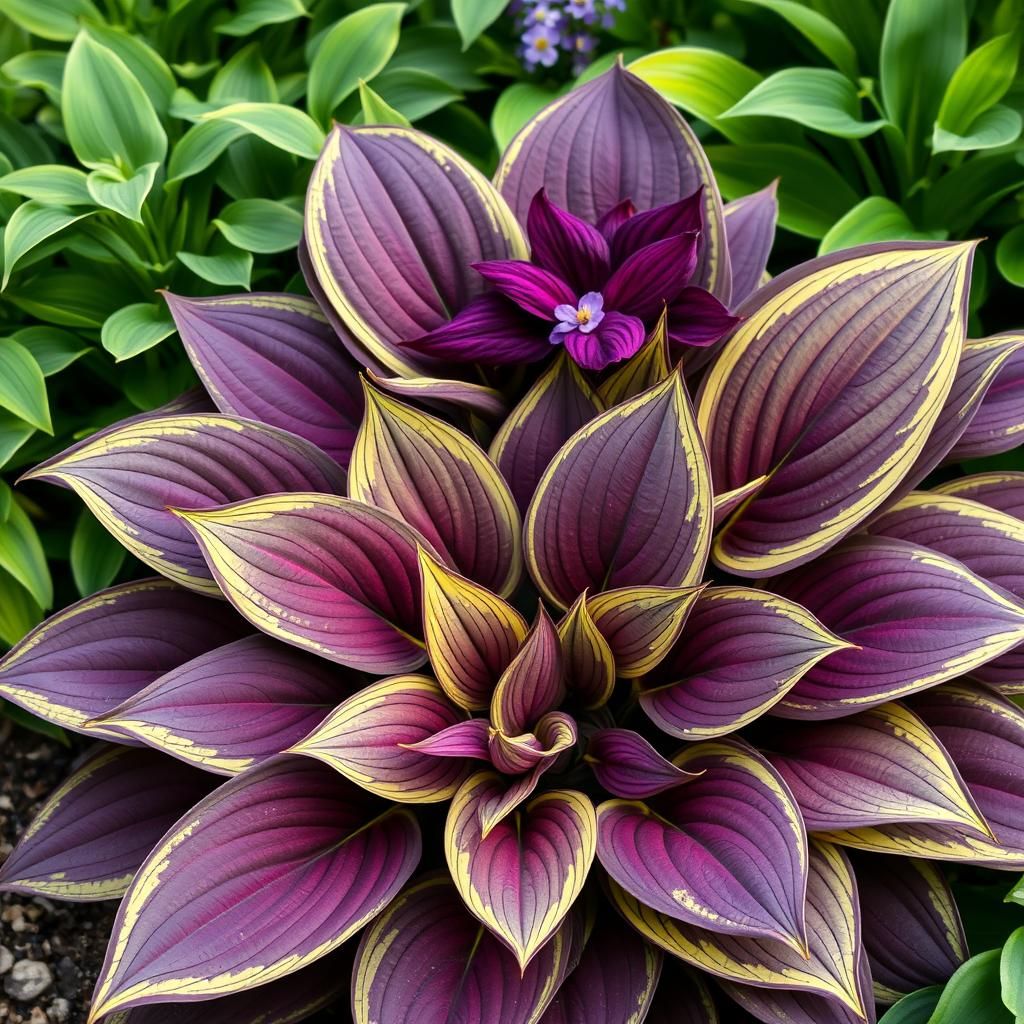
When planning a garden that includes hostas, choosing companion plants is crucial for fostering a thriving environment. Hostas, with their lush foliage and shade-loving nature, can be sensitive to their surroundings. Certain plants may compete for nutrients, light, or space, ultimately hindering the growth and health of hostas. In this article, we will explore ten specific plants to avoid planting next to hostas, ensuring your garden remains vibrant and balanced. By understanding which plants clash with hostas, gardeners can cultivate a harmonious landscape that highlights the beauty of these beloved shade dwellers.
What Not to Plant Next to Hostas
When planning your garden, it is essential to consider which plants to avoid planting next to hostas, as this can significantly affect their growth and overall health. Hostas thrive in shaded areas and require consistent moisture, so plants that prefer full sun or have aggressive root systems, such as cacti or certain ornamental grasses, can outcompete hostas for nutrients and water. Additionally, companion plants that attract pests, like tomatoes, can lead to issues that may adversely affect the hosta's vitality. To create a harmonious garden environment, it's wise to choose accompanying plants that will respect the hostas' space and growing conditions.
Sun-Loving Plants
Sun-loving plants such as lavender and sundrops should not be planted next to hostas because these species thrive in direct sunlight and can overwhelm the shade-loving nature of hostas. As hostas prefer dappled shade conditions, they may struggle against the competition for available light and moisture from self-sufficient sun-loving plants.
Aggressive Ground Covers
Aggressive ground covers like mint and vinca can choke hostas if planted nearby. Their rapid growth and extensive root systems can outcompete the hostas for both nutrients and water, leading to a scenario where the hostas become stunted or even killed off due to lack of resources. It’s advisable to keep vigorous growers far apart from hostas.
Heavy-Feeders
Heavy-feeding plants, such as corn or sunflowers, are not ideal companions for hostas. These plants require significant nutrients that can deplete the soil, leaving the hostas without the essential nourishment they need to thrive. Moreover, the competition for resources can prevent hostas from reaching their growth potential, which is counterproductive to cultivating a lush garden.
Pest-Attracting Plants
Certain plants, such as tomatoes and peppers, can attract pests that may also affect hostas. When planted too closely, these hosta neighbors might increase the risk of pest infestations, leading to potential damage not only to themselves but to the hostas as well. Keeping pest-attracting plants away from hostas can help maintain their health and resilience against common diseases.
Plants with Invasive Roots
Invasive-rooted plants like blackberries and certain types of bamboo pose a significant threat to hostas. These species can spread aggressively and impact the soil structure, siphoning off moisture and nutrients essential for the healthy growth of hostas. To ensure the longevity and vibrancy of hostas, it's crucial to prevent these invasive species from encroaching on their territory.
| Plant Type | Reason for Avoidance |
|---|---|
| Sun-Loving Plants | Require more sunlight and compete for moisture. |
| Aggressive Ground Covers | Can choke and overwhelm hostas. |
| Heavy-Feeders | Deplete soil nutrients needed by hostas. |
| Pest-Attracting Plants | Bring pests that can harm hostas. |
| Invasive Roots | Compete aggressively for resources. |
What plants look best with hosta?
:max_bytes(150000):strip_icc()/GettyImages-1152595222-e7d8aa7b84454179ae331770b658d682.jpg)
Companion Plants for Hosta
Hostas are known for their lush foliage and are often used in shaded gardens. To complement their beauty, several plants serve as excellent companions. These plants not only thrive in similar conditions, but they also enhance the aesthetic appeal of a garden. Some of the best companion plants for hostas include:
- Ferns - Their delicate fronds provide a beautiful contrast to the broad leaves of hostas.
- Astilbe - The fluffy flower spikes of astilbe add color and texture to shade gardens.
- Brunnera - Known for its small blue flowers, brunnera complements hostas nicely with its attractive foliage.
- Heuchera - Its colorful leaves can add vibrant contrasts to a hosta palette.
- Lungwort - With spotted leaves and pretty blooms, it enhances the visual interest around hostas.
Color Contrast with Flowers
Incorporating flowering plants with hostas can create a stunning display. Select plants that flower in contrasting colors to enhance the presence of hostas. Consider plants like:
See also:
- Columbine - Its unique flowers in shades of blue, purple, and yellow provide a striking contrast.
- Cardinal Flower - The bright red blooms stand out beautifully against green hosta leaves.
- Japanese Anemone - Offering soft pastels and white blooms, it adds elegance to the hosta garden.
- Impatiens - Their bold colors will complement the foliage of hostas very well.
- Rudbeckia - Also known as black-eyed Susan, its yellow blooms can create a vibrant look next to hostas.
Foliage Similarities
Hostas are famous for their varying shades of green and other colors. Choosing plants with similar foliage patterns can enhance the harmony of the garden. Some ideal matches include:
- Ligularia - With its large, bold leaves, ligularia complements the size of hostas.
- Japanese Forest Grass - Its graceful arching leaves provide a soft texture that matches hostas well.
- Wild Ginger - Ground-covering plants like wild ginger blend seamlessly with lush hosta beds.
- Carex - Also known as sedge, this grass-like plant offers interesting texture against hostas.
- Sweet Woodruff - Its delicate leaves and tiny white flowers can enhance the softness in hosta beds.
Seasonal Interest
To keep your garden vibrant throughout the year, consider plants that offer seasonal interest alongside hostas. These plants can fill in when hostas are not in bloom:
- Spring-blooming Bulbs - Plant daffodils or tulips early in the season for color before hostas emerge.
- Summer-blooming Perennials - Flowers such as daylilies provide a burst of color when hostas are in full leaf.
- Autumn Asters - These late-season bloomers can keep the garden lively as hostas begin to decline.
- Wintergreen - Evergreen plants ensure that your garden has structure and color even in the winter.
- Japanese Maple - Adds seasonal interest with vibrant fall foliage alongside hostas.
Textural Variety
Incorporating different foliage textures can create an engaging visual in the garden alongside hostas. Plants with various leaf shapes and sizes add dynamic interest:
- Rockspray Cotoneaster - Offers glossy leaves and an interesting form contrasting with hostas.
- Peonies - Their large blooms and robust foliage provide drama in a hosta garden.
- Catmint - A low, sprawling plant with fragrant leaves, it can soften the edges around hostas.
- Mountain Laurel - Its leathery leaves offer a unique texture that pairs well with hostas.
- Rhodedendron - The thick, waxy leaves contribute a bold contrast to hosta foliage.
What to put around hosta?
:max_bytes(150000):strip_icc()/hosta-garden-design-ideas-5217830-hero-0b5a533b32504ffabb72fcf62e0038d5.jpg)
To create an appealing landscape around your hosta plants, there are several options to consider that enhance their beauty while providing the optimal growing conditions. Here are some suggestions on what to put around hostas.
Choosing the Right Ground Cover
Ground covers serve as an excellent option for planting around hostas since they can prevent weeds and enhance the aesthetic appeal of your garden. Consider the following ground cover plants:
- Periwinkle (Vinca minor): This evergreen plant produces lovely blue flowers and thrives in shady areas, making it a perfect companion for hostas.
- Thyme: For a rustic look, thyme offers beauty as well as utilitarian benefits, as it's aromatic and can be used in cooking.
- Ajuga (Bugleweed): Featuring deep blue flowers and dark foliage, Ajuga can create a striking contrast with the green leaves of hostas.
Incorporating Decorative Mulch
Using mulch around hostas not only enhances the visual appeal but also retains moisture and suppresses weeds. The following materials can be effective:
- Wood Chips: They provide a natural look while helping in moisture retention and temperature regulation for the soil.
- Stone Mulch: Decorative stones can give a more modern appearance and are excellent for drainage, though they may not retain moisture as well as organic options.
- Pine Needles: This biodegradable option breaks down over time, enriching the soil while adding a rustic touch to your landscape.
Utilizing Edging Plants
Edging plants can help define the space around your hostas while adding color and texture. Some suitable edging plants include:
- Boxwood (Buxus): This evergreen shrub can be trimmed into neat shapes, providing a formal look around your hostas.
- Catmint (Nepeta): With its aromatic leaves and purple flowers, catmint can attract pollinators, adding activity to your garden.
- Lavender: This fragrant plant brings a sensory dimension while thriving in well-drained soil, providing a beautiful contrast to hostas.
Adding Ornamental Features
Incorporating ornamental features can elevate the visual interest surrounding your hostas. Consider these options:
- Stepping Stones: These not only add charm but also create pathways that allow easy access to your garden.
- Garden Statues: A tasteful statue can serve as a focal point, drawing attention to the hostas’ lush foliage.
- Decorative Fencing: A short, decorative fence can delineate the area and add a unique style without overshadowing the hostas.
Creating a Layered Planting Scheme
Layering different types of plants around hostas can provide visual depth and interest throughout the garden. Consider these layers:
See also:
- Tall Plants: Incorporate plants like japanese iris or tall ferns at the back to provide height and create a backdrop for hostas.
- Medium-Height Plants: Plants like astilbe or daylilies in front can bridge the gap between tall plants and hostas, adding color and elegance.
- Short Plants: Edging your hostas with low-growing plants like sedum can provide a neat finish and keep the area looking tidy.
Is it good to put coffee grounds around hostas?
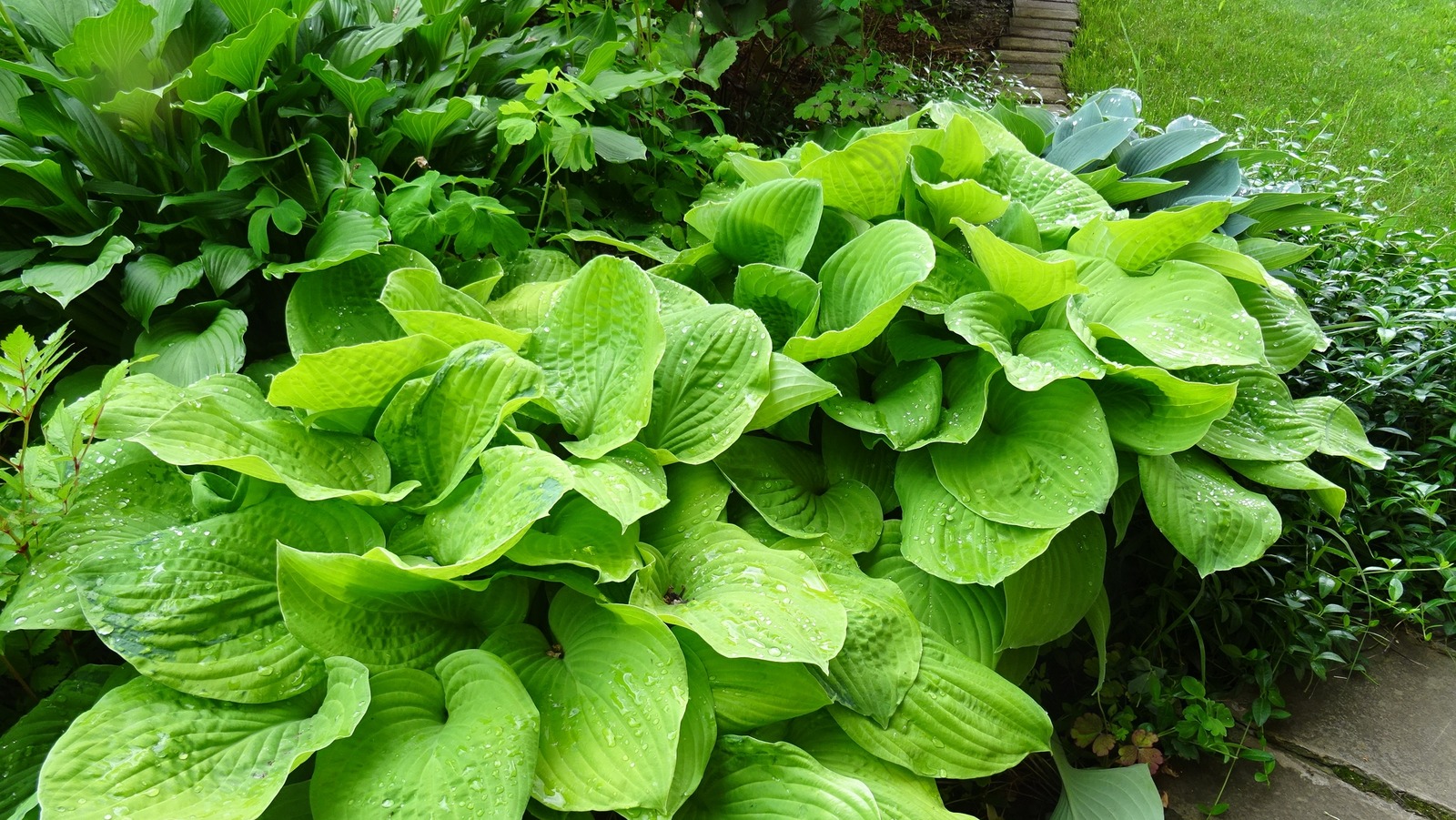
Putting coffee grounds around hostas can be beneficial if done correctly. Coffee grounds are a great addition to your garden as they provide several advantages. They offer nutrients, improve soil structure, and can help deter pests, but there are also some considerations to keep in mind to ensure the health of your hostas.
Benefits of Coffee Grounds for Hostas
Using coffee grounds in the garden can lead to various positive outcomes. The primary benefits include:
- Nutrient Boost: Coffee grounds are rich in nitrogen, which is essential for plant growth.
- Soil Improvement: They improve soil structure, promoting better drainage and aeration.
- Pest Deterrent: The caffeine in coffee can help repel certain pests such as slugs and snails.
How to Apply Coffee Grounds Around Hostas
Applying coffee grounds around hostas should be done carefully to maximize benefits:
- Moderation: Use coffee grounds sparingly to avoid overwhelming the plants with acidity.
- Mix with Other Materials: Blend coffee grounds with compost or mulch for an even distribution and to balance acidity.
- Watering: Water the area after application to help incorporate the grounds into the soil.
Potential Risks of Using Coffee Grounds
While coffee grounds have many benefits, there are some risks associated:
- Soil Acidity: Excessive use can lead to overly acidic soil, which might harm hostas.
- Fungal Growth: Damp coffee grounds can attract fungi, potentially leading to diseases.
- Over-fertilization: Too much nitrogen can cause plants to become leggy and weak.
Other Organic Amendments for Hostas
In addition to coffee grounds, there are other organic materials that can benefit hostas:
- Compost: Provides a balanced nutrient supply and improves soil health.
- Leaf Mold: Enhances soil structure and moisture retention.
- Wood Chips: Acts as mulch, minimizing weeds and retaining soil moisture.
Signs Hostas Are Thriving with Coffee Grounds
When coffee grounds are used properly, hostas will display clear signs of health:
- Vibrant Leaves: Healthy hostas will have rich, green foliage.
- Robust Growth: Noticeable growth and size increase over time.
- Resistance to Pests: A reduction in slug and snail activity around the plants.
Questions from Our Readers
What plants should be avoided near hostas?
Hostas prefer shaded areas and thrive in moist soil, so it's important to avoid planting them next to sun-loving or drought-tolerant plants. Species such as lavender or sedum can compete for nutrients and moisture, causing stress to hostas.
Do hostas compete with other plants?
Yes, hostas can compete with other plants, especially if they are planted too close to aggressive growers like mint or daylilies. These plants can outgrow hostas and challenge their growth, potentially leading to poor health for the hostas.
Are certain herbs harmful to hostas?
Certain herbs like rosemary and oregano are not ideal neighbors for hostas. They require much more sunlight and can draw vital nutrients and water away from the hostas, hampering their growth and overall well-being.
See also:
What about annual flowers near hostas?
When considering annual flowers near hostas, it’s advisable to avoid tall or aggressive varieties such as sunflowers or zinnias that can overshadow hostas. Opting for shorter, more compatible plants will ensure that hostas receive adequate light and moisture.

If you want to read more articles like What Not to Plant Next to Hostas? 10 Plants to Avoid for a Thriving Garden, we recommend you check out our Hostas category.
Leave a Reply
Related Articles