Do Daylilies Need to Be Thinned Out? Essential Tips for Healthy Growth and Maintenance
Daylilies are a popular choice among gardeners due to their vibrant blooms and hardiness. However, as these perennial plants thrive, they can become overcrowded, leading to diminished flowering and overall health. One essential aspect of daylily care is understanding when and how to thin them out. This article will explore the reasons behind thinning daylilies, the signs that indicate it's time for this maintenance task, and provide essential tips to ensure optimal growth and longevity. By following these guidelines, you can keep your daylilies healthy and blooming beautifully year after year.
Do Daylilies Need to Be Thinned Out?
Daylilies are known for their vibrant blooms and ability to thrive in various environments, but they can become overcrowded over time. Thinning out daylilies is often recommended to promote better growth and flower production. When plants are too densely packed, they can compete for nutrients, water, and light, leading to poor health and fewer flowers. Regular thinning, usually done every three to five years, helps maintain their vigor and allows for improved air circulation, reducing the risk of diseases. The process involves carefully removing some of the older or weaker clumps, ensuring that the remaining plants have ample space to flourish.
When Should You Thin Daylilies?
The best time to thin daylilies is in the early spring or after they have finished blooming in late summer. By thinning in spring, you can ensure that the plants use the energy stored in their roots to grow stronger, producing more vibrant flowers for the upcoming season. Conversely, thinning after blooming allows you to assess which plants have finished flowering and need to be pruned back for the next growing cycle. The ideal timeframe is when the plants show signs of growth but have not yet entered their peak flowering phase.
How to Identify Overcrowded Daylilies?
Overcrowded daylilies often exhibit signs such as reduced flowering, smaller blooms, and leaf discoloration. If you notice that your daylilies have a thick mass of foliage with few blooms peeking through, it's a clear indication that they may be overcrowded. Moreover, if the center of the clump appears barren or if the leaves become yellow and unhealthy, it’s time to evaluate whether thinning is necessary. Keeping an eye on these indicators can help maintain the health and beauty of your daylilies.
How to Thin Daylilies Properly?
To thin daylilies properly, start by gently digging up the clump with a spade, taking care not to damage the roots. Next, you can separate the clump into smaller sections, ensuring that each section contains at least a few healthy roots and foliage. Discard any dead or unhealthy sections and replant the thriving divisions in well-prepared soil with adequate spacing between them. Water the newly planted divisions well and provide appropriate care to help them establish themselves in their new locations.
Benefits of Thinning Daylilies
Thinning daylilies offers several benefits, including improved air circulation, increased nutrient access, and enhanced flower production. By reducing crowding, the remaining plants can access more water and nutrients, ultimately leading to healthier growth and blooming cycles. Additionally, thinning can help prevent issues like fungal diseases that thrive in damp, crowded conditions. A well-maintained bed of daylilies will not only look better but will also sustain native pollinators, contributing to a healthier garden ecosystem.
Common Mistakes When Thinning Daylilies
One common mistake when thinning daylilies is to remove too much of the clump at once, which can shock the plants and hinder their growth. Another error is failing to separate the plants adequately, leading to overcrowding once again after a few years. Additionally, not timing the thinning process correctly can result in removing healthy foliage or disrupting the plants during their blooming cycle. Being mindful of these mistakes can lead to more successful outcomes when managing your daylily beds.
| Aspect | Importance |
|---|---|
| Timing | Optimal growth and flowering |
| Method | Preventing shock to plants |
| Spacing | Ensuring adequate nutrient and light access |
| Signs of Overcrowding | Identifying need for thinning |
| Post-Thinning Care | Enhancing recovery and growth |
Do daylilies like to be crowded?
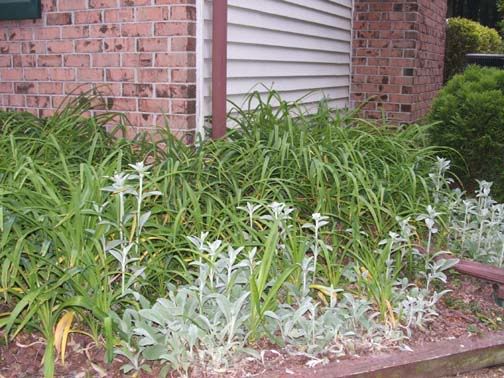

Daylilies, known for their vibrant flowers and adaptability, have specific growth preferences when it comes to spacing in the garden. While they are known to tolerate a variety of conditions, they do not thrive well when crowded. Overcrowding can lead to a number of issues that may affect their overall health and flowering.
The Impact of Crowding on Growth
When daylilies are overcrowded, they often face competition for essential resources. This competition can severely limit their growth potential.
- Reduced nutrient absorption: When planted too close together, daylilies may struggle to absorb the necessary nutrients from the soil.
- Increased disease susceptibility: Crowding can foster a humid environment, leading to higher risks of fungal infections.
- Compromised flowering output: Overcrowded daylilies typically produce fewer flowers due to stress and limited access to sunlight.
Optimal Spacing Recommendations
To ensure daylilies thrive, it is essential to maintain proper spacing between each plant.
- A general guideline is to space daylilies 18 to 24 inches apart, which allows for adequate air circulation.
- In areas with heavy soils, consider increasing space to 24 to 30 inches to prevent waterlogging.
- When planning a garden layout, account for each variety’s mature size to avoid overcrowding in the long term.
Signs of Overcrowding
There are several visible indicators that may suggest daylilies are too tightly packed.
- Stunted growth: If new growth appears weak or minimal, it may be a sign that the plants are not getting enough space.
- Poor flower quality: Smaller, fewer blooms can signify that daylilies are stressed due to crowding.
- Increased pest activity: Overcrowded plants may attract pests as they are more vulnerable when health is compromised.
Benefits of Proper Spacing
Maintaining appropriate spacing for daylilies not only fosters a healthier environment but also enhances their overall aesthetic appeal.
- Improved air circulation helps reduce the risk of fungal diseases.
- Better access to sunlight promotes optimal growth and flowering.
- Increased nutrient absorption leads to stronger, more vibrant plants.
When to Divide Daylilies
Dividing daylilies is a crucial practice to prevent overcrowding and ensure continued health.
- The best time to divide daylilies is in the spring or fall, ideally when they are not in active bloom.
- Signs that indicate it's time to divide include overcrowded roots emerging above the soil or a noticeable decline in blooming.
- After dividing, replant the divisions with proper spacing to promote healthy growth.
What happens if you don't split daylilies?
:max_bytes(150000):strip_icc()/GettyImages-89445033-b223502958a44cff8c5819e9df1cffd2.jpg)
If you don't split daylilies, several negative consequences can arise that may affect the health and vigor of the plants. Daylilies, or Hemerocallis, are resilient perennials that thrive in various garden conditions. However, neglecting to divide and transplant them over time can lead to overcrowding, reduced flowering, and overall decline in plant robustness.
See also:
Overcrowding of Roots
When daylilies are not split periodically, their root systems can become severely overcrowded. This congestion can inhibit the roots from accessing necessary nutrients and water, leading to stunted growth.
- Competing for resources among densely packed roots.
- Reduced ability to absorb moisture.
- Increased susceptibility to diseases.
Decreased Flower Production
Over time, if daylilies are not divided, the number of blooms produced can dramatically decline. Each clump becomes larger, leading to fewer flowers as resources are strained.
- Lesser energy distributed for flowering.
- Focus on survival over reproduction.
- Reduced aesthetic appeal in the garden.
Increased Risk of Disease
Crowded conditions can create a favorable environment for pests and diseases. Daylilies that are overly packed can suffer from rot and fungal infections due to poor air circulation.
- Higher humidity around the plants promotes fungal growth.
- Presence of pests due to decreased plant vigor.
- Compromised immune response of the plants.
Lack of Diversity in Varieties
As daylilies remain unaltered, there is a risk of losing genetic diversity within the garden. Without splitting, the chance to introduce new cultivars or maintain multiple varieties is diminished.
- Limited genetic diversity can lead to vulnerability.
- Inhibition of hybridization with new varieties.
- Reduced potential for unique flower characteristics.
Difficulty in Maintenance
Managing a large clump of daylilies can become increasingly challenging. Overgrown plants may require more effort for weed control and general upkeep.
- More time and labor to keep the plants healthy.
- Increased competition for sunlight and moisture among clumps.
- Difficulty in achieving an aesthetically pleasing garden layout.
Questions from Our Readers
Do daylilies need to be thinned out?
Yes, daylilies do need to be thinned out every few years to maintain their health and appearance. Over time, they can become overcrowded, leading to reduced blooms and increased susceptibility to disease. Regular thinning helps promote air circulation and allows the plants to receive better nutrients, resulting in a more vibrant display.
When is the best time to thin daylilies?
The best time to thin daylilies is typically in the early spring or after they have finished blooming in late summer. Thinning in the spring allows you to remove any dead foliage and make room for new growth, while late summer thinning can help rejuvenate the plants for the following season. Always be cautious to leave enough healthy foliage for the plant’s photosynthesis.
How do you properly thin daylilies?
To properly thin daylilies, start by cutting back the foliage with clean, sharp garden shears. Then, carefully dig up the clumps and separate them into smaller sections, each with healthy roots and enough foliage. Discard any dead or diseased sections to ensure the health of your remaining plants. Replant the healthy divisions promptly to prevent stress.
See also:
What are the benefits of thinning daylilies?
Thinning daylilies offers several benefits, including improved flower production, healthier plants, and enhanced visual appeal. By reducing overcrowding, you create space for each plant to grow, leading to larger blooms and a stronger root system. Additionally, this practice helps minimize the risk of pests and diseases, resulting in a more robust garden overall.

If you want to read more articles like Do Daylilies Need to Be Thinned Out? Essential Tips for Healthy Growth and Maintenance, we recommend you check out our Daylily category.
Leave a Reply
Related Articles