Do Hostas Like Full Sun? Discover the Best Growing Conditions for Your Hostas
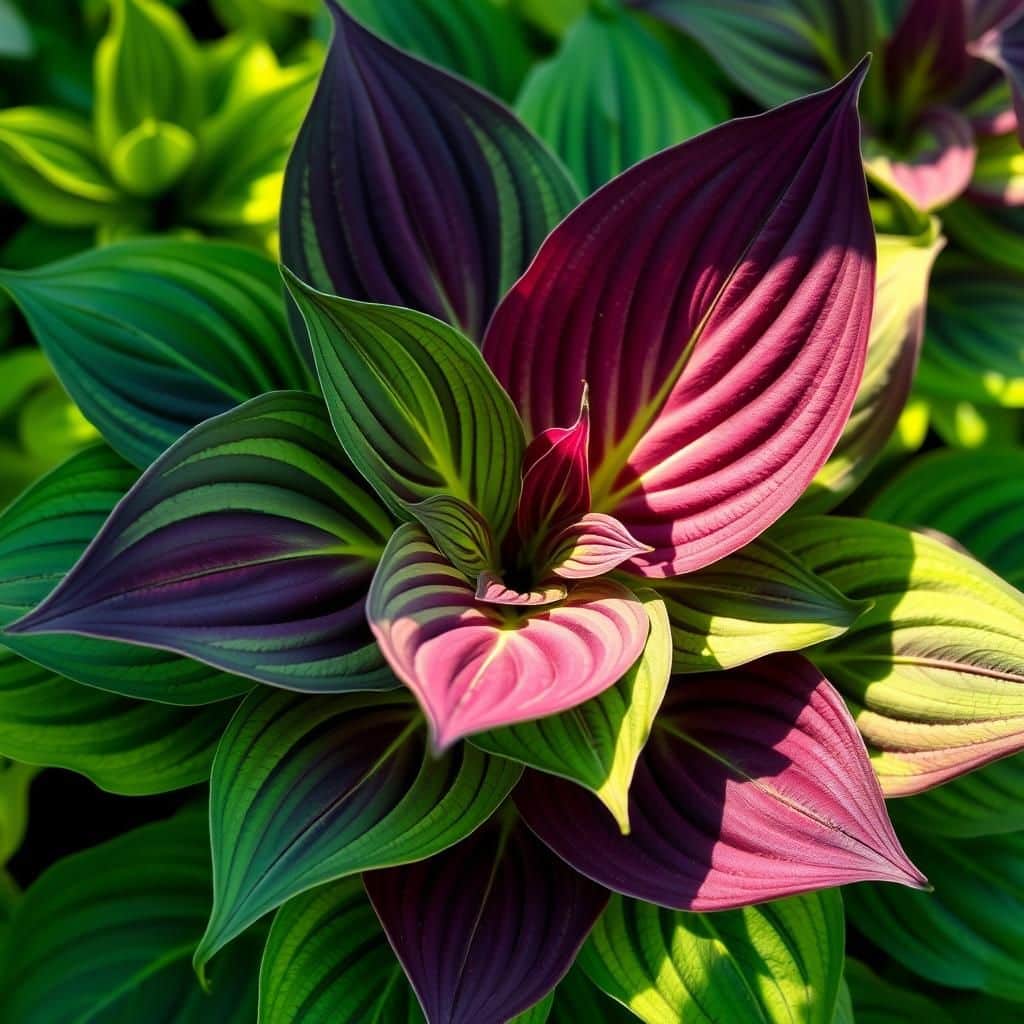
Hostas are beloved perennials known for their lush foliage and adaptability, often gracing gardens with their vibrant greens and variegated leaves. However, a common question among gardeners is whether these shade-loving plants can thrive in full sun conditions. Understanding the optimal growing conditions for hostas is essential to ensure their health and beauty. This article will delve into the light requirements of hostas, exploring how varying sunlight exposure impacts their growth, and identifying the best techniques for cultivating these stunning plants in a range of environments. Discover how to best care for your hostas and achieve a thriving garden display.
Do Hostas Like Full Sun?
Hostas are primarily known as shade-loving plants, thriving in environments with partial to full shade. While some varieties can tolerate more sunlight, most hostas prefer filtered sunlight or conditions that mimic the under-canopy of forests. Exposure to full sun can lead to leaf scorch, causing the leaves to become faded, crispy, and less vibrant. Therefore, it is generally best to place hostas in areas with light shade, especially during the hottest parts of the day, while ensuring they receive adequate humidity and moisture to maintain their lush appearance.
Light Requirements of Hostas
The ideal light for hostas is typically dappled shade or partial shade, which mimics their natural habitat. While they can endure some morning sun, prolonged exposure to afternoon sun can be detrimental. It's important to note that not all hosta varieties are created equal; some newer cultivars may withstand more sunlight than traditional ones, but caution should still be exercised to prevent damage.
Effects of Full Sun on Hostas
When hostas are exposed to full sun, they can suffer from several adverse effects. The most common issue is leaf burn, which manifests as brown edges or spots on the foliage. Additionally, prolonged sun exposure can result in stunted growth, as the plant diverts energy to cope with the stress, impacting its overall health. Maintaining ideal moisture levels in sun-exposed conditions is crucial, but often challenging.
Choosing the Right Location for Hostas
Selecting the appropriate location for hostas involves considering the existing light conditions. Areas with filtered sunlight or those that receive morning sun with afternoon shade are ideal. Additionally, planting near taller plants or structures can help provide the necessary shade and protect hostas from harsh sunlight during peak hours. The right location not only favors their growth but also enhances their visual appeal in gardens.
See also:
Types of Hostas Tolerant to Sunlight
While most hostas prefer shade, some specific varieties have shown greater tolerance to sunny conditions. Hostas like 'Guacamole' and 'Sun Power' are particularly noted for their ability to thrive in brighter environments. However, even sun-tolerant varieties will benefit from some protection during the hottest months of the year, indicating that a balance between sunlight exposure and shade is essential for their survival.
Care Tips for Sun-Exposed Hostas
Caring for hostas that are in sun-exposed areas requires extra attention to watering and soil conditions. It is crucial to keep the soil consistently moist but not waterlogged. Mulching around the base of the plants can help retain moisture and keep the roots cooler. Additionally, providing regular fertilization with a balanced fertilizer can help promote healthy growth and mitigate the effects of stress from sunlight exposure.
| Aspect | Shade | Partial Shade | Full Sun |
|---|---|---|---|
| Leaf Health | Excellent | Good | Poor |
| Growth Rate | Fast | Moderate | Slow |
| Water Needs | Low | Moderate | High |
| Sun Tolerance | None | Some | Limited |
| Type of Varieties | Most | Some | Few |
Understanding Hosta Sun Preferences
Hostas are predominantly shade-loving plants, thriving in conditions where they are protected from the harsh rays of direct sunlight. While some varieties can tolerate partial sun, excessive exposure can lead to scorched leaves and diminished overall health. Optimal growing conditions for hostas include a location with filtered light, morning sun, or dappled shade to ensure they receive sufficient moisture while avoiding sun damage. It’s essential to consider the specific type of hosta, as different varieties have varying tolerances to sunlight and shade.
Benefits of Partial Shade for Hostas
Providing partial shade for hostas promotes lush foliage and vibrant colors, as these plants absorb the necessary nutrients and moisture without the stress of intense sunlight. In a more sheltered environment, hostas can exhibit their natural leaf patterns and textures, making them eye-catching additions to any garden design. Additionally, partial shade helps reduce the risk of pest infestations and diseases that thrive in full sun conditions.
Choosing the Right Hosta Varieties for Sunny Areas
While most hostas prefer shade, some varieties are more sun-tolerant than others. For those who wish to grow hostas in sunnier spots, consider options like ‘Sum and Substance’ or ‘Golden Tiara’. These varieties have been shown to withstand more sunlight while still maintaining their foliage integrity. However, even these varieties benefit from some protective shade during the hottest parts of the day to prevent leaf burn.
See also:
Soil and Moisture Requirements for Hostas
The soil in which hostas are planted plays a crucial role in their ability to thrive in various light conditions. Hostas prefer moist, well-draining soil that retains some moisture but does not become waterlogged. Using organic matter such as compost can improve soil structure and maintain sufficient water levels. Regular watering is necessary in sunnier areas to ensure the soil remains adequately hydrated, preventing stress on the plants.
Signs of Sun Stress in Hostas
Hostas exposed to too much direct sunlight often display noticeable signs of stress, such as wilting, discoloration, or browning at the leaf edges. In severe cases, the leaves may become crispy and dry out, which can lead to permanent damage if not promptly addressed. Monitoring your hostas closely and providing sufficient shade can help mitigate these effects, ensuring they remain healthy and lush.
Creating an Ideal Environment for Hostas
To foster the best environment for hostas, consider incorporating features that provide shade relief, such as planting near taller plants or installing garden structures that cast shadows during peak sunlight hours. Additionally, layering the planting with other shade-loving companions can enhance both aesthetic appeal and moisture retention, creating a microclimate that benefits the hostas. Regular mulching can also help in maintaining soil moisture and regulating temperature around the hosta plants.
Questions from Our Readers
Do hostas prefer full sun or shade?
Hostas prefer shade or partial shade rather than full sun, as they are native to woodland environments where they grow under the canopy of larger trees. When exposed to too much sunlight, they can become scorched and lose their vibrant foliage.
Can hostas survive in full sun conditions?
While some hostas can tolerate mild sun conditions, prolonged exposure to full sun can lead to leaf burn and stress. It is crucial to monitor them closely and provide adequate moisture if they are planted in sunnier areas.
See also:
What types of hostas can tolerate more sunlight?
Some varieties of hostas, such as ‘Sum and Substance’ and ‘Guacamole,’ are known to be more tolerant of sunnier spots. However, they still thrive best with afternoon shade to prevent leaf damage and dehydration.
How can I help my hostas in full sun?
To support hostas planted in full sun, ensure they receive plenty of water and consider adding a layer of mulch to retain moisture and keep their roots cool. Additionally, providing some form of protection during the hottest parts of the day can help them remain healthy.

If you want to read more articles like Do Hostas Like Full Sun? Discover the Best Growing Conditions for Your Hostas, we recommend you check out our Hostas category.
Leave a Reply
Related Articles