What Happens if a Dog Eats a Hosta Plant? Symptoms, Risks, and What to Do
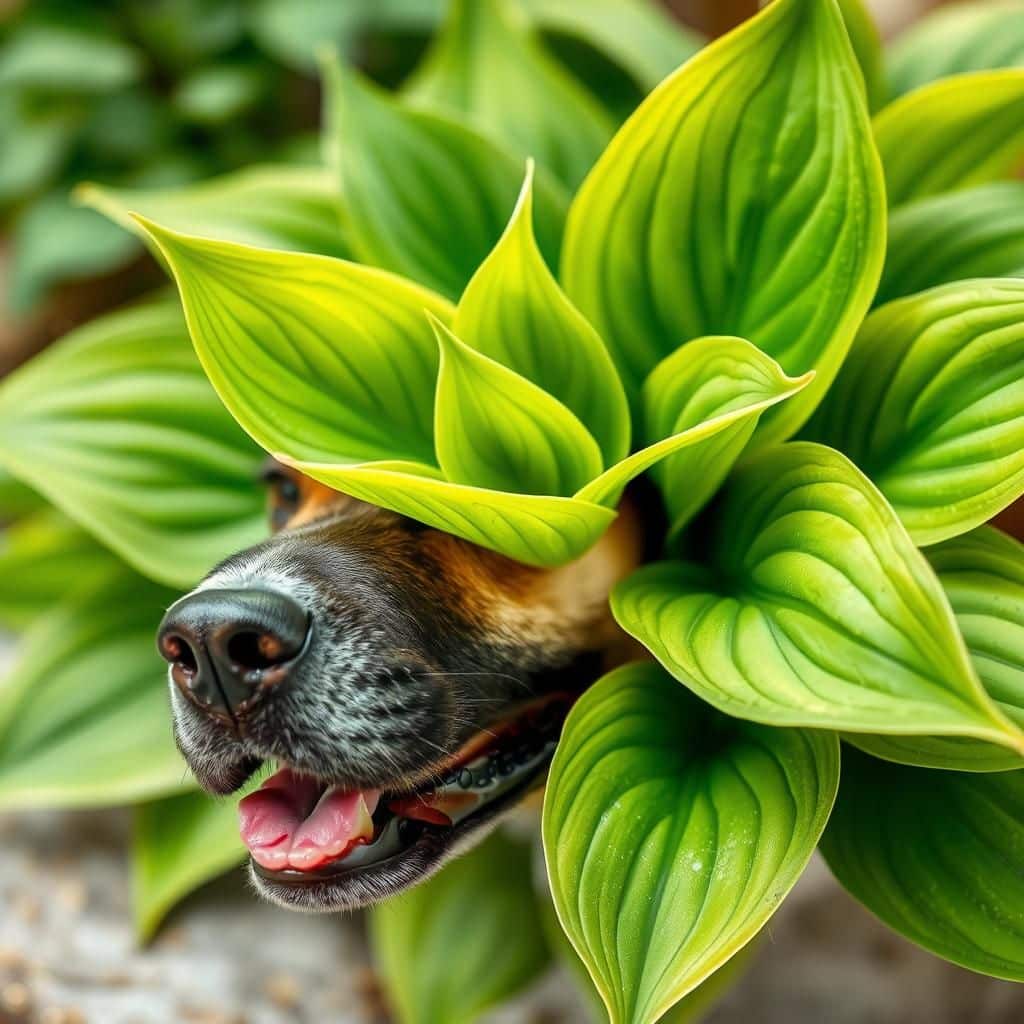
Hosta plants are popular ornamental choices for gardens due to their lush foliage and variety of colors. However, many pet owners may not be aware that these plants can pose a risk to dogs if ingested. This article delves into the potential symptoms and health risks associated with a dog eating a hosta plant, as well as what actions to take in such situations. Understanding the dangers and recognizing the signs of plant poisoning can help ensure the safety and well-being of your furry friend, allowing you to enjoy your garden without unnecessary worries.
What to Do If Your Dog Eats a Hosta Plant?
If your dog eats a hosta plant, it's important to monitor them closely for any signs of toxicity or distress, as hostas contain saponins, which can lead to gastrointestinal upset. Symptoms may include vomiting, diarrhea, and abdominal pain. In many cases, the effects are mild, and dogs may recover without treatment. However, if you notice severe symptoms or if your dog has consumed a large amount, it's advisable to consult your veterinarian promptly for guidance and possible treatment options to ensure your dog's health and safety.
Symptoms of Hostas Poisoning in Dogs
When a dog ingests a hosta plant, it may exhibit symptoms of poisoning due to the presence of saponins. Common signs to look out for include vomiting, diarrhea, and abdominal pain. In some cases, the dog might also show signs of lethargy or a lack of appetite. It is crucial to keep an eye on their behavior and health following ingestion, as timely intervention may be necessary in case symptoms escalate.
Treatment Options for Affected Dogs
If your dog has consumed a hosta plant, treatment typically focuses on relieving symptoms and managing any potential complications. Depending on the severity of the signs, your veterinarian may recommend inducing vomiting to prevent further absorption of the toxins. Additional treatments may include administering activated charcoal to limit toxicity and provide supportive care, such as fluid therapy if the dog is dehydrated from vomiting or diarrhea.
Preventing Access to Hosta Plants
To prevent your dog from consuming hosta plants and experiencing potential toxicity, it's essential to take proactive measures. Consider placing the plants in areas that are inaccessible to your dog or using fencing around the garden to deter them effectively. Additionally, providing your pet with safe and appropriate chew toys can help satisfy their chewing instincts while keeping them away from potentially harmful plants.
See also:
Alternative Plants Safe for Dogs
If you're concerned about your dog ingesting hosta plants, you might consider replacing them with dog-safe plants. Options such as petunias, sunflowers, and lavender are all considered non-toxic and can provide similar aesthetics in your garden without posing a risk to your dog's health. Always research the toxicity levels of plants before introducing them to your home or garden.
When to Consult a Veterinarian
Consulting a veterinarian is crucial if you suspect your dog has eaten a hosta plant. Signs that warrant immediate attention include severe vomiting, persistent diarrhea, dehydration, or any unusual behavior that suggests your dog is uncomfortable or in pain. Even if symptoms seem mild, it’s better to err on the side of caution and seek professional advice, as veterinarians can provide the most accurate assessment and treatment options based on your dog's individual condition.
| Symptom | Description |
|---|---|
| Vomiting | Expulsion of stomach contents, may happen once or multiple times. |
| Diarrhea | Loose or watery stools, potentially leading to dehydration. |
| Abdominal Pain | Signs of discomfort, possibly with whining or restlessness. |
| Lethargy | Lack of energy, unwillingness to play or interact. |
| Loss of Appetite | Refusal to eat food, which can indicate health issues. |
Understanding the Toxicity of Hosta Plants to Dogs
Hosta plants contain a compound known as saponins, which can be toxic to dogs if ingested in large quantities. Symptoms of toxicity may include vomiting, diarrhea, and even more severe reactions like lethargy or abdominal pain. If you suspect your dog has consumed a hosta plant, it is crucial to observe their behavior closely and consult a veterinarian for proper diagnosis and treatment. Early intervention can help mitigate serious health risks.
Symptoms of Hosta Plant Poisoning in Dogs
The initial signs of hosta plant poisoning in dogs may appear within a few hours of ingestion. Common symptoms include vomiting, which can range from mild to severe, and diarrhea that may contain blood. Affected dogs may also display drooling, loss of appetite, or abdominal pain. In some cases, a dog may seem unusually tired or weak, indicating a more serious reaction that necessitates immediate veterinary attention.
Immediate Actions to Take if Your Dog Eats Hosta
If you suspect that your dog has eaten a hosta plant, the first and most important step is to remain calm and assess the situation. Check to see how much of the plant was eaten and observe your dog for any symptoms of distress. It’s advisable to contact your veterinarian immediately for guidance. They may recommend monitoring your dog at home or suggest bringing them in for treatment based on the severity of the symptoms exhibited.
See also:
Long-term Effects of Hosta Plant Ingestion
While most dogs recover from hosta plant ingestion with appropriate care, there may be long-term effects in cases of severe poisoning. Some dogs might experience ongoing gastrointestinal issues, while others could develop allergic reactions that manifest as skin irritations or persistent digestive problems. Continued monitoring of your dog’s health in such cases is crucial to ensure they do not develop chronic conditions as a result of the ingestion.
Prevention: Keeping Your Dog Safe from Hosta Plants
To protect your dog from inadvertently consuming hosta plants, consider implementing several preventive measures. This may include removing hostas from your garden or placing them in areas that are completely inaccessible to your dog. Additionally, educating yourself on other plants that may pose a risk to pets can help create a safer environment. Regular training to discourage your dog from chewing on plants can also be beneficial.
When to Seek Veterinary Help
Understanding when to seek veterinary help is key to managing the situation effectively. If your dog shows any signs of toxicity after eating a hosta plant, such as persistent vomiting, excessive drooling, or a dramatic change in behavior, you should contact your veterinarian immediately. Quick action can significantly improve your dog’s chances of recovery and help avoid serious health complications.
Questions from Our Readers
What should I do if my dog eats a hosta plant?
If your dog consumes a hosta plant, you should immediately contact your veterinarian. Depending on the amount ingested and your dog's size, they may recommend inducing vomiting or bringing your dog in for evaluation to prevent further complications.
Are hosta plants toxic to dogs?
Yes, hosta plants are considered to be toxic to dogs. They contain compounds that can lead to symptoms such as vomiting, diarrhea, and abdominal pain if ingested by pets, making it important to monitor your dog closely if they have access to these plants.
See also:
What symptoms should I watch for if my dog ate a hosta?
After eating a hosta, you should be alert for symptoms like vomiting, diarrhea, lethargy, or loss of appetite. If you notice any of these signs, it is crucial to seek veterinary care promptly to ensure your dog's well-being.
Can eating hosta plants cause long-term effects in dogs?
In most cases, eating hosta plants does not cause long-term effects if treated promptly. However, severe reactions can lead to health issues, so it is important to monitor your dog and consult your veterinarian for appropriate care.

If you want to read more articles like What Happens if a Dog Eats a Hosta Plant? Symptoms, Risks, and What to Do, we recommend you check out our Hostas category.
Leave a Reply
Related Articles