Are Eggshells Good for Hostas? Discover the Benefits and Uses for Lush Green Growth!

Eggshells, often discarded as kitchen waste, have emerged as a surprising natural resource for gardeners looking to enhance the health of their plants. Specifically, hostas, with their lush foliage and vibrant colors, can greatly benefit from the nutrients found in crushed eggshells. Rich in calcium, these shells not only strengthen plant structure but also help improve soil quality, deter pests, and promote overall growth. In this article, we will explore the various advantages of using eggshells for hostas and provide practical tips on how to incorporate them into your gardening routine for a thriving garden display.
Are Eggshells Beneficial for Hostas?
Eggshells can be quite beneficial for hostas as they provide a natural source of calcium, which is essential for plant growth. When crushed and added to the soil, eggshells break down over time and release this nutrient, helping to strengthen the cell walls of the plants and promoting overall health. Additionally, they can improve soil structure, drainage, and aeration, which are crucial for the healthy development of hostas. Furthermore, the sharp edges of crushed eggshells can act as a deterrent to pests such as slugs and snails, which are known to damage hosta plants. Overall, incorporating eggshells into the gardening routine can enhance the growth and vitality of hostas while contributing to a more sustainable gardening practice.
Nutritional Value of Eggshells
Eggshells are composed mainly of calcium carbonate, which is essential for plant health. When crushed, they can provide a slow-release source of calcium that supports cellular structure and helps prevent issues like blossom end rot in other plants. In hostas, this nutrient aids in their lush foliage and can be a vital component in soil amendments, ensuring that the plants thrive.
How to Prepare Eggshells for Hostas
To use eggshells effectively, it's important to wash and dry them thoroughly before crushing them into small pieces or a powder. This process removes any residue and ensures that you avoid attracting unwanted pests to your garden. Once prepared, the eggshells can be mixed into the soil around hostas or sprinkled on the surface as a natural fertilizer, allowing for gradual nutrient release over time.
Effects on Pests
Crushed eggshells can serve as a natural barrier against common pests like slugs and snails. When scattered around hostas, the sharp edges of the shell fragments create an uncomfortable surface for these pests to navigate, discouraging them from reaching the tender leaves. This can help protect hostas from unsightly damage and promote healthier growth.
How to Incorporate Eggshells into Soil
Incorporating crushed eggshells into the soil around hostas can be done by mixing them into the top few inches of soil or creating a trench along the base of the plants. This method allows for improved calcium availability and can also enhance the overall drainage and aeration of the soil, creating an optimal environment for hosta roots to grow.
Environmental Benefits of Using Eggshells
Utilizing eggshells in gardening aligns well with sustainable practices by recycling kitchen waste. This not only minimizes landfill contributions but also reduces the need for chemical fertilizers, maintaining a healthier ecosystem around the hostas. Eggshells can contribute to better soil health, promoting beneficial microorganisms that further enhance the growth and resilience of hosta plants.
| Benefit | Description |
|---|---|
| Calcium Source | Enhances plant cell structure and growth. |
| Pest Deterrent | Sharp edges deter slugs and snails. |
| Soil Improvement | Improves drainage and aeration. |
| Waste Reduction | Recycles kitchen waste into a useful garden amendment. |
| Natural Fertilizer | Provides a slow-release nutrient source for plants. |
Do hostas like eggshells?
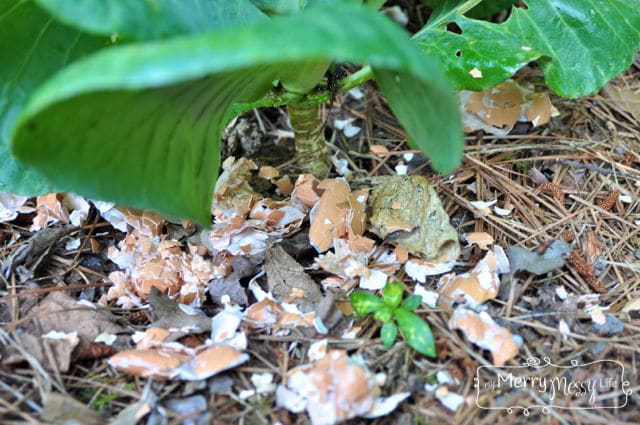

Hostas can indeed benefit from eggshells, which provide essential nutrients to the soil. Eggshells are primarily composed of calcium carbonate, a compound that can help improve the soil's pH balance and promote healthy growth in plants. When added to the soil, crushed eggshells can break down over time, releasing calcium, which is vital for the development of healthy cell walls in plants. This is particularly important for hostas, as they thrive in nutrient-rich environments.
Benefits of Eggshells for Hostas
The use of eggshells as a natural amendment for hostas can yield numerous benefits:
- Calcium Source: Eggshells provide an excellent source of calcium, which is crucial for strong root development.
- Improved Soil Structure: Incorporating eggshells can enhance the soil structure, making it more porous and well-draining.
- Nutrient Release: Over time, crushed eggshells decompose, slowly releasing nutrients into the soil, benefiting hostas throughout their growing season.
How to Prepare Eggshells for Hostas
Proper preparation of eggshells is essential to maximize their efficacy:
- Clean the Eggshells: Rinse the eggshells to remove any residual egg white or yolk, which can attract pests.
- Dry the Eggshells: Allow the cleaned shells to dry thoroughly to prevent mold growth.
- Crush into Small Pieces: Once dried, crush the eggshells into small bits or a fine powder to facilitate faster decomposition.
Application Methods for Hostas
There are various methods to apply eggshells to hostas effectively:
- Soil Amendment: Mix crushed eggshells directly into the soil at planting time or during spring when preparing the garden bed.
- Top Dressing: Scatter crushed eggshells around the base of established hostas as a top dressing to gradually release calcium.
- Composting: Add eggshells to compost bins to enrich the compost with additional nutrients, which can later benefit hostas when used as a fertilizer.
Other Uses of Eggshells in Gardening
Eggshells have versatile applications beyond hostas:
- Pest Deterrent: Crushed eggshells can deter slugs and snails when sprinkled around plants, creating a rough barrier.
- Seed Starters: Eggshells can be used as biodegradable seed-starting pots, providing calcium support for seedlings.
- Companion Planting: Incorporating eggshells can benefit other plants in a garden by improving overall soil health.
Considerations When Using Eggshells
While eggshells can be beneficial, certain considerations should be noted:
- Quantity: Use eggshells in moderation; excessive amounts can disrupt soil balance.
- Soil pH Testing: Test soil pH before adding eggshells to ensure they are suitable for your garden's needs.
- Slow Nutrient Release: Be patient, as it can take time for eggshells to break down and release nutrients effectively.
Which plants like eggshells best?
:strip_icc()/GettyImages-2153093451-7a41a32192614c51b14cde1df7272629.jpg)
Eggshells are a great source of calcium and other essential minerals for plants, making them a valuable addition to your gardening routine. Several types of plants benefit particularly from the use of eggshells. Here's a detailed look at which plants like eggshells best.
See also:
1. Tomato Plants
Tomato plants thrive when they receive an adequate amount of calcium, which helps prevent blossom end rot—a common issue in tomatoes. By adding eggshells to the soil, you can boost calcium levels and ensure healthier growth.
- Scatter crushed eggshells around the base of tomato plants.
- Mix ground eggshells into the potting soil before planting.
- Water the plants to help the nutrients from the eggshells dissolve into the soil.
2. Pepper Plants
Like tomatoes, pepper plants also require calcium for optimal growth. Crushing eggshells and incorporating them into the soil can support healthy root development and fruit quality.
- Sprinkle crushed eggshells into the planting hole before introducing the seedlings.
- Use eggshells as a slow-release fertilizer during the growing season.
- Mix eggshells with compost to enhance nutrient content when planting peppers.
3. Eggplant
Eggplants benefit from the mineral boost provided by eggshells. They require sufficient calcium for robust growth, especially during fruiting.
- Incorporate crushed eggshells into the soil at the time of planting.
- Apply ground eggshells around the base of established plants to improve soil quality.
- Use eggshells in combination with other organic fertilizers for best results.
4. Cabbage Family Plants
Plants in the cabbage family, such as cabbages, broccoli, and kale, can greatly benefit from the additional calcium found in eggshells. This helps them grow strong and healthy.
- Add crushed eggshells when preparing the soil for planting.
- Top dress with ground eggshells during the growing period.
- Combine eggshells with crushed greens and compost for a nutrient-rich amendment.
5. Houseplants
Houseplants can also thrive with eggshells, especially those that prefer slightly alkaline soil conditions. This can improve overall plant health and growth.
- Crush eggshells and add them to potted plants as a natural fertilizer.
- Mix eggshell powder into potting mix for enhanced mineral levels.
- Water the plants to ensure that nutrients are accessible in the soil.
Questions from Our Readers
Are eggshells beneficial for hostas?
Yes, eggshells can be beneficial for hostas as they provide a natural source of calcium, which helps strengthen cell walls and promotes healthy growth. Incorporating crushed eggshells into the soil can improve its structure and provide essential minerals that support plant health.
How should I prepare eggshells for my hostas?
To prepare eggshells for your hostas, it's best to rinse them thoroughly to remove any residue, then let them dry. Once dry, crush the eggshells into small pieces or grind them into a coarse powder before mixing them into the soil. This process ensures that the calcium is more readily available for the plants to absorb.
Can eggshells help deter pests from hostas?
Yes, using eggshells can help deter certain pests like slugs and snails, as the sharp edges can create a barrier that is difficult for them to cross. By scattering crushed eggshells around the base of your hostas, you can make it less inviting for these harmful creatures.
See also:
How often should I add eggshells to my hostas?
You can add eggshells to your hostas once or twice a year, typically during the spring when you are preparing the garden for new growth. Regular applications can continue to enrich the soil with calcium and other trace minerals, promoting ongoing plant health throughout the season.

If you want to read more articles like Are Eggshells Good for Hostas? Discover the Benefits and Uses for Lush Green Growth!, we recommend you check out our Hostas category.
Leave a Reply
Related Articles