What is the Best Mulch for Annual Flower Beds? Top Options for Healthy Blooms
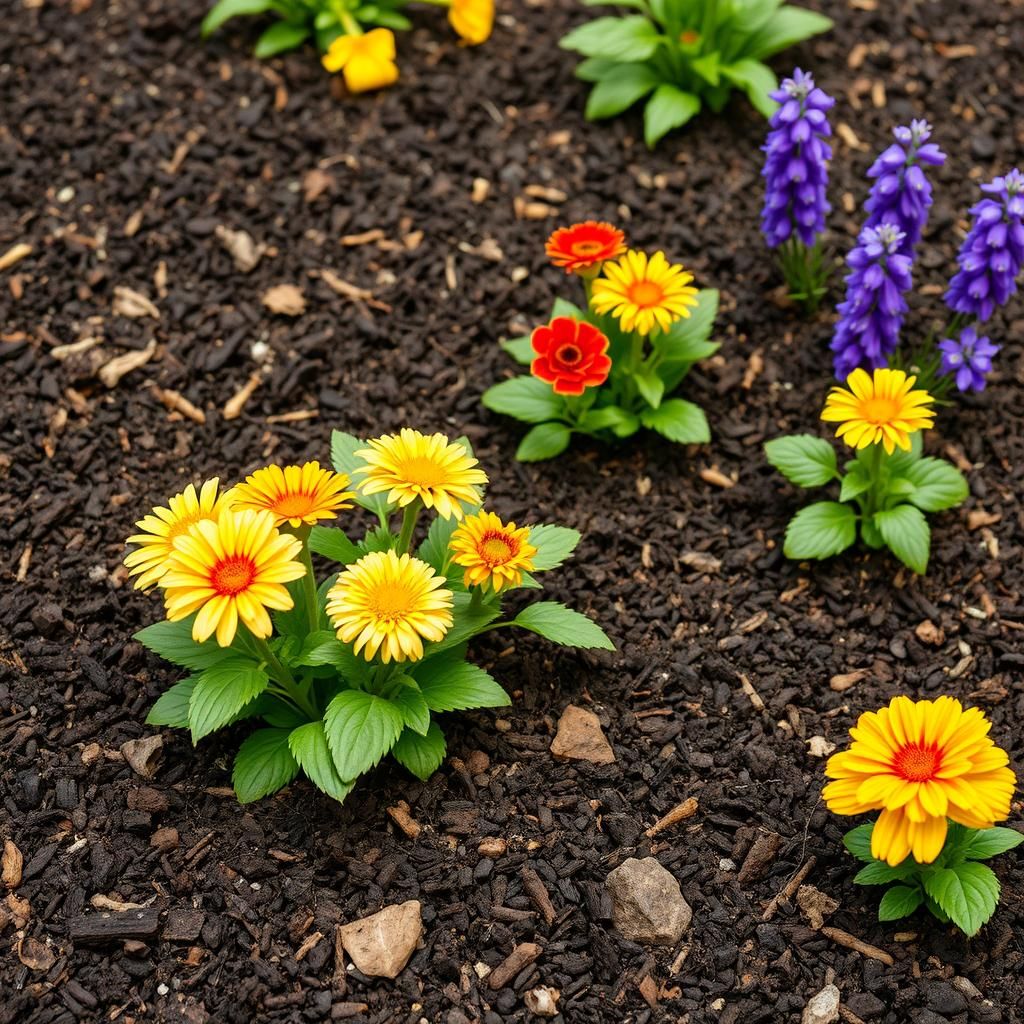
When it comes to cultivating vibrant annual flower beds, choosing the right mulch is a crucial step for success. Mulch not only enhances the aesthetic appeal of your garden but also plays a vital role in maintaining soil health and moisture levels. With numerous options available, selecting the best mulch can be overwhelming for gardeners. In this article, we will explore the top mulch choices for annual flower beds, examining their benefits, application techniques, and how they contribute to thriving blooms. Whether you're a novice or a seasoned gardener, understanding these options will help you create a stunning floral display.
What Is the Best Mulch for Annual Flower Beds?
When selecting the best mulch for annual flower beds, it's crucial to consider factors such as moisture retention, weed suppression, and aesthetic appeal. Organic mulches like wood chips, straw, and bark provide excellent benefits by decomposing over time and enriching the soil with nutrients. On the other hand, inorganic options such as landscape fabric or gravel may be less beneficial for soil health but can effectively control weed growth and require less upkeep. Ultimately, the choice of mulch should align with the specific needs of the garden and local climate conditions to promote vibrant and healthy annual flowers.
Benefits of Organic Mulch
Organic mulches, such as shredded leaves or grass clippings, offer numerous benefits for annual flower beds. They not only suppress weed growth but also help retain moisture in the soil, even during hot summer months. As organic materials decompose, they enhance soil fertility and structure, fostering a healthier environment for plant roots. Additionally, organic mulches add a natural aesthetic to the garden, making it visually appealing while contributing positively to overall plant health.
Inorganic Mulch Options
Inorganic mulches include materials like landscape fabric, rock, or gravel, which provide durability and longevity compared to organic options. These materials are particularly effective in preventing weed growth and can help maintain a clean and tidy appearance in flower beds. Although they do not contribute to soil fertility, they can be beneficial in areas where low maintenance is desired, as they require no replenishing like organic mulches.
Choosing the Right Mulch for Climate
The local climate significantly impacts the effectiveness of certain types of mulch. In regions with high rainfall, organic mulches that decompose slowly may be ideal, as they will retain moisture without becoming waterlogged. Conversely, in hotter climates, lighter materials like straw or pine needles can offer necessary insulation for soil while ensuring good water drainage. Understanding your climate can guide you in selecting a mulch that provides the appropriate benefits for your annual flowers.
Application Tips for Flower Beds
Applying mulch correctly is essential to maximize its benefits for annual flower beds. It's recommended to spread a layer of approximately 2-4 inches of mulch around the plants, ensuring not to pile it up against the stems to prevent rot. Mulching should ideally be done after the soil has warmed up in spring to prevent inhibiting seed germination. Regularly check the mulch depth and replenish it as necessary to maintain the recommended thickness for optimal performance.
Cost-Effective Mulching Solutions
For gardeners on a budget, there are various cost-effective mulching solutions that can still provide excellent benefits to annual flower beds. Recycled materials like cardboard and newspaper can serve as effective organic mulch when layered properly. Additionally, seeking local sources for wood chips or fallen leaves can reduce costs significantly, allowing for a sustainable approach to gardening while enhancing soil health without draining resources.
| Mulch Type | Benefits | Considerations |
|---|---|---|
| Organic Mulch | Moisture retention, nutrient addition | Requires replenishing |
| Inorganic Mulch | Weed control, low maintenance | No soil enrichment |
| Straw | Good insulation, light weight | Can harbor pests |
| Wood Chips | Long-lasting, visually appealing | May break down slowly |
| Landscape Fabric | Effective weed barrier | Potential water drainage issues |
What type of mulch to use in a flower bed?
:max_bytes(150000):strip_icc()/SPR-hmulch-types-for-flowerbeds-1315846-hero-4829a0d1051545dda9e5670c8594bf72.jpg)
To choose the right type of mulch for a flower bed, consider several options that suit your gardening needs, aesthetic preferences, and the specific environment of your flower bed. Here are various types of mulch and their benefits:
Organic Mulch Options
Organic mulches decompose over time, enriching the soil as they break down. They help to retain moisture and can improve the overall health of your flower bed. Popular choices include:
- Bark Mulch: Made from shredded tree bark, it lasts long and suppresses weeds effectively.
- Wood Chips: These are visually appealing and provide a natural look while conserving moisture and regulating soil temperature.
- Compost: As a nutrient-rich mulch, it enhances soil fertility but may require more frequent replenishing.
Inorganic Mulch Options
Inorganic mulches, such as stones and plastic, do not decompose and can last for many years. They effectively suppress weeds and can help with moisture retention, although they do not enrich the soil. Some common types include:
- Landscape Fabric: Effective at preventing weed growth while allowing water and nutrients to reach the soil beneath.
- Gravel or Rocks: These materials are perfect for xeriscaping and work well in arid climates due to their ability to retain soil moisture.
- Rubber Mulch: Made from recycled tires, it is durable and helps with erosion control, though it can retain heat.
Shredded Leaves as Mulch
Using shredded leaves as mulch is an affordable and environmentally friendly option. It provides several benefits, including:
- Soil Enrichment: As the leaves break down, they add organic matter and nutrients back into the soil.
- Moisture Retention: Shredded leaves help maintain soil moisture, reducing the need for frequent watering.
- Weed Suppression: A thick layer can effectively suppress weed growth, promoting healthier flower beds.
Mulch Thickness and Application
The thickness of the mulch layer is critical for effectiveness. Proper application ensures that it performs its intended functions efficiently. Consider the following:
See also:
- Optimal Depth: A layer of 2-4 inches is ideal for most flower beds; too thin will not suppress weeds and too thick can suffocate plants.
- Application Time: Apply mulch in early spring to suppress weeds before they emerge, or in late fall to insulate the soil during winter.
- Replenishing Mulch: Monitor mulch levels throughout the growing season and replenish as needed to maintain an effective barrier against weeds.
Choosing the Right Color and Texture
The aesthetic appeal of mulch can enhance the beauty of your flower bed. Here are considerations to keep in mind:
- Color Matching: Choose colors that complement your flowers and landscape design. Darker mulches can create a striking contrast with bright blooms.
- Texture Variations: The texture can affect the overall look. Fine mulch may provide a softer appearance while coarser materials add a rustic charm.
- Consistency: Use a consistent type or color throughout your garden for a more cohesive and well-planned visual effect.
Should you mulch annual beds?
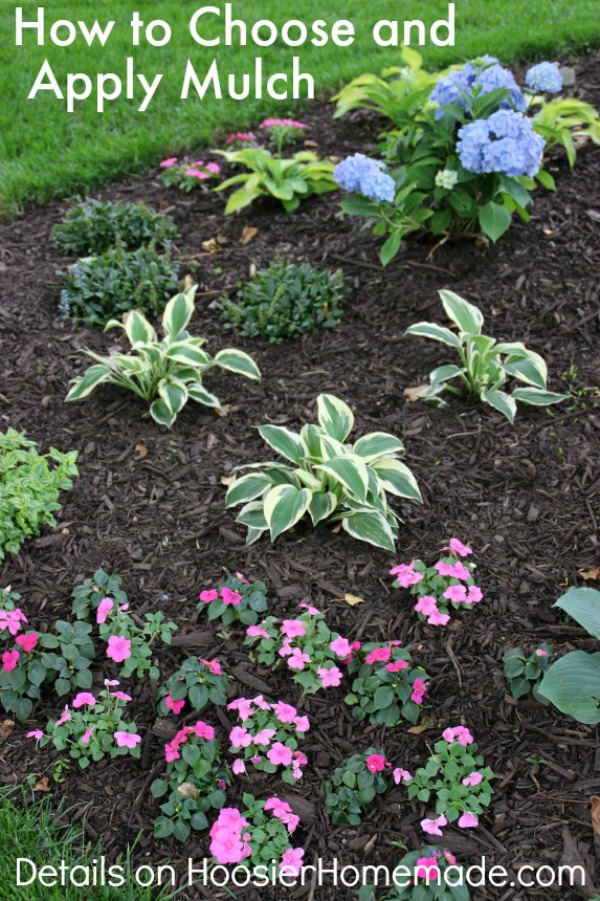
Mulching annual beds can have significant benefits for your garden. Mulch, which consists of organic or inorganic materials spread over the soil surface, serves multiple purposes that enhance the overall health and appearance of annual flower and vegetable beds. Here’s a detailed insight into why you should consider mulching your annual beds.
Benefits of Mulching Annual Beds
Mulching provides numerous advantages that can improve the health and productivity of annual beds. Among the primary benefits are:
- Moisture Retention: Mulch helps retain moisture in the soil, reducing the frequency of watering.
- Weed Suppression: A thick layer of mulch inhibits weed growth by blocking sunlight and limiting the germination of weed seeds.
- Soil Temperature Regulation: Mulch acts as an insulating layer, keeping soil temperatures more stable during extreme weather conditions.
Types of Mulch Suitable for Annual Beds
Choosing the right type of mulch is crucial for maximizing its benefits. There are several types suitable for annual beds:
- Organic Mulch: Materials like straw, wood chips, and shredded leaves decompose over time, enriching the soil.
- Inorganic Mulch: Options such as gravel or plastic can effectively suppress weeds but offer no nutritional benefits.
- Living Mulch: Cover crops such as clover or vetch can also be considered, adding nutrients and preventing erosion.
How to Apply Mulch in Annual Beds
Proper application of mulch is essential to achieve the desired effects. Follow these steps for effective mulching:
- Prepare the Soil: Before mulching, ensure that the soil is adequately watered and free of weeds.
- Apply the Right Depth: Use a layer of mulch that is about 2 to 4 inches thick for optimal benefits.
- Leave Space Around Plants: Avoid piling mulch against the stems of plants to prevent rot and pest issues.
Potential Downsides of Mulching Annual Beds
While mulching has many advantages, there are some potential downsides that you should be aware of:
- Cost: High-quality mulch can be expensive, especially if large quantities are needed.
- Pest Attraction: Some organic mulches may attract pests or rodents if not properly maintained.
- Decomposition: Organic mulch will break down over time, requiring periodic replenishment to maintain effectiveness.
When to Mulch Annual Beds
Timing your mulching efforts can make a significant difference. The best times to mulch annual beds include:
- Before Planting: Apply mulch before planting to suppress weeds and prepare the soil.
- During Plant Growth: Add mulch in mid-summer to combat heat stress and conserve moisture as plants establish.
- Post-Harvest: Mulch after harvesting to improve soil structure and prepare for the next planting season.
What mulch should not be used?

When selecting mulch for your garden or landscaping projects, it's crucial to avoid certain types that can be detrimental to plant health and garden aesthetics. Here are some mulches that should not be used:
1. Real Wood Chips
Using real wood chips may seem like an excellent organic choice; however, they can pose several problems:
- Inhibition of plant growth: Wood chips can deplete nitrogen from the soil as they decompose, leading to nutrient deficiencies.
- Pest attraction: Certain wood chips may attract unwanted insects, including termites.
- Slow decomposition: While wood chips can be mulch for a long time, they can create a barrier for moisture absorption, preventing water from reaching plant roots.
2. Grass Clippings
Using fresh grass clippings as mulch can be risky for a few reasons:
- Heat buildup: Fresh clippings can create a thick layer that can heat up and potentially damage plant roots.
- Pest attraction: Grass clippings can attract pests and lead to fungal diseases if not dried properly.
- Nitrogen overload: Applying too many clippings can result in excessive nitrogen, which can cause plants to grow too rapidly and become weak.
3. Rubber Mulch
While rubber mulch has gained popularity, it is important to know its downsides:
See also:
- Toxic chemicals: Rubber mulch can leach toxic substances into the soil that may harm plants and pollinators.
- Non-biodegradable: Unlike organic mulches, rubber mulch does not decompose, which can lead to long-term waste issues.
- Weed growth: Though it may reduce some weeds, rubber mulch can still allow certain types to take root underneath it.
4. Pine Needles
Pine needles may seem harmless but can have unexpected effects:
- Soil pH alteration: Pine needles can acidify the soil, which can be unsuitable for many garden plants.
- Slow decay: Though they decompose slowly, the buildup can create a barrier that prevents moisture absorption into the soil.
- Attracting pests: Pine needles can attract specific insects and pests, affecting nearby plant health.
5. Peat Moss
While peat moss is commonly used as a soil amendment, its use as mulch is discouraged:
- Environmental concerns: Harvesting peat moss contributes significantly to habitat loss and greenhouse gas emissions.
- Water retention: It can hold too much moisture, potentially leading to root rot in plants that require well-drained soil.
- Short-term solution: Peat moss breaks down quickly, requiring frequent replacement, making it less cost-effective in the long run.
Can you plant annuals in just mulch?
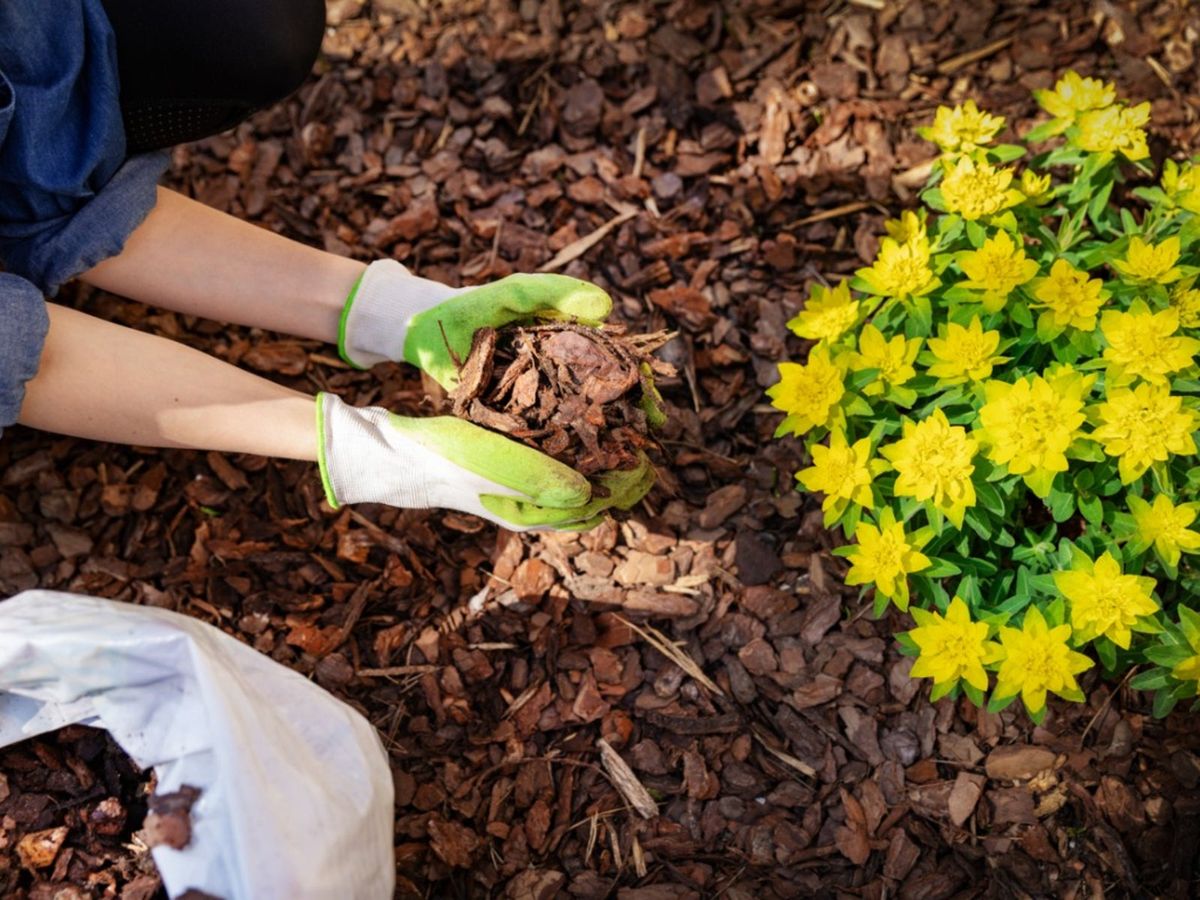
To grow annuals effectively, using only mulch as the planting medium presents certain challenges. Mulch typically serves as a protective layer covering the soil, helping to retain moisture, suppress weeds, and regulate temperature. However, when it comes to planting annuals, using only mulch may not provide the adequate support these plants need. Here’s a detailed look into the implications of planting annuals in just mulch.
Understanding the Role of Mulch
Mulch primarily acts as a protective barrier rather than a planting substrate. It can help improve soil health by decomposing over time, but when used exclusively, it may not provide the necessary nutrients or stability required for annual plants. The following points outline the function of mulch:
- Moisture Retention: Mulch holds moisture close to the soil surface, which can help keep the roots of annuals hydrated.
- Weed Suppression: A thick layer of mulch can reduce weed competition for nutrients and water, benefiting the planted annuals.
- Soil Temperature Regulation: Mulch insulates the soil, keeping it cooler in summer and warmer during cold spells, which is beneficial for plant roots.
Limitations of Planting Annuals in Just Mulch
While mulch can be beneficial in many ways, its limitations must be considered when attempting to plant annuals directly into it. The following limitations are significant:
- Nutrient Deficiency: Mulch alone lacks the nutrients essential for plant growth; without soil, annuals may struggle to survive.
- Root Stability: Mulch does not offer a stable medium for roots, which can lead to difficulty in anchoring and poor plant health.
- Improper Drainage: Depending on the type of mulch used, drainage can be inadequate, leading to potential waterlogging of the roots.
Recommended Practices for Planting Annuals
To successfully grow annuals, it's advisable to follow specific practices rather than relying on mulch alone. Here are some recommended methods:
- Prepare the Soil: Before planting, amend the soil with organic matter and compost to create a nutrient-rich environment.
- Layering Techniques: Apply a thin layer of mulch after planting to provide benefits without hindering growth.
- Choose the Right Mulch: Use organic mulches, such as wood chips or straw, that decompose and enrich the soil over time.
Alternative Planting Mediums
For those considering alternatives to planting annuals directly in mulch, several options are available. These mediums offer nutritional benefits and structural support:
- Potting Mix: A high-quality potting mix provides the best nutrients and structure for planting annuals.
- Garden Soil: Enriched garden soil can support healthy growth while allowing for proper drainage and aeration.
- Compost: Incorporating compost into the planting hole can enhance nutrient availability while maintaining moisture levels.
Maintenance Considerations
If you choose to incorporate mulch into your planting arrangements, maintenance becomes essential. Regular care can significantly impact annuals' success. Consider the following:
- Monitor Moisture Levels: Regularly check moisture at the soil level, as mulch can prevent you from seeing excess dryness.
- Mulch Renewal: Over time, mulch decomposes; replenishing it yearly can maintain its benefits.
- Pest Control: Keep an eye out for pests that may thrive in excessive mulch environments.
Questions from Our Readers
What types of mulch are recommended for annual flower beds?
When selecting mulch for annual flower beds, bark mulch, straw, and wood chips are highly recommended. Each type offers benefits such as moisture retention, weed suppression, and enhanced soil quality. Bark mulch is particularly effective for its aesthetic appeal and longevity, while straw breaks down quickly and adds organic matter to the soil.
How thick should mulch be applied in annual flower beds?
A layer of 2 to 3 inches of mulch is ideal for annual flower beds. This thickness ensures adequate coverage to suppress weeds and retain moisture without suffocating the plants. Applying mulch too thickly can lead to poor aeration and promote fungal diseases, so it’s essential to maintain proper depth.
Can I use leaves as mulch for annual flower beds?
Yes, using leaves as mulch is an excellent option for annual flower beds, as they are readily available and provide nutrients as they decompose. It’s best to shred them first to prevent matting, which can impede water infiltration. Shredded leaves will not only enhance the soil but also encourage beneficial organisms.
How often should mulch be replaced in annual flower beds?
Mulch should generally be replenished annually to maintain its effectiveness. As it breaks down over time, it may lose its ability to suppress weeds and retain moisture. Regularly checking your mulch layer and adding fresh material as needed helps ensure that your flower beds remain healthy and vibrant throughout the growing season.
See also:

If you want to read more articles like What is the Best Mulch for Annual Flower Beds? Top Options for Healthy Blooms, we recommend you check out our Mulch category.
Leave a Reply