Will Aphids Go Away Naturally? Effective Tips to Naturally Eliminate Aphids

Aphids, small but tenacious pests, can wreak havoc on gardens and plants by sucking vital nutrients and spreading diseases. While their presence can be alarming, many gardeners wonder if these pests will eventually disappear on their own. The reality is that aphid populations can fluctuate, but relying solely on nature may not yield the results you desire. This article explores effective tips for naturally eliminating aphids, empowering you to regain control of your garden. From introducing beneficial insects to utilizing homemade remedies, learn how to tackle these pesky invaders effectively and promote a healthier garden ecosystem.
Will Aphids Go Away Naturally?
Aphids are known for being persistent pests that can wreak havoc on various plants and crops. While it is possible for aphid populations to decline naturally due to various factors such as predation by beneficial insects like ladybugs, environmental conditions, and the availability of food sources, they typically do not just disappear on their own without intervention. Natural predators can help control aphid populations, but in some cases, if conditions remain favorable for aphids, they can proliferate rapidly. Therefore, relying solely on natural factors may not effectively manage an aphid infestation.
Understanding Aphid Lifecycle
Aphids go through a complex lifecycle that includes both sexual and asexual reproduction, which allows them to multiply rapidly under optimal conditions. During warmer months, female aphids can reproduce asexually, giving birth to live young without the need for mating. This leads to exponential population growth, creating large colonies on host plants. By understanding their lifecycle, gardeners and farmers can better anticipate the potential for infestations and effectively implement management strategies.
Natural Predators of Aphids
Several natural predators help control aphid populations. These include insects like ladybugs, lacewings, and parasitic wasps that specifically target aphids. The presence of these beneficial insects is crucial for maintaining a balanced ecosystem, as they feed on aphids and can help reduce their numbers significantly. Promoting a habitat that attracts these natural predators, such as planting diverse vegetation or minimizing pesticide use, can support effective aphid control without the need for chemical interventions.
Environmental Factors Influencing Aphid Populations
Environmental factors play a significant role in the prevalence of aphids. Conditions such as temperature, humidity, and plant health can either encourage or deter aphid activity. For instance, warm and dry conditions are favorable for aphids, allowing them to thrive, while excess rainfall can help regulate their populations by washing them off plants or promoting the growth of their natural enemies. Understanding these environmental influences can aid in making informed decisions regarding pest management.
Controlling Aphids Naturally
There are various strategies to control aphids naturally, aimed at reducing their population without harsh chemicals. These methods include introducing companion plants that repel aphids, using insecticidal soaps, or implementing barriers like row covers to prevent aphids from reaching vulnerable plants. Additionally, practicing crop rotation and maintaining healthy soil can enhance plant resilience, making them less attractive to aphids. These techniques can be effective in managing aphid invasions with minimal ecological impact.
See also:
The Role of Plant Health in Aphid Infestations
The overall health of plants significantly influences their susceptibility to aphid infestations. Plants that are stressed due to poor soil conditions, drought, or diseases are more likely to attract aphids, as they often produce excessive sap or honeydew, providing an ideal food source. Maintaining healthy plants through proper watering, fertilization, and disease management is essential in reducing the likelihood of aphid infestations. Strong, vigorous plants are less attractive to aphids and more capable of healing if they do become infested.
| Factor | Influence on Aphids |
|---|---|
| Temperature | Warm conditions favor rapid reproduction |
| Humidity | High humidity can support predator populations |
| Plant Health | Healthy plants are less prone to infestations |
| Natural Predators | Help control aphid populations effectively |
| Environmental Conditions | Affect aphid survival and reproduction |
What is the best natural aphid killer?
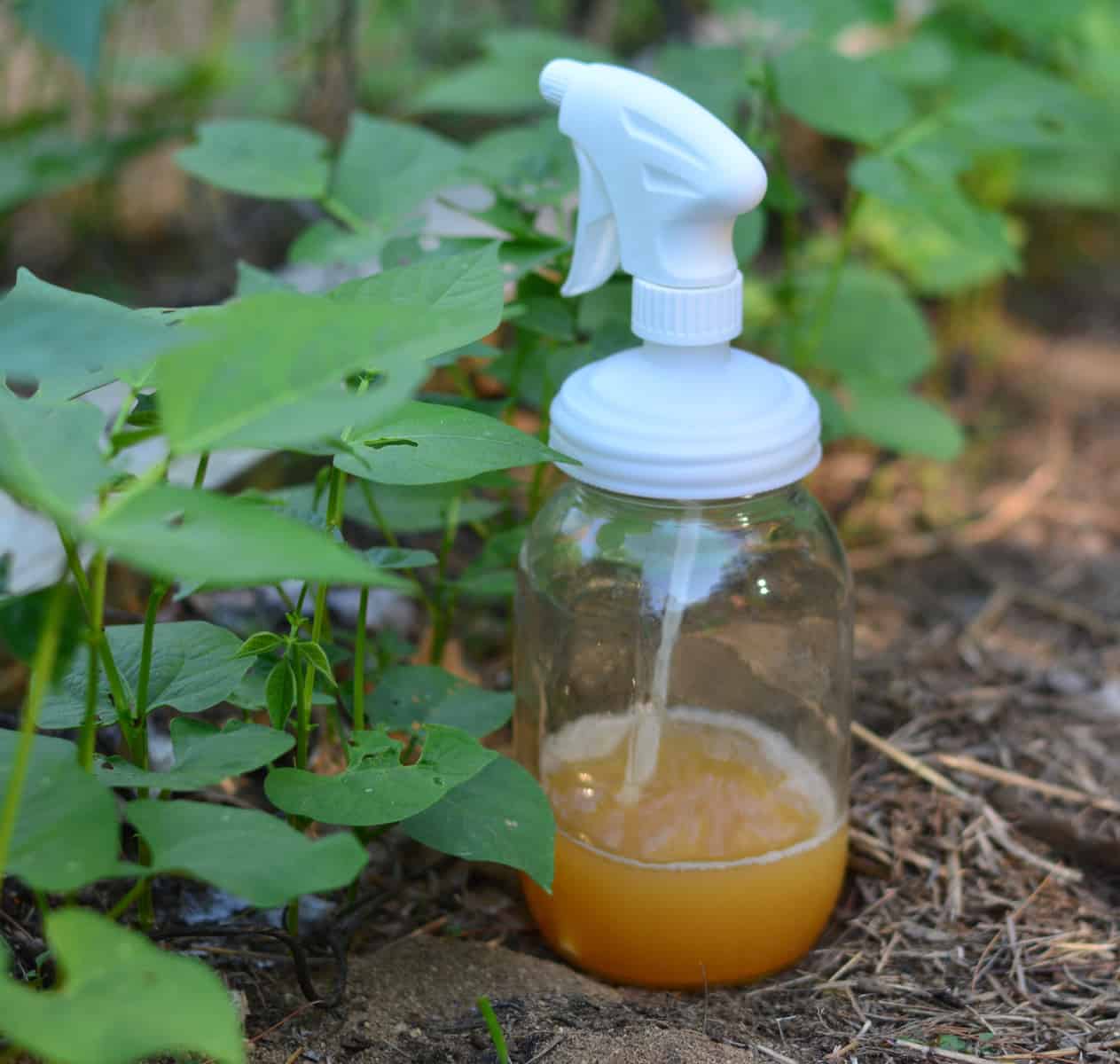
The best natural aphid killer is often considered to be insecticidal soap, which is effective in eliminating aphids without harming beneficial insects when used correctly. Insecticidal soaps contain potassium salts of fatty acids that suffocate aphids upon contact. They are generally safe for plants, making them a popular choice among organic gardeners.
The Role of Neem Oil
Neem oil is another effective natural aphid killer derived from the seeds of the neem tree. It disrupts the lifecycle of aphids and other pests by acting as a pesticide and repellent. Its active compounds, like azadirachtin, interfere with the pest's hormones, making it challenging for them to grow and reproduce.
- Application method: Mix neem oil with water and a few drops of soap, spray on affected plants.
- Timing: Best applied in the early morning or late evening to avoid harming beneficial insects.
- Frequency: Reapply every 7-14 days or after rainfall for effective results.
Benefits of Garlic Spray
Garlic spray acts as a natural deterrent against aphids due to its pungent scent. Garlic contains sulfur compounds that repel aphids and can also kill them when they come into contact with it. Making a garlic spray is easy and can provide an effective, chemical-free solution.
- Preparation: Blend several cloves of garlic with water, strain, and mix with a few drops of soap.
- Application: Spray it directly onto the infested plants.
- Effectiveness: Reapply every few days, especially after rain.
Introducing Ladybugs
Ladybugs, or ladybird beetles, are a form of biological control for aphids. These beneficial insects are natural predators of aphids and can significantly reduce their populations. Introducing ladybugs to your garden can be a sustainable way to keep aphid numbers in check without the use of pesticides.
See also:
- Choosing the right time: Release ladybugs in spring when aphid populations start to rise.
- Creating a welcoming environment: Ensure there are other plants for ladybugs to feed on, as they also consume nectar.
- Monitoring the results: Keep an eye on aphid populations and ladybug activity to ensure they are effectively managing aphids.
Homemade Soap Spray
A simple homemade soap spray can effectively kill aphids by suffocating them. The soap disrupts their cell membranes and dehydrates them, making it a versatile and easy solution for organic gardeners.
- Ingredients: Mix mild soap (like castile soap) with water in a spray bottle.
- Testing: Test on a small portion of the plant first to ensure no adverse reactions.
- Application: Spray directly on aphids and repeat every few days for maximum effectiveness.
Companion Planting
Companion planting involves growing certain plants together that can naturally repel aphids. Some plants release natural repellents or attract aphid predators, providing a holistic method of pest management.
- Choosing plants: Plant herbs like chives, garlic, and marigolds near susceptible plants.
- Attracting predators: Include flowers like dill and fennel to attract ladybugs, lacewings, and other beneficial insects.
- Creating biodiversity: A diverse garden can suppress aphid populations and promote overall health.
Questions from Our Readers
Will aphids go away naturally?
Aphids can sometimes be controlled by natural predators, such as ladybugs and lacewings, which may reduce their numbers. However, they often won't disappear entirely on their own without some form of intervention, making proactive measures advisable.
How long do aphids typically last on plants?
Aphids can reproduce quickly, and their populations may persist for weeks or even months if conditions are favorable. Their life cycle is accelerated in warm weather, which can lead to larger infestations over time.
What natural methods can help eliminate aphids?
Natural methods such as introducing beneficial insects, using neem oil, or applying insecticidal soap can effectively reduce aphid populations without harming the plants. These methods encourage a healthier ecosystem in your garden.
Are aphids harmful to my plants?
Aphids can be detrimental to plants by sucking plant sap, which weakens the plant and can lead to yellowing leaves, stunted growth, and potentially, plant death if left unchecked. It's important to monitor and manage their presence.
See also:

If you want to read more articles like Will Aphids Go Away Naturally? Effective Tips to Naturally Eliminate Aphids, we recommend you check out our Insects category.
Leave a Reply
Related Articles