The Ultimate Guide: Which is the Best Time for Removal of Seeds?

Understanding the optimal time for seed removal is crucial for gardeners and agricultural enthusiasts alike. The timing affects not only the viability of the seeds but also the overall health and productivity of future plants. In this comprehensive guide, we will explore the key factors that determine the best moment for seed extraction, such as plant species, environmental conditions, and seed maturity. By taking these elements into account, you can ensure a higher success rate in germination and growth. Whether you are a novice gardener or an experienced farmer, this guide will equip you with essential knowledge for successful seed management.
What is the Best Time for Removal of Seeds?
The best time for the removal of seeds largely depends on the type of plant and its growth cycle, but a common guideline is to wait until seeds have reached full maturity. This typically occurs when the seeds change color, become hard, and fall off easily from the plant. In many cases, waiting until the seeds are completely dry can enhance their viability and ensure that they are ready for planting. Factors such as climate, environmental conditions, and specific species characteristics also play a crucial role in determining the optimal time for seed removal. Understanding these dynamics can significantly improve the successful propagation of various plants.
Factors Influencing Seed Removal Timing
Seed removal timing can be influenced by several factors including the geographic location, climate conditions, and plant species. For instance, in warmer climates, seeds may mature faster, while in cooler regions, the growth period can be extended. Additionally, different species of plants have unique growth cycles and requirements; for example, some might require harvesting at a specific time to ensure maximum germination rates. Therefore, gardeners and farmers must observe not just the seeds, but also the surrounding environmental cues that could indicate when to harvest them.
Signs of Seed Maturity
The visual cues for seed maturity are critical for ensuring optimal harvest times. Some key signs include a change in color to darker shades, a hardening of the seed coat, and the ease with which seeds detach from their pods or fruit. For many grains and legumes, a crisp sound upon handling indicates dryness, a critical factor for longevity during storage. Observing these signs carefully helps in acquiring seeds that are not only mature but also have a higher probability of successful growth when replanted.
Best Practices for Seed Collection
When it comes to collecting seeds, following best practices enhances their quality and longevity. First, it's advisable to use clean, sharp tools to minimize damage to the plant and seeds. After collection, seeds should be cleaned to remove any debris and prevent mold growth. It’s also essential to allow seeds to dry completely in a cool, shaded area to preserve their viability. Storing seeds in airtight containers at regulated temperatures can prevent moisture buildup, which is a significant factor in seed rot and degradation over time.
Impact of Weather on Seed Removal
Weather conditions play a pivotal role in determining when to remove seeds. For example, prolonged rainfall or high humidity can delay seed maturation and increase the risk of mold and seed rotting. Additionally, if heavy winds are expected, it might be prudent to harvest seeds slightly earlier to prevent natural dispersal. Observing the season changes and correlating them with your plants’ growth stages is essential for making timely decisions about when to remove seeds.
Seed Storage and Shelf Life
Understanding seed storage is crucial for maintaining their viability over time. Seed longevity can significantly vary by species, with some seeds lasting only a few months while others can survive for several years under proper storage conditions. A cool, dry, and dark environment is ideal for seed storage; for instance, using sealed containers in refrigerated conditions can extend their shelf life. Proper labeling of collected seeds with dates and species will also aid in tracking their viability and ensuring successful planting efforts in the future.
| Factor | Impact |
|---|---|
| Climate | Affects growth cycles and seed maturation rates. |
| Seed Species | Determines specific maturity indicators and harvesting times. |
| Weather Conditions | Influences the risk of mold and natural seed dispersal. |
| Harvesting Techniques | Quality and viability of seeds can be affected by how they are removed. |
| Storage Methods | Critical for seed longevity and successful germination rates. |
What is the best time to collect seeds?
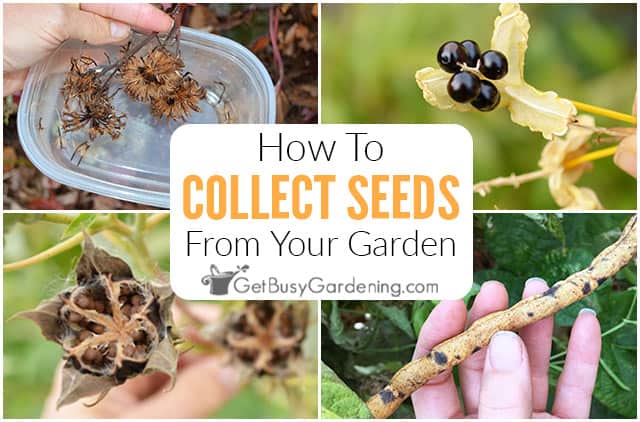
The best time to collect seeds depends on various factors, including the type of plant, the growing season, and local climate conditions. Generally, seeds are collected when they are fully mature, which is typically after the flowering and fruiting stage when the seeds have turned brown or are hard to the touch. Here are some guidelines to help you determine the optimal time for seed collection:
Understanding Seed Maturity
The maturity of seeds is crucial for successful collection. Seeds need to reach a certain level of development to ensure they are viable for future planting.
- The seeds should be firm and dry; they often change color as they mature.
- For many plants, seeds are ready to harvest when the fruit has turned brown or dry.
- Observe the parent plant for signs of wilt or dieback, which often indicate that seeds are ripening.
Timing Based on Plant Type
Different plants have varying timelines for seed maturity. Understanding the specific requirements for each type can enhance your success rate.
- Annuals, like sunflowers, typically have a harvest window at the end of summer or early fall.
- Perennials, on the other hand, may produce seeds later in the growing season or even into late fall.
- Vegetables, such as beans and peas, usually indicate seed readiness when pods dry out or turn brown.
Local Climate Considerations
Your local climate plays an integral role in determining the best time for seed collection, affecting the growth cycle of plants.
- In warmer climates, seeds might mature earlier than in cooler areas.
- Humidity and rainfall can also influence the timing; excessive moisture can lead to fungal infections on seeds.
- It is essential to monitor seasonal weather patterns to optimize your collection schedule.
Indicators of Seed Readiness
Several indicators can help you assess when seeds are ready to be harvested.
See also:
- Pods or seedheads often dry out and become brittle; this is a strong indicator of readiness.
- The color change is a significant factor; mature seeds typically assume a darker hue.
- A good practice is to wait until the seeds start falling from the plant with minimal disturbance.
Post-Collection Care
Once you have successfully collected seeds, proper care is critical to maintain their viability.
- Seeds should be insured against damage and stored in a cool, dry environment.
- Label each seed collection clearly, including the date and type of plant for ease of future planting.
- Consider conducting a germination test to evaluate the viability before large-scale planting.
What is the best time to remove these plants?

The best time to remove plants largely depends on the type of plants you are dealing with, as well as the specific environmental conditions in your area. Generally, the best practice for removing most plants, especially perennial weeds or invasive species, is during their active growth phase or when they are in a state of dormancy. Here is a detailed analysis of when to remove these plants:
Timing Based on Plant Type
Different types of plants have specific growth cycles which dictate the best time for removal.
- Annual Plants: Best removed during the early spring, just before they flower.
- Perennial Weeds: Ideal to remove them in early spring when actively growing or in the fall as they prepare for dormancy.
- Invasive Species: Typically best tackled in late summer or early fall when they are drawing energy to their root systems.
Weather Considerations
Weather plays a crucial role in the timing of plant removal.
- Dry Conditions: It's easier to manage weeds in dry weather as they are less resilient.
- Wet Soil: Avoid removing plants while the soil is wet to prevent soil compaction and stress on remaining plants.
- Frost Dates: Always consider local frost dates to prevent damage to surrounding vegetation.
Best Time of Year
The season can indicate the best time for plant removal.
- Spring: Generally excellent for annual weeds before they set seeds.
- Summer: Effective for removing plants that are actively growing.
- Fall: A strategic time to remove perennials after they have stored energy but before the frost.
Soil Preparation
The condition of the soil can affect plant removal timing.
- Healthy Soil: Always best to remove plants when the soil is in good condition, allowing for easier uprooting.
- Soil pH: Tests can indicate the optimal time based on soil nutrient availability.
- Post-Removal Care: It’s advisable to improve soil health immediately after removal to prepare for new planting.
Post-Removal Strategies
Developing a plan for after removing the plants is crucial for success.
- Mulching: Apply mulch to prevent regrowth after removing plants.
- Replanting: Consider immediately replanting to avoid soil erosion.
- Monitoring: Keep an eye on the area for signs of regrowth or new weeds.
What is the best time to take seeds?
The best time to take seeds depends largely on the type of plant and its specific requirements. Generally, seeds are best taken during their optimal growth season, which is often influenced by climate, temperature, and humidity conditions. For many plants, this period falls in the spring or early summer when the conditions are favorable for seed development and germination. However, for certain perennials or plants that require a period of dormancy, the best time may differ.
Factors Influencing Seed Harvesting Time
Several factors affect when seeds should be harvested, including:
- Plant Type: Different plants have unique growth cycles and optimal harvesting times.
- Weather Conditions: Temperature and humidity can influence seed viability; warm and dry conditions are typically preferred.
- Seed Maturity: Seeds should be harvested when they are fully mature to ensure the best germination rates.
Spring vs. Fall Seed Harvesting
The timing of seed collection can vary significantly between spring and fall, with each season offering its distinct advantages:
- Spring: Many annual plants ripen their seeds in spring, making it the ideal time for collection.
- Fall: Perennials often produce seeds in the fall, which are ready for harvesting after the plants have matured.
- Soil Preparation: Spring planting may allow for better soil conditions, which can influence seed viability.
Best Conditions for Seed Collection
The conditions under which seeds are harvested play a crucial role in their viability and quality:
See also:
- Dry Weather: It’s best to collect seeds on dry days to avoid moisture-related issues.
- Time of Day: Harvesting in the morning or late afternoon can help minimize stress on plants.
- Avoiding Rain: Rain can lead to seed rot or mildew, so it's essential to choose a dry window.
Signs of Seed Readiness
Identifying when seeds are ready for harvesting is crucial to ensure their effectiveness:
- Color Change: Many seeds change color as they mature, which is a clear indicator they are ready.
- Dryness: Mature seeds feel dry and may even crack slightly when squeezed.
- Plant Maturity: Waiting until the plant has fully matured can help guarantee seed quality.
Storing Seeds After Harvesting
How seeds are stored after harvesting can have a significant impact on their germination potential:
- Cool Environment: Store seeds in a cool, dry place to extend their shelf life.
- Sealed Containers: Use airtight containers to protect seeds from moisture and pests.
- Labeling: Clearly label seed containers with the plant type and date of harvest for organization.
What is the best time for transplanting seeds?
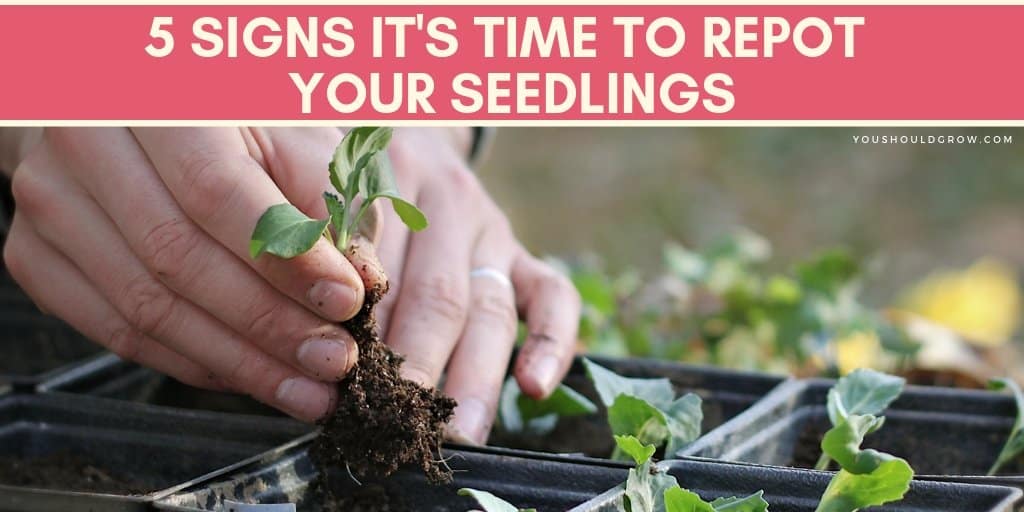
The best time for transplanting seeds generally depends on the specific type of plant, the climate of the region, and the growing conditions. However, there are some widely accepted guidelines that can help ensure the success of your transplanting efforts.
Understanding Plant Life Cycles
Understanding the growth stages of plants is crucial in determining the best time for transplanting seeds. Each plant has its life cycle, which can influence when transplanting should occur. Here are key stages to consider:
- Germination: Seeds begin to sprout and put out roots.
- Seedling Stage: The plant develops a set of true leaves, indicating readiness for transplant.
- Established Growth: A plant becomes more resilient, making it a good candidate for transplantation.
Location and Climate Considerations
The geography and climate of your area greatly impact when you should transplant seeds. Different regions have different growing seasons. Pay attention to the following factors:
- Frost Dates: Check your local last frost date to avoid damage to young plants.
- Soil Temperature: Warm soil promotes root growth; ideally, temperatures should be around 60°F (15°C) for most seeds.
- Seasonal Changes: Spring is generally ideal for warm-season crops, while fall can suit cool-season plants.
Transplanting Indoors vs Outdoors
Deciding whether to start seeds indoors or transplant them directly outdoors can affect timing. Here’s what to consider:
- Indoors: Seeds can be started 6-8 weeks before the last frost date, allowing for early growth.
- Outdoors: Direct sowing usually occurs after the danger of frost has passed and soil temperatures are adequate.
- Hardening Off: Indoor seedlings should be acclimated to outdoor conditions gradually over a week or so.
Type of Plant Affects Timing
The type of seeds you are transplanting significantly affects when they should be moved. Different plants have unique requirements:
- Warm-Season Crops: Such as tomatoes and peppers, should be transplanted after the last frost.
- Cool-Season Crops: Like lettuce and kale, can be transplanted earlier in cooler temperatures.
- Perennials: Often do best when transplanted in the fall when they are dormant.
Signs of Readiness for Transplanting
Recognizing when your seedlings are ready for transplantation is crucial for their success. Here are signs to look for:
- Height: Seedlings should be sturdy and around 2-4 inches tall.
- Leaf Development: They should have at least 2-3 sets of true leaves.
- Root Growth: If roots are coming out of the bottom of the pot, it's often time to transplant.
Questions from Our Readers
What factors influence the best time for seed removal?
The best time for seed removal is influenced by several factors, including the type of plant, environmental conditions, and the maturity of the seeds. Typically, seeds should be harvested when they are at their ripe stage, ensuring that they have developed fully and are less likely to shatter or lose viability.
How can I determine if seeds are ripe for removal?
To determine if seeds are ripe for removal, check for signs such as color change, firmness, and dryness. Ripe seeds often change color compared to their immature state, and they should feel dry and hard when gently squeezed.
Is there a specific time of year when seed removal is optimal?
Yes, there is often a specific time of year that is optimal for seed removal, which usually coincides with the growing season of the plant. In general, seeds should be collected at the end of the growing season, when they have reached full maturity and are ready to be harvested.
What should I do if I miss the best time for seed removal?
If you miss the best time for seed removal, try to collect the seeds as soon as possible and check their viability. Although they may not be as perfect as those harvested on time, you can still attempt to store them properly and conduct a germination test to assess their potential for future planting.
See also:
If you want to read more articles like The Ultimate Guide: Which is the Best Time for Removal of Seeds?, we recommend you check out our Seeds category.
Leave a Reply