How Fast Do Bananas Grow from Seed? Discover the Growth Timeline and Tips for Successful Cultivation

When it comes to cultivating bananas from seed, many enthusiasts wonder about the growth timeline and the factors that influence successful development. Unlike the more common practice of growing bananas from suckers, seed propagation offers a unique and rewarding challenge for gardeners. In this article, we will explore how quickly bananas grow from seed, detailing the stages of development from germination to fruit-bearing. Additionally, we will provide tips and best practices for optimal growth, ensuring that you can enjoy the satisfaction of nurturing your own banana plants from start to finish.
How Fast Do Bananas Grow from Seed?
Bananas typically grow from seed in about 9 to 12 months until they produce their first harvest, although it can vary depending on the growing conditions and climate. Unlike many other fruits, banana plants are primarily propagated through pups or offsets, as the seeds are not commonly used in commercial cultivation. For those who do start banana plants from seed, it's important to remember that the seeds can take several weeks to germinate, and the young plants will require optimal conditions—such as warm temperatures, moisture, and plenty of sunlight—to grow efficiently toward maturity.
The Germination Process of Banana Seeds
The germination of banana seeds can take anywhere from 2 to 8 weeks, depending on several factors like temperature and moisture levels. The seeds must be soaked in water for at least 24 hours before planting to encourage germination. Once planted, they require a warm environment, ideally between 75°F and 85°F, and consistently moist soil to help break down the seed coat and allow the embryo to sprout.
Optimal Growing Conditions for Banana Plants
To ensure healthy growth, banana plants thrive in tropical or subtropical climates where they can absorb plenty of sunlight and warmth. They require deep, rich, well-draining soil with high organic matter, and should be watered regularly to maintain consistent moisture, especially during dry spells. Additionally, fertilizing the plants with a balanced fertilizer can help provide the necessary nutrients for fast growth and fruit production.
Timeframe for Banana Plant Maturity
After successful germination, banana plants typically take about 9 to 12 months to reach maturity and produce fruit. Factors such as plant variety, care, and environmental conditions can significantly influence this timeframe. Once the flower shoots begin to emerge, the process from flower to fruit can take an additional 3 to 6 months, depending on factors like temperature and sunlight exposure.
Potential Challenges When Growing Bananas from Seed
Growing bananas from seed can pose several challenges such as poor germination rates and susceptibility to pests and diseases. Banana plants can attract nematodes and fungal infections if not properly managed. Regular monitoring and care, including the application of organic pesticides and maintaining local soil health, can improve the success of growing bananas from seed.
Comparison of Seed vs. Offset Propagation
Using offsets or pups is a more common method for propagating banana plants, as it typically results in faster growth and reduced time to fruit-bearing compared to planting seeds. Offsets can begin fruiting within 6 to 8 months after planting, significantly less time than seeds. Moreover, offsets are clones of the parent plant, ensuring that the genetic quality and characteristics remain consistent across generations.
| Method | Time to Harvest | Growth Challenge |
|---|---|---|
| Seed | 9-12 months | Slow germination |
| Offset | 6-8 months | Lower risk of disease |
Do banana trees fruit the first year?


Banana trees do not typically produce fruit in their first year. In fact, most banana plants take about 9 to 12 months to grow sufficiently before they are capable of flowering and fruiting. Numerous factors influence this timeline, including the variety of the banana plant, the growing conditions, and the care provided. Generally, after reaching maturity, a banana plant will flower and then yield fruit, which can be harvested a few months later.
Factors Influencing Fruiting Time
The time it takes for a banana tree to produce fruit can depend on several key factors:
- Variety: Different banana varieties have varying growth rates. Some may fruit faster than others.
- Growing Conditions: Factors such as soil quality, sunlight, humidity, and temperature can significantly affect growth and fruiting.
- Care Practices: Regular watering, fertilizing, and pest control can promote healthy growth and earlier fruiting.
Life Cycle of a Banana Plant
Understanding the life cycle of a banana plant can provide insights into when it will produce fruit. The cycle is generally as follows:
- Planting: Bananas are propagated through suckers or tissue culture.
- Vegetative Growth: During the first 9-12 months, the plant grows leaves and strengthens its pseudostem.
- Flowering: After the vegetative phase, the plant enters a flowering stage, which may take additional time before fruiting.
Signs of Maturity
Knowing when a banana plant is ready to bear fruit can help growers anticipate the first harvest. Key signs include:
- Height: The plant typically reaches a height of about 5 to 7 feet.
- Pseudostem Thickness: A thicker pseudostem indicates a mature and healthy plant.
- Flowering Spikes: The emergence of flowering spikes indicates that the plant is ready to fruit.
Harvesting Bananas
If a banana tree has successfully flowered, the next step is harvesting the fruit. The process includes:
- Fruit Development: After flowering, bananas grow and should be left on the plant until they are plump and green.
- Timing for Harvest: Typically, bananas are harvested about 75-80 days after flowering.
- Ripening: It is essential to store harvested bananas in a cool area to allow them to ripen gradually.
Challenges in Fruiting
Several challenges can delay the fruiting process for banana plants. Common issues include:
- Pest Infestations: Pests such as banana weevils can damage the plant and slow growth.
- Disease: Diseases like Panama disease can inhibit healthy development and fruiting.
- Water Stress: Both overwatering and underwatering can negatively impact the plant's ability to fruit.
Are bananas difficult to grow?
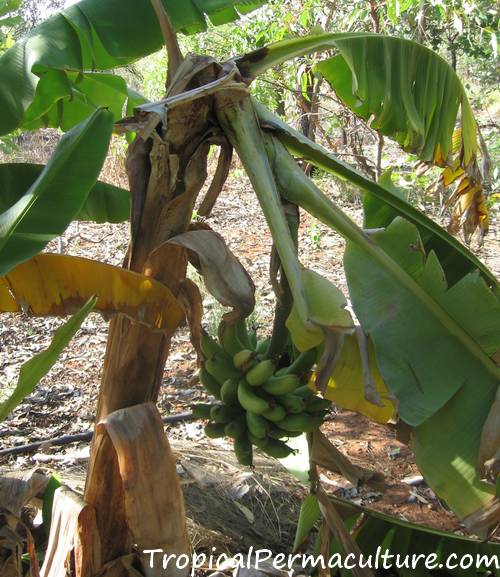
Growing bananas is a fascinating process, but it can be quite challenging for a variety of reasons. While they are technically not trees but giant herbs, bananas demand specific conditions to thrive, making their cultivation an intricate task for many gardeners. Understanding the requirements and potential difficulties can help in successfully growing bananas.
See also:
Growing Conditions for Bananas
Bananas need a very specific set of conditions to flourish. They thrive in tropical and subtropical climates, where the temperature remains consistently warm. The following factors are crucial for successful banana growth:
- Temperature: Ideal temperatures range from 75°F to 95°F (24°C to 35°C).
- Humidity: High humidity levels are essential; they prefer above 60%.
- Soil: Well-draining, organic-rich soil with a pH between 5.5 and 7.0 is required.
Watering Requirements
Water management is critical in banana cultivation. Bananas require substantial amounts of water to grow optimally. However, overwatering can lead to issues like root rot. Here are some key points:
- Consistent Watering: Bananas need about 1-2 inches of water weekly, either through rainfall or irrigation.
- Drainage: Ensure proper drainage to avoid waterlogging.
- Moisture Monitoring: Use a moisture gauge to regularly check soil humidity levels.
Pest and Disease Management
Pests and diseases can significantly impact banana growth, making management vital for healthy plants. Common threats include:
- Fusarium Wilt: A soil-borne fungus that destroys the plant.
- Spider Mites: These pests suck plant juices, weakening the banana plant.
- Prevention: Use organic pesticides and rotate crops to mitigate infestations.
Space and Support Considerations
Banana plants can grow quite large, requiring adequate space and support. Here are some vital considerations:
- Spacing: Each plant needs about 8 to 10 feet of space to ensure proper airflow and growth.
- Support Structure: Tall plants may need staking to prevent them from toppling over during storms.
- Protection: Use windbreaks or barriers if planting in windy areas.
Harvesting Challenges
Harvesting bananas is another phase where difficulty can arise, particularly regarding timing and techniques. Consider the following factors:
- Ripeness: Bananas should be harvested when they are still green but plump.
- Weight Management: Clusters can be heavy, requiring careful handling to prevent injury.
- Transport: Proper methods are needed to protect bananas during transit to avoid bruising.
Questions from Our Readers
How long does it take for banana seeds to germinate?
Banana seeds typically take about 2 to 6 weeks to germinate, depending on various factors such as temperature and humidity. Ensuring the seeds are kept in a warm and moist environment can help speed up the germination process.
What conditions are necessary for banana seeds to grow?
For optimal growth, banana seeds require warm temperatures, high humidity, and well-draining soil rich in nutrients. Maintaining these conditions will promote healthy growth and increase the chances of successful germination.
How fast do banana plants grow once germinated?
Once germinated, banana plants can grow surprisingly fast, typically reaching maturity in about 9 to 12 months. Under ideal conditions, you can expect the plant to develop quickly, producing fruit within the first growing season.
See also:
Can bananas grow in all climates from seed?
Bananas thrive in tropical and subtropical climates, making them unsuitable for colder regions. While banana plants can be grown from seed in various locations, they need to be kept in an appropriate climate to flourish and produce fruit.
If you want to read more articles like How Fast Do Bananas Grow from Seed? Discover the Growth Timeline and Tips for Successful Cultivation, we recommend you check out our Seeds category.
Leave a Reply