What Happens If You Don't Soak Seeds Before Planting? The Impact on Germination and Growth
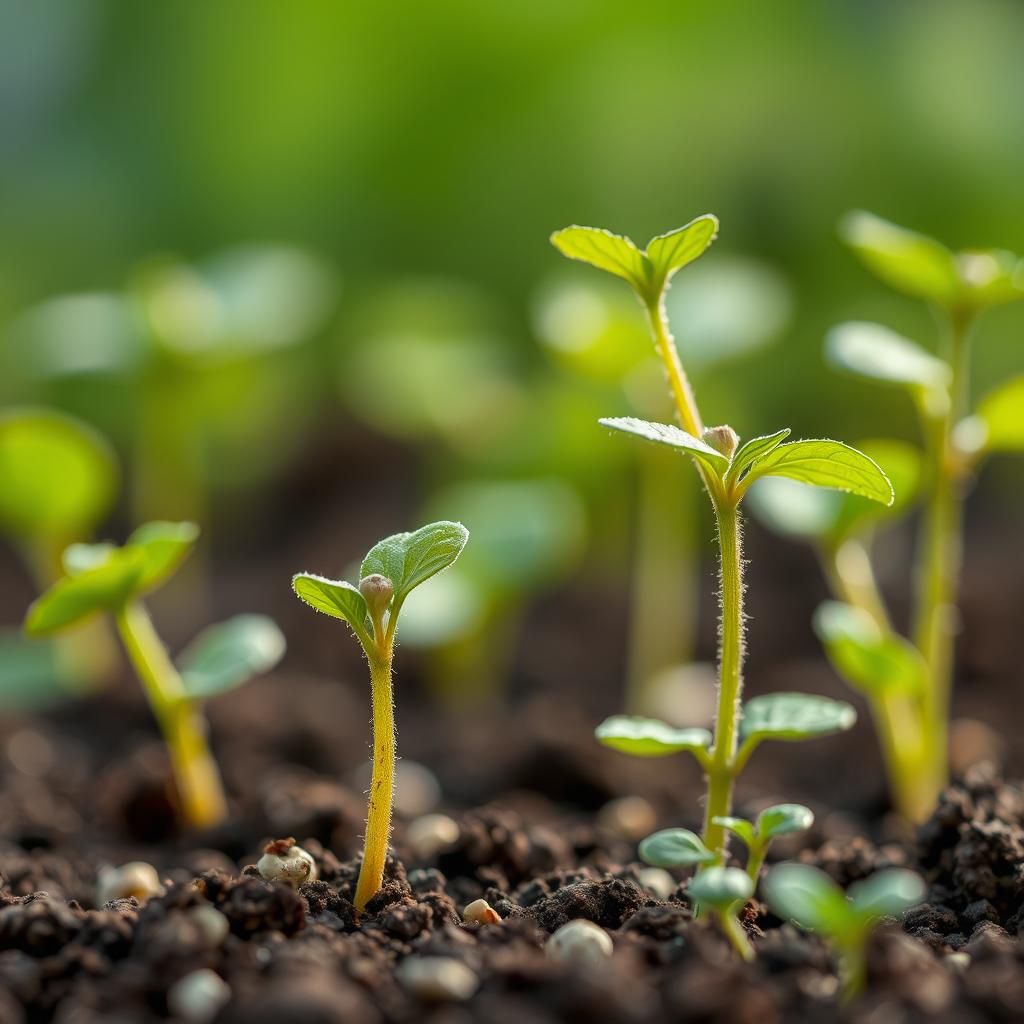
Soaking seeds before planting is a common gardening practice that many enthusiasts swear by. However, not all gardeners are aware of the consequences of skipping this crucial step. This article delves into the impact of not soaking seeds on germination rates and overall plant growth. By exploring the science behind seed hydration, we will uncover how a simple pre-planting technique can influence seed metabolism, root development, and ultimately, crop yields. Whether you're an experienced gardener or a novice, understanding the role of soaking can significantly enhance your gardening success and help you achieve a thriving garden.
What Happens If You Don't Soak Seeds Before Planting?
Not soaking seeds before planting can significantly impact their germination process. When seeds are not soaked, the natural dormancy often present in many types of seeds can interfere with the water absorption needed to initiate germination. This can lead to delayed sprouting, poor seedling development, or even complete failure to germinate. Some seeds require a period of soaking to soften their coats, allowing moisture to penetrate and trigger the biological processes that lead to germination. Consequently, not soaking seeds can result in uneven growth and reduced crop yields.
Importance of Water Absorption
Seeds require adequate water absorption to begin the germination process. When soaked, seeds swell, and the hard seed coat softens. This is essential since many seeds are encased in a tough outer layer that must break down for germination to occur. Without soaking, seeds may struggle to absorb water, leading to poor germination rates.
Effects on Germination Rate
The germination rate of seeds can be adversely affected when they are not soaked. Soaking seeds can increase the likelihood of sprouting by providing the necessary moisture for metabolic activities to start. Seeds that are not soaked may experience delayed germination, which can put them at a disadvantage compared to those that have been pre-soaked, especially in competitive environments.
Seed Dormancy
Many seeds naturally enter a state of dormancy, which can be broken by soaking. This process mimics natural conditions, helping to trigger the seed's growth processes. If seeds are not soaked, they may remain dormant and fail to germinate, hence leading to loss of viability and poor harvest outcomes. Understanding the dormancy mechanisms is important for effective planting strategies.
Soil and Nutrient Interactions
Soaking seeds can enhance their interaction with the soil environment. When planted dry, seeds may face obstacles in nutrient uptake due to the lack of moisture that assists in breaking down surrounding soil particles. Soaked seeds tend to make better contact with the soil, improving the chances for nutrient absorption and overall plant health.
Impact on Seedling Development
The first few days of a seedling’s life are critical. If seeds are not soaked and thus do not germinate effectively, the resulting seedlings may develop weakly or unevenly. Soaked seeds often develop stronger roots and healthier shoots, which contribute to better long-term growth and resilience against pests and diseases.
| Aspect | Soaked Seeds | Dry Seeds |
|---|---|---|
| Water Absorption | High | Low |
| Germination Rate | Higher | Lower |
| Seed Dormancy | Broken | Maintained |
| Nutrient Uptake | Improved | Restricted |
| Seedling Development | Strong | Weak |
Which seeds should not be soaked?
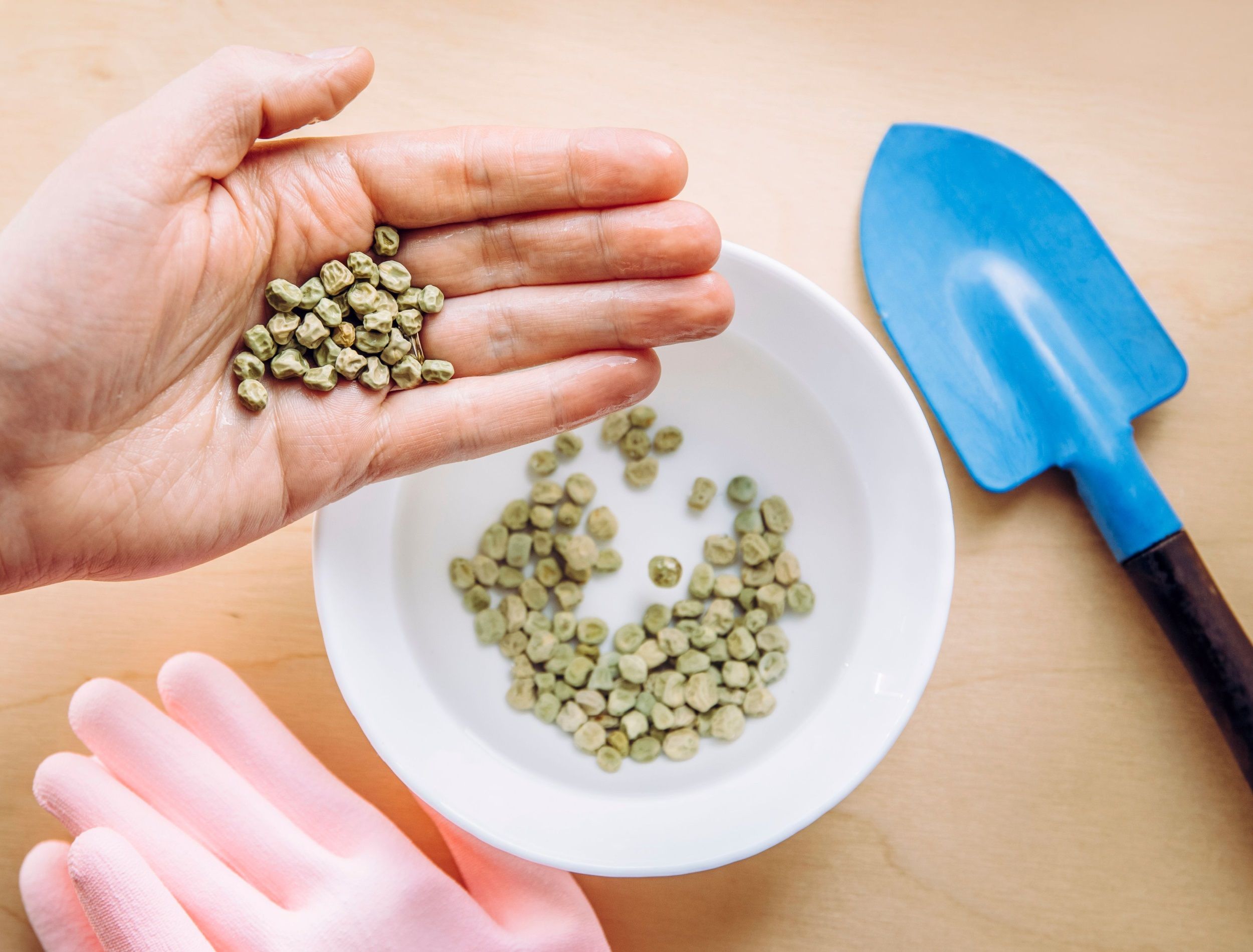
Soaking seeds is a common technique to enhance their germination process, but not all seeds benefit from this practice. In fact, there are specific seeds that should not be soaked prior to planting due to their unique properties or coat structures. Here are some examples of seeds that should be avoided for soaking:
1. Carrot Seeds:
Carrot seeds are very tiny and have a natural structure that enables them to absorb moisture directly from the soil. Soaking them can lead to premature germination and affect their viability.
- Carrot seeds are sensitive to water saturation.
- Excess water can cause them to become mushy.
- They thrive better when direct sowed into the soil.
2. Onion Seeds:
Like carrot seeds, onion seeds also tend to lose their germination ability if soaked. The moisture can cause them to sprout and then die before planting.
- Onion seeds are best sown dry.
- Soaking can reduce their shelf life.
- They benefit from a direct seed-to-soil relationship.
3. Peppers:
Soaking pepper seeds can lead to over-saturation and potential fungal growth. These seeds have a protective outer layer that is effective in controlling moisture.
- Soaking can cause fungal diseases.
- They require proper warmth and less moisture to germinate.
- Direct planting ensures better survival rates.
4. Tomato Seeds:
While many gardeners soak seeds, soaking tomato seeds can lead to unnecessary spoilage. They have a gel-like substance that protects them until they are ready to germinate.

- The gel can be advantageous for moisture retention.
- Excess moisture from soaking can compromise the seed.
- Direct planting is preferred for healthy growth.
5. Celery Seeds:
Celery seeds are very small and can easily clump together if soaked. This can result in uneven planting and poor germination rates.
- They germinate better when planted directly into the soil.
- Soaking can lead to difficulty in spacing and planting.
- They require precise conditions that soaking disrupts.
Is it necessary to soak seeds before planting?

Soaking seeds before planting is a common practice that can enhance the germination process, although it is not strictly necessary for all types of seeds. The key reasons for soaking seeds include improving their water absorption, speeding up germination, and helping to break dormancy in certain species. By allowing seeds to absorb water, they can swell and begin the germination process more effectively. It is crucial to note that not all seeds require soaking, as some may be sensitive to excess moisture or have specific requirements for germination.
Benefits of Soaking Seeds
Soaking seeds can be beneficial for several reasons:
- Faster Germination: Seeds that are soaked typically absorb water more quickly, which can lead to faster and more uniform germination.
- Improved Germination Rates: Soaking can help hydrate seeds thoroughly, leading to better germination rates for certain types of seeds.
- Breaking Dormancy: Some seeds have a hard outer shell and soaking can help break down these barriers, making it easier for the seeds to sprout.
Types of Seeds That Benefit from Soaking
Not all seeds require soaking, but certain types can benefit significantly:
- Legumes: Beans and peas often benefit from soaking, as it can reduce the time it takes for them to germinate.
- Large Seeds: Seeds that are larger and have a hard outer coating, such as corn, can absorb water better when soaked.
- Seeds with Dormancy: Some seeds need soaking to break dormancy mechanisms and trigger germination.
How to Properly Soak Seeds
If you decide to soak seeds, it's important to do it correctly:
- Duration: Generally, soaking seeds for 12 to 24 hours is sufficient, but this can vary based on the seed type.
- Water Temperature: Use room temperature water to avoid shocking the seeds.
- Draining and Planting: After soaking, be sure to drain the excess water before planting to prevent rot.
Potential Risks of Soaking Seeds
While usually beneficial, there are some risks involved in soaking seeds:
- Over-Soaking: Too much time in water can lead to seed rot and fungal growth.
- Waterlogged Conditions: Seeds planted without proper drainage after soaking can suffer from poor growth or death due to lack of oxygen.
- Specific Seed Needs: Some seeds may require specific pre-planting processes that soaking does not satisfy.
Alternatives to Soaking Seeds
If soaking isn’t suitable for particular seeds, there are alternatives:
- Scarification: This process involves physically breaking or softening the seed coat to encourage germination.
- Stratification: This method mimics natural conditions that seeds need to germinate, particularly for those requiring a period of cold.
- Direct Sowing: For some seeds, it may be more effective to plant directly in the soil without soaking.
Do seeds need to be constantly wet to germinate?
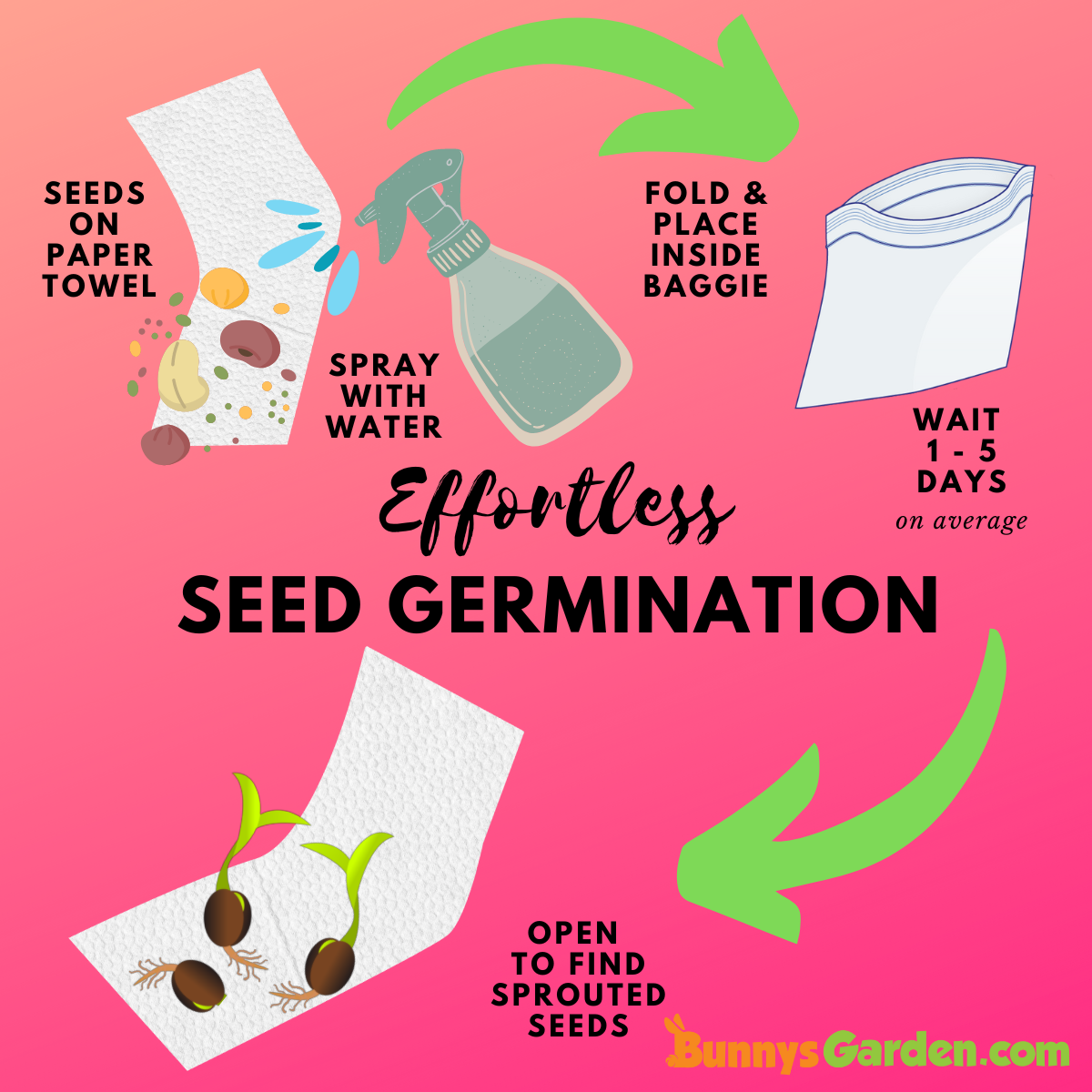
No, seeds do not need to be constantly wet to germinate. While moisture is essential for germination, prolonged exposure to water can actually hinder the process or lead to seed rot. Seeds require a specific moisture level to trigger the biochemical processes that initiate germination. Too much water can suffocate seeds and create an environment favorable to pathogens that can damage or kill the seeds.
Understanding Seed Dormancy
Seeds often enter a state of dormancy, which is a survival mechanism that protects them until conditions are favorable for germination. This dormancy can be broken by the right combination of water, temperature, and sometimes light.
- Temperature: The ideal temperature varies by species, influencing the metabolic activity necessary for germination.
- Water availability: Seeds need to imbibe a certain amount of moisture to activate their enzymes.
- Environmental cues: Factors like light exposure may also play a role in breaking dormancy.
The Role of Moisture in Germination
Moisture is crucial for the germination process as it helps to activate the seed’s metabolism and initiate the growth of the embryo. The process of imbibition, where seeds take up water, is the first step in germination.
- Imbibition: This is the absorption of water that makes the seed swell and burst the seed coat.
- Biochemical activation: Water activates enzymes that begin breaking down stored nutrients.
- Transpiration: Adequate moisture supports the development of roots and shoots during initial growth.
Watering Techniques for Seed Germination
To ensure successful germination, specific watering techniques are recommended. Overwatering can lead to damping off, a disease that affects seedlings.
See also:
- Soaking seeds: Some seeds benefit from being soaked in water for several hours before planting.
- Moist but not soggy: Keeping the medium damp allows for proper oxygen exchange.
- Bottom watering: This allows the seedling media to absorb water from the bottom up without over-soaking the seeds.
Signs of Overwatering
Recognizing the signs of overwatering can prevent damage to seeds and seedlings. Healthy seeds should not be constantly submerged in water, as this leads to various problems.
- Mold growth: White or fuzzy mold indicates excessive moisture that can harm seedlings.
- Yellowing leaves: This often signals root rot and nutrient deficiency due to a lack of oxygen in waterlogged soil.
- Wilting: Overwatered plants may still face wilting due to compromised roots or pathogen invasion.
Optimal Watering Schedule for Seeds
Establishing an optimal watering schedule can significantly enhance germination success. The water requirements will vary based on the type of seeds and the growing conditions.
- Check soil moisture: Use your finger to test soil moisture before watering.
- Moisture retention: Use seed-starting mix that retains moisture yet drains well.
- Humidity levels: Covering seeds with a plastic dome can maintain humidity without excess moisture.
Can we have seeds without soaking?

Yes, you can plant seeds without soaking them beforehand, but there are several factors to consider that may affect germination rates and overall plant health. Soaking seeds is a method used by many gardeners to promote faster germination and improve seed viability. However, not all seeds require soaking, and for some, it may even be counterproductive.
Benefits of Soaking Seeds
Soaking seeds before planting can offer several advantages that may enhance germination.
- Improved Germination Rate: Soaking can help to break down the seed coat, allowing moisture to penetrate more easily.
- Faster Germination: Seeds that are soaked can germinate more quickly as they absorb water, initiating the germination process.
- Elimination of Pathogens: Soaking seeds in certain solutions can help to disinfect them, reducing the risk of disease.
Types of Seeds That Don't Require Soaking
Certain types of seeds can be planted directly without soaking and still achieve good results.
- Small Seeds: Seeds like lettuce and carrots often germinate well without soaking due to their small size.
- Hardy Seeds: Some hardy seeds, such as peas, can tolerate soil moisture and do not require soaking.
- Seeds with Soft Coats: Seeds that naturally have thin or pliable coatings, like many herbs, can absorb water easily without pre-soaking.
Disadvantages of Not Soaking Seeds
While many seeds can be planted without soaking, there are some potential drawbacks.
- Delayed Germination: Without soaking, seeds may take longer to absorb moisture, delaying germination.
- Lower Germination Potential: Hard seeds may be less likely to germinate if not soaked, especially under dry conditions.
- Inconsistent Results: Not soaking can lead to uneven germination if seeds have varying moisture absorption rates.
Best Practices for Seed Planting Without Soaking
If you choose to plant seeds without soaking, there are methods to enhance your planting strategy.
- Moisten Soil: Ensure that the soil is adequately moist to help seeds absorb the necessary water after planting.
- Plant at Optimal Depth: Follow guidelines for the correct planting depth to ensure good seed-to-soil contact.
- Use Quality Seeds: High-quality, fresh seeds are more likely to germinate, even without soaking.
Alternative Methods to Soaking Seeds
Those looking for alternatives to soaking can explore other techniques that promote germination.
- Scarification: This involves physically breaking or scratching the seed coat to allow water penetration.
- Temperature Regulation: Keeping seeds at a warm temperature can sometimes be enough to kickstart germination.
- Using Growth Hormones: Some gardeners use substances that stimulate growth, which can help seeds germinate faster without soaking.
Questions from Our Readers
What happens to seed germination if seeds are not soaked before planting?
If seeds are not soaked before planting, germination may be significantly delayed. Soaking helps to soften the seed coat, allowing water to penetrate more easily and activate the embryo within. Without soaking, seeds may take longer to absorb moisture, leading to prolonged germination times and potentially lower growing success.
Can skipping the soaking process affect plant growth?
Yes, skipping the soaking process can affect plant growth negatively. When seeds are not pre-soaked, they may begin to germinate unevenly, resulting in inconsistent growth rates among seedlings. This can cause weaker plants that are less competitive in the garden or pot, ultimately resulting in lower yields.
Are there seed types that do not require soaking before planting?
Some seed types do not require soaking before planting, such as small seeds like lettuce or carrots, which can germinate successfully without pre-soaking. However, larger seeds, such as beans and peas, typically benefit from soaking, as it helps to weaken their tough seed coats and boost the chances of successful germination.
What measures can be taken if seeds are not soaked prior to planting?
If seeds are not soaked prior to planting, one measure is to water the soil thoroughly after planting to help initiate the germination process. Additionally, maintaining the right levels of moisture and temperature can encourage seed sprouting, albeit possibly at a slower pace than if they had been pre-soaked.
See also:

If you want to read more articles like What Happens If You Don't Soak Seeds Before Planting? The Impact on Germination and Growth, we recommend you check out our Seeds category.
Leave a Reply