What Time of Day is Best to Spray for Aphids? Find the Optimal Spraying Schedule for Effective Pest Control.

Aphids are notorious pests that can wreak havoc on gardens and crops, leading to reduced yields and damaged plants. Effective pest control requires not only the right insecticides but also strategic timing for application. Understanding the optimal time of day to spray for aphids is crucial for maximizing efficacy and minimizing harm to beneficial insects. This article explores various factors influencing aphid activity and pesticide absorption, offering a comprehensive guide to developing an effective spraying schedule. By aligning your spraying efforts with the natural behaviors of aphids, you can enhance your pest management tactics and protect your plants more effectively.
What Time of Day Is Best to Spray for Aphids?
The best time of day to spray for aphids is typically early in the morning or late in the afternoon. During these times, temperatures are cooler, and the sun is less intense, which helps to prevent the rapid evaporation of the pesticide and allows it to adhere better to the plants. Additionally, spraying when beneficial insects like ladybugs are less active can minimize harm to these helpful species while still effectively targeting the aphid population. It's also important to check the weather conditions, avoiding windy days that can cause drift and reduce application efficacy.
Morning vs Evening Spraying
Spraying in the morning allows for cooler temperatures and less wind, creating ideal conditions for the pesticide to work effectively. The morning dew may help the spray to stick to foliage, increasing its effectiveness. On the other hand, evening spraying can also be beneficial, as it allows the treatment to settle overnight and work on the aphids without the interference of hot afternoon sun. Both times have their merits, and gardeners should consider their specific conditions when choosing the best time.
Impact of Temperature
Temperature plays a crucial role in the effectiveness of pesticides. High temperatures can cause sprays to evaporate quickly, reducing their effectiveness and potentially harming the plants. Ideally, the temperature should be between 65°F and 85°F (18°C to 29°C) for optimum results. If temperatures are too high or too low, the pesticide may not work as intended, necessitating careful timing for application depending on the day’s forecast.
Humidity and Its Effects
Humidity can affect the effectiveness of sprays used against aphids. Higher humidity levels support better adhesion of the pesticide to the plants, thus enhancing efficacy. However, if humidity is too high, it can lead to faster degradation of the pesticide solution. Therefore, aiming for moderate humidity levels during morning or evening spraying times can improve results while minimizing waste of product.
Wind Conditions
Windy conditions can severely impact spraying effectiveness by causing drift, leading to uneven application and affecting non-target plants. Early morning often brings less wind, allowing for more controlled conditions during spraying. It is advisable to wait for a calm day with little wind to ensure that the pesticide lands on the intended foliage rather than being blown away.
Monitoring Beneficial Insects
Timing your spray application to avoid peak activity times for beneficial insects is critical. For instance, late afternoon might be ideal since many helpful insects are less active during this time, reducing the risk of harming them while still targeting aphids. Monitoring the activity of beneficial insects like ladybugs or lacewings can help in making informed decisions about when to spray, ensuring both pest control and the protection of valuable allies in your garden.
| Time of Day | Temperature Range | Humidity Level | Wind Conditions |
|---|---|---|---|
| Early Morning | 65°F - 85°F | Moderate | Low |
| Late Afternoon | 65°F - 85°F | Moderate | Low |
What time of day to spray for aphids?

Aphids are small pests that can cause significant damage to plants if left unchecked. The timing of your spray application can greatly influence its effectiveness. The best time of day to spray for aphids is typically in the early morning or late afternoon. This is when temperatures are cooler, and the sun isn't as intense, which can help the spray remain on the plant longer without evaporating.
Early Morning Spraying
Spraying in the early morning has several advantages:
See also:
- Lower Temperatures: Morning temperatures are often cooler, which helps keep the spray solution effective.
- Less Wind: Wind speeds tend to be lower in the morning, reducing drift and ensuring that the product stays on the plants.
- Decreased Sunlight: Applying pesticides before the sun is fully up reduces the risk of the spray evaporating too quickly.
Late Afternoon Spraying
Choosing to spray in the late afternoon or early evening also has its benefits:
- Temperature Drops: As the sun sets, temperatures begin to drop, which can help prolong the effectiveness of the spray.
- Humidity Increases: Evening humidity can help the solution adhere better to the aphids and the plants.
- Less Activity: Aphids and other pests may be less active during cooler evening temperatures, making them easier targets.
Avoiding Midday Sprays
Spraying during the midday hours can often be counterproductive:
- High Temperatures: The increased heat can cause the spray to evaporate quickly, diminishing its effectiveness.
- Intense Sunlight: Direct sunlight can break down some pesticides, rendering them less effective.
- Increased Pest Activity: Many pests are most active during the day, which could lead to more aphids escaping treatment.
Weather Considerations
The weather also plays a crucial role in determining the best time to spray:
- Wind Conditions: A still day is ideal for spraying, as strong winds can cause drift and reduce effectiveness.
- Rain Forecast: If rain is expected shortly after spraying, it can wash away the pesticide, making application ineffective.
- Humidity Levels: Moderate humidity levels can enhance the sticking properties of the spray, so consider this when timing your application.
Consistency in Application Timing
Regularity and timing are crucial in the ongoing battle against aphids:
- Follow-Up Treatments: Consistent application at the same time each day or week helps maintain control over aphid populations.
- Monitor Aphid Activity: Keeping an eye on aphid numbers can dictate when to reapply treatment for maximum effectiveness.
- Integrate into Routine: Regularly scheduling your tasks for pest management can contribute to an overall healthier garden.
What is the most effective pesticide for aphids?
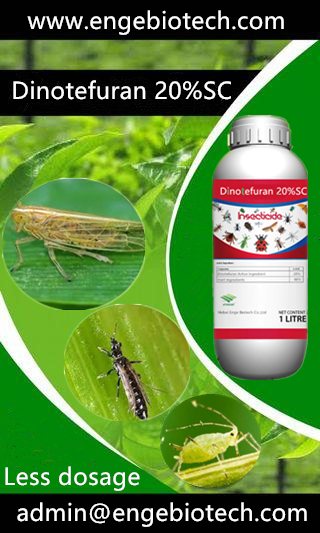
The most effective pesticide for aphids is typically one that targets their specific biology and lifecycle while minimizing harm to beneficial insects. Here are some common options that have proven effective:
1. Neem Oil: This is a natural pesticide derived from the seeds of the neem tree. It works by disrupting the life cycle of aphids, making it an excellent choice for organic gardeners.
2. Insecticidal Soaps: These soaps kill aphids on contact. They work by suffocating the pests and can be very effective when applied properly, ensuring thorough coverage.
3. Pyrethroids: Synthetic chemicals that mimic natural pyrethrins, they are effective against a wide range of insects, including aphids. However, caution should be taken due to their potential to harm beneficial insects.
4. Horticultural Oils: These oils smother insects and can control aphids effectively. They create a barrier that prevents aphids from feeding and reproducing.
See also:
5. Systemic Insecticides: These are absorbed by the plant and can kill aphids that feed on it. They are particularly useful for severe infestations but may have broader environmental impacts.
Neem Oil
Neem oil is a highly effective natural pesticide effective against aphids. Its active ingredient, azadirachtin, disrupts the hormonal balance of the insects, making it difficult for them to grow and reproduce.
- Safe for Beneficial Insects: Unlike many synthetic pesticides, neem oil has minimal effects on beneficial insects, such as bees and ladybugs.
- Multiple Modes of Action: It not only kills aphids but also deters them from feeding and interfering with their mating behavior.
- Application Ease: Neem oil can be easily mixed with water and sprayed onto affected plants.
Insecticidal Soaps
Insecticidal soaps are a targeted method for controlling aphids. They work by penetrating the exoskeleton of the aphids, leading to dehydration and death.
- Non-Toxic Residue: Once dry, insecticidal soap leaves no toxic residue, making it safe for use around pets and children.
- Effective on Contact: This method is most efficient when aphids are directly sprayed.
- Environmentally Friendly: Being biodegradable, these soaps are safe for the environment.
Pyrethroids
Pyrethroids are synthetic insecticides that emulate the effects of natural pyrethrins found in chrysanthemum flowers. They are fast-acting and provide quick knockdown of aphids.
- Broad Spectrum: Effective against various insect pests, not just aphids, making them versatile in pest control.
- Residual Activity: Pyrethroids can linger on plant surfaces, offering continued protection against new aphid invasions.
- Potential Environmental Impact: They may negatively affect non-target insects, so careful application is crucial.
Horticultural Oils
Horticultural oils are refined petroleum or vegetable oils that kill aphids when they are coated. They work by suffocating the aphids.
- Effective in Multiple Conditions: These oils can be used in various weather conditions, unlike some other pesticide alternatives.
- Organic Options Available: Some horticultural oils are approved for organic gardening, making them a favorable choice.
- Prevention of Egg Hatching: They can also help prevent the hatching of aphid eggs.
Systemic Insecticides
Systemic insecticides are taken up by the plant and reside in its tissues, making them effective even if aphids are hidden.
- Long-lasting Protection: These insecticides can provide prolonged protection against aphids, as they remain within the plant.
- Targeted Action: Effective for severe infestations where immediate control is necessary.
- Risk of Non-target Effects: Care should be taken as they can also affect beneficial insects that feed on the treated plants.
Questions from Our Readers
What time of day is best to spray for aphids?
The best time to spray for aphids is during the early morning or late afternoon. These times are ideal because the temperatures are cooler, which can reduce the risk of harming beneficial insects and increase the efficacy of the spray.
Why is it better to spray in the morning or late afternoon?
Spraying in the morning or late afternoon helps avoid the heat of the midday sun, which can cause the spray to evaporate quickly and decrease its effectiveness. Additionally, it minimizes the stress on the plants being treated.
Can I spray for aphids at night?
While it is possible to spray for aphids at night, it is generally less effective due to the cooler temperatures and potential dew on the plants. These conditions can hinder the stickiness and absorption of the spray.
Should I avoid spraying on windy days?
Yes, it is highly recommended to avoid spraying on windy days. Wind can cause the spray to drift away from the target plants, reducing its impact on aphids and increasing the risk of affecting nearby beneficial insects.
See also:

If you want to read more articles like What Time of Day is Best to Spray for Aphids? Find the Optimal Spraying Schedule for Effective Pest Control., we recommend you check out our Insects category.
Leave a Reply
Related Articles