What Scent Do Aphids Hate? Discover Effective Solutions to Repel These Pests!

Aphids are notorious pests that can wreak havoc on gardens and crops, sucking the sap from plants and weakening their overall health. Finding effective solutions to repel these tiny invaders is crucial for maintaining a thriving garden. One of the most intriguing aspects of pest control is the use of scent, as certain aromas can deter aphids without harming beneficial insects or plants. In this article, we will explore the scents that aphids hate and provide practical tips on how to implement them in your gardening routine. Discover how to keep these pesky pests at bay with natural, fragrant solutions!
What Scent Do Aphids Hate?
Aphids are known for being persistent pests in gardens and on crops, and targeting their sense of smell can be an effective way to manage them. These small insects are repelled by certain strong scents, particularly those related to essential oils. Oils such as peppermint, rosemary, and lavender are especially effective in deterring aphids, as they disrupt the insects' ability to find plants. The strong aromas mask the natural scents of plants, which aphids rely on to locate their food sources. By incorporating these aromatic substances into pest management strategies, gardeners can create an inhospitable environment for aphids while supporting the health of their plants.
Essential Oils to Repel Aphids
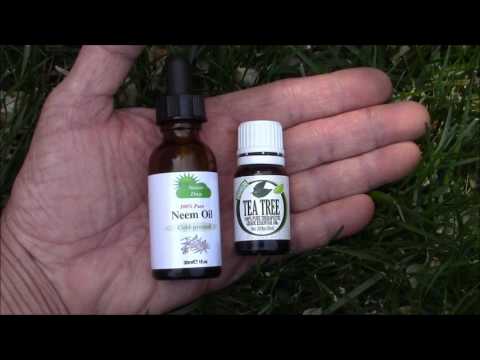
One of the most promising methods for repelling aphids is the use of essential oils. Oils derived from plants such as peppermint and tea tree are particularly effective, as they not only disrupt the aphids' olfactory receptors but also can act as insecticidal agents. When diluted and sprayed on affected plants, these oils can create a protective barrier that deters aphid infestations. Moreover, the pleasant fragrances make this method appealing for equally deterring other pests without the use of harsh chemicals.
DIY Aphid Repellent Recipes
Creating a DIY aphid repellent is simple and can be done with common household items. A basic recipe might include mixing water with a few drops of dish soap and several drops of essential oils such as lavender or peppermint. This mixture can be sprayed directly onto plants to repel aphids. The soap helps the oil adhere to the plant leaves, enhancing its effectiveness. Regular application, particularly after rain or watering, can keep aphids at bay while being environmentally friendly.
Other Natural Scents That Deter Aphids
In addition to essential oils, there are other natural scents that can help to repel aphids. Scents from garlic and onion have been shown to be effective deterrents as well. These strong fragrances can confuse aphids and make it difficult for them to locate their preferred host plants. Interplanting garlic or onion in your garden can not only help reduce aphid populations but also enhance the overall biodiversity and health of your garden ecosystem.
The Role of Companion Planting
Companion planting can also play a significant role in controlling aphid populations through the use of repellent scents. Certain plants, such as marigolds and basil, emit odors that repel aphids and attract beneficial insects. By strategically planting these in proximity to vulnerable crops, gardeners can create a natural barrier against aphids while promoting the presence of predatory insects that feed on these pests. This technique highlights the importance of plant relationships in pest management.
Using Scent as Part of a Holistic Pest Management Strategy
Incorporating scent-based methods into a holistic pest management strategy is crucial for sustainable gardening. While scents can effectively repel aphids, it is also important to combine these methods with other practices like maintaining plant health, encouraging beneficial insects, and optimizing garden conditions. By utilizing the power of scent alongside other organic practices, gardeners can create a balanced ecosystem that minimizes pest pressures, including aphid infestations.
| Essential Oils | Repelling Effectiveness |
|---|---|
| Peppermint | High |
| Lavender | Medium |
| Tea Tree | High |
| Garlic | Medium |
| Onion | Medium |
What smell deters aphids?
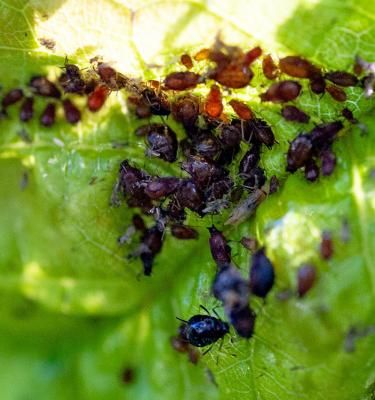
Aphids are commonly known pests that can disrupt the health of plants. One effective way to deter these insects is through the use of certain smells that repel them. Research indicates that strong scents can disrupt aphids' feeding patterns and behaviors. Some of the most effective scents include those derived from essential oils, certain herbs, and compounds found in some natural insect repellents.
Essential Oils That Deter Aphids
Essential oils are concentrated plant extracts known for their aromatic properties. Many of these oils exhibit insect-repelling qualities. Here are some essential oils that are particularly effective against aphids:
See also:
- Peppermint oil: Known for its strong minty scent, peppermint oil can effectively deter aphids.
- Neem oil: This oil disrupts the feeding habits of aphids and can also harm their eggs.
- Rosemary oil: The aroma of rosemary has been noted to repel many insects, including aphids.
Herbs That Naturally Repel Aphids
Planting certain herbs around susceptible plants can help create a natural barrier against aphids. These herbs have intense odors that aphids find unappealing:
- Basil: Not only useful in cooking, basil's strong scent can deter aphids from surrounding plants.
- Garlic: The pungent smell of garlic is a well-known deterrent for various pests, including aphids.
- Lavender: This fragrant herb is not only pleasant for humans but also repels aphids with its scent.
Natural Insect Repellents
In addition to essential oils and herbs, there are natural insect repellents designed to deter aphids. These products often use specific compounds that aphids find instinctively repellent:
- Citrus-based sprays: The scent and acidity in citrus can deter aphids effectively.
- Soap solutions: Mild soap mixed with water can create a barrier that alters the smell around plants.
- Vinegar solutions: The strong smell of vinegar can disrupt aphid attraction towards plants.
Using Smells in Companion Planting
Companion planting involves placing different plants together to provide mutual benefits, including pest deterrence. The smells emitted by some companion plants can help repel aphids:
- Nasturtiums: These vibrant flowers attract aphids away from more valuable crops.
- Marigolds: Known for their pungent odor, marigolds can deter various pests, including aphids.
- Chives: This common herb releases a strong odor that can mask the scent of plants that aphids prefer.
The Impact of Scent on Aphid Behavior
Aphids' behavior is significantly influenced by smell; they rely on scent to locate food sources. By disrupting these olfactory signals, plants can reduce aphid infestations:
- Feeding disruptions: Strong scents can interfere with aphids' ability to locate their preferred hosts.
- Reproductive changes: Pheromones and other smells can be altered by certain deterrent scents, affecting aphid reproduction.
- Host selection: Smells from certain plants can redirect aphids to less desirable options, thereby protecting more valuable crops.
What is the best natural repellent for aphids?
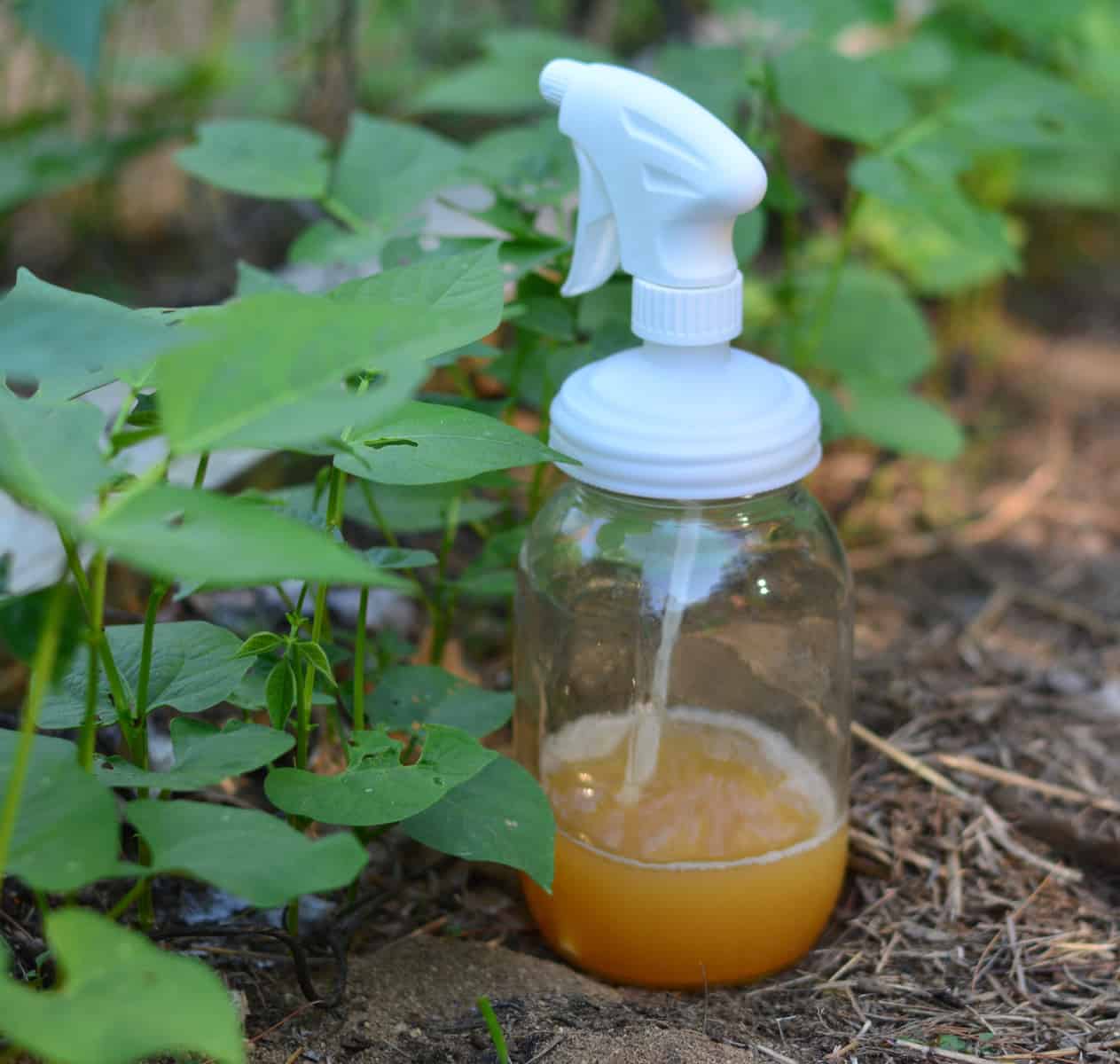
The best natural repellent for aphids is often considered to be neem oil. Derived from the seeds of the neem tree (Azadirachta indica), neem oil contains compounds that disrupt the life cycle of aphids, making it an effective solution. It acts by deterring aphids from feeding on plants and can also affect their reproductive abilities. To use neem oil, mix it with water and a few drops of dish soap, apply it directly to the affected plants, and allow it to work for several days.
Understanding the Role of Neem Oil
Neem oil is a potent natural insecticide that not only repels aphids but also targets multiple pests. Its effectiveness lies in several active compounds, such as azadirachtin, which interfere with the insects’ hormonal systems. These compounds primarily cause disturbances in feeding, growth, and reproduction:
- Feeding Deterrent: Neem oil makes plants taste bitter, discouraging aphid feeding.
- Growth Inhibition: It prevents immature aphids from developing into adults by disrupting their growth patterns.
- Reproductive Control: Neem oil also impacts reproductive abilities, reducing the overall aphid population.
Homemade Soap Solution
A simple yet effective natural repellent for aphids can be created using soap. A soap solution can effectively suffocate aphids and disrupt their protective coatings. Here is how to make and apply it:
- Mix 1-2 tablespoons of liquid soap (not detergent) in a spray bottle filled with water.
- Shake well to mix and spray it directly onto the affected areas of the plants.
- Reapply every few days or after rainfall for continued protection.
Essential Oils as Repellents
Many essential oils can repel aphids due to their strong scents and insecticidal properties. Oils like peppermint, rosemary, and lavender are particularly effective when diluted and sprayed on plants. Their intense aromas mask the scent of the plants, making them less attractive to aphids:
- Mix a few drops of essential oil with water and a few drops of soap.
- Shake well before spraying onto the plants.
- Reapply weekly to maintain a protective barrier.
Companion Planting
Companion planting is an ecological method that can naturally repel aphids. Certain plants deter aphids or attract beneficial insects that feed on them. Common companions include:
See also:
- Marigolds: Emit scents that repel aphids and other pests.
- Garlic: Planting garlic can deter aphids due to its strong odor.
- Chives: Their pungent smell helps protect surrounding plants from aphid infestations.
Encouraging Beneficial Insects
Creating a habitat for beneficial insects like ladybugs and lacewings can naturally control aphid populations. These predators can significantly reduce aphid numbers through increased predation:
- Plant flowers like dill, yarrow, or fennel to attract these beneficial species.
- Avoid using synthetic pesticides that may harm these helpful insects.
- Provide a balanced garden ecosystem to support their presence.
How do I get rid of aphids asap?
:max_bytes(150000):strip_icc()/control-aphids-on-houseplants-1902889-FINAL-9e4d8d6f77874b13ad9b9bc5800471c1.png)
To get rid of aphids as soon as possible, there are several effective methods you can employ. Aphids are small, soft-bodied insects that can damage plants by sucking their sap, leading to stunted growth and the potential spread of diseases. Here are some strategies to eliminate them quickly:
1. Use Insecticidal Soap
Insecticidal soap is a popular choice for managing aphid infestations. This product works by suffocating the aphids and disrupting their cell membranes, which effectively kills them.
- Purchase a commercially available insecticidal soap or make your own by mixing 2 tablespoons of liquid soap (do not use degreaser or detergent) in 1 quart of water.
- Spray the affected plants thoroughly, ensuring to cover both the top and the undersides of leaves where aphids often hide.
- Repeat every few days until the aphids are completely gone, usually within a week.
2. Introduce Natural Predators
Natural predators can significantly reduce aphid populations. Ladybugs and lacewings are particularly known for their appetite for aphids.
- Purchase ladybugs or lacewing larvae from a garden supply store; releasing them in your garden is a natural way to combat aphids.
- Attract beneficial insects by planting companion plants like dill, fennel, or yarrow, which can help sustain them.
- Ensure you do not use pesticides that can harm these beneficial insects to maximize their effectiveness.
3. Use Neem Oil
Neem oil is a versatile pesticide derived from the seeds of the neem tree. It disrupts the life cycle of aphids and prevents them from feeding.
- Mix neem oil with water following the manufacturer’s instructions, typically around 1-2 tablespoons per quart.
- Spray the mixture onto the affected plants, making sure every part of the plant is covered.
- Reapply every 7-14 days or as needed until aphid populations decrease significantly.
4. Water Spray
A strong stream of water can help dislodge aphids from plants without the need for chemicals.
- Use a hose or spray bottle to apply a strong jet of water directly on the infested areas of the plant.
- Target both leaf surfaces to ensure you remove as many aphids as possible.
- Repeat this process daily for several days until you notice a significant reduction in aphid numbers.
5. Homemade Garlic or Chili Spray
Garlic and chili are natural repellents for aphids. Creating a homemade spray can deter them from infesting your plants.
- Blend a few garlic cloves or 2-3 tablespoons of crushed chili peppers with water, and let it sit overnight.
- Strain the mixture to remove solids and dilute it further with water if necessary.
- Spray the solution on affected plants, focusing on areas where aphids are present, and reapply every few days.
Questions from Our Readers
What scent do aphids hate?
Aphids are known to be repelled by certain scents, particularly the smell of citrus and peppermint. Essential oils from these plants can effectively deter aphids, making them less likely to infest your garden or plants.
How can I use scents to repel aphids?
To repel aphids using scents, you can create a natural spray by mixing water with a few drops of citrus or peppermint essential oils. Spraying this mixture on affected plants can help keep aphids at bay due to the strong aroma that they find unpleasant.
See also:
Are there any other scents that aphids dislike?
In addition to citrus and peppermint, aphids also tend to avoid the scents of lavender, rosemary, and basil. Incorporating these plants in your garden can serve as a natural deterrent against aphid infestations.
Can I rely solely on scents to control aphids?
While using scents can help repel aphids, it is not a complete solution. It is recommended to combine scented plants or sprays with other pest control methods, such as introducing natural predators like ladybugs, for more effective management of aphids in your garden.
If you want to read more articles like What Scent Do Aphids Hate? Discover Effective Solutions to Repel These Pests!, we recommend you check out our Insects category.
Leave a Reply
Related Articles