What Not to Plant Next to Blueberries? Essential Tips for Gardeners
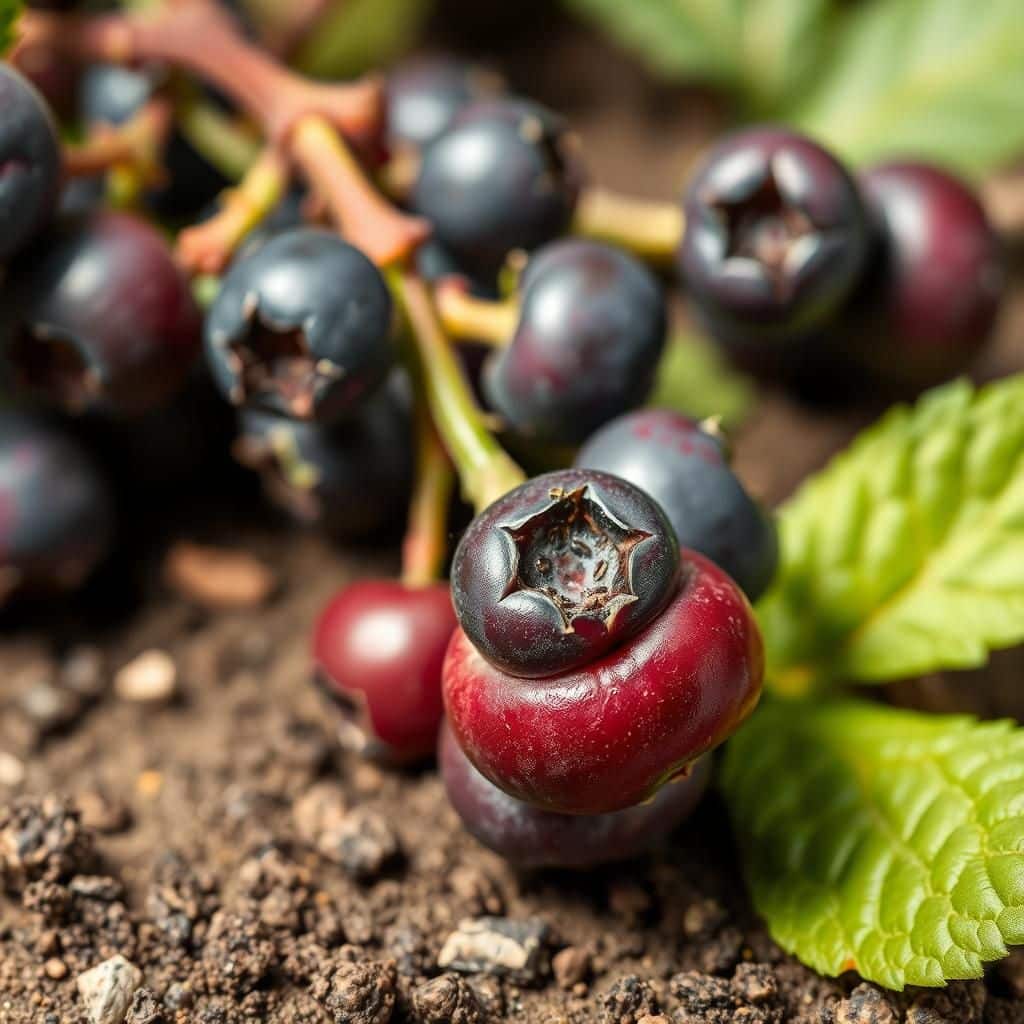
When cultivating blueberries, choosing the right companion plants is crucial for their growth and productivity. While blueberries thrive in acidic soil and prefer certain conditions, not all plants are suitable neighbors. Some can hinder their growth, attract pests, or compete for essential nutrients. In this article, we will explore which plants to avoid planting next to blueberries, providing essential tips for gardeners looking to create a harmonious and fruitful garden. Understanding these compatibility issues will help you maximize the health of your blueberry plants and ensure a bountiful harvest season after season.
What Should You Avoid Planting Next to Blueberries?
When planning your blueberry garden, it's essential to be aware of companion planting practices, as some plants can negatively impact the growth and yield of your blueberries. Avoid planting crowded or invasive species like tomatoes, peppers, or eggplants, which can compete for nutrients and moisture; these plants prefer a more alkaline soil, whereas blueberries thrive in acidic conditions. Additionally, avoiding other fruit-bearing plants that are susceptible to the same pests and diseases as blueberries, like strawberries or rhubarb, will help maintain a healthier garden ecosystem. Lastly, steer clear of plants that require heavy fertilization or have different watering requirements, which can disrupt the optimal conditions blueberries need for robust growth.
Incompatible Plants
Certain plants are not well-suited to grow alongside blueberries due to their differing soil and water requirements. Plants like brassicas (e.g., broccoli, cauliflower) thrive in more alkaline conditions and can lead to nutrient competition, which is detrimental to blueberries. Their requirements can attract pests that also target blueberries, leading to a decline in plant health. Furthermore, heavy feeders such as corn can deplete necessary nutrients from the soil, adversely affecting the growth of blueberry bushes.
Pest Considerations
Planting species that attract pests can create problems for your blueberry crop. For instance, plants like marigolds are often thought to deter pests, but they can also draw in unwanted insects that may target blueberries. Avoiding plants that create habitats for pests can minimize damage and reduce the reliance on chemical interventions. Instead, selecting plants that encourage beneficial insects can protect your blueberries, ultimately enhancing your garden's biodiversity.
Soil Compatibility
Blueberries have a preference for acidic soil with a pH between 4.5 and 5.5. Planting them near species that prefer neutral to alkaline conditions can lead to detrimental soil competition. For example, ornamental grasses and many herbs typically grow better in less acidic soils, potentially leading to a decline in blueberry health if planted too close. Careful consideration of soil preferences is crucial for maintaining forest health.
See also:
Watering Needs
Blueberries require consistent moisture but can be susceptible to overwatering. Hence, planting them near species with different watering needs can lead to water stress. For instance, plants like lavender or certain medicinal herbs prefer drier conditions and may compete with blueberries for moisture, affecting their growth. It’s essential to create a compatible watering schedule that suits all plants involved.
Competing Nutrients
Certain plants can consume more nutrients from the soil than blueberries do, leading to nutrient depletion which is harmful to their growth. Heavy feeders like squash and pumpkins can quickly rob soil of essential nutrients, including nitrogen and potassium. By planting such species nearby, you not only affect the nutrient availability for blueberries but may also require more frequent soil amendments, which can further complicate management.
| Plant Type | Soil Preference | Water Needs | Nutrient Competition |
|---|---|---|---|
| Tomatoes | Neutral | Moderate | High |
| Corn | Neutral | Moderate | Very High |
| Squash | Neutral | High | High |
| Rhubarb | Neutral | Moderate | Moderate |
| Brassicas | Alkaline | Moderate | Moderate to High |
Essential Plants to Avoid Near Blueberries
When planning your garden, it's crucial to be aware of companion planting dynamics, especially when it comes to blueberries. These acid-loving plants thrive in specific conditions, and planting them alongside certain neighbors can lead to poor growth and reduced yields. For instance, brassicas such as cabbage and broccoli compete for nutrients and can alter soil pH, which is detrimental to blueberries. Additionally, herbs like mint and basil have aggressive root systems that can inhibit the growth of blueberries, making careful selection of nearby plants essential for a thriving garden.
Plants that Compete for Nutrients
Certain plants, including corn and sunflowers, are known to absorb excessive amounts of nutrients from the soil, which can lead to deficiencies in blueberries. These larger plants can overshadow blueberries, and their root systems may disrupt the delicate balance needed for blueberry health. When considering your garden layout, it's important to opt for companion plants that either have minimal nutrient requirements or can thrive in conjunction without competing for essential resources.
Pests and Disease Indicators
Some plants attract pests and diseases that can be harmful to blueberries. For instance, planting potatoes or tomatoes nearby can increase the risk of velvet leaf and leaf spot diseases, which could easily spread to your blueberries. It's wise to create a buffer zone between these crops and your blueberries to mitigate the potential for disease transmission, ensuring a healthier garden and better fruit production.
See also:
Soil pH Alterers
Blueberries require highly acidic soil, ideally within a pH range of 4.5 to 5.5. However, certain plants, such as sweet clover and chickpeas, can alter soil pH towards the alkaline side. This shift creates an unsuitable environment for blueberries, strongly affecting their growth and overall health. Be mindful of the soil requirements of all nearby plants to maintain ideal conditions for your blueberry crops.
Shade-Casting Neighbors
When selecting companion plants, be cautious of those that can cast shade on blueberries. Tall plants like sunflowers or kohlrabi can hinder sunlight access to blueberries, which are generally sun-loving plants. Insufficient sunlight can limit photosynthesis, ultimately impacting fruit production. Strategically positioning plants can ensure that blueberries receive the ideal amount of light required for optimal growth.
Avoiding Invasive Species
Invasive plants can become problematic when they invade the space of your blueberries. Varieties such as Japanese knotweed or bindweed can aggressively take over the growing area, out-competing blueberries for both space and vital resources. Keeping an eye out for invasive species and maintaining a tidy garden can help safeguard your blueberries and allow for a more productive growing season.
Questions from Our Readers
What plants should I avoid planting next to blueberries?
Blueberries generally do not thrive well when planted near members of the Brassica family, such as cabbages and broccoli, as they can compete for nutrients and space. Additionally, plants like nightshades (e.g., tomatoes and potatoes) can harbor pests and diseases that may negatively affect blueberry health.
Can I plant herbs near blueberries?
While some herbs can complement blueberries, it is best to avoid planting highly aromatic herbs like mint and rosemary too close, as they might compete for resources or alter the soil conditions. Instead, consider planting herbs like chives or parsley, which can benefit blueberry plants.
See also:
Are there any trees that should not be planted near blueberries?
Yes, it is advisable to avoid planting conifers, such as pine or spruce trees, near blueberries because their acidic root systems may interfere with the pH balance that blueberries prefer. Instead, opt for plants that can coexist within a similar soil type.
What about planting flowers next to blueberries?
Certain flowers, particularly daisies and marigolds, can be beneficial as they may attract pollinators. However, avoid those that can be aggressive or may attract pests, such as sunflowers, since they can outcompete blueberries for sunlight and nutrients.

If you want to read more articles like What Not to Plant Next to Blueberries? Essential Tips for Gardeners, we recommend you check out our Berries category.
Leave a Reply
Related Articles