Do Raspberries Need a Trellis to Climb? Essential Tips for Growing Healthy Berries
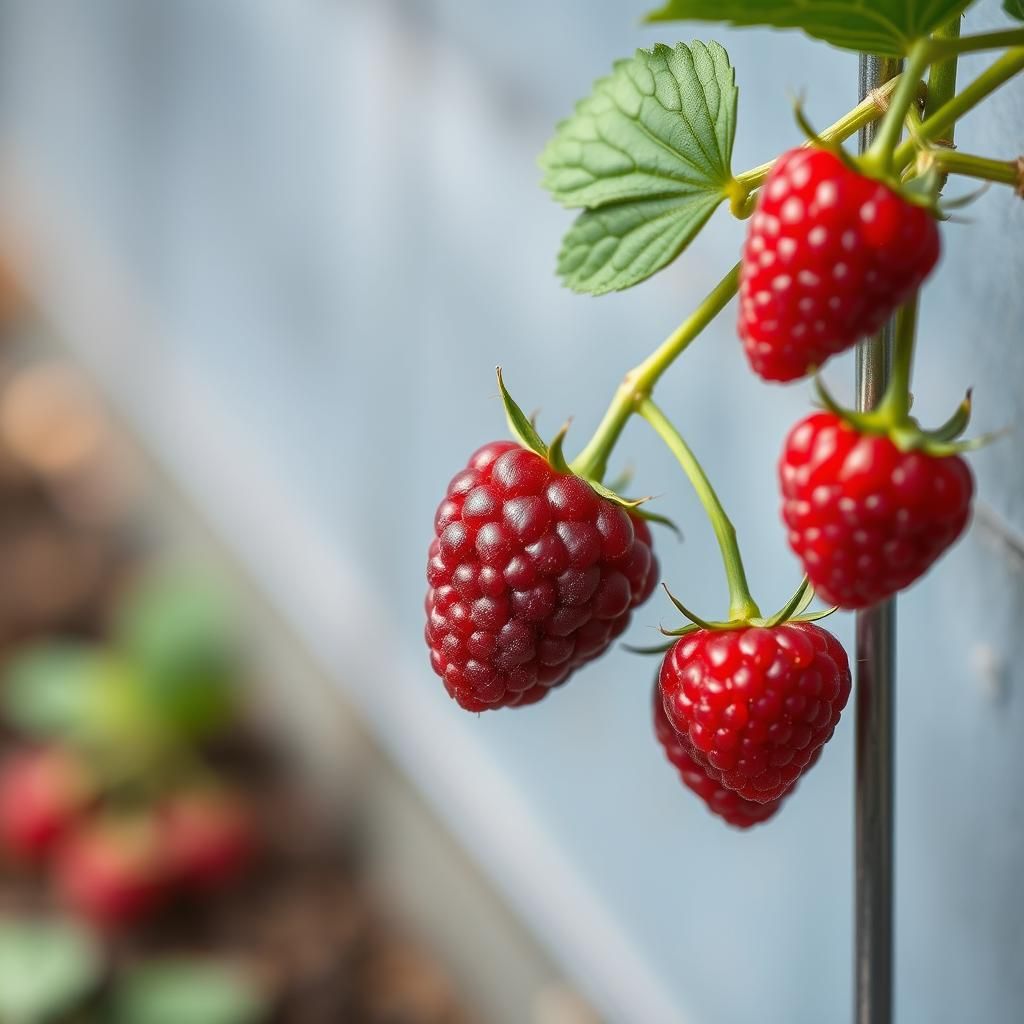
When it comes to growing healthy raspberries, understanding the best support systems is crucial for success. Many gardeners wonder whether raspberries truly need a trellis to thrive. A trellis can provide numerous benefits, including improved air circulation, easier harvesting, and better sunlight exposure. This article will explore the advantages of using a trellis for raspberries, offer essential tips for construction and maintenance, and guide you through making the best decisions for your berry patch. By implementing these practices, you can ensure a bountiful harvest of delicious, juicy raspberries in your garden.
Do Raspberries Need a Trellis to Climb?
Raspberries can indeed benefit from a trellis system, which helps support the canes and promotes healthier growth. While they are capable of growing without a trellis, utilizing one can enhance air circulation, reduce the risk of disease, and facilitate easier harvesting. A trellis provides stability, allowing the canes to grow vertically rather than sprawling across the ground, which can help maximize fruit production and minimize damage from pests or disease. Moreover, a well-designed trellis makes the plants more accessible for pruning and maintenance, which are essential aspects of successful raspberry cultivation.
Benefits of Using a Trellis for Raspberries
Using a trellis for raspberries offers multiple benefits, including improved air circulation and sunlight exposure, which are essential for healthy fruit development. Increased airflow around the plants reduces the likelihood of fungal diseases, while better sunlight absorption supports photosynthesis, promoting vigorous growth. Furthermore, a trellis helps keep the fruit cleaner by elevating the canes off the ground, minimizing contact with soil-borne pathogens and allowing for easier harvesting and maintenance.
Types of Trellises Suitable for Raspberries
Several types of trellises can be effective for cultivating raspberries, including post-and-wire systems, T-trellises, and fences. The post-and-wire method consists of vertical posts with horizontal wires strung between them, which provide ample support for the canes. T-trellises offer a simple design with a horizontal bar at the top of vertical posts, creating a sturdy structure for the plants. Fences can also serve as trellising options, as raspberries can be trained to grow along the fence lines, maximizing space utilization in smaller gardens.
How to Construct a Raspberry Trellis
Constructing a raspberry trellis involves selecting the appropriate materials and design for the growing environment. Start by choosing sturdy materials such as treated wood or metal posts that can withstand the weight of the growing canes. Typically, posts should be spaced approximately 6 to 8 feet apart, with multiple horizontal wires—ideally three or four—attached at intervals to provide robust support. Ensure the trellis is installed in a location that receives ample sunlight and can withstand wind exposure, as stability is crucial for successful raspberry growth.
Training Raspberry Canes on a Trellis
Training raspberry canes on a trellis is essential for optimal fruit production and plant health. Begin by selecting the strongest canes during the growing season and gently tying them to the trellis using soft twine or clips. As the plants grow, continue to guide the canes upward while removing any weak or damaged growth. Regular pruning will help maintain an open structure, allowing light and air to reach all parts of the plant, which encourages better yields and overall vigor.
Common Mistakes When Using a Trellis
One of the common mistakes when using a trellis for raspberries is inadequate support, leading to breakage or bending of the canes. Additionally, failing to prune regularly can result in overcrowded plants, which diminishes air circulation and increases disease risk. Another error is misjudging the trellis height; if the trellis is too short, it won't effectively support the growing canes. Lastly, using materials that are not weather-resistant can lead to decay and overall structural failure, compromising the trellis and the health of the plants.
| Aspect | Description |
|---|---|
| Support | Trellises provide essential support for raspberry canes, preventing them from falling over. |
| Air Circulation | Improved airflow around the plants can reduce disease risks. |
| Accessibility | A trellis makes it easier to prune and harvest the fruit. |
| Space Utilization | Vertical growth maximizes garden space. |
| Fruit Cleanliness | Elevating canes helps keep berries cleaner and healthier. |
Do raspberry bushes need something to climb on?
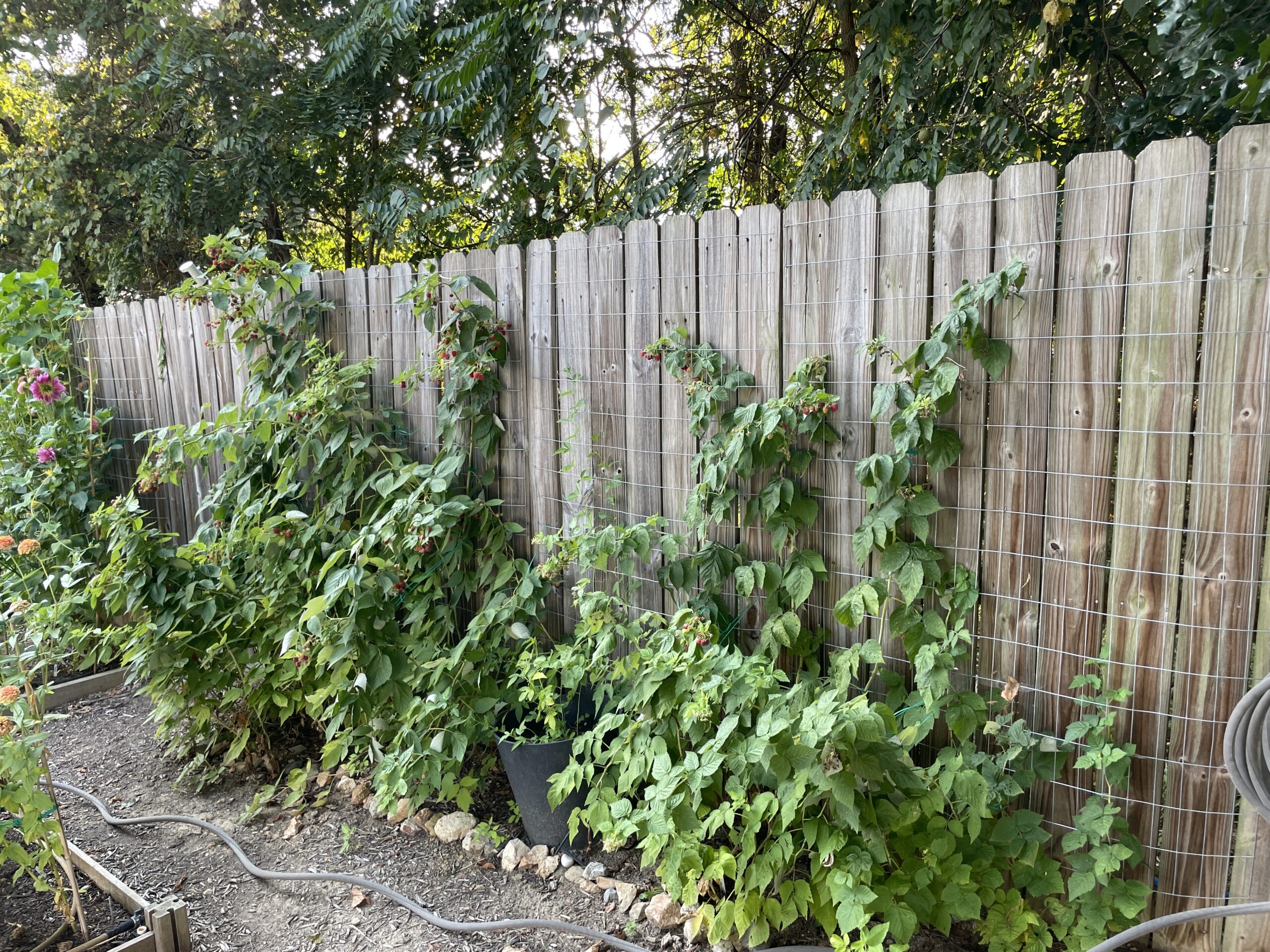
Raspberry bushes are known for their delicious fruit, but they also require specific growing conditions to thrive, particularly regarding support structures. While raspberry bushes can grow without a trellis or support, they greatly benefit from having something to climb on. This support helps keep the canes upright, promotes better air circulation, and makes harvesting the berries easier.
Importance of Support for Raspberry Bushes
Providing support to raspberry bushes is essential for several reasons:
- Upright Growth: Supports prevent canes from sprawling on the ground, which can lead to rot and disease.
- Improved Air Circulation: Proper spacing and elevation through supports allow for better airflow, reducing humidity which fosters fungal diseases.
- Ease of Harvest: When canes are upright, fruits are more accessible, making the harvesting process faster and more efficient.
Types of Supports for Raspberry Bushes
There are various options for supporting raspberry bushes, each with its advantages:
- Trellis Systems: A combination of vertical posts and horizontal wires that provide a sturdy framework for canes to climb.
- Spaghetti System: Involves tying the canes to stakes or poles with twine, creating a less formal but effective support method.
- Wire Fencing: Using additional fencing can also provide a natural support system, allowing raspberry canes to latch on.
Best Time to Install Supports
Installing supports at the right time is crucial for healthy growth:
- Before Planting: It’s best to set up your trellis or support structure before planting to avoid disturbing young plants later on.
- During Growth Period: If using a temporary method, such as stakes, implement them as the plants grow to give immediate support.
- Seasonal Maintenance: Regular checks during the growing season can help in reinforcing supports as canes expand.
Training Raspberry Canes on Supports
Training canes on supports requires careful attention to ensure optimal fruit production:
See also:
- Initial Training: When canes first emerge, gently guide them to the support structure to encourage upward growth.
- Regular Tie-Downs: Use soft ties to keep canes in place, ensuring they do not fall over or develop cross growth.
- Pruning for Training: Regularly prune to maintain an open center, which facilitates training and supports light penetration.
Benefits of Different Support Systems
Different support systems provide unique advantages:
- Durability: High-quality trellis systems can last for several years, providing consistent support.
- Flexibility: Various methods can accommodate different garden layouts and personal preferences.
- Space Efficiency: Supports allow for dense planting without overcrowding, maximizing yield in small areas.
How tall do raspberry trellis need to be?

Raspberry trellises play a crucial role in supporting the growth and development of raspberry plants. The required height of raspberry trellises typically depends on the variety of raspberry being grown, as well as the specific growing conditions. Most raspberry trellis systems should be at least 4 to 6 feet tall (approximately 1.2 to 1.8 meters), accommodating the plants' growth and ensuring proper air circulation and sunlight exposure.
Importance of Trellis Height
The height of the raspberry trellis is fundamental for various reasons:
- Support for Growth: Taller trellises provide adequate support for the canes, helping them grow upright and preventing them from falling over.
- Air Circulation: Sufficient height allows better air circulation, which reduces the risk of disease.
- Sunlight Exposure: A taller structure helps maximize sunlight exposure, crucial for healthy fruit development.
Recommended Height for Different Raspberry Varieties
Different varieties of raspberries may require specific trellis heights:
- Summer-bearing Raspberries: These typically thrive best with trellises that stand at around 5 to 6 feet (1.5 to 1.8 meters).
- Fall-bearing Raspberries: These may do well with slightly lower trellises, usually around 4 to 5 feet (1.2 to 1.5 meters) in height.
- Other Varieties: The height can vary slightly depending on the specific genus or hybrid; hence, consulting specific growth guides is recommended.
Construction Materials for Trellises
The materials used for constructing raspberry trellises can also impact their effectiveness:
- Wood: A common choice due to its durability and ease of construction.
- Metal Wire: Ensure it can support the weight of the plants and withstand environmental stress.
- Plastic or Composite Materials: These can be used for longer-lasting structures with less maintenance required.
Spacing Between Trellises
Consider the spacing between trellises when determining their height:
- Row Spacing: Typically, rows should be 6 to 8 feet apart to allow easy access and adequate sunlight.
- Plant Spacing: Within the row, raspberry plants should be spaced around 2 to 3 feet apart.
- Multiple Rows: If installing multiple rows, the height should remain consistent across all trellises for uniformity.
Maintenance and Adjustments
Regular maintenance of trellises is necessary for optimal plant health:
- Annual Pruning: Helps manage height and encourages healthy growth, especially in summer-bearing varieties.
- Repair Visibility: Check for any damages caused by weather conditions or plant weight to ensure the trellis remains effective.
- Height Adjustments: In some cases, adjustments may be needed if plants exceed expected heights due to growth rate variations.
Can you grow raspberries without a trellis?
Yes, you can grow raspberries without a trellis, though there are several factors to consider. Raspberries are naturally robust plants that can adapt to different growing conditions. Without a trellis, they may spread out more horizontally and require more careful management to promote healthy growth and fruit production.
Benefits of Growing Raspberries Without a Trellis
Growing raspberries without a trellis has its own benefits:
- Low Maintenance: Without the need for a support system, you save on time and labor for installation and maintenance.
- Space Efficiency: Raspberries can spread out and occupy a larger area, which may be advantageous in small gardens.
- Natural Growth: Allowing raspberries to grow without constriction may yield a more natural fruiting structure.
Potential Challenges When Not Using a Trellis
There are also challenges to be aware of:
- Support: Without a trellis, canes may fall over, leading to broken branches and potentially lower yields.
- Pest and Disease Risks: Sprawling canes can trap moisture, increasing the risk of diseases and pests.
- Harvesting Difficulties: Accessing berries can be more cumbersome when canes are lying on the ground.
Best Practices for Growing Raspberries Without a Trellis
If you choose to grow raspberries without a trellis, consider these best practices:
See also:
- Regular Trimming: Prune canes to maintain an organized structure and promote healthy growth.
- Spacing: Provide adequate space between plants to ensure proper airflow and sunlight exposure.
- Mulching: Use mulch to suppress weeds and retain moisture, which helps the plants thrive.
Varieties of Raspberries Suitable for Trellis-Free Growth
Some raspberry varieties perform better without a trellis:
- Heritage: This is a popular Everbearing variety that can handle more chaotic growth.
- Caroline: Known for high yields and disease resistance, it adapts well to different growing conditions.
- Latham: A hardy variety that does well in colder climates and can thrive without vertical support.
Alternative Support Methods for Raspberries
If you wish to provide some support without a traditional trellis, consider these alternatives:
- Using Hoops: Create simple hoop structures using flexible materials to guide canes.
- Stake Method: Use stakes to support canes individually, allowing them room to spread.
- Planting in Rows: Arrange raspberry plants in rows to help manage sprawling without formal support.
What is the best way to support raspberries?
The best way to support raspberries is through proper trellising and care that ensures they grow healthy and fruit abundantly. Supporting raspberry plants not only helps to keep the canes upright but also maximizes sunlight exposure and air circulation, which are essential for fruit development. Here are some effective methods to support raspberries.
Choosing the Right Trellis System
A suitable trellis system is vital for the healthy growth of raspberry plants. The two most common types are:
- V-Trellis: This system has two main wires slanted in a V shape that supports the canes as they grow.
- Post-and-Wire: Here, vertical posts are anchored in the ground with horizontal wires stretched between them, providing robust support for taller raspberry canes.
Timing for Installation
Installing the trellis at the right time is crucial. The optimal time for installing supports is:
- Before Planting: Setting up the trellis prior to planting ensures that the young plants can be trained onto the structure immediately.
- Early Spring: If not installed before planting, set up the trellis early in the season when the plants start to show signs of growth.
Pruning for Optimal Support
Regular pruning is essential to maintain the structure and productivity of raspberry plants. Key points include:
- Removing Dead Canes: Regularly eliminate dead or diseased canes to promote airflow and sunlight penetration.
- Training Canes: Tie new canes to support wires as they grow to prevent them from falling over.
Using the Right Materials
Selecting the appropriate materials for the trellis can enhance durability and effectiveness. Consider the following:
- Galvanized Wire: This type of wire is resistant to rust and wear, making it ideal for outdoor use.
- Wood or Metal Posts: Strong posts provide sturdy support; choose pressure-treated wood or coated metal for longevity.
Regular Maintenance and Adjustments
Ongoing care and adjustments to the trellis system will ensure it remains effective. Important steps include:
- Inspecting the Structure: Regularly check for any weak points or damage to the trellis that needs fixing.
- Re-Tying Canes: As plants grow, periodically re-tie canes to ensure they stay upright and well-supported.
Questions from Our Readers
Do raspberries need a trellis to climb?
Raspberries do benefit significantly from a trellis, as it provides support for the canes, helping them grow upright and stay healthy. Using a trellis can also make it easier to manage the plants and harvest the fruit.
What type of trellis is best for raspberries?
The best type of trellis for raspberries is often a two-wire system, which allows canes to grow on both sides while providing adequate support. This design helps maximize sunlight exposure and improves air circulation, reducing disease risk.
When should I install a trellis for raspberries?
You should install a trellis for raspberries at planting time or shortly after to ensure the young plants have the necessary support as they grow. This proactive approach encourages healthy growth from the very beginning.
Can raspberries grow without a trellis?
While raspberries can grow without a trellis, they are more likely to become unstable and can flop over, making it harder to manage and harvest the fruit. A trellis greatly enhances their overall health and productivity.
See also:

If you want to read more articles like Do Raspberries Need a Trellis to Climb? Essential Tips for Growing Healthy Berries, we recommend you check out our Berries category.
Leave a Reply
Related Articles