What is the best home remedy for aphids? Discover Effective Solutions for Your Garden

Aphids can be a gardener's worst nightmare, attacking plants and flowers with their relentless feeding habits. These tiny pests can multiply quickly, leading to stunted growth and even plant death if left untreated. Fortunately, there are a variety of home remedies that can effectively combat aphid infestations without the use of harsh chemicals. In this article, we will explore some of the best natural solutions that can help protect your garden, promote healthy plant growth, and maintain a thriving ecosystem. Discover how simple household ingredients can make a significant difference in managing these unwanted visitors in your garden.
What is the Best Home Remedy for Aphids?
To effectively combat aphids, one of the best home remedies is a mixture of water and liquid soap. This solution works by coating the aphids, suffocating them and disrupting their ability to feed. To prepare this remedy, mix approximately one to two tablespoons of liquid soap with a quart of water in a spray bottle. Apply the solution directly onto the infested plants, ensuring you cover both the upper and lower surfaces of the leaves where aphids typically reside. This method is not only effective but also environmentally friendly, making it a popular choice among gardeners looking to protect their plants without the use of harsh chemicals.
Understanding Aphids and Their Impact on Plants
Aphids are small, sap-sucking insects that can have a significant negative impact on plants. These pests feed on the nutrient-rich sap of various plants, which can lead to wilting, stunted growth, and even the transmission of plant diseases. In addition to directly damaging the plants, aphids excrete a sugary substance known as honeydew, which attracts other pests like ants and can promote the growth of sooty mold. As a result, addressing an aphid infestation promptly is crucial for maintaining plant health and vigor.
Homemade Soap Solution Recipe
Creating an effective homemade soap solution to deter aphids is simple and requires minimal ingredients. Combine one to two tablespoons of pure liquid soap (not detergent) with one quart of water in a spray bottle. Shake well to mix the solution, and then spray it on areas where aphids are present. It's essential to apply this remedy during cooler parts of the day, such as early morning or late evening, to prevent the soap from damaging the plants under direct sunlight.
Other Natural Remedies for Aphids
In addition to soap solutions, there are several other natural methods to combat aphids effectively. These include using neem oil, a natural insecticide derived from the seeds of the neem tree, which disrupts the feeding and reproduction of aphids. Another option is introducing natural predators such as ladybugs and lacewings, which are known to feed on aphids. Additionally, a mixture of garlic or hot pepper spray can also deter aphids; simply blend these ingredients with water, strain, and spray on affected plants.
Preventive Measures to Avoid Aphid Infestation
Preventing aphid infestations involves good gardening practices that help deter these pests before they become a problem. Keeping plants healthy and stress-free by providing sufficient water, nutrients, and sunlight is essential. Additionally, encouraging beneficial insects such as pollinators and predators in your garden can help maintain a balanced ecosystem. Regularly inspecting plants for early signs of aphids and removing weeds that may host them can significantly lower the risk of future infestations.
Applying the Home Remedy Effectively
When implementing your chosen home remedy for aphids, proper application is key to its effectiveness. Ensure that the spray bottle is thoroughly shaken before each use to guarantee the solution is well-mixed. Aim to cover not just the visible aphids but also any eggs present on the plants. Apply the remedy every few days for the best results, particularly after rain or watering, as these can wash away the solution. Monitor the plants closely after treatment to assess the effectiveness and make adjustments as necessary.
| Remedy | Main Ingredient | Application Frequency |
|---|---|---|
| Soap Solution | Liquid Soap | Every 3-5 days |
| Neem Oil Spray | Neem Oil | Weekly |
| Garlic Spray | Garlic | Every 4-7 days |
| Hot Pepper Spray | Hot Pepper | Every 4-7 days |
| Introduce Natural Predators | Ladybugs/Lacewings | As needed |
How do you get rid of aphids fast?

To get rid of aphids quickly, you can employ several effective methods that can help eliminate these pests from your plants. Here are some strategies:
1. Use Water Spray
Applying a strong jet of water to the affected plants can dislodge aphids and reduce their numbers significantly. This method is especially effective for localized infestations. The pressure of the water helps to wash them off without the need for chemical treatments.
- Choose the Right Time: Early morning or late afternoon is best to minimize stress on the plants.
- Use a Hose or Spray Bottle: Adjust the nozzle to a high-pressure setting.
- Repeat Regularly: Target the plants every few days to ensure effective removal.
2. Introduce Beneficial Insects
Natural predators, such as ladybugs and lacewings, can be introduced to your garden to help control aphid populations. These insects prey on aphids and can help maintain a balanced ecosystem in your garden.
See also:
- Purchase Beneficial Insects: Many garden centers sell ladybugs and other beneficial insects.
- Provide Shelter and Food: Make sure there are suitable plants for them to thrive.
- Monitor Their Activity: Keep track of their presence and the reduction in aphid numbers.
3. Apply Insecticidal Soap
Insecticidal soaps are specifically designed to target soft-bodied insects like aphids without harming the plants. They disrupt the insect's cell membranes, leading to dehydration and death.
- Choose a Suitable Product: Look for those labeled for aphid control.
- Follow Application Instructions: Apply according to the manufacturer’s directions for best results.
- Reapply as Necessary: Depending on the severity of the infestation, multiple applications may be required.
4. Use Neem Oil
Neem oil is a natural pesticide derived from the seeds of the neem tree. It's effective against aphids by interfering with their reproductive cycle and deterring feeding.
- Dilute Properly: Follow the recommended dilution ratios on the product label.
- Apply in the Evening: This helps reduce leaf burn and increases efficacy.
- Regular Treatment: Apply every week or according to pest pressure until aphids are controlled.
5. Implement Companion Planting
Companion planting involves growing certain plants together to deter pests naturally. Some plants repel aphids, making them excellent companions for your vulnerable crops.
- Identify Repelling Plants: Consider planting garlic, chives, or marigolds alongside susceptible plants.
- Group Plants Strategically: Position companion plants near aphid-prone species.
- Observe Effects: Monitor the companion plants’ impact on aphid populations over time.
What is the best homemade aphid killer?
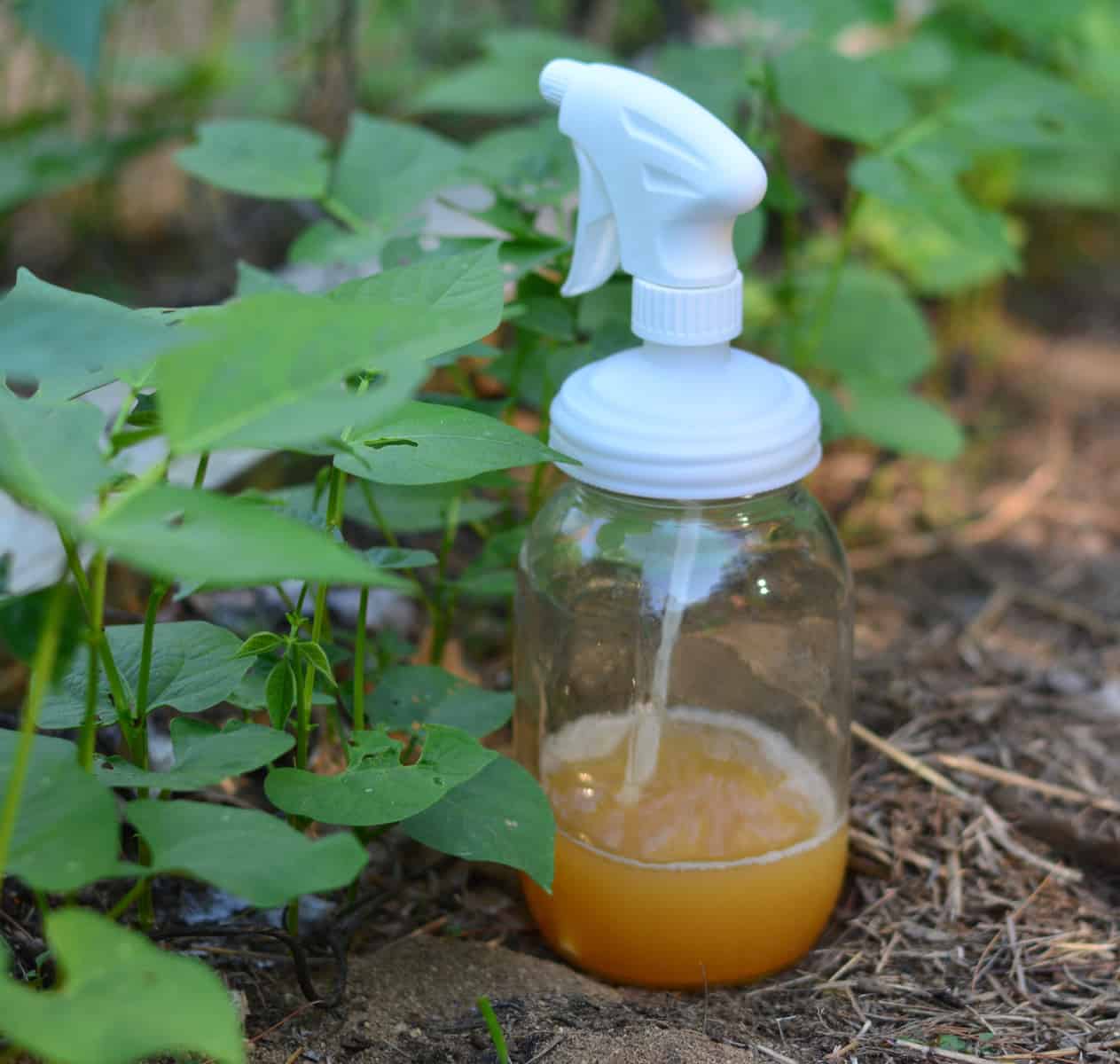
The best homemade aphid killer is a mixture of natural ingredients that are effective in controlling aphid populations without harming beneficial insects or plants. Several recipes exist, but one of the most commonly recommended solutions combines water, dish soap, and vegetable oil. Here’s a detailed explanation and some methods to create effective homemade aphid killers.
Essential Ingredients for Homemade Aphid Killer
To create an effective homemade aphid killer, a few essential ingredients are necessary. Using household items can make it easy and affordable.
- Water: Water serves as the base for the mixture, helping to dilute the other ingredients.
- Dish Soap: A few drops of dish soap disrupt the aphids' protective outer layer, making them vulnerable.
- Vegetable Oil: Oil helps to suffocate aphids by coating their bodies, preventing them from breathing.
Homemade Soap Spray Recipe
One of the most popular recipes for a homemade aphid killer is a soap spray. This method is simple and can be made quickly.
- Combine 1 tablespoon of dish soap with 1 quart of water.
- Mix well in a spray bottle, ensuring it’s fully blended.
- Spray directly onto the affected plants, targeting the aphids.
Garlic and Soap Spray
Garlic has natural insect-repelling properties, and combining it with soap can enhance the effectiveness of your homemade aphid killer.
- Crush 2-3 cloves of garlic and steep them in water overnight.
- Strain the liquid and add it to a mixture of 2 tablespoons of dish soap and 1 quart of water.
- Mix well and apply the spray to the plants, focusing on aphid hotspots.
Neem Oil Spray
Neem oil is derived from the seeds of the neem tree and works effectively against aphids due to its insecticidal properties.
- Combine 2 tablespoons of neem oil with 1 quart of water.
- Add a few drops of dish soap to help emulsify the oil.
- Shake well before spraying on infested plants, ensuring complete coverage.
Cayenne Pepper Spray
Cayenne pepper can deter aphids due to its strong smell and taste, making it a useful ingredient in sudden aphid attacks.
- Dissolve 1 teaspoon of cayenne pepper in 1 quart of warm water.
- Allow it to sit for a few hours, then strain out the solids.
- For added effectiveness, mix in a tablespoon of dish soap before spraying.
Regular Application and Monitoring
For any homemade aphid killer to be effective, regular application and monitoring of plants are crucial.
See also:
- Check plants frequently for signs of aphid infestations.
- Reapply your homemade solution every few days, especially after rain, to ensure continued protection.
- Combine your homemade sprays with other pest management strategies, like introducing beneficial insects such as ladybugs.
Does soapy water actually kill aphids?
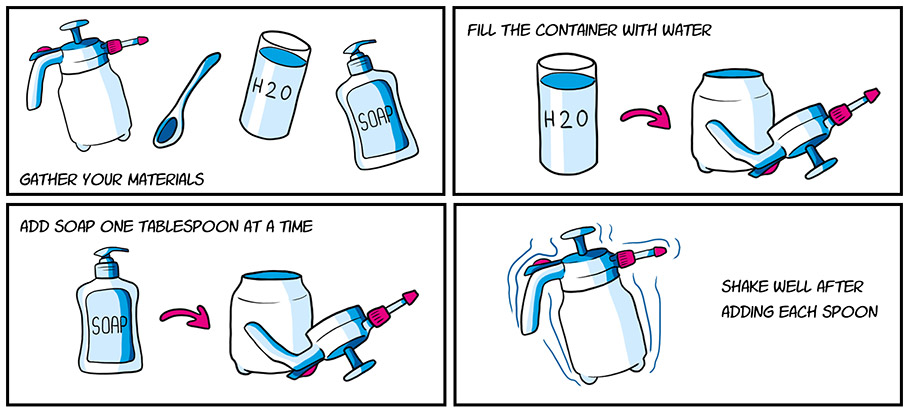
Soapy water can be an effective way to manage aphids, which are common pests that attack a variety of plants. The soap works by breaking down the protective waxy coating on the aphids’ bodies, leading to dehydration and eventual death. It's important to use a mild soap, such as liquid dish soap or insecticidal soap, ensuring it is free of additives or fragrances that could harm the plants.
How Does Soapy Water Affect Aphids?
The action of soapy water against aphids primarily involves disrupting their cell membranes. When the soap is sprayed directly onto aphids, it interacts with their outer layer. This interaction causes the aphids to suffocate and die as their protective barrier is compromised. Additionally, soapy water can lead to:
- Dehydration: The lack of a protective layer increases water loss.
- Physical harm: Soap can obstruct their breathing pores, preventing respiration.
- Deterrence: The presence of soapy water can discourage aphids from settling on plants.
Preparation and Application of Soapy Water
To effectively utilize soapy water against aphids, it is essential to prepare the solution correctly. The recommended ratio is typically 1 to 2 tablespoons of mild soap per gallon of water. Follow these steps:
- Choose the right soap: Use organic or biodegradable liquid soap.
- Mix thoroughly: Combine soap and water in a spray bottle, ensuring even distribution.
- Test a small area: Apply to a small leaf area first to check for any adverse reactions.
When to Use Soapy Water for Aphid Control
Timing is crucial when utilizing soapy water for aphid management. It is best to apply the solution early in the morning or late in the evening to avoid high temperatures and sunlight, which can evaporate the soapy solution too quickly. Consider the following:
- Infestation level: Apply when you first notice aphids to prevent a larger outbreak.
- Plant health: Only spray healthy plants, as stress can increase the risk of damage.
- Repeat applications: In severe cases, multiple treatments may be necessary for complete control.
Limitations of Soapy Water on Aphids
While soapy water is a useful tool, it does have its limitations. It may not be as effective against larger infestations or specific aphid species. Be aware of the following:
- Species variation: Certain aphid species may be more resistant.
- Environmental factors: Heavy rain can wash away the treatment.
- Phytotoxicity: Overapplication can damage sensitive plant species.
Alternative Methods for Aphid Control
While soapy water can be effective, there are other methods for controlling aphids that can be used in conjunction or as alternatives:
- Neem oil: A natural insecticide that disrupts aphid reproduction and feeding.
- Insecticidal sprays: More potent options are available for severe infestations.
- Beneficial insects: Introduce ladybugs or lacewings to naturally reduce aphid populations.
Questions from Our Readers
What is the most effective home remedy for aphids?
Using a mixture of water and dish soap is one of the most effective home remedies for aphids. Mixing approximately one tablespoon of dish soap in a quart of water creates a solution that can suffocate the aphids when applied directly to the affected plants. This method is safe for plants and can help control the population of these pests.
Can neem oil help in controlling aphids?
Yes, neem oil is another excellent home remedy for controlling aphids. Derived from the seeds of the neem tree, it acts as a natural pesticide that disrupts the life cycle of the aphids. When sprayed on plants, it not only helps to eliminate existing aphids but also prevents new infestations.
Is it safe to use garlic spray against aphids?
Absolutely, garlic spray is a popular home remedy for aphids due to its natural properties. Garlic has a strong scent that repels aphids and can be made easily by blending garlic cloves with water. This solution can be sprayed directly onto the plants to deter aphid infestations.
How effective are companion plants in managing aphids?
Using companion plants is an effective strategy for managing aphids naturally. Certain plants, like marigolds and nasturtiums, can repel aphids or attract beneficial insects that feed on them. By planting these companion plants near aphid-prone species, you can create a more balanced garden ecosystem and reduce aphid populations.
See also:

If you want to read more articles like What is the best home remedy for aphids? Discover Effective Solutions for Your Garden, we recommend you check out our Insects category.
Leave a Reply
Related Articles