What is the Best Fertilizer for Berry Bushes? Expert Tips and Recommendations

Growing berry bushes can be a rewarding endeavor, providing delicious fruits while enhancing your garden's beauty. However, to achieve a bountiful harvest, selecting the right fertilizer is crucial. With so many options available, it can be overwhelming for gardeners to determine which fertilizer best meets the needs of their berry bushes. This article delves into expert tips and recommendations, guiding you through the intricacies of fertilization for various berry varieties. From understanding nutrient requirements to choosing organic versus synthetic options, we aim to equip you with the knowledge to nourish your berry bushes effectively and optimize their growth and production.
What is the Best Fertilizer for Berry Bushes?
When it comes to nurturing berry bushes, selecting the right fertilizer is crucial for achieving a bountiful harvest. Organic options like compost and well-rotted manure are often recommended as they not only provide essential nutrients, such as nitrogen, phosphorus, and potassium, but also improve soil structure and health. Additionally, specialized berry fertilizers that contain micronutrients can enhance growth and fruit production. It's important to consider the specific needs of your berry variety, as some may require more acidic or alkaline soil to thrive. Proper timing and application, typically in the spring, will ensure that the berries receive the nutrients required for optimal growth.
Types of Fertilizers for Berry Bushes
There are several types of fertilizers suitable for berry bushes, including granular, liquid, and organic fertilizers. Granular fertilizers are easy to apply and release nutrients slowly, making them a great option for long-term feeding. Liquid fertilizers, on the other hand, provide a quick nutrient boost and can be particularly effective during the growing season. Organic fertilizers, such as compost and bone meal, enrich the soil with organic matter and promote beneficial microbial activity, which is vital for the health of berry plants.
Key Nutrients for Berry Bush Growth
The key nutrients necessary for berry bush growth include nitrogen, phosphorus, and potassium, often referred to as N-P-K. Nitrogen supports leafy growth, phosphorus is essential for root development and flowering, and potassium enhances fruit quality and disease resistance. Additionally, trace elements such as iron, manganese, and zinc play significant roles in overall plant health. A balanced fertilizer that provides these nutrients in appropriate ratios is crucial for optimal berry production.
Organic vs. Synthetic Fertilizers
The debate between organic and synthetic fertilizers can influence your choice for berry bushes. Organic fertilizers are derived from natural sources and improve soil health over time, while synthetic fertilizers offer a quick nutrient fix but may lead to soil degradation if used excessively. While organic options are generally safer for the environment and promote long-term soil fertility, synthetic ones can sometimes yield faster results. Ultimately, the choice may depend on personal gardening philosophy and the specific needs of the berry bushes.
When to Fertilize Berry Bushes
Timing is a key factor in the successful fertilization of berry bushes. It is generally recommended to apply fertilizer in early spring, as this is when plants begin their growth cycle. Fertilizing too late in the season can stimulate growth when the plant should be preparing for dormancy, which can lead to weakened plants during winter. A second application of fertilizer can be beneficial in mid-summer to support fruit development, but care should be taken to avoid over-fertilization, which can lead to excessive foliage growth at the expense of fruit production.
Common Mistakes When Fertilizing Berry Bushes
Common mistakes made when fertilizing berry bushes include over-fertilizing, applying fertilizer at the wrong time, and not testing the soil. Over-fertilization can lead to nutrient burn, stunted growth, and poor fruiting. Additionally, applying fertilizer when plants are dormant can waste resources and negatively affect soil health. Soil testing is crucial to understanding nutrient deficiencies and pH levels, as it guides the selection of the right fertilizer type and application rates, ensuring the best results for your berry bushes.
| Nutrient | Function | Sources |
|---|---|---|
| Nitrogen | Promotes leafy growth | Compost, blood meal |
| Phosphorus | Supports root and flower development | Bone meal, rock phosphate |
| Potassium | Enhances fruit quality | Wood ash, greensand |
| Iron | Essential for chlorophyll production | Iron chelates, compost |
| Zinc | Supports enzymatic functions | Zinc sulfate, organic matter |
What fertilizer to use for berry bushes?
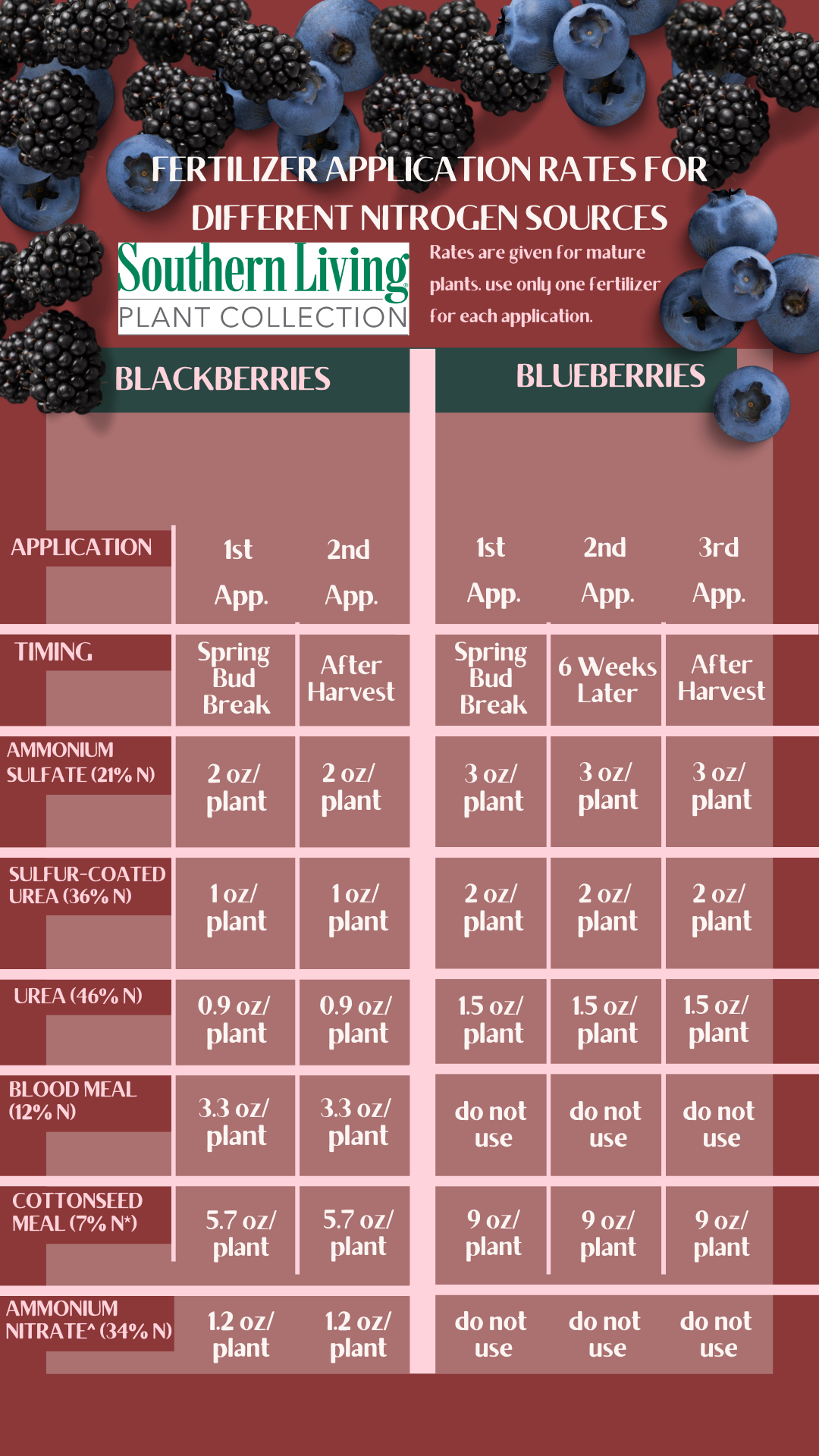
To ensure the healthy growth and abundant fruit production of berry bushes, selecting the right fertilizer is crucial. Berry bushes such as blueberries, raspberries, and blackberries have specific nutrient requirements that must be met for optimal development. The ideal fertilizer for these plants should support their growth stages and encourage fruiting while avoiding detrimental effects on the soil and plant health.
Understanding Nutrient Requirements
The first step in choosing the right fertilizer for berry bushes is to understand their nutrient requirements. Berry bushes need a balanced supply of nitrogen, phosphorus, and potassium (N-P-K) to thrive. Here's what to consider:
- Nitrogen: Essential for lush foliage and overall plant growth.
- Phosphorus: Important for root development and flowering.
- Potassium: Enhances fruit quality and disease resistance.
Types of Fertilizers for Berry Bushes
When selecting a fertilizer, you can choose between organic and synthetic options. Each type has its benefits and characteristics:
- Organic fertilizers: Derived from natural sources (e.g., compost, manure, bone meal); promote soil health.
- Synthetic fertilizers: Provide precise nutrient control but may lead to soil health degradation if overused.
- Slow-release fertilizers: Gradually release nutrients, ensuring a steady supply over time.
Recommended Fertilizer Ratios
Different berry bushes require varying fertilizer ratios, which depend on their specific species and growth stage. A general guideline includes:
- For blueberries: Use an acidic fertilizer with an N-P-K ratio of 4-3-6.
- For raspberries: A balanced ratio like 10-10-10 works well during active growth.
- For blackberries: Similar to raspberries, a balanced N-P-K ratio is ideal, particularly during flowering.
Application Timing and Methods
The timing and method of fertilizer application play a significant role in the health of berry bushes. Consider the following:
See also:
- Apply fertilizer in early spring as buds start to swell for best results.
- Use a side-dressing method to place fertilizer alongside the plants instead of directly under them.
- Water thoroughly after application to help nutrients penetrate the soil.
Monitoring Soil pH Levels
Maintaining the right soil pH is essential for nutrient absorption in berry bushes, particularly for acid-loving plants like blueberries. Key points include:
- Test your soil pH using a soil testing kit; blueberries prefer a pH range of 4.5-5.5.
- Amend soil with elemental sulfur or peat moss if pH levels are too high.
- Regularly monitor soil health and adjust fertilizer choices based on test results.
Is 10-10-10 fertilizer good for berries?

Yes, 10-10-10 fertilizer can be beneficial for berries, but whether it is the best option depends on several factors, including the specific type of berry and the existing soil conditions. 10-10-10 fertilizer is a balanced fertilizer containing equal parts of nitrogen, phosphorus, and potassium. These three nutrients play essential roles in the growth and production of healthy berry plants.
- Nitrogen promotes leafy growth, a crucial factor during the early stages of development.
- Phosphorus contributes to root development and flowering, which is vital for fruit production.
- Potassium enhances overall plant health and improves fruit quality, helping berries develop robust flavors and colors.
However, the application of 10-10-10 fertilizer should be carefully managed, as over-fertilization can lead to issues such as weak plants or excessive foliage at the expense of fruit production.
Benefits of 10-10-10 Fertilizer for Berry Plants
Using a balanced fertilizer like 10-10-10 can offer several advantages for growing berry plants. These include:
- Promotes Healthy Growth: The balanced nutrients support overall development, ensuring that plants grow strong and healthy.
- Enhances Fruit Quality: With the right nutrient balance, berries can develop better flavor, color, and texture.
- Improves Soil Fertility: Regular use can enhance soil nutrient levels, contributing to sustained plant health over time.
Timing of Fertilizer Application
The timing of applying 10-10-10 fertilizer is critical for maximizing its benefits for berry plants. It's important to consider the growth cycle of the plants:
- Early Spring Application: Fertilize in early spring as plants begin to show new growth.
- Mid-Season Boost: A second application can be made mid-summer to support ongoing fruit development.
- Post-Harvest Care: Consider a light application after the harvest to prepare plants for the next growing season.
Alternative Fertilizer Options for Berries
While 10-10-10 fertilizer is a solid choice, there are alternative fertilizers that may be better suited for specific types of berries:
- Low-Nitrogen Fertilizers: Some berries, like blueberries, thrive on low-nitrogen fertilizers that are more acidic.
- Organic Options: Compost or well-rotted manure can provide a slow-release nutrient source, beneficial for soil health.
- Specialized Berry Fertilizers: Formulations tailored for specific berries can provide targeted nutrient levels based on the plants' needs.
Signs of Nutrient Deficiency in Berries
Understanding the signs of nutrient deficiency can help determine if 10-10-10 fertilizer is necessary for berries:
- Yellowing Leaves: This may indicate a nitrogen deficiency, which can be resolved with appropriate fertilization.
- Poor Fruit Set: Insufficient phosphorus can lead to reduced flowering and fruit development.
- Weak Plant Growth: A lack of potassium can result in weak and stunted plants, which requires a nutrient boost.
Best Practices for Fertilizing Berries
To ensure optimal results when using 10-10-10 fertilizer, it is essential to follow best practices:
- Soil Testing: Conduct a soil test before application to determine existing nutrient levels and pH.
- Follow Manufacturer Instructions: Adhere to recommended application rates to avoid over-fertilizing.
- Watering After Application: Watering after fertilizing helps to activate the nutrients and encourage absorption.
How to help berry bushes grow more fruit?

To help berry bushes grow more fruit, several essential practices can be implemented. These practices focus on environmental factors, care routines, and proper cultivation techniques that together enhance the health and productivity of berry bushes. Here are some detailed suggestions to maximize fruit production on your berry bushes.
Soil Quality and Preparation
The foundation of healthier berry bushes lies within the soil. Properly preparing your soil ensures that plants receive the necessary nutrients and support for growth. Here are some key points to consider:
See also:
- Soil Test: Perform a soil test to determine pH and nutrient levels.
- Organic Matter: Incorporate organic compost to improve soil structure and fertility.
- Drainage: Ensure good drainage to prevent root rot and promote healthy roots.
Watering Techniques
Watering is crucial for berry bushes, especially during the fruit-setting phase. Implementing the right watering techniques can significantly impact fruit yield. Consider the following practices:
- Consistent Moisture: Keep the soil consistently moist but not soggy.
- Drip Irrigation: Use drip irrigation to provide targeted moisture directly to the roots.
- Avoid Overhead Watering: Minimize wetting the leaves to reduce the risk of fungal diseases.
Pruning Practices
Regular pruning is essential for maintaining the health and productivity of berry bushes. This practice encourages better air circulation and increases light penetration, which are vital for fruit development. Effective pruning tips include:
- Remove Dead Wood: Cut away any dead or damaged branches to promote new growth.
- Thin Out Growth: Thin crowded branches to improve airflow and light exposure.
- Shape the Bush: Shape the bush to create an open structure that supports fruiting.
Pest and Disease Management
Maintaining a healthy berry bush involves regular monitoring for pests and diseases that could hinder fruit production. Adopting preventive measures will preserve plant health. Important strategies include:
- Regular Inspections: Check your bushes frequently for signs of insects or disease.
- Natural Predators: Encourage beneficial insects that prey on pests.
- Organic Treatments: Use organic pest control methods to protect berry bushes without harming them.
Fertilization Schedule
A well-planned fertilization schedule contributes to the overall productivity of berry bushes. Delivering the right nutrients at the right time can enhance fruit development. Key aspects to consider are:
- Balanced Fertilizer: Use a balanced fertilizer high in phosphorus to promote fruit set.
- Timing: Fertilize at the beginning of the growing season before flowering.
- Follow Guidelines: Adhere to manufacturer guidelines for application rates to avoid over-fertilizing.
What is the best fertilizer for strawberries and raspberries?

The best fertilizer for strawberries and raspberries involves a combination of organic materials and balanced nutrients that support healthy growth and fruit production. Generally, a balanced fertilizer with a ratio of 5-10-10 (N-P-K) is ideal, providing the necessary nitrogen, phosphorus, and potassium for optimal development. Organic options, such as compost, well-rotted manure, or specialized berry fertilizers, can also promote healthy growth without the risk of chemical burns often associated with synthetic fertilizers.
Understanding Nutrient Needs
Strawberries and raspberries require specific nutrients at different stages of their growth. Here’s a detailed look at their nutrient needs:
- Nitrogen helps with leaf development and overall plant vigor.
- Phosphorus is essential for root establishment and flowering, which is crucial for fruiting plants.
- Potassium plays a critical role in fruit quality and plant stress resistance.
Organic Fertilizers for Berries
Using organic fertilizers can enhance the soil structure and provide a slow release of nutrients. Organic options include:
- Compost adds a variety of nutrients and improves soil health.
- Bone meal is an excellent source of phosphorus for strong root growth.
- Fish emulsion provides a good nitrogen source and promotes healthy leaf growth.
When to Apply Fertilizer
Timing is crucial when fertilizing strawberries and raspberries to maximize their growth potential. Here are some key moments for application:
- Apply a balanced fertilizer in early spring when plants start to grow.
- Side-dress plants with additional fertilizer after blooming to support fruit development.
- Avoid late-season fertilization to prevent excessive vegetative growth.
Soil Testing and pH Levels
Before applying any fertilizers, it's crucial to test the soil to understand its nutrient content and pH levels. Here's how soil testing can benefit your plants:
- Determine the existing nutrient levels to avoid over-fertilization.
- Correct soil pH levels, ideally between 5.5 and 6.5 for strawberries and raspberries.
- Tailor your fertilizer choice based on the specific deficiencies identified in the soil.
Best Fertilizer Products Available
When choosing fertilizers specifically formulated for strawberries and raspberries, consider the following products:
- Dr. Earth Organic Berry Fertilizer offers a balanced nutrient formulation for berry plants.
- Jobe’s Organics Berry Granular Fertilizer provides a slow-release option for steady nutrient supply.
- Miracle-Gro Water Soluble Plant Food can be diluted and applied for rapid nutrient uptake.
Questions from Our Readers
What is the best fertilizer for berry bushes?
The best fertilizer for berry bushes typically contains a balanced ratio of nitrogen, phosphorus, and potassium (NPK). A specific formulation such as a 10-10-10 or 5-10-10 fertilizer works well, promoting healthy growth and abundant fruit production. Additionally, consider organic options like fish emulsion or compost to provide essential nutrients without harming the environment.
How often should I fertilize berry bushes?
Fertilizing berry bushes is usually recommended in early spring and again in late spring, ensuring that the plants have the necessary nutrients during their active growing season. Applying fertilizer no more than twice a year helps prevent nutrient burn and encourages robust fruit development.
See also:
Can I use chemical fertilizers on my berry bushes?
Yes, you can use chemical fertilizers on berry bushes, but it is essential to follow the manufacturer's instructions carefully to avoid over-fertilization. Look for fertilizers labeled specifically for berries or soft fruits to ensure you provide the right balance of nutrients without harming the plants.
Is organic fertilizer better for berry bushes?
Organic fertilizers can be better for berry bushes as they improve soil structure and long-term soil health while providing a slow-release source of nutrients. These methods can lead to healthier plants and might enhance the flavor of the berries, making organic options like bone meal, blood meal, or well-rotted manure excellent choices for nurturing your berry bushes.

If you want to read more articles like What is the Best Fertilizer for Berry Bushes? Expert Tips and Recommendations, we recommend you check out our Berries category.
Leave a Reply
Related Articles