Can You Eat Wild Berries in Canada? A Guide to Foraging Safely
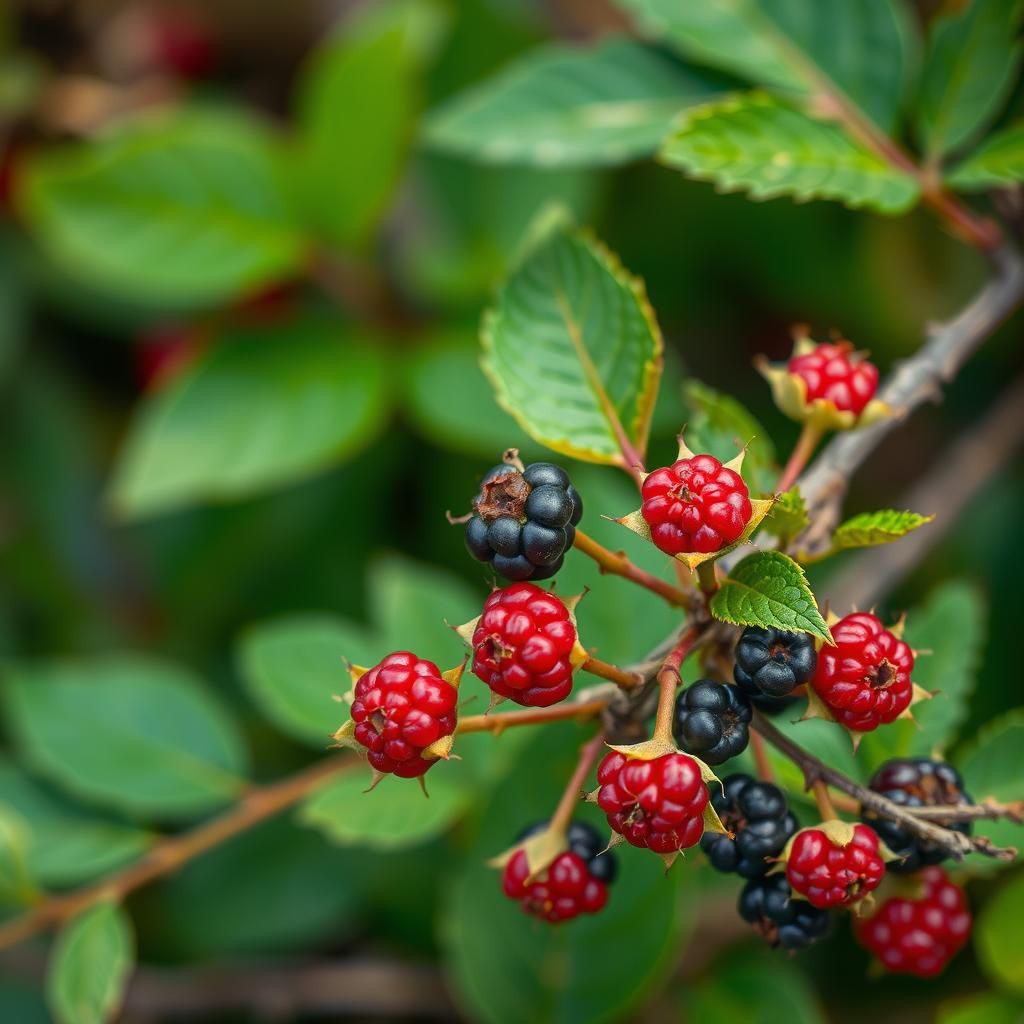
Canada's diverse landscapes are home to a wide array of wild berries, inviting foragers to explore and enjoy nature's bounty. However, while the thrill of foraging can be rewarding, it's essential to prioritize safety and knowledge to avoid potentially harmful berries. This guide aims to provide essential information on safely identifying, harvesting, and consuming wild berries across Canada. From recognizing the edible varieties to learning about their nutritional benefits and potential risks, this article will equip you with the skills needed to embark on a safe and enjoyable foraging adventure in the Canadian wilderness.
Can You Eat Wild Berries in Canada?
In Canada, it is generally safe to eat wild berries, but caution is essential as not all berries are edible. Many common species, such as blueberries, raspberries, and blackberries, are not only delicious but also packed with nutrients. However, some berries can be highly toxic, like the Belladonna berry or poisonous nightshade varieties. Therefore, it is crucial for anyone considering foraging for wild berries to be able to accurately identify the different species. Informing oneself about the specific types of berries that grow in a particular region, and understanding their characteristics, will ensure that foraging remains a safe and enjoyable activity.
Common Edible Wild Berries in Canada
Some of the most prevalent edible wild berries found in Canada include blueberries, raspberries, blackberries, and strawberries. These berries are commonly harvested during the summer months and are enjoyed fresh or used in various recipes. They are not only flavorful but are also rich in vitamins and antioxidants, making them an ideal choice for a healthy snack. Distinguishing these berries from their toxic counterparts is crucial, as some look similar in appearance.
Identifying Toxic Berries
When foraging in the wild, recognizing the appearance of toxic berries is crucial for safety. Some berries that are poisonous include Belladonna (also known as Deadly Nightshade), the berries of the yew tree, and Elderberry when uncooked. These berries may have a different texture, color, or size compared to edible varieties. It's vital for foragers to educate themselves or carry a reliable field guide to help in the identification of edible versus poisonous berries, avoiding the risks associated with consuming harmful plants.
Seasonal Availability of Wild Berries
The seasonality of wild berries in Canada varies depending on the region and the specific type of berry. Generally, the peak season for most edible berries falls between late spring and early fall. Blueberries often begin to ripen in July, while raspberries and strawberries are typically available from June through August. Understanding the seasonal timeline can help foragers plan their trips effectively and ensure they find the ripest and best-tasting berries during their outings.
Foraging Ethics and Regulations
When foraging for wild berries in Canada, being mindful of ethical practices and local regulations is vital. Many parks and conservation areas may have specific rules regarding gathering berries, including restrictions on the quantity that can be harvested. Respect for the natural environment, ensuring that habitats remain undisturbed, and not overharvesting are core components of responsible foraging. Adhering to these guidelines helps sustain berry populations for future foragers and protects local ecosystems.
Health Benefits of Wild Berries
Wild berries offer numerous health benefits that make them a nutritious addition to any diet. Rich in vitamins, minerals, and antioxidants, they can help combat oxidative stress and inflammation. Consuming a variety of wild berries can support heart health, improve digestive function, and boost the immune system due to their high fiber and vitamin C content. Incorporating these berries into daily meals, whether eaten raw or cooked, can significantly enhance one's overall health and wellness.
| Berry Type | Edible/Toxic | Season |
|---|---|---|
| Blueberry | Edible | July - September |
| Raspberry | Edible | June - August |
| Belladonna | Toxic | Summer |
| Elderberry | Partially Edible (cooked) | Late Summer |
| Strawberry | Edible | June - August |
Can you eat wild berries in Ontario?

Yes, you can eat wild berries in Ontario, but caution is necessary due to the potential risks associated with foraging. Some berries are safe to eat, while others can be toxic or cause adverse reactions. Knowledge of which berries to avoid and proper identification techniques are crucial for anyone interested in wild foraging.
Common Edible Berries in Ontario
Many varieties of wild berries can be found in Ontario's natural landscapes. Some of the most common and safe ones include:
See also:
- Blueberries: Sweet and nutritious, they can be found in forests and open areas.
- Blackberries: Often found along roadsides and in thickets, they are another delicious option.
- Raspberries: Commonly found in various habitats, ranging from forests to gardens.
Toxic Berries to Avoid
While many berries are safe, others can be highly toxic. It’s essential to recognize the following:
- Belladonna (Deadly Nightshade): An extremely toxic plant with dark berries that can be lethal if ingested.
- European Holly: Its berries are harmful and can cause serious health issues.
- Snowberry: While not deadly, they can cause stomach upset if consumed.
Identification Tips for Foraging
Proper identification is vital when foraging for wild berries. Here are some tips:
- Use Field Guides: Invest in a reliable field guide specific to Ontario's flora.
- Attend Workshops: Join local foraging groups or workshops to learn from experienced foragers.
- Observe Characteristics: Note the color, shape, and size of berries and their respective plants.
Considerations for Sustainable Foraging
When foraging, it’s essential to practice sustainability to protect natural ecosystems:
- Harvest Responsibly: Only take what you need and avoid over-harvesting.
- Respect Wildlife: Be mindful of animals that depend on berries as a food source.
- Leave Some Behind: Ensure that sufficient berries remain for birds and other wildlife.
Legal Aspects of Foraging in Ontario
Before foraging, it's important to understand the legal aspects:
- Protected Areas: Check if the land is protected, as foraging may be prohibited.
- Local Regulations: Be aware of any specific regulations regarding foraging in different regions.
- Private Property: Always seek permission before foraging on private lands.
Which berry should not be eaten in the wild?
:max_bytes(150000):strip_icc()/5-poisonous-berries-you-should-steer-clear-and-3-wild-berries-you-can-eat_Treehugger-c6b71fe57ad24ff29d83adb459f576db.png)
The berry that should not be eaten in the wild is the Deadly Nightshade, also known as Belladonna. This plant is notorious for its toxic properties and has been associated with numerous cases of poisoning. All parts of the Deadly Nightshade contain tropane alkaloids, which can cause serious health issues when ingested.
Identification of Deadly Nightshade
Deadly Nightshade can be recognized by its distinctive features.
- Leaves: The leaves are large, ovate, and grow alternately on the stem.
- Berries: The berries are glossy, purple-black, and round, often resembling small cherries.
- Flowers: Flowers are bell-shaped, usually purple, and can be found in a raceme formation.
Toxic Components
The toxicity of Deadly Nightshade stems from its alkaloids, primarily atropine, scopolamine, and hyoscyamine.
- Atropine: This alkaloid can cause dilated pupils and increased heart rate.
- Scopolamine: Known for creating hallucinations and confusion.
- Hyoscyamine: Can lead to severe gastrointestinal distress.
Symptoms of Poisoning
If ingested, symptoms of poisoning from Deadly Nightshade can manifest rapidly.
- Dry Mouth: An immediate feeling of dryness due to reduced saliva production.
- Increased Heart Rate: Palpitations and a racing heartbeat are common.
- Hallucinations: Disorientation and visual disturbances may occur.
Comparison with Edible Berries
Knowing the difference between Deadly Nightshade and edible berries is crucial for foragers.
See also:
- Blackberries: Have thorny stems and are generally found in briar patches.
- Blueberries: Have a distinct blue color and are sweet to taste, contrasting with the Deadly Nightshade's bitterness.
- Raspberries: Also thorny and have a hollow core when picked, unlike the solid Deadly Nightshade berries.
Precautions When Foraging
Foragers should always employ caution when identifying wild berries.
- Research: Educate yourself about local flora before foraging.
- Consult Experts: Engage with botanists or local foraging groups for advice.
- Use Resources: Carry field guides or apps that help identify safe berries.
What berries grow wild in Canada?
Canada is rich in biodiversity, including a variety of wild berries that can be found across its diverse landscapes. Here are some of the most notable wild berries that grow in Canada:
Blackberries
Blackberries are commonly found throughout Canada, thriving in various environments, particularly in wooded areas and along roadside edges. They are characterized by their juicy, dark purple, or black fruits, which grow in clusters. Apart from being delicious raw, blackberries can also be used in jams, pies, and desserts.
- Blackberries are highly nutritious, rich in vitamins C and K.
- They have a sweet-tart flavor that makes them popular among foragers.
- Blackberry bushes often attract various wildlife, including birds and insects.
Cranberries
Cranberries are often found in the wetlands and bogs of Canada, particularly in the provinces of Quebec and British Columbia. These berries are well-known for their bright red color and tart flavor. They are typically harvested in the fall and are a key ingredient in many dishes and beverages.
- Cranberries contain antioxidants that are beneficial for health.
- They are often used in sauces, juices, and baked goods.
- Natural cranberry bogs provide essential habitats for many aquatic species.
Blueberries
Blueberries are one of Canada's most popular wild berries, particularly in forests and open fields. The small, round fruits can vary in color from blue to purple and are known for their sweet flavor. Blueberries are often harvested in the summer months and are an excellent addition to various culinary delights.
- They are celebrated for their high levels of antioxidants.
- Blueberries can be eaten fresh, or incorporated into smoothies, jams, and desserts.
- Wild blueberry patches often signify healthy ecosystems support diverse wildlife.
Raspberries
Raspberries are another popular wild berry found in Canada, primarily in clearings and forest edges. They are recognized for their distinctive red, black, or purple fruits and are a favorite among foragers for their sweet and slightly tart taste.
- They are high in dietary fiber and vitamins.
- Raspberries can be consumed fresh, or used in a variety of culinary applications, such as jams and desserts.
- They often grow in habitats that attract various pollinators like bees.
Gooseberries
Gooseberries are less commonly known but can be found in Canada, particularly in the northern regions. These berries grow on thorny bushes and can range in color from green to purple. They have a tart flavor and are often used in pies and preserves.
- They are rich in vitamin C and antioxidants.
- Gooseberries can be eaten raw or cooked, offering versatility in recipes.
- They provide important forage for wildlife and help maintain biodiversity.
Questions from Our Readers
Can you eat wild berries in Canada?
Yes, you can eat wild berries in Canada, but caution is advised. Some wild berries are edible, while others can be toxic or cause adverse reactions. It is essential to be well-informed and, if unsure, consult a reliable guide or expert.
How can you identify safe wild berries in Canada?
To identify safe wild berries, it is crucial to learn about the local species and their characteristics. You can refer to field guides, take part in foraging workshops, or connect with experienced foragers to ensure proper identification and avoid harmful berries.
See also:
Are there any laws regarding foraging wild berries in Canada?
Foraging wild berries in Canada is generally legal, but there may be specific regulations depending on the province or territory. It's important to check local laws and guidelines for foraging, especially in protected areas or national parks.
What should you do if you suspect you've eaten toxic berries?
If you suspect you've eaten toxic berries, it's crucial to seek medical attention immediately. Be prepared to provide details about the berries consumed, including their characteristics, to help health professionals provide the appropriate treatment.

If you want to read more articles like Can You Eat Wild Berries in Canada? A Guide to Foraging Safely, we recommend you check out our Berries category.
Leave a Reply
Related Articles