What Are the Best Blueberries to Grow in Your Yard? A Complete Guide for Home Gardeners
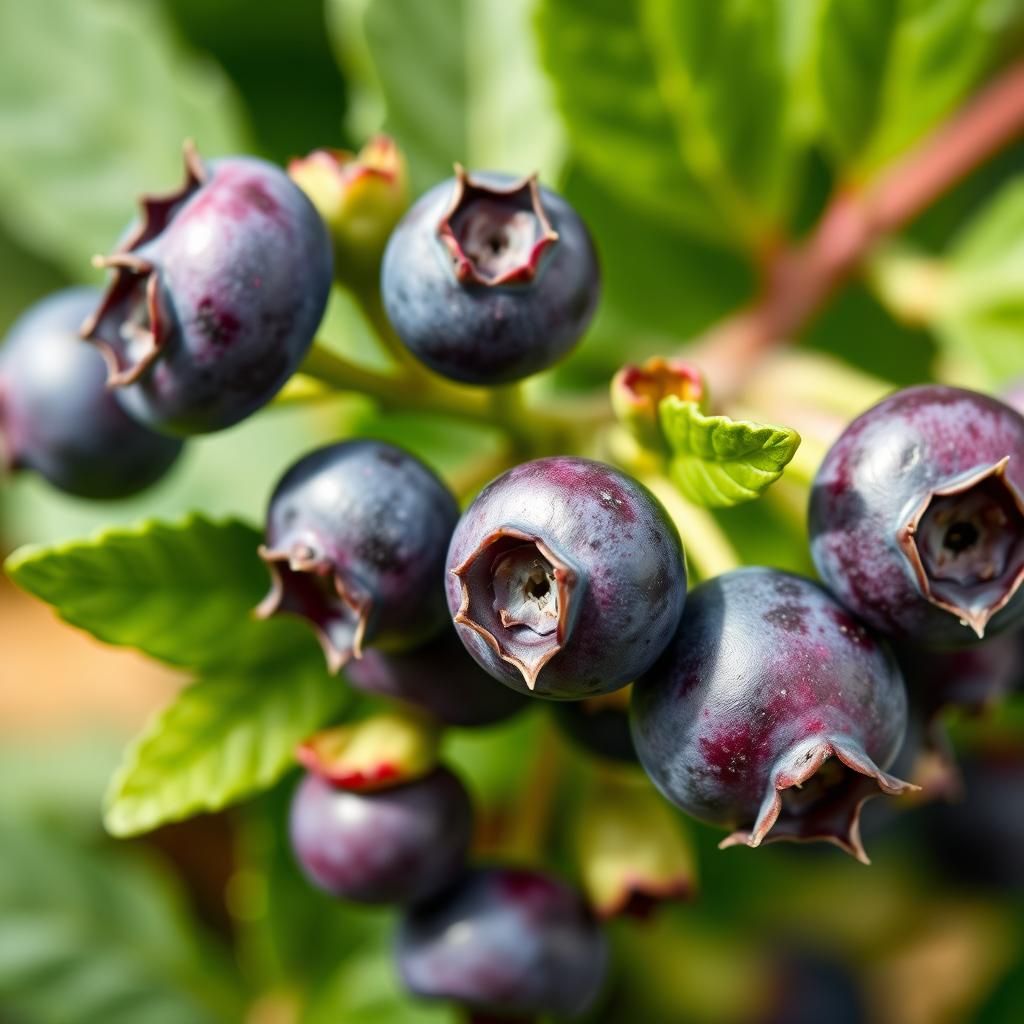
Are you considering adding a delicious and nutritious fruit to your home garden? Blueberries not only provide a burst of flavor but also offer numerous health benefits. However, with various species and cultivars available, choosing the best blueberries for your yard can be overwhelming. This comprehensive guide will help you navigate through the different types of blueberries, their specific growing requirements, and the best practices for cultivation. Whether you're an experienced gardener or just starting, you'll find valuable insights to ensure a bountiful blueberry harvest in your backyard. Let's explore the best options for growing these delightful berries!
What are the best blueberries to grow in your yard?
When considering the best blueberries to grow in your yard, it is essential to evaluate factors such as your climate, soil type, and available space. The most popular varieties include Highbush, Lowbush, and Rabbiteye blueberries. Highbush blueberries are best suited for colder regions and are known for their larger fruit, while Lowbush blueberries thrive in northern areas with harsh climates and produce smaller berries with a sweeter flavor. Rabbiteye blueberries, on the other hand, are more adaptable to the southern climates and are prized for their high yield and disease resistance. Ultimately, selecting the right type for your specific conditions will ensure a fruitful harvest.
The Different Types of Blueberries
There are three primary types of blueberries: Highbush, Lowbush, and Rabbiteye. Highbush blueberries grow taller, reaching up to 6 feet, and are suitable for home gardens, particularly in USDA Hardiness Zones 4-7. Lowbush varieties are shorter, often under 2 feet, and are more cold-hardy, making them ideal for northern climates. Rabbiteye blueberries are well-suited for warmer climates (Zones 7-9) and can grow up to 10 feet tall, making them a great choice for larger yards.
Climate Considerations
Understanding your local climate is crucial when selecting blueberries. Highbush varieties prefer temperate climates with cold winters and moderate summers, whereas Lowbush varieties can survive in colder regions with freezing temperatures. Rabbiteye blueberries flourish in warmer environs, with a preference for heat and humidity. Knowing your USDA Hardiness Zone will help you determine the best options for successful growth in your yard.
Soil Requirements
Blueberries thrive in acidic soils with a pH between 4.5 and 5.5. They prefer well-draining soils rich in organic matter. Amending your soil with peat moss or pine bark can enhance acidity and improve drainage. It is also essential to ensure the ground retains moisture without becoming waterlogged, as blueberries don't fare well in overly saturated conditions.
Pollination Needs
Most blueberry plants are self-pollinating, which means they can produce fruit even if only one variety is planted. However, planting several different varieties can significantly increase your yield since cross-pollination can result in larger and more abundant fruit. A diverse planting of Highbush and Rabbiteye varieties can help achieve optimal growth and fruit production in your garden.
Maintenance and Care Tips
Caring for blueberry plants involves regular pruning, mulching, and monitoring for pests. Pruning should occur in late winter to promote healthy growth and fruit production. Adding a layer of mulch can help retain soil moisture and suppress weeds. Keeping an eye out for common pests, such as aphids and blueberry maggots, will ensure your plants stay healthy and productive.
| Blueberry Type | Climate Zone | Height | Flavor Profile |
|---|---|---|---|
| Highbush | 4-7 | Up to 6 feet | Sweet and juicy |
| Lowbush | 3-6 | Under 2 feet | Sweet and compact |
| Rabbiteye | 7-9 | Up to 10 feet | Sweet and abundant |
What is the best tasting blueberry to grow?

The best tasting blueberry to grow often depends on individual preferences and growing conditions. However, highbush blueberries are typically regarded as the most flavorful and widely cultivated. Among highbush varieties, ‘Bluecrop’, ‘Duke’, and ‘Legacy’ are some of the top contenders due to their balance of sweetness and acidity, along with their robust growth.
Best Highbush Blueberries
Highbush blueberries are known for their larger fruit and higher yields. Within this category, several varieties stand out for their exceptional taste:
- Bluecrop: Known for being reliable and hardy, it offers sweet berries with a hint of tartness.
- Duke: This variety is early ripening and has firm, sweet berries that are perfect for fresh eating.
- Legacy: Offers a unique sweetness with low acidity, making it a favorite among many blueberry enthusiasts.
Flavor Profiles of Different Varieties
Each blueberry variety has its unique flavor profile that suits different tastes:
- Sweetness: Varieties like ‘Legacy’ tend to have a higher sugar content.
- Tartness: ‘Bluecrop’ adds a favorable balance of acidity, appealing to those who enjoy a zing.
- Complexity: Some varieties combine both sweet and tart notes, creating a more complex flavor experience.
Growing Conditions Affecting Taste
The environment in which blueberries are grown plays a significant role in their taste:
- Soil pH: Blueberries thrive in acidic soils (pH 4.5-5.5), which enhances their flavor.
- Sunlight: Full sun exposure (at least 6 hours a day) is crucial for developing sweeter fruits.
- Watering: Consistent moisture is important; however, overwatering can dilute flavor.
Harvesting for Maximum Flavor
When it comes to harvesting blueberries, timing is critical for optimal taste:
See also:
- Ripe Color: Blueberries should be fully blue; a hint of red indicates they are not fully ripe.
- Firmness: Ripe berries should be slightly firm to the touch, indicating good flavor.
- Season Timing: Different varieties ripen at different times; harvest when they reach their peak.
Recommendations for New Growers
For those new to growing blueberries and looking for the best-tasting options, consider the following recommendations:
- Start with Proven Varieties: Begin with ‘Bluecrop’ or ‘Duke’ for reliable results.
- Consult Local Resources: Reach out to local extension services for guidance on suitable varieties for your area.
- Diversify Planting: Planting multiple varieties can enhance your harvest and provide a range of flavors.
What month is best to plant blueberry bushes?

The best month to plant blueberry bushes depends largely on the climate of your region, but generally, early spring is considered the optimal time. In most areas, this corresponds to the months of March or April. Planting during this period allows the bushes to establish their root systems before the heat of summer arrives. It’s essential to avoid planting too early, as frost can damage young plants, and late planting can hinder their growth due to warmer soil temperatures.
Optimal Soil Conditions
To ensure healthy growth of blueberry bushes, it's crucial to prepare the soil.
- Soil pH: Blueberries thrive in acidic soil with a pH between 4.5 and 5.5.
- Drainage: Well-drained soil is essential to prevent root rot.
- Organic Matter: Incorporating compost or peat moss enriches the soil, promoting better growth.
Irrigation Needs
Proper watering is vital after planting blueberry bushes.
- Initial Watering: Water thoroughly at the time of planting to settle the soil around the roots.
- Weekly Schedule: Blueberry bushes typically need about 1-2 inches of water per week.
- Mulching: Applying a layer of mulch helps retain moisture and suppresses weeds.
Sunlight Requirements
Blueberry bushes require ample sunlight for optimal fruit production.
- Full Sun Exposure: Aim for at least 6-8 hours of direct sunlight each day.
- Avoid Shade: Shaded areas can inhibit growth and reduce berry yield.
- Spacing Considerations: Proper spacing between plants ensures they receive enough light.
Choosing the Right Variety
Selecting the appropriate blueberry variety is crucial based on your climate.
- Highbush Varieties: Best for northern climates, offering larger berries and higher yields.
- Lowbush Varieties: More suitable for colder regions but typically produce smaller berries.
- Rabbiteye Varieties: Ideal for southern regions, they require less chill hours.
Pest and Disease Management
Managing pests and diseases is essential to maintain healthy blueberry plants.
- Regular Inspection: Check for signs of pests like aphids or spider mites.
- Preventative Measures: Use row covers or organic pesticides to deter infestations.
- Fungal Diseases: Implement proper spacing and air circulation to minimize disease risks.
What should not be planted near blueberries?

Blueberries thrive in specific soil conditions and have particular companion planting guidelines to ensure optimal growth. Here are some plants that should not be planted near blueberries:
1. Brassicas
Brassicas, such as cabbage, broccoli, and cauliflower, can inhibit the growth of blueberries. These plants may compete for nutrients and may impose allelopathic effects which can hinder the blueberries’ productivity.
- Nutrient competition: Brassicas require high amounts of nitrogen, which can deplete the soil available for blueberries.
- Allelopathy: Some brassica species release chemicals that can negatively affect blueberry growth.
- Water competition: Both types of plants can require substantial water, leading to competition for moisture.
2. Nightshades
Nightshades, including tomatoes, peppers, and eggplants, should be avoided near blueberries. Nightshades can harbor pests and diseases that may affect blueberry plants.
- Common pests: Nightshade plants can attract pests like aphids, which can spread to blueberries.
- Soil-borne diseases: Many nightshades carry diseases that can survive in the soil and affect blueberries.
- Growth interference: The presence of nightshades can inhibit the healthy growth of blueberry plants.
3. Fruit Trees
Certain larger fruit trees such as apple, pear, and cherry trees should generally not be planted near blueberries. These trees can overshadow blueberry bushes, reducing their access to sunlight.
See also:
- Shading: The canopy of larger trees can block sunlight, which is essential for blueberries.
- Root competition: The extensive root systems of fruit trees can compete for nutrients and moisture.
- Structural limitations: Fruit trees can overpower the delicate structure of blueberry bushes, leading to stress.
4. Mint Family
Plants in the mint family, like spearmint and peppermint, can spread aggressively and compete for nutrients and space with blueberries.
- Invasive growth: Mint plants can overtake garden space, choking out blueberries.
- Nutrient depletion: The extensive root systems of mint can deplete essential soil nutrients required for blueberries.
- Water competition: Mint plants may require more water, leading to scarcity for blueberries.
5. Sweet Potatoes
Sweet potatoes are another crop that should not be planted next to blueberries due to their extensive root systems and high nutrient needs.
- Root competition: Sweet potatoes have sprawling roots that can take resources away from blueberries.
- Nutrient exhaustion: As sweet potatoes grow, they can diminish the available nutrients in the soil, detrimental to blueberry health.
- Soil moisture impact: Their growth patterns may lead to drier soil conditions, which blueberries struggle to tolerate.
Where is the best place to plant blueberries in my yard?

To determine the best place to plant blueberries in your yard, several factors must be considered, including soil type, sunlight, drainage, and protection from wind. Blueberries thrive in acidic, well-drained soils that are rich in organic matter and require a sunny location to produce the best fruit. Below are the detailed considerations for planting blueberries in your yard.
Understanding Soil Requirements
The soil is crucial for the successful growth of blueberries. They prefer:
- Acidity: The optimal soil pH for blueberries is between 4.5 and 5.5. You can test your soil with a pH meter or a testing kit.
- Organic Matter: Incorporating organic material, such as peat moss or compost, enhances the soil structure and nutrient content.
- Drainage: Well-drained soil is essential. Avoid areas where water tends to pool after heavy rain.
Sunlight Exposure
Blueberries require plenty of sunlight to produce fruit. Ideally, they should receive:
- Full Sun: Aim for at least 6 to 8 hours of direct sunlight per day.
- Sunlight Orientation: South-facing locations are typically warmer and more exposed, benefiting the plants.
- Shading Considerations: Avoid planting near large trees or structures that may cast shadow, reducing sunlight availability.
Watering and Irrigation
Proper watering practices are essential for blueberries. They need:
- Consistent Moisture: Ensure the soil remains consistently moist but not waterlogged.
- Irrigation System: Consider installing drip irrigation to provide efficient and targeted watering.
- Mulch: Using mulch can help retain soil moisture and regulate temperature.
Choosing the Right Location
The physical location of your blueberry bushes is critical. Consider:
- Wind Protection: Plant in locations that offer shelter from strong winds that can damage the plants.
- Spacing: Provide adequate space between plants (about 4 to 6 feet) for air circulation and growth.
- Companion Plants: Consider surrounding blueberries with compatible plants that do not compete for nutrients, enhancing the ecosystem.
Climate Considerations
Lastly, the climate of your region plays a significant role in the success of blueberry cultivation. Take into account:
- Hardiness Zones: Know your USDA hardiness zone to select appropriate blueberry varieties.
- Frost Dates: Protect against late frosts in spring by planting in areas with good air drainage.
- Temperature Range: Assess the average temperatures to ascertain whether the selected variety will thrive.
Questions from Our Readers
What are the best varieties of blueberries to grow in a home garden?
To choose the best varieties of blueberries for your home garden, consider highbush blueberries like Bluecrop and Legacy, which offer excellent yields and adaptability. Additionally, lowbush varieties such as Northcountry are perfect for northern climates. These varieties generally provide great flavor and disease resistance, making them ideal for home growing.
Do I need more than one type of blueberry plant for pollination?
Yes, planting at least two different varieties of blueberries is highly recommended for effective pollination. This practice enhances fruit set and results in bigger, sweeter berries. Bees are attracted to the flowers, so having a mix of varieties aids in cross-pollination, leading to a more abundant harvest.
What soil requirements do blueberries need?
Blueberries thrive in acidic soil with a pH between 4.5 and 5.5. It's crucial to ensure good drainage and organic matter, such as peat moss or pine bark, to maintain the necessary soil structure. Regular soil testing can help you adjust acidity levels and provide the right growing conditions for your plants.
How much sunlight do blueberry plants require?
Blueberry plants require full sun, ideally receiving 6 to 8 hours of sunlight each day for optimal growth and fruit production. Adequate sunlight improves photosynthesis and leads to healthier plants, increased flowering, and ultimately, a more plentiful blueberry harvest.
See also:
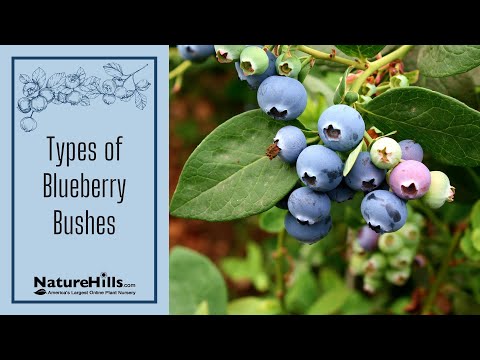
If you want to read more articles like What Are the Best Blueberries to Grow in Your Yard? A Complete Guide for Home Gardeners, we recommend you check out our Berries category.
Leave a Reply
Related Articles