Can I Plant Strawberries Around Blueberry Bushes? Essential Tips for Successful Companion Planting

Companion planting can be a valuable strategy for maximizing garden health and productivity. When it comes to strawberries and blueberries, many gardeners wonder if these two beloved fruits can coexist harmoniously. Both plants share similar growing requirements and thrive in acidic soils, but understanding their unique needs is essential for successful planting. In this article, we'll explore the compatibility of strawberries and blueberry bushes, along with essential tips for ensuring a fruitful and healthy garden. Whether you're a seasoned gardener or a newbie, discovering how to effectively pair these fruits can lead to a bountiful harvest and a thriving garden ecosystem.
Can Strawberries and Blueberry Bushes Coexist in Your Garden?
Yes, you can plant strawberries around blueberry bushes; however, careful consideration is needed regarding their growing conditions and space requirements. Both plants prefer acidic soil, but strawberries generally require more sunlight and can tolerate slightly different moisture levels compared to blueberries. By ensuring that both plants receive adequate sunlight and are not overcrowded, you can create a thriving garden where strawberries and blueberries can coexist harmoniously.
Growing Conditions for Blueberries
Blueberries thrive in acidic soil with a pH between 4.5 and 5.5 and require well-drained, moist conditions. They benefit from being placed in an area where they can receive full sun for at least six hours each day. Moreover, blueberry bushes can grow quite large and may require more space than strawberries, which can necessitate careful planning regarding their placement to avoid overcrowding.
Sunlight Requirements for Strawberries
Strawberries flourish in sunny locations, ideally receiving around 6 to 8 hours of sunlight daily. While they can tolerate partial shade, optimal fruit production occurs in full sun. Placing strawberries near blueberries that are happy in similar light conditions can work well, provided that they don't cast too much shadow on the strawberries as they grow.
Soil Considerations for Both Plants
Both strawberries and blueberries prefer acidic soils, making them somewhat compatible; however, strawberries can tolerate a wider range of soil pH. To meet the needs of both plants, it's essential to ensure the soil is enriched with organic matter and has good drainage. Regular soil testing can help maintain the appropriate pH and nutrient levels necessary for both crops to thrive.
Watering Needs for Strawberries and Blueberries
Strawberries and blueberries both require consistent moisture, but their watering needs can vary slightly. Blueberries prefer consistently moist soil and may suffer if allowed to dry out, while strawberries can tolerate short periods of dryness once established. A good watering strategy involves maintaining a regular schedule that ensures both plants receive adequate hydration without waterlogging.
Harvesting and Yield Considerations
When planting strawberries near blueberries, consider their harvesting times and yield potential. Strawberries will typically produce fruit in early to mid-summer, while blueberries typically produce their yield later in the summer. This staggered harvest allows for ample time to manage both crops but also requires planning for space and care during peak harvest periods to prevent any disturbance between the plants.
| Plant Type | pH Level | Sunlight | Watering Needs |
|---|---|---|---|
| Blueberries | 4.5 - 5.5 | 6+ hours | Consistently moist |
| Strawberries | 5.5 - 6.5 | 6 - 8 hours | Moderate; can tolerate some dryness |
Can you plant strawberries around blueberries?
:strip_icc()/berries-in-container-7561481-e74800650a4f45a59047e34cfa5650a2.jpg)
Yes, you can plant strawberries around blueberries, and this practice can be beneficial for both plants if done correctly. However, there are several factors to consider when planting these two types of berries together, including soil pH, water requirements, and spacing. Strawberries thrive in slightly different conditions compared to blueberries, which are acid-loving plants. Here are several aspects you should consider when planting strawberries around blueberries.
Understanding Soil Requirements
Strawberries and blueberries prefer different soil conditions, which is essential when planting them near each other.
- Blueberries: They prefer acidic soil with a pH between 4.5 and 5.5.
- Strawberries: They thrive in slightly less acidic soil, typically with a pH ranging from 5.5 to 6.5.
- Impact on Growth: If the soil pH is too acidic, it may hinder the growth of strawberries, affecting their yield.
Watering Needs
Watering is another crucial factor when planting strawberries and blueberries together.
- Blueberries: They require consistent moisture and benefit from mulching to retain water.
- Strawberries: They also need regular watering, but overwatering should be avoided to prevent root rot.
- Watering Strategy: A strategy to manage water needs is essential; consider using drip irrigation to maintain proper moisture for both.
Pest Management
Pest management becomes more complex when mixing different berry plants.
- Common Pests: Both strawberries and blueberries may attract similar pests, such as aphids and spider mites.
- Disease Risks: The close proximity might increase the risk of diseases spreading between plants.
- Preventive Measures: Implementing integrated pest management (IPM) practices is advisable to minimize pest issues.
Companion Planting Benefits
Planting strawberries around blueberries can offer various benefits through companion planting.
See also:
- Pollination: They may attract beneficial insects that help in the pollination of both types of berries.
- Ground Coverage: Strawberries can act as ground cover, helping to retain moisture for the blueberries.
- Soil Health: The diverse root systems can improve soil health by preventing nutrient depletion.
Spacing Considerations
Correct spacing is necessary for both strawberries and blueberries to ensure optimal growth.
- Strawberry Spacing: Strawberries should be spaced about 12 to 18 inches apart to allow for their runners to spread.
- Blueberry Spacing: Blueberries require a larger spacing of about 2 to 4 feet, depending on the variety.
- Air Circulation: Proper spacing also enhances air circulation, reducing the likelihood of fungal diseases.
What should you not plant strawberries next to?
:max_bytes(150000):strip_icc()/GettyImages-697462588-bac5dc98b31d472fbc0b91753aa9f47a-60e095f548a94e5bab896d7a6439d411.jpg)
Strawberries are beloved fruits that many gardeners enjoy growing. However, certain plants can negatively impact the growth and health of strawberries. Here are some plant types that should not be planted next to strawberries:
Avoid Planting with Brassicas
Brassicas, which include vegetables like cabbage, broccoli, and cauliflower, should generally not be planted near strawberries. These plants can compete for nutrients and space, leading to stunted growth for both. Additionally, the strong scent of brassicas can attract pests that may also harm strawberries.
- Nutrient Competition: Brassicas can deplete the soil of key nutrients needed by strawberries.
- Pest Attraction: The presence of brassicas may attract pests such as aphids, which can infest strawberries.
- Space Issues: Both types of plants require similar amounts of space and can crowd each other.
Nightshades Proximity Issues
Nightshades include plants like tomatoes, potatoes, and eggplants. Planting strawberries near these can lead to a higher risk of diseases, particularly fungal infections. Additionally, nightshades often require similar care and can compete for resources.
- Disease Spread: Both strawberries and nightshades can harbor similar diseases.
- Resource Competition: Both require similar nutrients and water, leading to competition.
- Space Competition: Nightshades can grow quite large and overshadow strawberries.
Herbs That May Compete
Certain herbs, while beneficial in many gardens, can create competition for nutrients when grown close to strawberries. Examples include peppermint and basil, which can dominate space and affect growth.
- Dominance: Some herbs can become invasive and take over the space needed by strawberries.
- Water Needs: Different water requirements can lead to either over or under-watering.
- Flavor Transfer: Strongly scented herbs may influence the flavor profile of strawberries.
Alliums and Strawberries
Plants from the allium family, such as onions, garlic, and leeks, can negatively affect strawberry growth. These plants release sulfur compounds that may hinder strawberry production and attract unwanted pests.
- Growth Impact: Alliums can inhibit growth due to their sulfur compounds.
- Pest Attraction: Some pests are more attracted to these plants, potentially affecting nearby strawberries.
- Flavor Impact: The presence of alliums could alter the taste of strawberries.
Plants with High Water Requirements
Plants like cucumbers and squash have high water needs and can compete with strawberries for moisture. This competition can lead to both plants struggling to thrive in the same vicinity.
- Moisture Competition: Both plants need significant amounts of water, leading to depletion.
- Root Overlap: Overlapping root systems may hinder growth.
- Potential for Disease: Water-heavy conditions can promote disease in both types of plants.
What cannot be planted with blueberries?
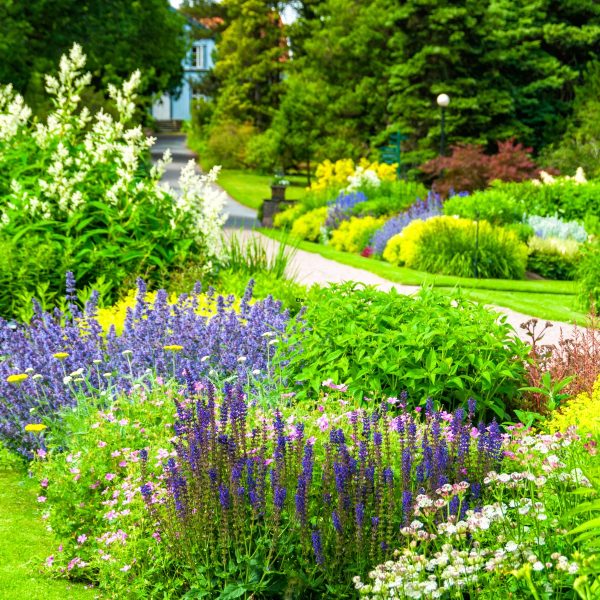
Blueberries (Vaccinium spp.) are delicious and nutritious fruits that thrive in acidic soil and prefer a certain range of companions in the garden. It's important to know that certain plants may hinder their growth or affect their yields negatively. Here’s a detailed look at plants that should not be planted with blueberries.
Compatibility with Soil pH
Blueberries prefer a soil pH of around 4.5 to 5.5, which is much lower than many other plants. If plants that thrive in neutral to alkaline soil are grown nearby, they can alter the pH balance, leading to inhibited nutrient absorption for the blueberries. This is why it's crucial to consider soil compatibility.
- Vegetables like cabbage and broccoli thrive in neutral conditions and can worsen the pH for blueberries.
- Tomatoes typically prefer a pH of 6.0 to 6.8, making them unsuitable companions.
- Peppers require similar conditions to tomatoes, posing a potential threat to blueberry health.
Root Competition
Blueberries have shallow root systems, which can make them vulnerable to stronger, deeper-rooted plants. Planting species with extensive root systems can lead to competition for moisture and nutrients.
- Maple trees provide significant root competition which can outcompete blueberries for nutrients and water.
- Willow trees also have aggressive root systems that can disrupt the growing environment of blueberries.
- Old fruit trees may also sap moisture and nutrients from the soil, similarly affecting bluebry plants.
Negative Allelopathy
Certain plants release chemicals into the soil that can inhibit the growth of neighboring plants. This phenomenon, known as allelopathy, can be detrimental to blueberries.
See also:
- Black walnut trees are well-known for their allelopathic properties, which can be toxic to blueberries.
- Oak trees may also produce chemicals that negatively impact blueberry growth.
- Sunflowers can inhibit berry plants through their root secretions.
Pest and Disease Susceptibility
Certain plants can attract pests that are harmful to blueberries or harbor diseases that blueberries can catch, impacting their health and productivity.
- Raspberries can attract aphids which may spread diseases to blueberry plants.
- Corn can predispose blueberries to certain pests, like the corn earworm, making them susceptible.
- Potatoes can host diseases, such as blight, which may also affect berries.
Water Needs Mismatch
Blueberries have specific watering needs due to their shallow roots. Plants that require significantly different moisture levels can be detrimental to their growth.
- Cacti and other succulents require very little water, creating a dry environment detrimental to blueberries.
- Most herbs like basil and oregano prefer well-drained conditions which might conflict with the moisture that blueberries need.
- Perennial flowers that thrive in dry conditions can also create too much competition for water.
Do strawberries go with blueberries?
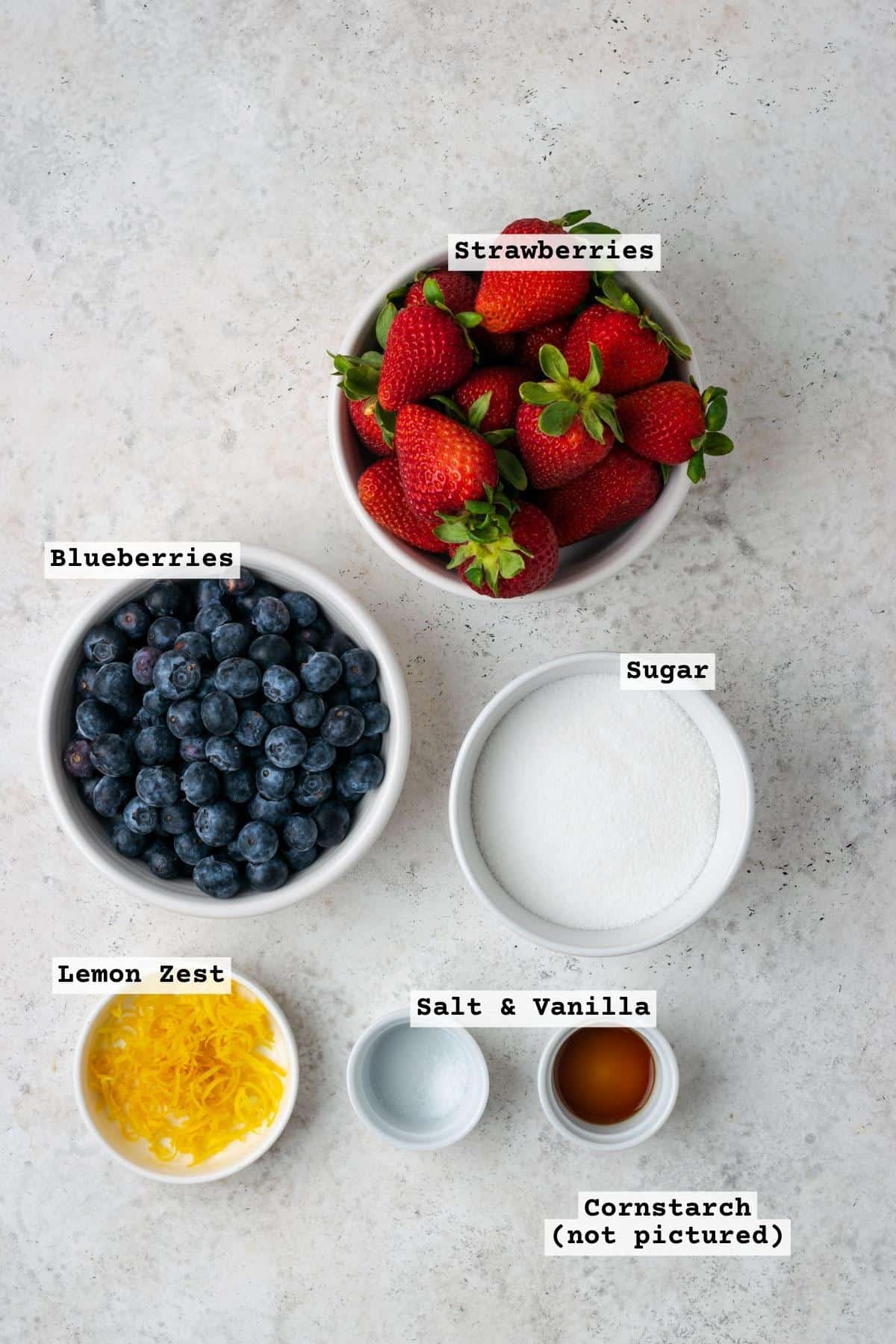
Strawberries and blueberries are both popular fruits that complement each other well in various culinary applications. Their vibrant colors, sweet flavors, and nutritional benefits make them an appealing combination. When mixed, they create a balanced taste profile that can enhance both sweet and savory dishes. Here are several reasons why strawberries and blueberries work well together:
Nutritional Benefits
Both strawberries and blueberries offer significant health benefits. Together, they provide a rich array of vitamins and antioxidants.
- High in Vitamins: Both fruits are rich in Vitamin C, which boosts the immune system.
- Antioxidants: They are loaded with antioxidants that help combat oxidative stress.
- Low in Calories: This combination is low in calories, making it a healthy snack option.
Culinary Uses
Strawberries and blueberries can be used together in various culinary applications, enhancing both taste and presentation.
- Salads: They can be combined in salads to add color and sweetness.
- Desserts: Perfect for desserts such as pies, tarts, and parfaits.
- Breakfast Dishes: Ideal for smoothies, oatmeal, or yogurt bowls.
Flavor Profile
The flavor profile of strawberries and blueberries makes them a harmonious duo.
- Balanced Sweetness: Strawberries are sweet, while blueberries have a slightly tart flavor, creating a well-rounded taste.
- Aromatic Qualities: The aroma of both fruits can enhance the overall sensory experience of dishes.
- Color Contrast: The bright red of strawberries and the deep blue of blueberries make for a visually stunning presentation.
Pairing with Other Ingredients
Strawberries and blueberries can be combined with various ingredients to create unique flavor combinations.
- Cheeses: They pair well with cheeses like goat cheese and ricotta.
- Nuts: Almonds and walnuts can add crunch and richness when mixed with these fruits.
- Herbs: Fresh herbs like mint can elevate the flavors in salads or desserts.
Seasonal Availability
Both strawberries and blueberries have specific growing seasons, which can affect their availability and flavor.
- Summer Fruits: Both berries are typically in season during the summer months, ensuring fresh options.
- Storage: They can be frozen for later use, allowing for enjoyment year-round.
- Local Farms: Sourcing locally can ensure the best flavor and freshness of both fruits.
Questions from Our Readers
Can I plant strawberries around blueberry bushes?
Yes, you can plant strawberries around blueberry bushes, but it's important to consider their different soil requirements. Blueberries thrive in acidic soil, while strawberries prefer a more neutral pH. To ensure both plants thrive, you should monitor soil conditions and make amendments as necessary.
What are the benefits of planting strawberries near blueberries?
Planting strawberries near blueberries can promote pollinator activity since both plants will attract bees and other pollinators, potentially enhancing fruit production. Additionally, the ground cover provided by strawberry plants can help retain moisture and suppress weeds around the blueberry bushes.
Are there any drawbacks to planting strawberries with blueberries?
The main drawback is their different water needs; blueberries typically require more water than strawberries. If the strawberry plants do not receive enough moisture, they may struggle to flourish. It's essential to manage watering carefully when planting these two together.
What should I do if my strawberries are not growing well near blueberries?
If strawberries are not growing well near blueberries, check the soil pH and moisture levels. Consider amending the soil to provide a balanced environment, or you may need to relocate the strawberries to a more suitable area where they can thrive independently.
See also:

If you want to read more articles like Can I Plant Strawberries Around Blueberry Bushes? Essential Tips for Successful Companion Planting, we recommend you check out our Berries category.
Leave a Reply
Related Articles