What Animal Eats Peonies? Discover the Culprits Behind Your Garden's Woes

Peonies are cherished for their stunning blooms and sweet fragrance, making them a favorite in many gardens. However, these beautiful flowers are often at risk from various animal intruders that can wreak havoc on their growth and health. Understanding which creatures are responsible for munching on your peonies is crucial for protecting your garden's investment. In this article, we will explore the common culprits behind the damage to your beloved peonies, providing insights into their behaviors and preferences. Armed with this knowledge, you can take the necessary steps to safeguard your garden from these unwelcome visitors.
What Animals Eat Peonies?
Peonies are beautiful flowering plants that can attract a variety of wildlife, some of which may have a taste for their luscious foliage and blooms. Among the most prominent animals known to eat peonies are deer, rabbits, and groundhogs. These herbivores are particularly drawn to new growth and tender parts of the plant, which are often more palatable. Additionally, insects like aphids may not eat the peonies in the traditional sense, but they can sap the plant's vitality and cause damage, leading to a decline in overall health. Understanding which animals are likely to target peonies can help gardeners take preventative measures to protect these delicate flowers.
Deer and Their Impact on Peonies
Deer are often cited as one of the primary culprits when it comes to garden plant damage, including peonies. They are known to browse on young shoots, buds, and even the flowers themselves, especially during spring when food sources are limited. Their preference for tender leaves and stems makes newly emerged peony growth particularly vulnerable. To deter deer, many gardeners implement fencing or use deer repellents, which can be quite effective in keeping these large herbivores at bay.
Rabbits: Small but Destructive
Rabbits are another common threat to peonies, especially in suburban and rural areas where they are frequently encountered. They tend to nibble on the foliage and can strip entire plants of their leaves if left unmonitored. Young peony plants are particularly at risk, as they are more accessible to rabbits. To counteract this issue, gardeners often resort to installing rabbit-proof fences or using organic repellents to ensure their peonies can thrive without becoming a meal.
Groundhogs and Their Garden Habits
Groundhogs, also known as woodchucks, are notorious for their love of garden plants, including peonies. These animals can cause significant damage, as they tend to chew through both the leaves and stems, often uprooting plants in the process. They are especially active during the growing season, making it crucial for gardeners to take measures to safeguard their peonies. Trapping and habitat modification are common strategies used to curb groundhog populations in residential areas.
The Role of Insects: Aphids and More
While many people think of larger pests when considering threats to peonies, insect pests like aphids can also inflict serious harm. Aphids feed on the sap of peonies, weakening the plant and leaving it susceptible to disease. A heavy infestation can lead to curled leaves and stunted growth. Fortunately, there are numerous natural predators, such as ladybugs, that can help keep aphid populations in check. Additionally, insecticidal soaps can be effective in treating aphid problems without harming beneficial insects.
Preventative Measures for Protecting Peonies
To effectively protect peonies from various animals, gardeners can implement multiple strategies that target different threats. This can include installing physical barriers like fencing for larger animals and employing traps or repellents for smaller pests. Additionally, using companion planting strategies that attract beneficial insects or deter herbivores can create a more balanced garden ecosystem. With diligent care and preventative measures, peony plants can flourish even in areas with high wildlife activity.
| Animal | Description | Preventative Measures |
|---|---|---|
| Deer | Large herbivores that love to browse on young shoots and buds. | Fencing, repellents. |
| Rabbits | Small animals that can strip peonies of their foliage. | Rabbit-proof fences, organic repellents. |
| Groundhogs | Known for uprooting and damaging peony plants. | Trapping, habitat modification. |
| Aphids | Insect pests that feed on sap and weaken the plant. | Insecticidal soap, introducing natural predators. |
What is eating my peony plants?

Peonies are beautiful flowering plants that can bring color and fragrance to any garden. However, they are sometimes victims of various pests and diseases that can threaten their health. Understanding what is eating your peony plants is crucial for effective management and prevention. Here are some common culprits that may be feasting on your peonies.
Common Pests Affecting Peonies
Among the various threats to peonies, insects are perhaps the most significant. Common pests include:
- Aphids: Small, soft-bodied insects that suck sap from the leaves and stems, causing distortion and yellowing.
- Spider Mites: Tiny arachnids that also feed on plant sap, leading to stippling and fine webbing on the underside of leaves.
- Thrips: These slender insects can cause damage by feeding on flowers and foliage, resulting in discolored and deformed blossoms.
Diseases That Affect Peonies
Apart from insect pests, certain diseases can affect peony plants. These diseases might not exactly eat the peonies, but they can severely weaken them, making them more susceptible to insect infestations.
- Botrytis Blight: A fungal disease that causes brown spots on leaves and can lead to decay of flower buds.
- Powdery Mildew: A common fungal issue characterized by a white powdery substance on leaves, reducing the plant’s ability to photosynthesize.
- Root Rot: Often caused by overwatering and poor drainage, this condition affects the root system, leading to plant decline.
Environmental Factors That Attract Pests
Certain environmental factors can also contribute to the presence of pests on your peonies. Understanding these factors can aid in prevention efforts:
- Overcrowding: When plants are too close together, they can trap humidity, creating a perfect environment for pests.
- Watering Practices: Inconsistent watering can stress plants, making them vulnerable to pests.
- Nutrient Deficiencies: Poor soil conditions can weaken peony plants, attracting pests looking for an easier meal.
Signs of Pest Infestation
Recognizing the signs of pest infestation early on can be crucial for effective management. Key indicators to look for include:
- Wilting Leaves: This can indicate sap-sucking insects depleting the plant's resources.
- Discoloration: Yellowing or browning leaves may suggest pest activity or disease presence.
- Small Holes: Noticeable holes in the foliage signal that insects are actively feeding.
Preventive Measures for Protecting Peonies
Implementing preventive measures can greatly reduce the likelihood of pests and diseases affecting your peonies. Consider the following practices:
See also:
- Proper Spacing: Ensure adequate space between plants for air circulation, reducing humidity that attracts pests.
- Regular Monitoring: Inspect your plants frequently for early signs of pest activity or disease symptoms.
- Natural Predators: Encourage beneficial insects, such as ladybugs, by planting companion plants that attract them.
Do any animals eat peonies?
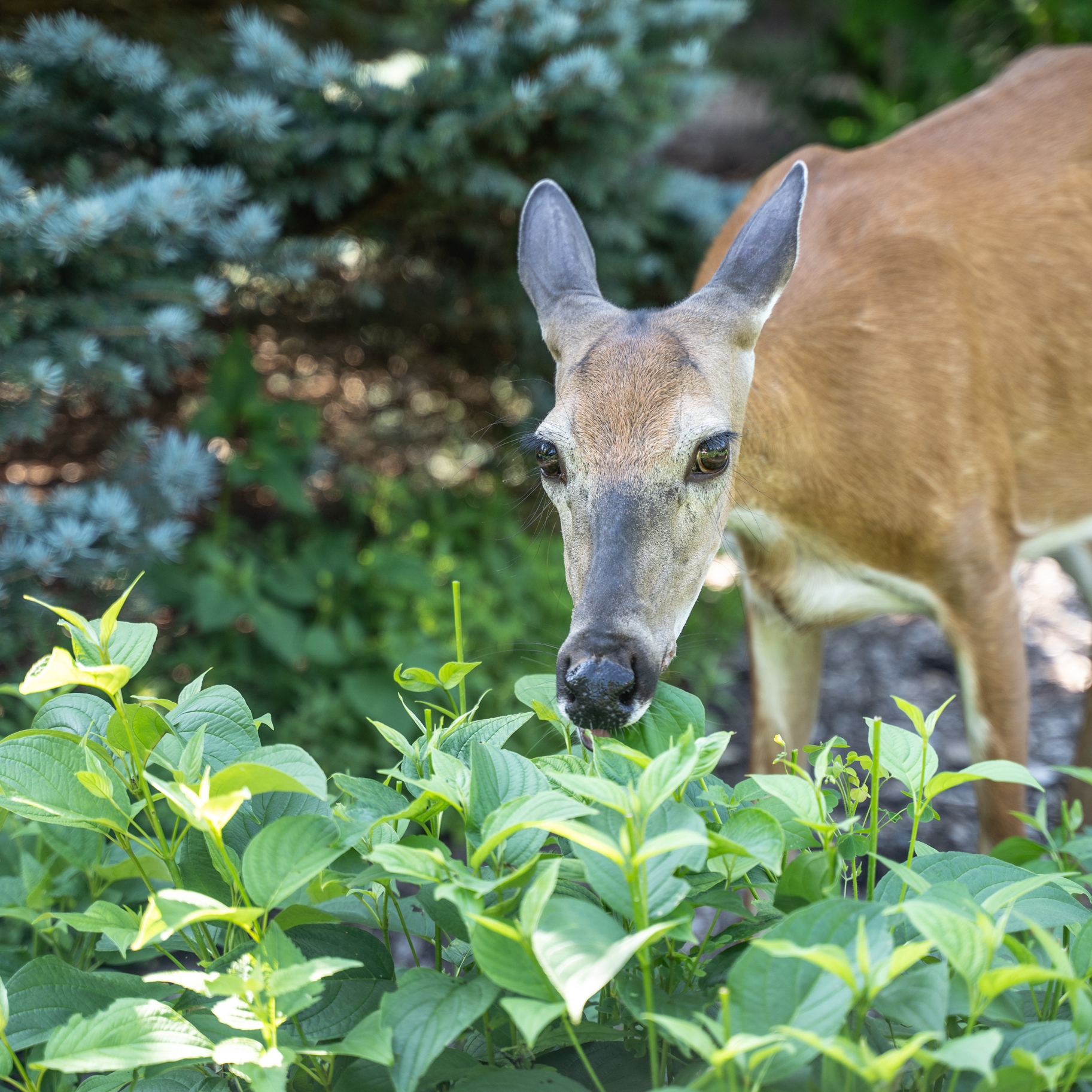
Peonies are largely considered to be deer-resistant plants, but this does not mean they are completely safe from all herbivorous animals. Various creatures may show interest in peonies for different reasons, primarily due to their fragrant blooms and lush foliage. While peonies can be toxic to a number of animals, some might still attempt to eat them. The level of risk associated with animals consuming peonies can vary depending on their natural habitat and dietary preferences.
Common Herbivores That May Eat Peonies
Some common herbivores that might be attracted to peonies include:
- Deer: While they prefer other plants, deer may occasionally eat peonies in late spring or early summer if food is scarce.
- Rabbits: These animals enjoy nibbling on various garden plants and may target young peony shoots.
- Groundhogs: Also known as woodchucks, groundhogs may munch on peony leaves if they feel brave enough.
The Toxicity of Peonies
Peonies contain compounds that are toxic to many animals, particularly pets and livestock. The main toxins present are:
- Paeonol: This compound can cause gastrointestinal issues if ingested.
- Alkaloids: These can lead to symptoms such as vomiting and lethargy in animals.
- Skin irritants: Touching the plant may cause irritation in some animals, discouraging further consumption.
Uncommon Animals That May Eat Peonies
While less frequent, some less common animals may also show an interest in peonies:
- Squirrels: They may sometimes nibble on peony buds, especially when other food sources are limited.
- Horses: In rare cases, horses may eat peony foliage, although it is not part of their natural diet.
- Caterpillars: Certain species of caterpillars may feed on peony leaves during their larval stage.
Protecting Peonies from Herbivores
To protect peonies from potential herbivorous threats, consider the following methods:
- Physical barriers: Use fencing or netting around peonies to deter larger animals such as deer and rabbits.
- Repellents: Apply commercial or homemade repellents that can deter animals due to their taste or smell.
- Companion planting: Grow peonies alongside strong-smelling plants that may repel herbivores.
Signs of Animal Damage to Peonies
Identifying signs of animal damage can help you take action quickly. Look for:
- Chewed leaves: Fresh bite marks on the foliage can indicate herbivores have been feeding.
- Footprints: Tracks around the peonies may suggest the presence of animals like rabbits or deer.
- Damaged buds: If you find buds that have been eaten or are missing, it may point to animal activity.
Do deer or rabbits eat peonies?

Deer and rabbits are known to be common garden pests, and their dietary preferences can significantly affect the health of various plants, including peonies. Peonies are beautiful flowering plants that some gardeners may wish to protect from these herbivores.
Understanding Deer Preferences
Deer are selective eaters and tend to prefer certain plants over others. While they do eat a variety of vegetation, peonies are typically not their first choice. However, this does not mean that deer will completely avoid them, especially in late winter or early spring when food is scarce.
1. Seasonal Hunger: In times of food shortage, deer might nibble on peonies.
2. Young Plants: Newly planted peonies may attract deer due to their tender foliage.
3. Location Matters: If peonies are in a secluded area or near a deer path, they are more likely to be targeted.
Rabbit Feeding Habits
Rabbits are more likely to consume peonies than deer. They enjoy a broad range of garden plants, and peonies can be particularly appealing due to their juicy tender shoots and leaves.
1. Preference for Young Growth: Rabbits tend to favor young, tender parts of plants, which are abundant in peonies.
2. Garden Dynamics: In gardens where food sources are limited, rabbits might resort to eating peonies more frequently.
3. Hiding Spots: Rabbits might be attracted to peonies if they provide cover or nearby hiding locations.
Protecting Peonies from Deer and Rabbits
To safeguard your peonies from deer and rabbits, gardeners can implement various protective measures.
See also:
1. Fencing: Erecting a high fence (at least 8 feet) can deter deer, while lower fencing or chicken wire can be effective against rabbits.
2. Repellents: Applying commercial deer and rabbit repellents can keep herbivores at bay, though these need to be reapplied after rain.
3. Plant Companions: Surrounding peonies with plants that deer and rabbits dislike can help protect them.
Alternative Plants to Consider
If you find that peonies are constantly being eaten, you might consider planting other types of flowers that are less appealing to deer and rabbits.
1. Lavender: Strong-smelling herbs tend to repel many herbivores.
2. Marigolds: Their scent can deter rabbits and other pests.
3. Daffodils: These flowers are toxic to most animals, making them a safe choice for gardens.
Seasonal Considerations for Gardeners
Understanding the seasons can help in planting, maintaining, and protecting your peonies effectively.
1. Spring Vigilance: Early in the spring is a critical time when both deer and rabbits are looking for tender new growth.
2. Full Bloom Protection: When peonies bloom, they can attract more herbivores curious about the flowers.
3. Foliage Decline: As fall approaches, both deer and rabbits may shift their feeding habits, reducing damage to peonies.
Will squirrels eat peonies?

Squirrels can indeed eat peonies, although they are not their primary food source. These creatures are opportunistic feeders and will consume a variety of plants, flowers, and seeds based on availability and their nutritional needs. Peonies, known for their beautiful blooms and sometimes fragrant foliage, can attract squirrels, especially when they are young and tender. However, whether squirrels will eat your peonies largely depends on the specific circumstances, such as the abundance of other food sources and the particular type of peony.
Understanding Squirrel Behavior
Squirrels are known for their adaptability and resourcefulness when it comes to foraging for food. Their behavior can be influenced by:
- Seasonal Availability: Squirrels adjust their diet throughout the year, primarily consuming nuts and seeds in autumn and various plants in spring.
- Food Scarcity: During times when natural food sources are scarce, squirrels may resort to eating peonies if they find them accessible.
- Plant Tenderness: Younger peonies with tender leaves might be more appealing, as squirrels often prefer softer textures.
Factors Influencing Squirrel Feeding Habits
Several factors can influence whether squirrels will eat peonies in a given area:
- Local Wildlife: The presence of other food sources or more desirable plants can deter squirrels from eating peonies.
- Neighborhood: Urban or suburban environments may have different food availability compared to rural areas, affecting squirrel diets.
- Human Activity: Areas with high human activity may have fewer squirrels due to disturbances, influencing their eating habits.
Peonies as a Food Source
While squirrels may occasionally munch on peonies, there are factors to consider regarding these flowers as a food source:
- Nutritional Value: Peonies do not provide a significant nutritional value compared to other common food sources for squirrels.
- Plant Toxicity: Peonies are considered toxic to some animals, though squirrels may eat them in small amounts without noticeable harm.
- Floral Attractiveness: The beautiful blooms may attract squirrels, but they may not be their first choice for food.
Preventing Squirrel Damage to Peonies
If you're concerned about squirrels eating your peonies, here are some strategies you can employ to protect your plants:
- Physical Barriers: Using fences or mesh netting can help deter squirrels from accessing your flower beds.
- Plant Companions: Placing stronger-smelling herbs or other plants around peonies can help mask their scent and reduce interest.
- Repellents: Applying natural or commercial squirrel repellents can discourage them from approaching your peonies.
Alternative Plants to Consider
If squirrels are a significant concern in your gardening efforts, consider planting alternatives that are less likely to attract them:
- Bulb Flowers: Consider planting daffodils or alliums; these flowers are less appealing to squirrels.
- Herbs: Some herbs, like rosemary and lavender, can deter squirrels due to their strong scents.
- Resilient Shrubs: Choosing shrubs that are less likely to be bothered by squirrels, like holly, can provide a beautiful landscape without attracting pests.
Questions from Our Readers
What animals are known to eat peonies?
Many animals are attracted to peonies, but some of the most common ones include deer, rabbits, and squirrels. These species are often drawn to the tender leaves and stems of the plant, particularly when other food sources are scarce.
How can I protect my peonies from being eaten by animals?
To protect your peonies from animal interference, consider using fencing or barriers to keep larger animals like deer out. Additionally, you can apply natural repellents or plant companion plants that are less appealing to these foragers.
See also:
Do insects eat peonies as well?
Yes, several insects can damage peonies, including aphids, leaf miners, and thrips. While they may not be the primary threat, their feeding can still cause significant stress to the plant and lead to decreased vigor or flower production.
Are peonies toxic to animals?
Peonies are considered non-toxic to pets such as cats and dogs. However, ingestion of large quantities can cause some mild gastrointestinal upset, so it's best to monitor your pets around these plants to prevent any potential issues.

If you want to read more articles like What Animal Eats Peonies? Discover the Culprits Behind Your Garden's Woes, we recommend you check out our Peony category.
Leave a Reply
Related Articles