When to Divide Peonies? A Complete Guide for Gardeners

Peonies are beloved for their stunning blooms and lush foliage, making them a cherished addition to any garden. However, to maintain their health and vigor, understanding when to divide peonies is crucial. Dividing these perennial favorites not only allows for propagation but also helps rejuvenate plants that may have become overcrowded or less productive over time. This comprehensive guide will provide gardeners with all the information they need to identify the right timing for division, the techniques involved, and tips for successful replanting. Whether you’re a seasoned gardener or a beginner, this guide will help you cultivate beautiful peonies for years to come.
When to Divide Peonies?
Dividing peonies is best done in the fall or very early spring when the plants are still dormant. During these times, the stress on the plant is minimized, allowing the roots to establish themselves in their new location without the added pressure of growth. Ensuring the soil is adequately prepared and the divisions are made carefully can promote healthy regeneration and encourage blooming in subsequent seasons. By following these guidelines, gardeners can enjoy vibrant and lush peony plants that continue to thrive for years to come.
Best Time for Division
The optimal time for dividing peonies is in the fall after the foliage has died back but before the ground freezes. This period allows the plants to recover from the shock of division while the soil temperature is still warm enough to encourage root growth. Alternatively, early spring can also be a suitable time, provided that the ground is workable and the buds have not yet broken dormancy. This careful timing is crucial to ensuring the success of the divided plants.
Signs That Peonies Need Division
Peonies should be divided when they show signs of becoming crowded or when their blooms are smaller than usual. If you notice that the plants have stopped producing flowers or if they are struggling with disease, it may be time to divide and rejuvenate them. Another sign is when the roots start pushing their way above the soil surface, indicating that the plants are outgrowing their space. Observing these signs can help maintain the health and vigor of your peony plants.
How to Properly Divide Peonies
To properly divide peonies, first, you should water the plants a day before you plan to divide them to help minimize shock. Carefully uproot the entire plant using a spade or fork, and then gently shake off the excess soil. Look for natural divisions in the root system; each division should have at least three to five eyes or buds. Use a sharp knife if necessary to sever larger clumps, ensuring each division has healthy roots attached. Replant immediately in well-draining soil at the same depth they were originally growing.
Aftercare for Divided Peonies
After dividing peonies, it is essential to provide proper aftercare to ensure their successful establishment. Water the newly divided plants thoroughly and apply a mulch layer to help retain moisture and regulate soil temperature. Avoid heavy fertilization at this stage, as it can stress the plants. Instead, focus on maintaining even moisture and watching for signs of new growth in the following weeks. With the right aftercare, divided peonies can thrive and produce beautiful blooms in the upcoming seasons.
Common Mistakes to Avoid
When dividing peonies, there are several common mistakes that gardeners should avoid for successful outcomes. One mistake is dividing at the wrong time of year, which can lead to poor growth and shock. Another common error is failing to ensure that each division has enough roots and eyes, which can hinder new growth. Additionally, over-fertilizing after division is a common pitfall that can stress the plants. By being mindful of these potential mistakes, gardeners can enhance the likelihood of success in cultivating their peony plants.
| Aspect | Recommended Action | Timing |
|---|---|---|
| Division Timing | Divide in fall or early spring | Fall after foliage dies back, or early spring before buds break |
| Signs for Division | Check for crowding, small blooms, roots above soil | Throughout the growing season |
| Post-Division Care | Water well and apply mulch | Immediately after division |
| Common Mistakes | Avoid dividing at the wrong time, insufficient roots | Always consider timing and root health |
| Fertilization | Don’t over-fertilize post-division | In spring after growth appears |
When should you split peonies?

Peonies should ideally be split during the fall or early spring. This timing allows the plants to recover and establish themselves before the growing season. Late summer or early fall, after the foliage has died back, is particularly advantageous as it reduces the risk of disturbing the plant during its active growth phase. Spring division can also be effective if care is taken to ensure the ground isn't too wet, which can hinder root development.
Optimal Timing for Peony Division
The best time to split peonies is when they are dormant. This means waiting until the fall when the foliage has died back, or early spring just before new growth begins. During these times, the plant is not actively growing, which minimizes stress and allows for a smoother transition after division.
- Consider local climate factors; the exact timing may vary based on frost dates.
- Ensure the plants have sufficient energy reserves before dividing to promote healthy recovery.
- Be observant of the growth cycle; avoid division during active growth to lessen distress.
Signs That Peonies Need to Be Divided
Peonies will typically show signs that they need to be divided if they are no longer producing abundant blooms or if the center of the plant seems to be dying out. A crowded root system often prevents nutrients and water from reaching all parts of the plant effectively.
- Reduced flowering in the spring, often a sign of overcrowding.
- Visible signs of decline in the center of the plant including wilting or browning leaves.
- Limited growth and vigor, indicating the need for rejuvenation through division.
How to Properly Split Peonies
Splitting peonies requires careful technique to ensure that each division has sufficient roots and shoots for survival. It is essential to use clean and sharp tools to prevent disease transmission and to make healing easier for the plant.
- Begin by carefully digging around the base of the peony to expose the roots without damaging them.
- Gently remove the plant from the soil while preserving as much of the root ball as possible.
- Using a sharp knife, divide the root ball into sections, ensuring each section has at least three to five buds for vigorous growth.
Post-Division Care for Peonies
After splitting peonies, providing proper care is crucial for their recovery. They need appropriate conditions to adapt and thrive in their new location.
See also:
- Replant the divided sections in well-drained soil, ensuring the eyes (buds) are positioned correctly.
- Water the newly planted peonies thoroughly but avoid over-watering to prevent root rot.
- Apply a layer of mulch to retain moisture and regulate soil temperature; this can enhance growth in the coming season.
Pest and Disease Considerations When Dividing Peonies
When splitting peonies, it is important to keep an eye out for common pests and diseases that may affect the health of the divided plants. Proper sanitation and observation can help prevent issues.
- Inspect the roots for signs of pests such as aphids or spider mites, which can weaken the plant.
- Use fungicides if necessary to protect against fungal infections, especially after division.
- Ensure to plant healthy divisions; avoid replanting any sections that show signs of disease.
Do peonies like to be crowded?
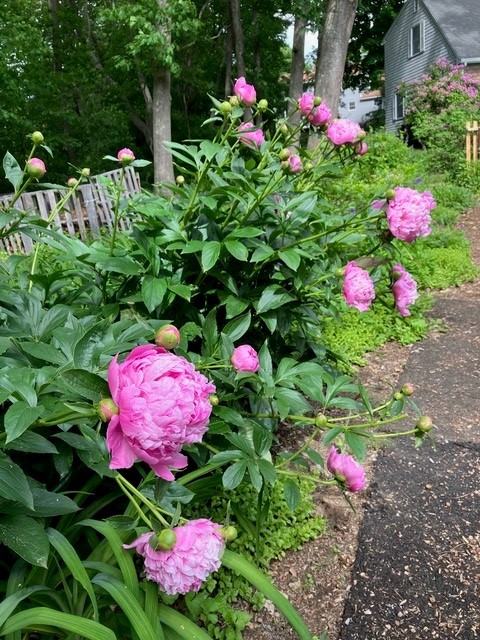
Peonies do not like to be crowded. These beautiful flowering plants thrive when they have sufficient space to grow, allowing their roots to develop properly and their foliage to receive adequate sunlight. When peonies are crowded, several issues can arise that hinder their growth and overall health.
When peonies are planted too closely together, they may experience root competition, which can lead to stunted growth. Each plant requires its own space to absorb nutrients and water from the soil effectively. Additionally, crowded peonies can suffer from reduced airflow between plants, increasing the likelihood of fungal diseases, such as powdery mildew. Therefore, providing adequate spacing is crucial for cultivating healthy peonies.
Optimal Spacing for Peonies
The ideal spacing for peonies is generally recommended to be about 2 to 3 feet apart. This distance allows the plants to spread out and access the resources they need while minimizing competition.
- Air circulation: Adequate space helps prevent moisture build-up, which can promote diseases.
- Nutrient absorption: When spaced correctly, peonies can access the nutrients in the soil without competing with their neighbors.
- Growth potential: Sufficient room allows peonies to reach their full size and flowering potential.
Signs of Crowded Peonies
When peonies are overcrowded, they exhibit specific symptoms that indicate they are not thriving as they should.
- Stunted growth: Peonies will not reach their full height and may look sparse.
- Poor flowering: Crowded plants often produce fewer blooms or smaller flowers.
- Yellowing leaves: This can indicate stress due to competition for resources.
Benefits of Proper Spacing
Properly spaced peonies provide numerous benefits that lead to healthier plants and more vibrant blooms.
- Improved health: Healthy peonies are less susceptible to diseases.
- Enhanced aesthetics: Well-spaced plants create a fuller and more visually appealing garden layout.
- Longer lifespan: Proper care, including spacing, can extend the life of the peony plants.
How to Properly Plant Peonies
When planting peonies, following specific guidelines can ensure that they are spaced correctly and given the best chance to thrive.
- Select the right location: Choose a spot that gets full sun for at least six hours a day.
- Dig the right depth: Plant peonies at the right depth; the eyes should be about 1 to 2 inches below the soil surface.
- Water adequately: Ensure that newly planted peonies receive enough water to establish their roots.
When to Divide Crowded Peonies
If peonies become overcrowded, it is important to know when and how to divide them for optimal health and growth.
- Timing: The best time to divide peonies is in late summer or early fall after they have finished blooming.
- Method: Carefully dig around the base, lift the clump, and separate the roots, ensuring each division has eyes.
- Replant promptly: Be sure to replant the divisions at the recommended spacing to allow for healthy growth.
What happens if you don't divide peonies?
If you don't divide peonies, several implications arise that can affect the health and vigor of the plants. Peonies, like many perennials, benefit significantly from being divided every few years. Here are some consequences of neglecting this important gardening practice:
Reduced Blooming Potential
Not dividing peonies can lead to a decrease in bloom quantity and quality. As peony plants grow, they can become overcrowded, leading to competition for nutrients and light. This can hinder their ability to produce flowers.
- Overcrowding leads to reduced airflow, which can foster disease.
- The plants may become too compact, causing lower light penetration.
- Energy may be diverted to sustaining crowded roots rather than producing blooms.
Increased Risk of Disease
When peonies are not divided, the density of roots and foliage can create an environment that is conducive to disease proliferation. Fungal infections and root rot become more likely when air circulation is poor.
See also:
- Excess moisture can accumulate in the crowded root zone, promoting rot.
- Higher chances of fungal infections, which can lead to plant decline.
- Diseases can spread more easily among overcrowded plants.
Stunted Growth
Peonies that are not divided may exhibit stunted growth, as they fight for limited resources. This competition can lead to smaller plants that are less vigorous.
- Root systems may become tangled and more difficult for the plant to absorb nutrients.
- Limited space can restrict root expansion and impede overall growth.
- Stress from competition can lead to weaker plants over time.
Decreased Longevity of the Plant
Without division, peonies can become short-lived, as the impacts of overcrowding and disease can lead to an earlier decline in plant health. Long-term neglect can result in the death of the plant.
- A decrease in vigor can contribute to more rapid aging.
- Weakened plants are less able to cope with environmental stresses.
- Finally, failure to thrive can lead to a complete plant failure.
Overall Aesthetic Decline
Lastly, the overall garden aesthetic can suffer if peonies are not divided. Overly dense peonies can detract from the visual appeal of any garden space.
- Less blooming can mean a less vibrant display in late spring.
- Foliage might become unruly and unattractive.
- A declining plant can lead to gaps and unevenness in garden layout.
How do you keep peonies blooming all summer?

Understanding Peony Growth Cycle
Peonies have a specific growth cycle that is essential for maintaining their bloom throughout the summer. Understanding this cycle is crucial for effective care and maximization of blooming. Peonies typically have a spring blooming period and may continue to show blooms into the summer under optimal conditions. The growth cycle involves the following key stages:
- Spring Awakening: As temperatures rise, peonies start to sprout, developing foliage that supports bloom production.
- Bloom Initiation: In early summer, flower buds begin to form, relying on adequate nutrients and sunlight for optimal development.
- Peak Bloom: Depending on the cultivar, peonies usually bloom in late spring to early summer. Proper care during this time is crucial to prolong bloom duration.
Choosing the Right Varieties
To ensure continued blooming throughout the summer, selecting the right peony varieties is critical. Certain peonies are known for their ability to bloom longer or even rebloom later in the summer. Here are some varieties to consider:
- Herbaceous Peonies: They are the standard type and bloom in late spring to early summer but can be paired with later blooming companions.
- Intersectional Peonies: A hybrid of herbaceous and tree peonies, these varieties exhibit a longer blooming period and can bloom multiple times.
- Tree Peonies: These bloom earlier than herbaceous types but can provide extended interest with their unique foliage and structure after blooming.
Proper Watering Techniques
Watering is essential for peony health and blooming longevity. Proper irrigation techniques can influence the vitality of peonies throughout the summer. To ensure that peonies remain hydrated and healthy:
- Deep Watering: Water deeply once a week to encourage deep root growth, focusing on the soil around the base of the plant.
- Consistency: Maintain a consistent watering schedule but avoid waterlogging, as peonies are sensitive to excess moisture.
- Mulching: Apply a layer of mulch to retain moisture and regulate soil temperature, promoting healthier blooms.
Nutrient Management
Nutrients play a vital role in the health of peonies and their ability to bloom throughout the summer. Implementing effective nutrient management strategies can significantly enhance blooming:
- Balanced Fertilizer: Use a balanced fertilizer during the growing season, particularly one high in phosphorus to support flower development.
- Organic Amendments: Incorporate organic compost or well-rotted manure to enrich the soil and provide essential nutrients naturally.
- Soil Testing: Conduct a soil test to determine nutrient levels and deficiencies, allowing for tailored nutrient management.
Pest and Disease Management
Addressing pests and diseases promptly is essential for keeping peonies blooming throughout the summer. Regular monitoring and management can prevent damage and promote health:
- Regular Inspection: Check plants frequently for signs of pests such as aphids or fungal diseases to catch issues early.
- Organic Treatments: Use organic pest control measures like insecticidal soap or neem oil to treat infestations without harming beneficial insects.
- Proper Spacing: Ensure adequate spacing between plants to improve air circulation and reduce the risk of fungal diseases.
Questions from Our Readers
When is the best time to divide peonies?
Dividing peonies is best done in the fall, specifically when the foliage has died back but before the ground freezes. This timing allows the plants to establish roots before the winter.
How often should peonies be divided?
Peonies typically need to be divided every 3 to 5 years. This helps maintain their vigor and encourages better blooming, as overcrowding can diminish their flower production.
What are the signs that peonies need to be divided?
If your peonies are producing fewer blooms or seem to be overcrowded, it’s a strong indication that they need to be divided. Other signs include a decline in growth or poor overall health of the plants.
Can peonies be divided in the spring?
While it’s not the ideal time, peonies can be divided in the spring right after they have finished blooming. However, this may result in a temporary shock to the plants, so it's recommended to stick with the fall for best results.
See also:

If you want to read more articles like When to Divide Peonies? A Complete Guide for Gardeners, we recommend you check out our Peony category.
Leave a Reply
Related Articles