Do Peonies Like to Be Crowded? Discover the Best Planting Practices for Healthy Blooms

When it comes to cultivating stunning peonies, understanding their spacing and planting preferences is crucial. Many gardeners wonder if these lush blooms thrive better in crowded conditions or if they need ample space to flourish. This article explores the ideal planting practices for peonies, addressing how density affects their growth, health, and overall blooming potential. By delving into the nuances of spacing, soil conditions, and care routines, we aim to provide valuable insights that help both novice and experienced gardeners achieve vibrant, healthy peonies. Discover the best strategies to ensure your peonies thrive in your garden.
Do Peonies Prefer to Be Crowded?
Peonies do not thrive when they are crowded; in fact, they prefer to have adequate space for optimal growth. When peonies are packed closely together, they compete for essential resources such as sunlight, nutrients, and water, which can hinder their overall health and vigor. Proper spacing allows for good air circulation, which is crucial for preventing fungal diseases that can occur in densely populated areas. Therefore, it is advisable to plant peonies at least 2 to 3 feet apart to ensure that each plant receives the attention it needs to flourish and produce beautiful blooms.
The Importance of Spacing for Peonies
Proper spacing is vital for the growth of peonies. When plants are spaced too closely, they can grow spindly due to the lack of sufficient sunlight. This overcrowding can stunt their development, making them more susceptible to environmental stressors. By allowing at least 2 to 3 feet between each peony plant, gardeners ensure that each flower has ample room to grow and thrive.
Effects of Crowding on Peony Health
Crowded peonies are prone to various health issues, including disease and pests. The limited airflow caused by overcrowding creates a perfect environment for fungal infections such as powdery mildew and botrytis blight. These diseases can spread quickly in tight spaces, leading to the decline of not only the affected plants but potentially others in the vicinity as well.
Optimal Planting Conditions for Peonies
For peonies to thrive, they require optimal planting conditions that are difficult to achieve when they are crowded. These conditions include well-drained soil, the right amount of sunlight (typically full sun to partial shade), and adequate moisture. When planted with sufficient space, peonies can develop strong root systems and grow lush foliage, which contributes to their stunning flowers.
Impact on Bloom Quality
The quality of blooms is significantly impacted by overcrowding. Peonies that are too close together often produce fewer and smaller flowers due to competition for resources. Additionally, when plants are crowded, the flowers may lack the vibrant colors and full forms they are known for, ultimately detracting from the visual appeal of the garden.
When to Divide and Replant Peonies
Dividing peonies is recommended every 3 to 5 years to prevent overcrowding and rejuvenate the plants. The best time to do this is in the fall after the foliage has died back or in early spring just as new growth begins. When dividing, it's essential to ensure that each division has healthy roots and is spaced properly in the new planting location, allowing each plant to flourish in its new home.
| Aspect | Recommendation |
|---|---|
| Spacing | 2 to 3 feet apart |
| Flower Quality | Improves with adequate space |
| Health Issues | Less crowded = fewer diseases |
| Maintenance | Divide every 3 to 5 years |
| Optimal Conditions | Well-drained soil, sunlight, proper moisture |
How many peonies should I plant together?

To determine how many peonies you should plant together, several factors must be considered, including the type of peonies, the available space in your garden, and your aesthetic preferences. Generally, it's advisable to plant peonies in groups of three to five for a cohesive and attractive display. However, they can also thrive in larger groups or drifts to create a more dramatic effect.
Consideration of Peony Types
Different types of peonies may require different planting strategies:
- Herbaceous Peonies: These are the most common and can be effectively planted in clusters of 3-5.
- Tree Peonies: These tend to grow larger, so planting them individually or in pairs is often sufficient.
- Intersectional Peonies: These hybrid varieties can be planted in groups of 3-7 to showcase their unique features.
Spacing Between Plants
When planting peonies, spacing is crucial for optimal growth:
- 12 to 24 inches apart: Allow this spacing for herbaceous and intersectional peonies to grow without crowding.
- 24 to 36 inches apart: Ideal for tree peonies that need more space for their branches.
- Consider mature size: Always check the mature size of the specific varieties you choose to ensure proper spacing.
Aesthetic Planting Arrangements
Designing your garden layout can influence how many peonies to plant:
See also:
- Borders: For a border, clusters of 3-5 peonies create a soft, flowing look.
- Drifts: Planting larger groups of 7-10 peonies can produce a stunning visual impact.
- Mixed arrangements: Combine with other perennials for variation, ensuring enough space among them.
Environmental Considerations
Peonies thrive best under certain environmental conditions that may influence planting numbers:
- Sunlight: Ensure they receive at least 6 hours of sun; if in partial shade, plant fewer to avoid competition for light.
- Soil Quality: Rich, well-drained soil can support larger groups; if soil quality is poor, limit the number to avoid overcrowding.
- Moisture Levels: Good drainage is essential; adjust the number based on how well your garden retains water.
Maintenance Factors
Caring for your peonies also affects how many you should plant:
- Watering Needs: A larger number of plants may require more watering, so consider your ability to maintain them.
- Pest Management: More plants can lead to more pests; limit numbers if you have a history of pest issues.
- Division Frequency: Remember that peonies may need to be divided every few years, so be cautious with planting density.
Can peonies be overcrowded?
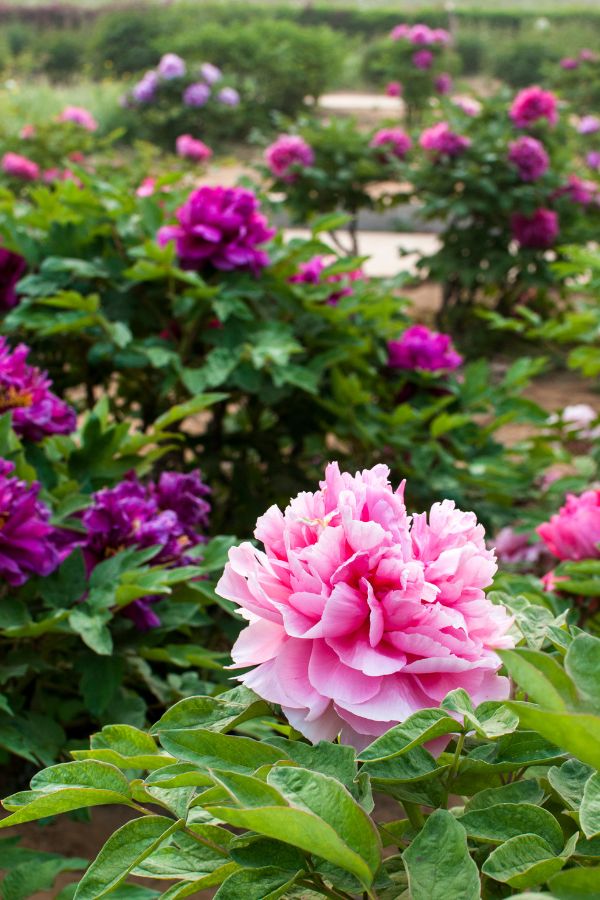
Peonies can indeed become overcrowded over time. When peonies are planted too closely together or when they are not divided when necessary, they may face several issues that can hinder their growth and flowering. It is essential to provide adequate spacing when planting peonies and to keep an eye on their growth patterns to ensure they thrive.
Understanding Peony Overcrowding
Overcrowding in peonies occurs when multiple plants are too close to each other, leading to competition for nutrients, water, and sunlight. This can result in weaker plants that may not bloom as profusely. Factors contributing to overcrowding include:
- Improper Planting: If plants are placed too close during the initial planting phase.
- Lack of Maintenance: Not dividing peonies every few years can lead to overcrowded roots.
- Generational Growth: As peonies multiply, their natural spread can cause overcrowding.
Signs of Overcrowded Peonies
Certain signs can indicate that your peonies are overcrowded. Recognizing these symptoms is critical for timely intervention. Common signs include:
- Reduced Flowering: Fewer blooms or smaller flowers than previous seasons.
- Stunted Growth: Slower or irregular plant growth patterns.
- Yellowing Leaves: Leaves may turn yellow or exhibit other signs of stress.
Impact of Overcrowding on Peony Health
Overcrowded peonies are more susceptible to various health problems. Some impacts include:
- Diseases: Increased humidity and poor air circulation can foster fungal diseases.
- Pest Infestation: Crowded plants attract pests due to stress and lack of vigor.
- Nutrient Deficiency: Competition for nutrients may lead to deficiency symptoms in plants.
Preventing Peony Overcrowding
Preventative measures can help avoid overcrowding among peonies. Consider the following practices:
- Proper Spacing: Plant peonies at least 2 to 3 feet apart to allow for growth.
- Regular Division: Divide peonies every 3 to 5 years to maintain healthy growth.
- Monitor Growth: Keep an eye on plants and make adjustments as needed.
Remedies for Overcrowded Peonies
If overcrowding has occurred, several remedies can help restore the health of your peonies. You might consider:
- Transplanting: Move plants to a less crowded area to promote better growth.
- Dividing Roots: Dig up and divide root clumps to rejuvenate plants.
- Pruning: Trim excess foliage to improve air circulation around the plants.
What is the secret to growing peonies?
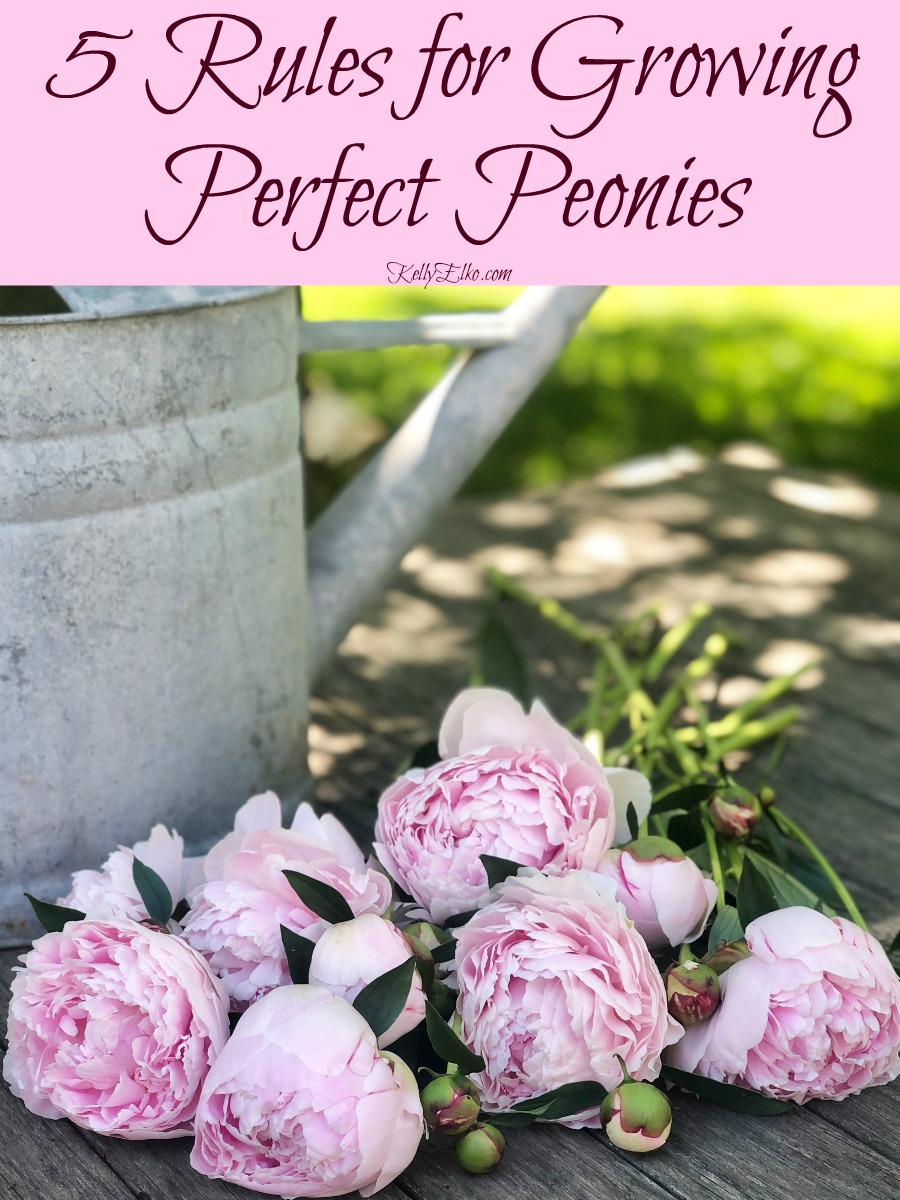
To successfully grow peonies, there are several essential factors to consider that can significantly enhance their growth and flowering. The secret lies in a combination of choosing the right planting location, understanding the plant's needs, and providing adequate care throughout the growing season.
Choosing the Right Location
Selecting an appropriate site for your peonies is crucial for their thriving. These plants prefer a spot that receives full sun, ideally at least 6 to 8 hours of sunlight each day.
See also:
- Sunlight: Ensure the location is not shaded by trees or buildings.
- Soil Drainage: Look for well-draining soil to avoid root rot.
- Air Circulation: A location with good airflow helps reduce the risk of fungal diseases.
Soil Preparation
The type of soil you choose plays a significant role in the growth of peonies. Ideally, they thrive in fertile, rich soil.
- pH Levels: Aim for a soil pH between 6.0 and 7.0.
- Organic Matter: Amend the soil with compost or well-rotted manure to improve fertility.
- Loam Composition: A mix of sand, silt, and clay will provide the ideal texture for peony roots.
Planting Techniques
When planting peonies, proper technique is crucial. The timing and depth of planting can affect the plant's success.
- Timing: Plant in fall or spring when the soil is workable.
- Depth: Set the roots at the correct depth, about 2 inches below the soil surface.
- Spacing: Space plants about 3 to 4 feet apart to ensure adequate air circulation.
Watering and Fertilization
Watering and fertilization are vital aspects of peony care. Understanding the right balance will keep your plants healthy and robust.
- Watering: Water consistently but avoid overwatering, especially during the summer months.
- Fertilization: Apply a balanced fertilizer in early spring as new growth begins.
- Mulching: Use mulch to retain moisture and suppress weeds.
Seasonal Care and Maintenance
Ongoing care throughout the growing season ensures that peonies develop beautifully and produce abundant flowers.
- Deadheading: Remove spent flowers to encourage more blooms.
- Pruning: Cut back foliage in the fall to prevent diseases and prepare for winter.
- Pest Management: Monitor for pests like aphids and take appropriate actions when needed.
What makes peonies happy?
:strip_icc()/pink-karl-rosenfield-peony-4b6d2c6d-fdbd2ff4a0bf4d9392a90745ec19e886.jpg)
Proper Sunlight Exposure
Peonies thrive best when they receive ample sunlight. Ideally, they should be planted in a location that receives at least 6 to 8 hours of full sun each day. When peonies do not get enough light, they may grow leggy and produce fewer blooms. Here are some important points regarding sunlight exposure for peonies:
- Morning sunlight is preferable, as it helps dry the foliage, preventing disease and promoting healthy growth.
- Avoid shaded areas, as too much shade can lead to weak stems and reduced flowering.
- Consider the surrounding trees or structures that may block sunlight during the peak growing season.
Well-Drained Soil
Peonies prefer well-drained soil, which is crucial for their overall health. Overly wet soil can lead to root rot and other diseases that negatively impact peony growth. To achieve the ideal soil condition, consider the following:
- Incorporate organic matter like compost to improve drainage and soil fertility.
- Conduct a soil test to ensure the pH is between 6.0 and 7.0, as peonies thrive in this range.
- Amend heavy clay soils with sand or perlite to increase drainage capacity.
Consistent Watering
While peonies are relatively tolerant of drought, they do prefer consistent watering, especially during their active growing season. Proper hydration contributes to the overall vigor of the plant. Key watering tips include:
- Water deeply once a week, allowing the soil to dry slightly between waterings.
- Avoid wetting the foliage, as this can promote fungal diseases; water at the base instead.
- Mulch around the base to help retain moisture while also suppressing weeds.
Appropriate Fertilization
Providing peonies with the right nutrients through fertilization is essential to their happiness. Peonies benefit from nutrient-rich soil but can also be sensitive to over-fertilization. Consider these fertilization strategies:
- Use a balanced fertilizer (like a 10-10-10 formula) in early spring as they begin to grow.
- Avoid high-nitrogen fertilizers, as they may encourage foliage at the expense of blooms.
- Incorporate bone meal or other phosphorus-rich amendments to support flowering.
Protecting from Pests and Diseases
Maintaining the health of peonies involves protecting them from common pests and diseases. By ensuring plants are free from stressors, you can help them thrive. Consider the following protection methods:
- Regularly inspect plants for any signs of insects like aphids or pests like botrytis blight.
- Promote air circulation around plants by spacing them adequately to minimize humidity and fungal diseases.
- Use an appropriate fungicide if diseases are detected, ensuring to follow label instructions for treatment.
Questions from Our Readers
Do peonies prefer to be planted close together?
Peonies do not prefer to be planted close together. In fact, they thrive when they have adequate space to grow, allowing for good air circulation and sunlight. Crowding can lead to poor growth and increase the risk of diseases.
What happens if peonies are overcrowded?
If peonies are overcrowded, they may exhibit stunted growth and produce fewer flowers. Moreover, the lack of airflow can lead to an increased risk of fungal diseases, which can harm the overall health of the plants.
See also:
How much space do peonies need between plants?
It is generally recommended to plant peonies about 3 to 4 feet apart. This spacing ensures that each plant has enough room to expand its roots and foliage while receiving adequate sunlight and nutrients from the soil.
Can overcrowded peonies be saved?
Yes, overcrowded peonies can be saved by transplanting them to provide more space. Dividing the plants and re-spacing them can help improve their health, boosting flower production and overall vitality in the long run.

If you want to read more articles like Do Peonies Like to Be Crowded? Discover the Best Planting Practices for Healthy Blooms, we recommend you check out our Peony category.
Leave a Reply
Related Articles