Does Compost Do Better in Sun or Shade? Discover the Best Conditions for Composting Success
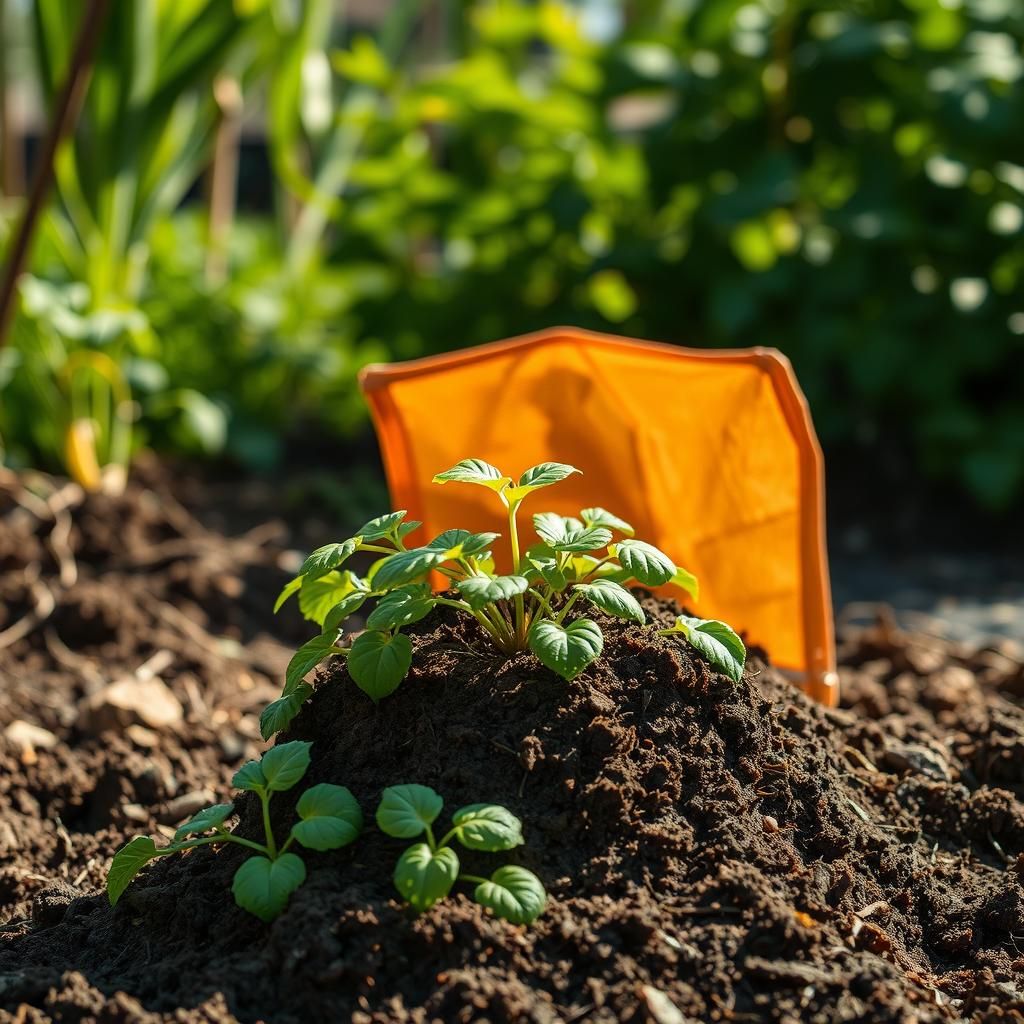
When it comes to composting, the environment plays a crucial role in determining the effectiveness of the process. One key factor that often arises is whether compost performs better in sun or shade. Understanding the impact of sunlight on composting can significantly influence the quality of the final product. This article delves into the benefits and drawbacks of both sunlit and shaded composting conditions, helping you to identify the optimal environment for successful decomposition. By exploring various factors such as temperature, moisture, and microbial activity, readers will gain valuable insights for achieving rich, nutrient-dense compost.
Does Compost Perform Better in Sun or Shade?
When it comes to composting, the location of your compost pile can significantly influence its efficiency. Compost generally benefits from sunlight since it helps to raise the internal temperature of the pile, promoting the activity of microorganisms that break down organic matter more quickly. However, too much sun can dry out the compost, necessitating additional moisture to maintain optimal conditions. In contrast, a shaded area might retain moisture better and prevent the pile from overheating, but could slow down the decomposition process due to lower temperatures. Ultimately, a balance of both sun and shade is often ideal for successful composting.
The Role of Temperature in Composting
Temperature plays a crucial role in the composting process as it influences the activity levels of thermophilic bacteria, which thrive at higher temperatures. A compost pile exposed to direct sunlight can reach temperatures between 130°F and 160°F. This heat not only accelerates decomposition but also helps to eliminate pathogens and weed seeds. Conversely, a cooler compost pile, often found in shaded areas, may struggle to reach these temperatures, resulting in a slower breakdown of materials. Therefore, maintaining a moderate temperature is essential to achieving efficient composting.
Moisture Levels and Compost Health
Moisture is vital for the microbial activity within a compost pile, as microorganisms require water to survive and thrive. In sunny locations, compost can dry out quickly, which necessitates regular monitoring and watering to keep the pile moist. On the other hand, shady spots tend to retain moisture longer, which can be beneficial in preventing the pile from becoming too dry. However, excess moisture can lead to anaerobic conditions, resulting in unpleasant odors and slower decomposition. Therefore, striking the right balance of moisture is essential for a healthy compost system.
The Impact of Sunlight on Compost Ingredients
Certain ingredients can benefit from sunlight exposure. For instance, carbon-rich materials like dried leaves and straw may decompose faster when kept warm and dry, while nitrogen-rich materials, such as kitchen scraps, may retain more moisture in shaded areas. Sunlight can also help in breaking down tougher materials that might be present in your compost, while shaded areas may slow this process. Ultimately, understanding the impact of sunlight on different compost ingredients can help you create a more effective compost pile.
Container Composting: Sun vs. Shade
When composting in containers, the sun's position becomes particularly significant. A compost bin placed in direct sunlight can heat up quickly, promoting rapid decomposition. However, it's essential to regularly check the moisture levels, as containers can dry out more swiftly than open piles. In contrast, a bin positioned in the shade may retain moisture and provide a steady environmental condition, but it might take longer for the material to break down. Thus, the choice between sun or shade for container composting depends on your specific climate and the materials you are using.
Benefits of Combining Sun and Shade
A mixed approach, where compost gets both sunlight and shade throughout the day, can provide the best of both worlds. This allows for optimal temperature fluctuations, helping to heat the compost while also preventing it from overheating. It helps maintain consistent moisture levels and promotes efficient breakdown of organic matter. By strategically placing your compost pile to receive morning sun and afternoon shade or vice versa, you can create a balanced environment that fosters rapid decomposition.
| Aspect | Sun | Shade |
|---|---|---|
| Temperature | Higher, promotes faster decomposition | Lower, slows decomposition |
| Moisture | Dries out quicker, may need more care | Retains moisture better, but risks being too wet |
| Microbial Activity | Increases with heat | Can decrease with cool temperatures |
| Material Breakdown | Faster for some high carbon ingredients | Slower for all materials |
| Odors | Less likely unless dry | Can produce odors if too wet |
Where should compost be placed?

When considering where to place compost, it’s essential to choose a location that maximizes efficiency and minimizes inconvenience. Here are some key factors to consider:
Proximity to the Kitchen
Placing your compost bin near the kitchen is practical for ease of access. This encourages regular composting of kitchen scraps that can otherwise end up in the trash. A close location can lead to:
- Easier Collection: Less distance means you are more likely to toss in your fruit peels, vegetable trimmings, and other organic waste.
- Regular Maintenance: Being close encourages you to check your compost more often, ensuring it’s turning and maintaining the right moisture levels.
- Convenience: It saves time, allowing you to manage your compost without taking a lengthy trip to the yard.
Airflow and Sunlight
Good airflow and sunlight are crucial for the composting process. Placing your compost in a spot that receives adequate sunlight and airflow helps to:
See also:
- Facilitate Aerobic Breakdown: Oxygen is vital for decomposition; a well-ventilated area allows beneficial microbes to thrive.
- Regulate Temperature: Sunlight can help raise the temperature of your compost, which speeds up the breakdown process.
- Deter Pests: A dry, sunny spot may reduce the chances of attracting unwanted pests and odors.
Drainage Considerations
Proper drainage is essential to prevent water from pooling, which can create a smelly, anaerobic compost environment. The chosen location should:
- Avoid Low Spots: Areas that collect water can lead to saturated conditions detrimental to compost health.
- Provide Natural Drainage: Look for spots with good soil drainage to absorb excess moisture.
- Allow for Runoff Management: If rainwater runs off nearby areas, make sure it doesn’t flood the compost bin.
Accessibility for Turning
Selecting a location that provides easy access for turning the compost will make the process smoother. Considerations include:
- Space for Tools: Ensure you have room to use a pitchfork or shovel without restrictions.
- Room to Expand: If you plan on making a larger compost pile, choose a location that can accommodate growth.
- Pathway Maintenance: Make sure the path to your compost area is clear and easy to navigate.
Local Regulations and Neighborhood Etiquette
It’s essential to be aware of local regulations and etiquette regarding composting. A responsible approach includes:
- Check Local Guidelines: Some municipalities have specific rules about composting practices; understanding these helps you stay compliant.
- Consider Neighbors: Choose a location that minimizes odor and pest issues, respecting the comfort of those nearby.
- Discreet Placement: Placing your compost out of direct sight can be more aesthetically pleasing to neighbors.
Can compost get too much sun?

Compost can indeed become too hot if exposed to excessive sunlight, which can negatively affect the decomposition process. While heat is a necessary component of composting, too much sun can lead to overheating the pile. This is particularly true for compost piles that are not well-aerated or that lack adequate moisture.
When temperatures within the compost pile rise excessively, it can kill beneficial microorganisms that are essential for breaking down the organic matter. This overheating can stall the decomposition process, leading to a less effective compost and potentially causing unpleasant odors.
Effects of Sunlight on Compost Temperature
Excessive exposure to sunlight can drastically raise the temperature of a compost pile. At ideal temperatures of 130°F to 160°F (54°C to 71°C), composting progresses efficiently. However, if temperatures exceed 160°F, the following can occur:
- Beneficial microorganisms die – High heat can kill the microbes that contribute to decomposition.
- Odors may develop – Overheating can lead to anaerobic conditions, causing foul smells.
- Moisture loss – Heat can evaporate moisture, making it difficult for the pile to maintain necessary humidity levels.
How to Protect Compost from Excessive Sun
To maintain optimal conditions in your compost pile, consider the following protective measures to shield it from relentless sunlight:
- Shade the pile – Use burlap, straw, or shade cloth to provide defense against direct sun.
- Insulate the compost – A layer of straw or leaves can help regulate the temperature within the pile.
- Rotate the pile – Regularly turning the compost allows for better aeration and more even temperature distribution.
Signs Your Compost is Getting Too Much Sun
Recognizing the symptoms of excessive sun exposure on your compost is essential for maintaining its health. Look out for the following indicators:
- High temperature readings – Use a compost thermometer to check if temperatures exceed 160°F.
- Dry appearance – If the top layer appears dry and crusty, it may indicate moisture loss.
- Unpleasant odors – Foul smells can indicate anaerobic decomposition caused by overheating.
Benefits of Balanced Sunlight Exposure
While too much sun can harm compost, some sunlight is beneficial. A balance can yield several advantages:
- Promoting aerobic bacteria growth – Adequate sunlight can support beneficial bacteria that thrive in warm conditions.
- Encouraging moisture evaporation – A slight amount of sun can help avoid over-saturation and mold development.
- Facilitating decomposition – Sunshine can enhance the warmth, accelerating the breakdown of organic matter.
Optimal Composting Practices
To achieve successful composting while minimizing risks from too much sun, follow these best practices:
See also:
- Mist the pile regularly – Ensure consistent moisture levels, particularly during hot periods.
- Monitor temperature frequently – Keep track of the internal temperature of the compost to avoid overheating.
- Choose the right location – Position your compost bin in a partially shaded area to balance sun exposure.
Where is the best place in the yard for a compost pile?

To determine the best place in the yard for a compost pile, several factors must be considered to ensure effective decomposition, accessibility, and convenience. Here are the key considerations for selecting an ideal location for your compost pile.
Location and Sunlight
Choosing a location that receives adequate sunlight can significantly enhance the composting process. Sunlight helps to heat the compost, which speeds up microbial activity that breaks down organic matter. Consider these points:
- The pile should be in a spot that gets at least six hours of direct sunlight each day.
- A shaded area can slow down decomposition and lead to a cooler pile.
- However, too much sun in very hot climates can dry out the compost, so some afternoon shade may be beneficial.
Accessibility and Convenience
Placing your compost pile in a convenient location encourages regular maintenance. An accessible area makes it easier to add materials and mix the pile. Consider the following:
- The compost pile should be close to your kitchen and garden for easy access to compostable materials.
- Choose a location that allows you to use a wheelbarrow or shovel without obstructions.
- Accessibility will encourage you to turn the pile regularly and add new materials when needed.
Drainage and Moisture Control
Proper drainage is crucial for a healthy compost pile to prevent it from becoming too wet or soggy. Here’s what to look for:
- A well-drained area will help excess water escape, keeping the compost pile aerated.
- A slightly sloped area can facilitate drainage but should not be positioned where water pools.
- Consider using natural or man-made paths to divert excess water away from the pile.
Proximity to Other Garden Elements
The compost pile should be strategically placed in relation to other elements of your garden. This helps to create an efficient ecosystem. Consider the following points:
- Position the pile near your vegetable or flower beds to maximize the use of nutrient-rich compost.
- Avoid placing it too close to trees or shrubs, as their roots may compete for nutrients.
- Keeping the compost pile away from garden activities minimizes any unpleasant odors and insect attractions.
Wind Protection
Wind can dry out your compost pile or carry away heat. Shielding your compost pile from strong winds can help maintain optimal conditions. Here are some considerations:
- Locate the pile near a fence or a shrub line that can act as a windbreak.
- A protected area will help retain moisture and heat, crucial for effective composting.
- Ensure that protective barriers do not completely block airflow, which is vital for composting.
Questions from Our Readers
Does compost work better in the sun or in the shade?
Compost can thrive in both sun and shade, but many experts suggest that a combination of both is ideal. Direct sunlight can speed up the decomposition process by increasing the temperature, while some shade can help retain necessary moisture and prevent the compost from drying out too quickly.
What are the benefits of composting in the sun?
When compost is exposed to direct sunlight, it tends to heat up quickly, which can enhance the microbial activity involved in decomposition. This can lead to faster breakdown of organic materials and produce rich nutrient-dense compost in less time.
What are the drawbacks of composting in the shade?
While composting in the shade can help maintain moisture, it may lead to slower decomposition rates. The cooler temperatures in shaded areas can reduce microbial activity, causing the compost to take longer to break down into usable fertilizer.
How can you balance sun and shade for composting?
To achieve an optimal composting environment, consider placing your compost pile in a spot that receives partial sunlight. This can provide the necessary warmth for decomposition while still allowing for some shade to retain moisture, creating an ideal balance for effective composting.
See also:

If you want to read more articles like Does Compost Do Better in Sun or Shade? Discover the Best Conditions for Composting Success, we recommend you check out our Compost category.
Leave a Reply
Related Articles