The Ultimate Guide on How to Compost for Beginners? Easy Steps to Start Today!

Composting is a sustainable practice that transforms organic waste into nutrient-rich soil, benefiting both gardens and the environment. For beginners, the thought of starting a compost pile can seem daunting, but it doesn’t have to be! This ultimate guide breaks down the process into easy, manageable steps that anyone can follow. Whether you have a spacious backyard or a small apartment, there are solutions for every living situation. By embracing composting, you not only reduce landfill waste but also enrich your plants and nurture the planet. Let's dive in and discover how simple it is to start composting today!
How to Start Composting: A Beginner's Guide
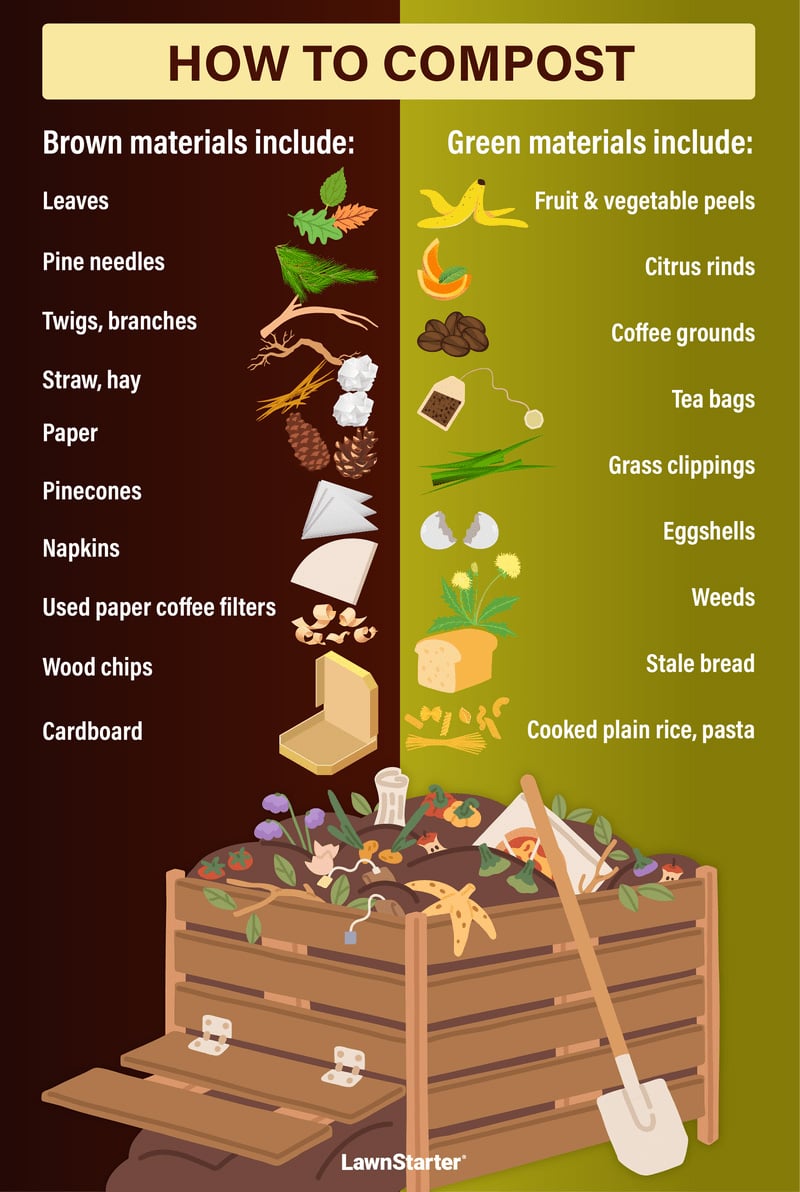
Composting is a simple yet impactful way to reduce waste and enrich your garden soil. For beginners, the key is to create a balanced mix of brown materials (such as dried leaves and cardboard) and green materials (like kitchen scraps and grass clippings) to foster microbial activity. Start by selecting a compost bin or designating a space in your yard, where you can layer these materials. It is essential to maintain a good aeration by turning the compost regularly and keeping it moist, but not soaked. Over time, the organic matter will break down into nutrient-rich compost, ideal for enhancing your garden or potted plants.
What Can You Compost?
You can compost a variety of organic materials to create rich compost for your garden. Fruit and vegetable scraps, coffee grounds, eggshells, and grass clippings are excellent examples of green materials. On the other hand, brown materials include dried leaves, straw, and paper products like cardboard and newspaper. However, avoid composting meat, dairy, or oily foods, as they can attract pests and create odors. When done properly, composting can help reduce food waste while providing valuable nutrients for your plants.
Setting Up Your Compost Bin
Choosing the right compost bin is crucial for beginners. You can purchase a compost bin or create a simple one using materials like wood pallets or wire mesh. Ensure that your bin has good airflow and is placed in a convenient location where it gets some sunlight. A space that’s easy to access will encourage you to add kitchen scraps regularly. Make sure to maintain a good balance of green and brown materials by adding them in layers for optimal composting effectiveness.
Understanding the Composting Process
The composting process is a natural aerobic decomposition that occurs when microorganisms break down organic matter. This process is accelerated by maintaining the right moisture levels and turning the pile to enhance aeration. Over time, you will notice changes in the size and appearance of your compost materials as they transform into dark, crumbly compost. Patience is key; it may take a few months for the process to complete, depending on the materials used and the environmental conditions.
Maintaining Your Compost Pile
To keep your compost pile healthy, it’s vital to monitor its moisture content and aeration. Aim for a damp sponge-like consistency, avoiding excess moisture that can lead to odors. Turn the pile every couple of weeks to introduce oxygen, which is essential for the microbes that break down the materials. If you notice unpleasant smells, it could indicate that your pile is too wet or imbalanced in terms of green and brown materials. Regular maintenance will ensure your compost transitions smoothly into a nutrient-rich soil amendment.
Using Finished Compost
Once your compost is ready, which can take anywhere from a few weeks to several months, it will have a dark, earthy appearance and a pleasant smell. You can use this finished compost to enrich your garden soil, top-dress your lawn, or as a component in potting mix. Mix it into your garden beds to improve soil structure, retain moisture, and provide essential nutrients to your plants. Introducing compost not only enhances plant growth but also promotes healthier soil biology.
| Material Type | Examples | Can Compost? |
|---|---|---|
| Green Materials | Fruit scraps, vegetable scraps, coffee grounds, grass clippings | Yes |
| Brown Materials | Dried leaves, straw, cardboard, newspaper | Yes |
| Avoid | Meat, dairy, oily foods | No |
How do beginners start composting?
To start composting as a beginner, it's important to understand the essential components and processes involved in creating rich, organic compost. Composting is a natural way to recycle organic waste, and it can be done in several ways, depending on the space and resources available. Here’s a detailed guide on how beginners can get started with composting.
Understanding the Basics of Composting
Composting involves the breakdown of organic materials by microorganisms, resulting in nutrient-rich soil that can enhance garden growth. The primary elements required for composting include green materials (high in nitrogen), brown materials (high in carbon), water, and air. To ensure successful composting, it is essential to balance these components to create an optimal environment for microorganism activity.
- Green materials include kitchen scraps such as fruit and vegetable peels, coffee grounds, and grass clippings.
- Brown materials include dried leaves, cardboard, and straw.
- Ensure adequate moisture but avoid over-saturation, which can lead to anaerobic conditions.
Choosing a Composting Method
Beginners can choose from several composting methods based on their living arrangements and personal preferences. Options include traditional compost bins, compost tumblers, and vermicomposting (using worms). Each method has its benefits and can suit different lifestyles and space requirements.
- Traditional compost bins are ideal for those with outdoor space and can hold a larger volume of compost materials.
- Compost tumblers allow for easier aeration and faster decomposition, making them suitable for small yards.
- Vermicomposting is great for indoor composting using worms, perfect for those living in apartments.
Collecting Compost Materials
The next step is to start gathering materials for your compost. It’s important to collect the right balance of green and brown materials to facilitate optimal decomposition. Begin by using kitchen scraps and yard waste, and make sure to avoid composting items that can attract pests or cause odors.
- Collect scraps such as fruit and vegetable peels, eggshells, and coffee grounds for green materials.
- Gather dried leaves, straw, paper towels, and cardboard for brown materials.
- Avoid composting meat, dairy, and oils, which can create odor issues and attract unwanted animals.
Maintaining Your Compost
Once you have established your compost pile or bin, maintenance is key to ensuring that the materials break down efficiently. Regular turning of the compost aids in aeration, which is crucial for the decomposition process. Additionally, monitoring the moisture and temperature of the pile can significantly impact compost quality.
See also:
- Turn the compost every two to four weeks to promote aeration and speed up decomposition.
- Keep the compost moist, ideally like a sponge, but not overly wet.
- Monitor the temperature; a hot pile indicates active decomposition, whereas a cold pile may need more green materials or turning.
Using Your Finished Compost
After several months, your compost will be ready to use when it resembles dark, crumbly soil and has an earthy aroma. This nutrient-rich compost can be utilized in various ways to enhance your garden, improve soil health, and support plant growth.
- Mix it into garden beds to increase soil fertility and structure.
- Use compost as a top dressing for lawns or flower beds.
- Incorporate it into potting mixes for indoor and outdoor plants.
What is the first thing to put in a compost bin?
The first thing to put in a compost bin is typically classified as browns. Browns are carbon-rich materials that provide essential nutrients to compost and aid in creating a balanced environment for decomposition. Common examples of browns include dried leaves, straw, and small branches. It is crucial to start your composting process with a good ratio of browns to greens (nitrogen-rich materials) to ensure proper aeration and decomposition.
Understanding Browns and Greens
Browns and greens are the two primary categories of compost materials. Understanding the difference between them is vital for successful composting.
- Browns: These materials are high in carbon and include items like fallen leaves, twigs, and cardboard.
- Greens: These consist of nitrogen-rich items such as kitchen scraps, grass clippings, and coffee grounds.
- Balance: A balanced mix of browns and greens (approximately 3:1) enhances the composting process.
Choosing the Right Browns
Selecting the right types of browns is important for achieving efficient decomposition. Not all brown materials are equal, and their properties affect the compost's quality.
- Dried Leaves: These are easily accessible and break down relatively quickly, making them an excellent choice.
- Straw: This material is lightweight and provides good aeration within the compost.
- Small Twigs/Cuttings: They add structure to the pile and help maintain airflow, which is vital for decomposition.
Layering Your Compost Bin
Layering your compost bin properly can significantly enhance the efficiency of the composting process. By starting with browns, you establish a solid foundation for decomposition.
- First Layer: Begin with 6-12 inches of brown materials like dried leaves or straw.
- Next Layers: Alternate layering browns and greens to maintain balance.
- Aeration: Make sure to turn the pile regularly to incorporate air, which helps decompose materials faster.
Importance of Moisture
Moisture plays a significant role in the composting process. While browns are essential, the right level of moisture is equally important for facilitating decomposition.
- Wet, But Not Soaked: Your compost should feel like a damp sponge, not soaked or dry.
- Monitoring: Check moisture levels regularly, especially in dry weather, to ensure adequate decomposition.
- Watering: If it's too dry, lightly water the pile, but avoid creating mud.
Common Mistakes to Avoid
When starting your compost bin, avoiding common mistakes can aid in achieving better results from your composting efforts.
- Too Much Green Material: Excessive greens can generate odor and result in slower decomposition.
- Ignoring Airflow: Compacting the compost reduces airflow, slowing down the process.
- Insufficient Moisture: Not maintaining correct moisture levels can lead to dry, unusable compost.
How often should I pee on compost?
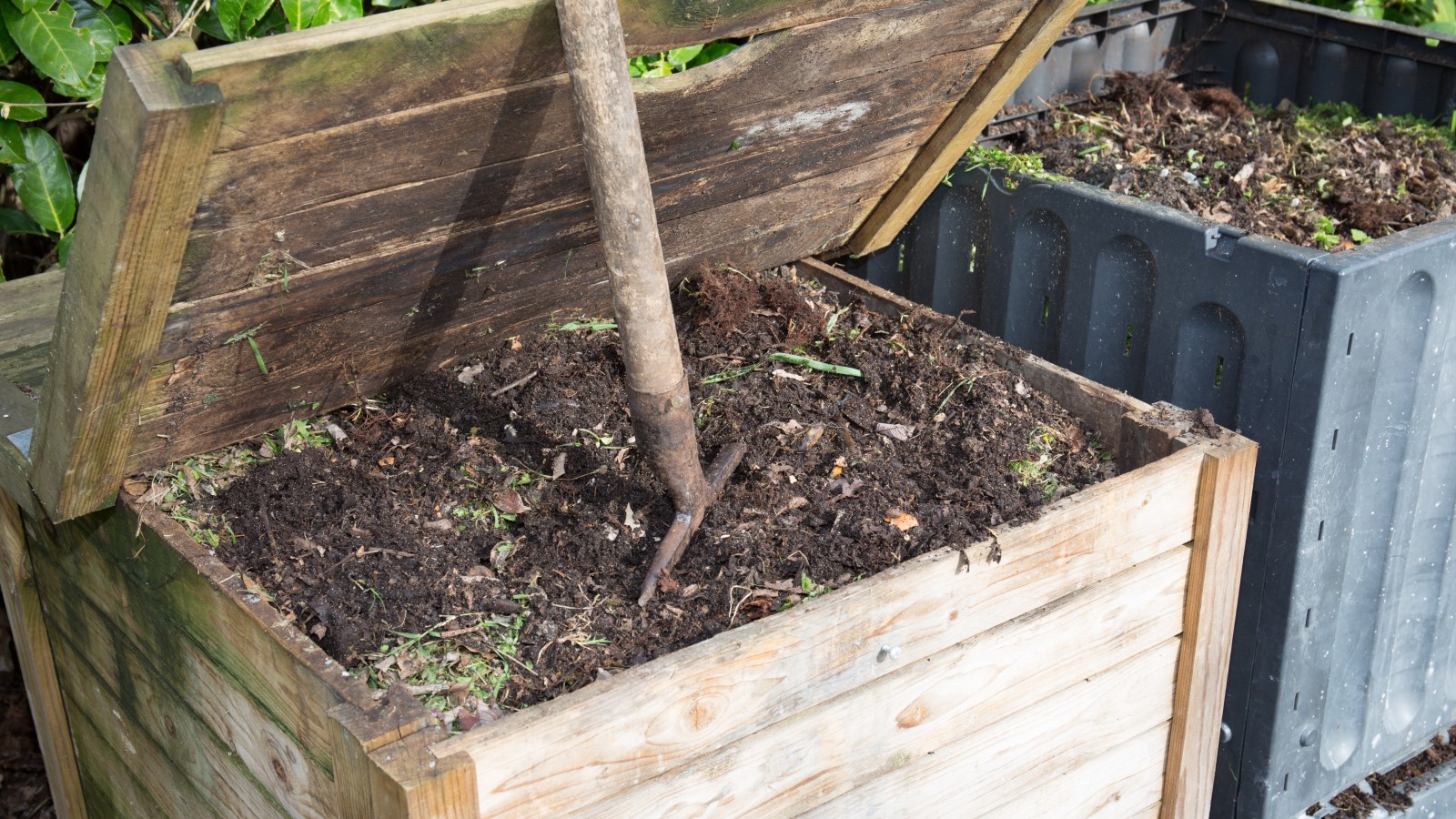
Peeing on compost can be a beneficial practice, mainly due to the nitrogen content found in urine. However, the frequency with which you should add urine to your compost heap depends on various factors such as the size of the compost pile, the composition of materials in the compost, and the moisture level.
The general recommendation is to add urine every 1 to 2 weeks, ensuring that you do so in a manner that maintains an appropriate balance between nitrogen and carbon. Overloading the compost with urine too often may result in an unpleasant odor and can hinder the composting process due to excess moisture.
Benefits of Adding Urine to Compost
Adding urine to compost can significantly enhance the nutrient profile of the compost. Urine is rich in nitrogen, which is essential for the microbial organisms breaking down organic materials.
- Nitrogen Source: Urine provides a readily available nitrogen source that promotes microbial activity.
- Cost-effective Fertilizer: Using urine is a sustainable way to enrich compost without the need for chemical fertilizers.
- Improves Soil Health: The nutrients from urine can enhance soil quality when the compost is eventually used in the garden.
Best Practices for Peeing on Compost
To effectively incorporate urine into compost, it's vital to follow certain best practices that can help maintain compost quality and avoid issues.
See also:
- Dilution: Dilute urine with water (about 1 part urine to 10 parts water) before adding it to the compost to prevent nutrient overload.
- Timing: Apply urine after adding bulky materials like leaves or cardboard to help absorb extra moisture.
- Spread Evenly: Distribute urine evenly over the compost pile rather than concentrating it in one spot.
Monitoring Compost Moisture Levels
When peeing on compost, keep a close eye on the moisture levels of your compost pile. Moisture balance is crucial for optimal decomposition and odor control.
- Check Dampness: If the compost feels too wet or sludge-like, reduce the frequency of adding urine.
- Use Dry Materials: Introduce dry materials like straw or sawdust after adding urine to absorb excess moisture.
- Maintain Aeration: Turn the compost regularly to ensure proper aeration, which helps manage moisture levels.
Frequency Adjustments Based on Compost Volume
The size of your compost pile can dictate how often you should pee on it. Larger compost heaps may require more frequent applications of urine due to their increased nutrient absorption needs.
- Small Batches: If your compost pile is small, adding urine every week may suffice.
- Large Batches: For larger heaps, consider every two weeks to allow for better absorption and microbial action.
- Seasonal Changes: Adjust frequency based on the seasons; compost may require more nitrogen in cooler months when microbial activity slows.
Potential Issues with Overuse of Urine
Using too much urine on your compost can lead to several issues, including odor problems and nutrient imbalances.
- Odor Problems: Excess urine can produce strong odors, indicating anaerobic conditions in the compost.
- Nutrient Imbalance: Over-application may lead to too much nitrogen and not enough carbon, slowing composting.
- Attracting Pests: An improper balance can attract unwanted pests to the compost area.
What is the laziest way to compost?

The laziest way to compost is often referred to as lazy composting. This approach minimizes effort and involves a more passive method of composting, allowing organic waste to decompose naturally without extensive management or meticulous layering. Here's a comprehensive exploration of this method:
The Basics of Lazy Composting
Lazy composting is centered around the idea that you don't need to actively manage the compost pile. Instead, you can simply add organic materials to a designated area and let nature do the rest. Here are the essentials of lazy composting:
- Choose a spot: Find a corner of your yard or garden where you can pile organic waste.
- Add materials: Simply throw in kitchen scraps and yard waste as they become available.
- Let it decompose: Over time, microorganisms and natural elements will break down the materials without any extra effort on your part.
Benefits of Lazy Composting
The lazy approach to composting offers several benefits that appeal to those seeking simplicity and minimal maintenance. Here are some key advantages:
- Time-saving: You won't need to spend time turning or aerating the pile.
- Less labor: No need for regular monitoring or precise layering of materials.
- Natural process: The decomposition process happens naturally, which can be rewarding to observe.
Materials Suitable for Lazy Composting
Not all materials are equal when it comes to lazy composting. Choosing the right kinds of organic matter can enhance the effectiveness of your compost pile. Consider the following options:
- Kitchen scraps: Fruit and vegetable peels, coffee grounds, and eggshells.
- Yard waste: Grass clippings, leaves, and small branches.
- Paper products: Shredded paper and cardboard can add carbon to your compost.
Common Mistakes to Avoid
While lazy composting is relatively hands-off, there are still common pitfalls that can hinder the decomposition process. Avoid these mistakes for a successful compost pile:
- Wrong materials: Avoid adding meat, dairy, or oils as they can attract pests.
- Excessive moisture: Ensure the compost pile isn't too wet, which can lead to smell and slow decomposition.
- Lack of balance: Incorporate a mix of greens (nitrogen-rich) and browns (carbon-rich) for healthier compost.
Finishing Your Compost with Minimal Effort
When the compost is ready, you don't need to work too hard to use it. Here’s how to incorporate finished compost into your garden:
- Spread on garden beds: Use it as a top dressing to enrich soil.
- Mix with potting soil: Combine it with potting mix for container plants.
- Use as mulch: Apply a layer around plants to retain moisture and suppress weeds.
Questions from Our Readers
What materials can I compost as a beginner?
To start composting, you can use a variety of organic materials. Vegetable scraps, fruit peels, coffee grounds, and eggshells are excellent choices. Additionally, you can include yard waste such as leaves, grass clippings, and small branches. Avoid using meat, dairy, and oily foods, as they can attract pests and create odors.
How do I set up a compost pile?
Setting up a compost pile is simple. Begin by choosing a designated spot in your backyard that is dry and has good drainage. Layer your compost with brown materials (like dried leaves or straw) and green materials (such as fruit scraps and grass clippings). Turning your pile every few weeks helps aerate it and speeds up the composting process.
How often should I turn my compost?
You should aim to turn your compost every two to four weeks. Regular turning allows for better aeration, which enhances the decomposition process. The more you turn it, the faster it will break down, creating rich, nutrient-dense compost for your garden.
See also:
When is my compost ready to use?
Your compost is ready to use when it is dark, crumbly, and has an earthy smell. This typically takes between three months to a year, depending on conditions like temperature, moisture, and the materials used. When it looks and smells like rich soil without visible food or yard waste, it’s time to add it to your garden!

If you want to read more articles like The Ultimate Guide on How to Compost for Beginners? Easy Steps to Start Today!, we recommend you check out our Compost category.
Leave a Reply
Related Articles