What is the Best Homemade Compost? A Complete Guide to Creating Nutrient-Rich Soil
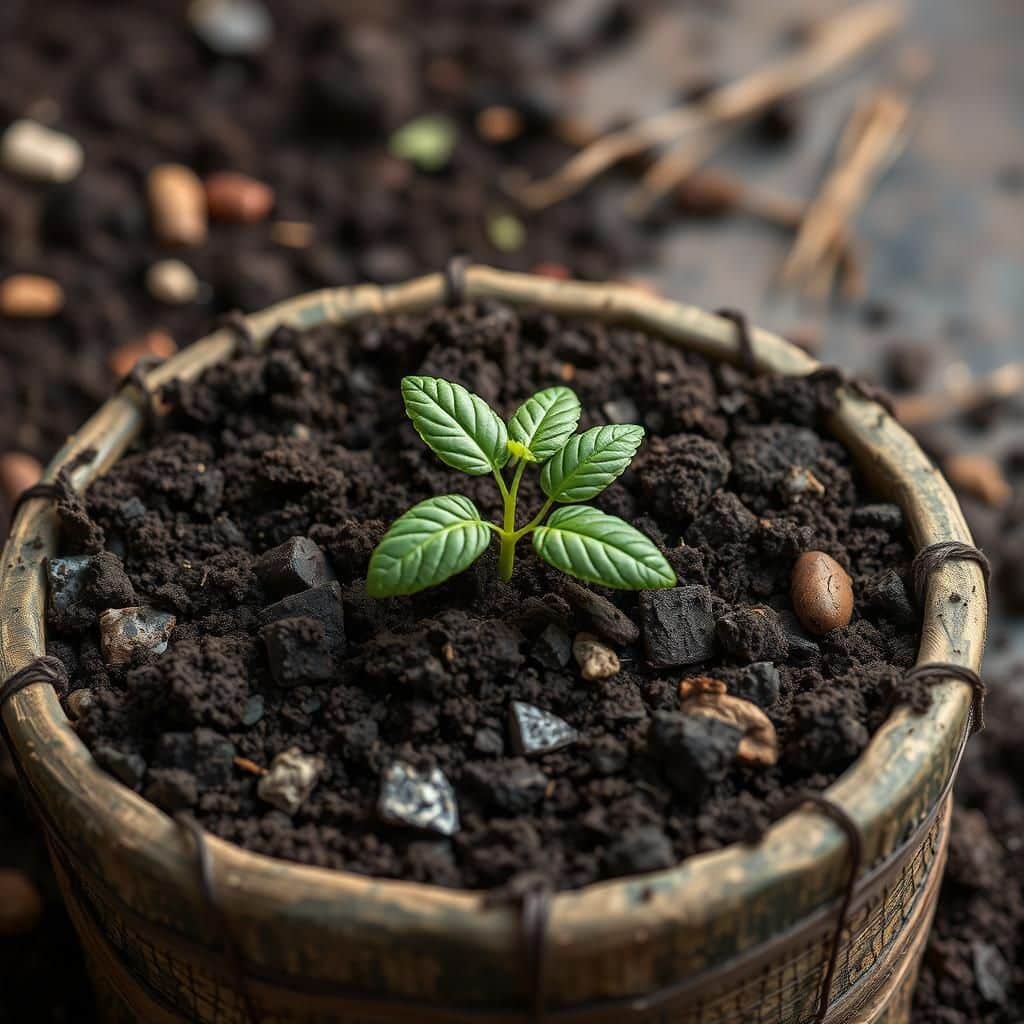
Creating your own homemade compost is an eco-friendly way to enrich your garden soil and reduce waste. But what exactly constitutes the best compost? This comprehensive guide will explore the essentials of composting, from choosing the right materials to maintaining the ideal conditions for decomposition. By understanding the science behind composting, you can produce nutrient-rich soil that supports healthy plant growth and improves your garden's overall vitality. Whether you're a seasoned gardener or a beginner, this guide will help you unlock the secret to creating high-quality compost that benefits both your plants and the environment.
What Is the Best Homemade Compost?
Creating the best homemade compost involves a balance of ingredients that promotes efficient decomposition. The ideal compost consists of a mix of greens (nitrogen-rich materials like fruit scraps, grass clippings, and coffee grounds) and browns (carbon-rich materials such as dried leaves, straw, and cardboard). To achieve a successful compost pile, ensure that the materials are chopped into smaller pieces to increase their surface area and enhance microbial activity. Maintaining a proper moisture level is also crucial; the compost should be damp, similar to a wrung-out sponge. Regular turning of the compost aids aeration and encourages rapid decomposition, resulting in nutrient-dense compost that enriches the soil for gardening or landscaping.
Ingredients for Effective Compost
To make the best homemade compost, it's essential to combine a variety of ingredients. The primary components are often categorized into greens and browns. Greens include fresh plant materials like vegetable scraps, fruit peels, and grass clippings, which provide nitrogen. Browns are composed of dry leaves, twigs, and cardboard that supply carbon. Both types are critical for a balanced compost, as an appropriate ratio (typically about 2:1 browns to greens) can enhance the decomposition process. Additionally, some people may add manure or compost activators to expedite microbial growth.
Balancing Greens and Browns
The balance between greens and browns is vital for optimal composting. If the compost pile is too rich in greens, it can become smelly and overly wet, slowing down the breakdown process. Conversely, an excess of browns can lead to a dry pile that lacks the necessary moisture for microbial activity. To maintain balance, it's recommended to use a mix of approximately two parts browns to one part greens. Monitoring the compost's appearance and smell can help in adjusting the ratios; it should feel warm and have a pleasant earthy smell when maintained correctly.
Composting Process and Maintenance
The composting process involves several stages, primarily driven by microorganisms and macroorganisms that transform organic matter into compost. Initially, the pile should be constructed in layers, alternating between greens and browns. As decomposition begins, maintaining proper aeration by turning the compost every few weeks helps distribute nutrients and oxygen. This aeration is crucial for microbial activity and should be adjusted depending on the compost's moisture level. The entire process can take anywhere from a few weeks to several months, depending on temperature, moisture, and the materials used.
See also:
Common Mistakes in Composting
Several common mistakes can hinder the effectiveness of homemade compost. Overloading the compost pile with materials that are too wet or too dry can create unfavorable conditions for microbial life. Additionally, not turning the pile regularly may lead to compaction and insufficient oxygen, resulting in a smelly, anaerobic mixture. Another mistake is adding materials that don't decompose well, such as dairy products and meats, which can attract pests. Understanding these pitfalls and how to avoid them can significantly improve the quality of homemade compost.
Benefits of Homemade Compost
Using homemade compost offers numerous benefits that enhance gardening and sustainable practices. It enriches the soil with vital nutrients, improving plant growth and health. Compost also enhances soil structure, aiding in moisture retention and drainage, which is beneficial in various climate conditions. Furthermore, it can help suppress soil-borne diseases and pests, reducing the need for chemical fertilizers and pesticides. Another significant benefit is that it contributes to environmental sustainability by recycling organic waste efficiently, diverting it from landfills.
| Component | Function |
|---|---|
| Greens | Provide nitrogen for microbial growth |
| Browns | Provide carbon necessary for energy |
| Water | Maintains moisture for decomposition |
| Air | Supports aerobic bacteria growth |
| Time | Allows for the natural breakdown process |
Essential Ingredients for High-Quality Homemade Compost
Creating the best homemade compost requires a careful balance of ingredients to ensure a nutrient-rich end product. The ideal compost consists of a mix of green materials like kitchen scraps, grass clippings, and leaves, which provide nitrogen, and brown materials such as dried leaves, straw, and cardboard, which supply carbon. It's crucial to maintain a good ratio, ideally around 30 parts carbon to 1 part nitrogen, to facilitate the microbial activity necessary for decomposition. Additionally, incorporating a variety of materials will support a diverse community of microorganisms, ultimately enhancing the nutritional value of your compost and benefiting your garden soil.
The Importance of Nitrogen and Carbon Ratios
The nitrogen to carbon ratio is fundamental in the composting process, as it directly affects the speed and efficiency of decomposition. A balanced ratio ensures that microorganisms have the nutrients necessary to break down organic matter effectively. Excess nitrogen can lead to a smelly, anaerobic pile, while too much carbon slows down the process. By maintaining approximately 30:1 carbon to nitrogen, gardeners can create an environment where beneficial organisms thrive, leading to rich, dark compost ready for enriching soil.
How to Select the Right Materials for Composting
When selecting materials for your compost, it's essential to include a mix of organic waste that promotes diversity. Look for kitchen scraps like fruits, vegetables, and coffee grounds as excellent sources of nitrogen. In contrast, items like dried leaves, twigs, and shredded paper provide necessary carbon. Avoid materials like meat, dairy, and oily foods, which can attract pests and produce odors. The key is to aim for balance and diversity, ensuring that your compost develops the right microbial community to break down your chosen ingredients.
See also:
The Role of Aeration in Composting
Aeration is a critical component of successful composting because it introduces oxygen, which is vital for aerobic microorganisms that help decompose organic matter. Turning the compost pile regularly promotes air circulation, preventing it from becoming too compacted and smelly. Proper aeration aids in maintaining an ideal temperature within the pile, fostering an environment conducive to the breakdown of materials. Incorporating punctured PVC pipes or leaving open spaces in the pile can enhance airflow and support a more effective composting process.
Moisture Management in Composting
Maintaining the right level of moisture is crucial for effective composting, as it affects the activity of microorganisms. A general rule of thumb is to aim for the compost to feel like a sponge—moist but not soggy. Too much water can lead to anaerobic conditions, causing unpleasant odors and slow decomposition. Conversely, if the compost is too dry, microbial activity slows, and decomposition becomes inefficient. Regularly monitoring and adjusting the moisture level can help maintain an optimal environment for composting.
Benefits of Using Homemade Compost in Your Garden
Using homemade compost in your garden offers numerous benefits, including improved soil structure, enhanced moisture retention, and an increase in nutrient availability for plants. Compost enriches the soil with organic matter, promoting a healthy ecosystem that supports microbial life essential for plant health. Furthermore, incorporating compost can help suppress weeds and reduce the need for chemical fertilizers, leading to a more sustainable gardening practice. Overall, homemade compost is an invaluable resource that contributes to the long-term vitality of your garden.
Questions from Our Readers
What is the best material to use for homemade compost?
The best materials for homemade compost include a balanced mix of greens (like kitchen scraps and grass clippings) and browns (such as dried leaves and cardboard). This combination ensures a rich source of nitrogen and carbon, which are essential for effective composting.
How long does it take for homemade compost to be ready?
Homemade compost typically takes about 3 to 6 months to mature, depending on factors such as the materials used, temperature, and moisture levels. Regularly turning the compost can speed up the process by enhancing aeration and decomposition.
See also:
Can I compost meat or dairy products at home?
It is generally not recommended to compost meat or dairy products at home due to their propensity to attract pests and create unwanted odors. Instead, focus on plant-based scraps to maintain a healthier and more manageable compost pile.
How can I aerate my homemade compost effectively?
Aerating your homemade compost can be done by regularly turning the compost pile with a pitchfork or using a compost aerator tool. This process introduces oxygen, which is vital for the aerobic bacteria to thrive and speeds up the decomposition process.
If you want to read more articles like What is the Best Homemade Compost? A Complete Guide to Creating Nutrient-Rich Soil, we recommend you check out our Compost category.
Leave a Reply
Related Articles