Can You Use Dawn Soap to Get Rid of Aphids? Discover the Best Methods and Tips

Aphids can be a frustrating pest for gardeners, wreaking havoc on plants by sucking their sap and transmitting diseases. Many seek effective and safe methods to tackle these nuisances, leading to the question: can you use Dawn soap to get rid of aphids? This popular dish soap is often touted for its versatility in pest control. In this article, we will explore the effectiveness of Dawn soap against aphids, providing you with the best methods and tips to eliminate these pests from your garden. Discover how to protect your plants and promote a healthier growing environment.
Can Dawn Soap Effectively Eliminate Aphids?
Using Dawn soap to combat aphids can be an effective and environmentally friendly method to keep these pesky pests at bay. The soap works by suffocating the aphids, as it disrupts their protective outer coating, leading to dehydration. To achieve the best results, it's recommended to mix the soap with water at a ratio of about 1-2 tablespoons of soap per quart of water. Spray the mixture directly onto the affected plants, targeting the undersides of leaves where aphids often hide. This method is not only safe for most plants but also beneficial in maintaining the ecological balance in your garden, as it minimizes the use of harsh chemicals.
How Does Dawn Soap Work on Aphids?
Dawn soap acts as a surfactant, which lowers the surface tension of water and allows it to spread and adhere to the aphids more effectively. When sprayed directly onto the pests, the soap penetrates their waxy exoskeletons, disrupting their ability to maintain moisture, ultimately leading to their demise. This method is particularly effective on soft-bodied insects like aphids, as they lack the protective armor that other pests may have.
Are There Any Risks to Using Dawn Soap?
While Dawn soap is generally safe for most plants, there are potential risks associated with its use. Overapplication or using a concentrated mixture can lead to damage on sensitive plants, such as those with fine foliage. It's advisable to test the soap solution on a small, inconspicuous area of the plant before applying it broadly. Additionally, using it during the hotter parts of the day or in direct sunlight may cause leaf burn.
Alternative Methods to Control Aphids
In addition to using Dawn soap, there are several other methods for managing aphid populations. These include introducing natural predators like ladybugs or lacewings, using neem oil or insecticidal soaps specifically designed for aphid control, and employing companion planting techniques to deter aphids naturally. Each of these approaches can complement the use of soap and enhance your overall pest management strategy.
How Often Should You Apply Dawn Soap?
The frequency of application can vary based on the severity of the infestation and weather conditions. As a general rule, it is recommended to apply the Dawn soap solution every 5-7 days until the aphids are under control. Regular monitoring of your plants will help you determine when new applications are necessary, ensuring that the aphid population is continually suppressed.
Can Dawn Soap Affect Beneficial Insects?
While Dawn soap is effective against aphids, it can also impact beneficial insects in your garden, such as bees and ladybugs. To minimize harm, it is essential to apply the soap in the evening or early morning when these insects are less active. Additionally, you can target the affected areas directly rather than applying it broadly to avoid collateral damage to helpful species that contribute to the health of your garden ecosystem.
| Aspect | Dawn Soap | Other Methods |
|---|---|---|
| Effectiveness | High on aphids | Varies |
| Safety for Plants | Generally safe | Depends on method |
| Impact on Beneficial Insects | Can be harmful | Varying impact |
| Application Frequency | Every 5-7 days | As needed |
| Environmental Impact | Low | Varies by product |
What is the best homemade aphid killer?
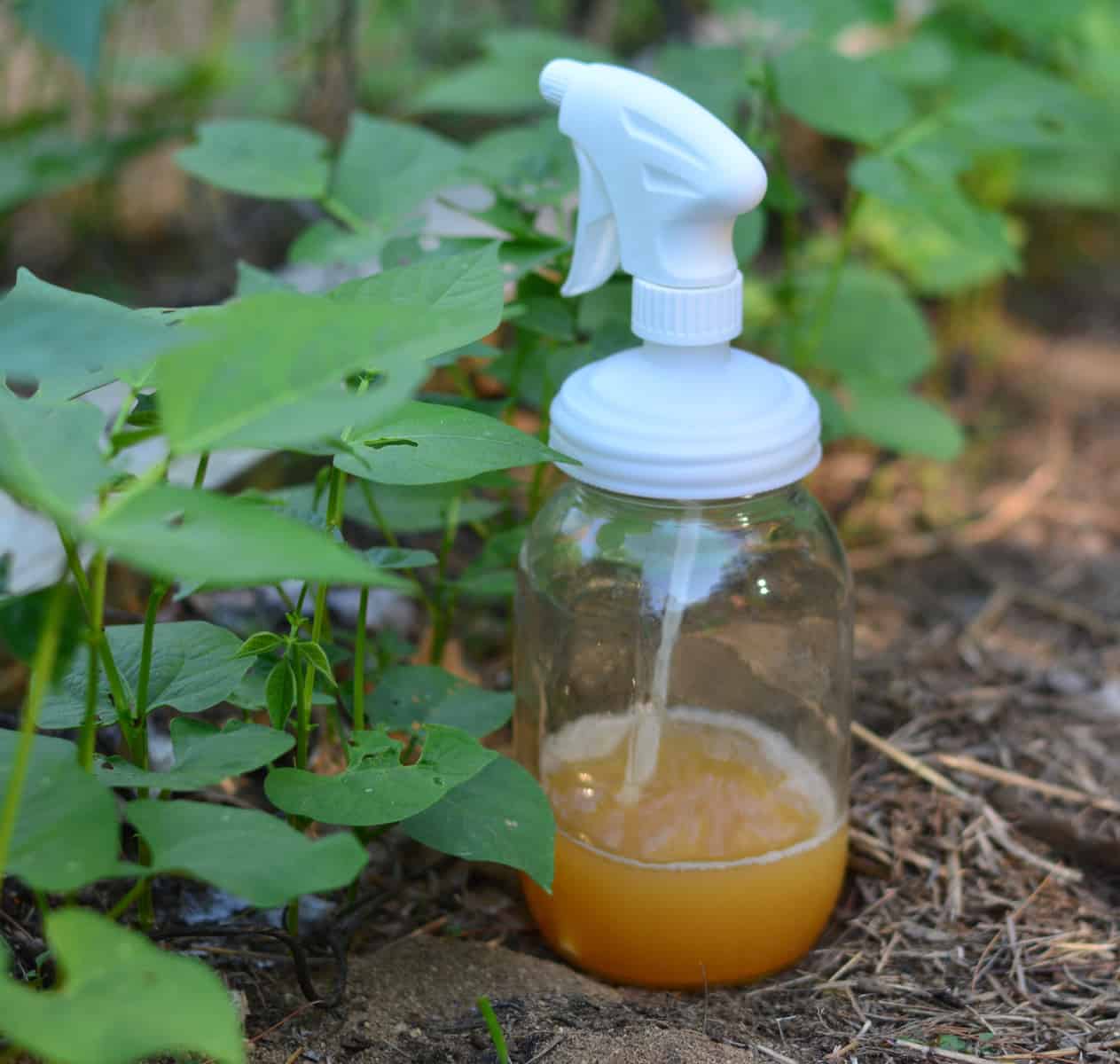
The best homemade aphid killer is often considered to be a simple solution made from soap and water. This method utilizes dish soap to disrupt the aphids' ability to cling to plants and eventually suffocates them. Here’s how to prepare and use this effective homemade mixture.
See also:
Ingredients for Homemade Aphid Killer
To create an effective aphid killer, you will need a few common household items. The key ingredients include:
- Water - acts as a solvent to dilute the soap.
- Dish soap - a gentle soap that is safe for plants and effective against pests.
- Vegetable oil (optional) - can enhance the effectiveness by suffocating the aphids.
Preparation of the Aphid Killer Solution
The preparation is straightforward and quick. Follow these steps to create your homemade aphid killer:
- In a spray bottle, combine 1 tablespoon of dish soap with 1 quart of water.
- If using vegetable oil, add 1 tablespoon of it to the mixture.
- Shake the bottle gently to mix the ingredients thoroughly.
Application Method for Best Results
Applying the homemade solution correctly is crucial for its effectiveness. Here’s how to do it:
- Identify the areas of the plant affected by aphids.
- Spray the solution directly onto the aphids, ensuring to cover both the tops and bottoms of the leaves.
- Reapply every 5-7 days, or as necessary, until the infestation is under control.
Safety Precautions
While this homemade aphid killer is generally safe, taking proper precautions is wise. Consider the following:
- Test the solution on a small part of the plant first to check for any adverse reactions.
- Avoid applying during the hottest parts of the day to prevent leaf burn.
- Keep the solution away from pets and children until it's fully dried on the plant.
Alternative Homemade Aphid Treatments
In addition to the soap and water solution, there are other homemade remedies you can try:
- Neem oil - derived from the neem tree, it repels aphids effectively.
- Garlic spray - blending garlic with water creates a potent natural insecticide.
- Chili pepper spray - mixing ground chili with water can deter aphids due to its spiciness.
What kind of soap do you use for aphids?
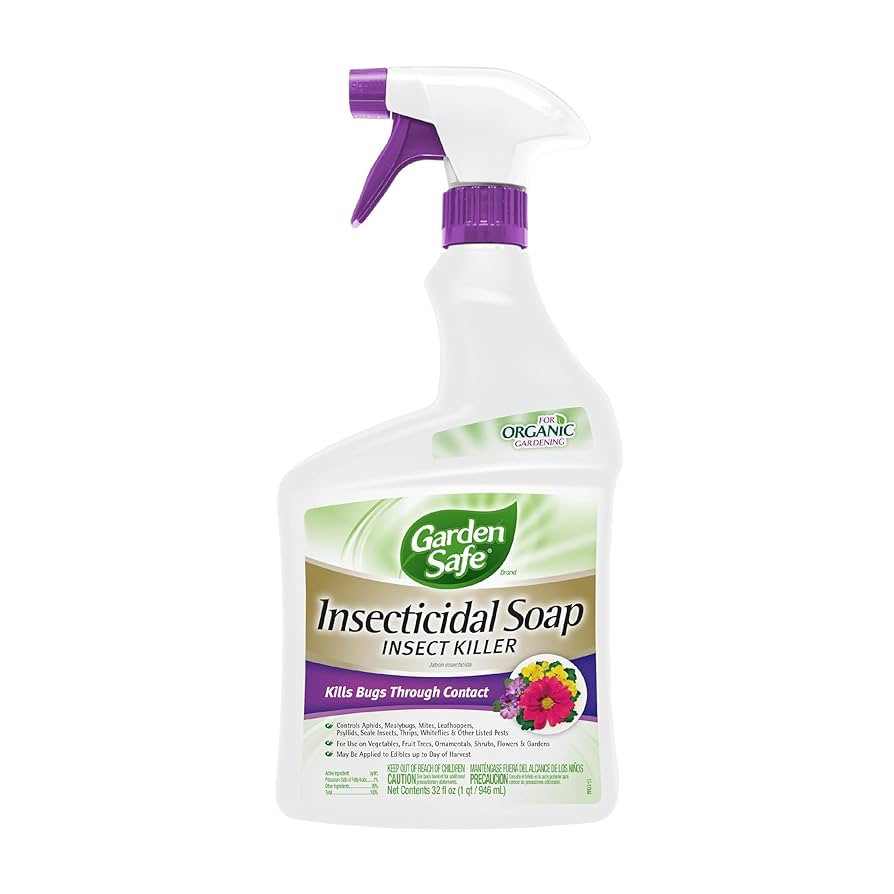
Aphids are common pests that can infest a variety of plants and harm their growth. Using soap to manage aphids is a well-known organic method that can be effective. The type of soap typically recommended for aphid control is insecticidal soap, which is specifically formulated for this purpose. Here are some details about the kind of soap that can be used for aphids:
Insecticidal Soap: This is the most effective type of soap against aphids. It consists of natural plant oils and is designed to disrupt the cell membranes of soft-bodied insects like aphids, leading to their dehydration and death.
1. Composition and Ingredients:
- Insecticidal soaps often include the following components:

- Potassium salts: They help break down the aphid’s protective barriers.
- Fatty acids: These are effective in targeting the aphids' cellular structure.
- Natural oils: They can further enhance the soap’s efficacy while being safe for most plants.
- Always check that the soap is free from additives that can harm plants or beneficial insects.
2. Application Methods:
- When using insecticidal soap, it is crucial to follow proper application methods:
- Direct application: Spray the soap solution directly onto the aphids and affected plant areas.
- Even coverage: Ensure you cover the undersides of leaves where aphids typically hide.
- Timing: Apply the soap in the early morning or late evening to avoid sun exposure that could lead to plant damage.
3. Homemade Soap Solutions:
- If commercial options are limited, you can create your own insecticidal soap:
- Choose the right soap: Use pure liquid soap or castile soap without fragrances and additives.
- Dilution: Mix about 2 tablespoons of soap with 1 gallon of water.
- Test plants: Before applying widely, test the solution on a small area of your plants to ensure there is no adverse reaction.
4. Safety Considerations:
- While insecticidal soap is generally safe, some precautions should be taken:
- Plant sensitivity: Some plants may be sensitive to soaps, so testing is essential.
- Avoid mixtures: Do not mix insecticidal soaps with other pesticides or chemicals unless specified.
- Rinsing: After a few hours, rinse the plant leaves with water to prevent soap buildup, particularly in hot weather.
5. Effectiveness and Frequency of Application:
- The effectiveness of insecticidal soap varies, so it's important to know how often to reapply:
- Regular monitoring: Check your plants regularly for signs of aphids after treatment.
- Reapplication time: Reapply every 5 to 7 days as needed, especially after rain.
- Result observation: You should see a reduction in aphid population within a week if applied correctly.
Questions from Our Readers
Can Dawn soap effectively eliminate aphids?
Dawn soap can be effective in eliminating aphids due to its ability to break down their protective waxy coating, making them vulnerable. When mixed with water and used as a spray, it can suffocate these pests, leading to a noticeable reduction in their population.
Is Dawn soap safe for plants when used against aphids?
When used in diluted form, Dawn soap is generally safe for most plants. However, it is crucial to test it on a small area first to ensure that it does not cause any damage to the foliage, as certain plants can be sensitive to soaps.
How do you apply Dawn soap to control aphids?
To apply Dawn soap for aphid control, mix a few drops of the soap with water in a spray bottle and thoroughly coat the affected plants, focusing on the undersides of leaves where aphids often reside. Make sure to rinse the plants after a few hours to avoid any potential buildup of soap residue.
How often should you use Dawn soap for aphid infestations?
For effective management of aphid infestations, it is recommended to apply Dawn soap once a week or as needed until the aphid population decreases. Regular monitoring of the plants will help determine the necessity of additional treatments.
See also:

If you want to read more articles like Can You Use Dawn Soap to Get Rid of Aphids? Discover the Best Methods and Tips, we recommend you check out our Insects category.
Leave a Reply
Related Articles