Can You Compost Potato Peels? Discover the Benefits and Tips for Successful Composting

Composting is an eco-friendly practice that transforms organic waste into nutrient-rich soil, promoting a healthier environment. One common question among gardeners and compost enthusiasts is whether potato peels can be included in compost piles. This article delves into the benefits of composting potato peels, highlighting their contributions to soil health and plant growth. Additionally, we will provide practical tips to ensure successful composting, helping you to effectively recycle kitchen scraps while minimizing waste. Whether you're new to composting or looking to enhance your existing methods, understanding the role of potato peels can elevate your composting game.
Can You Compost Potato Peels?
Yes, you can definitely compost potato peels as they are an excellent source of nitrogen and help enhance the overall health of your compost pile. Potato peels, along with other vegetable scraps, break down relatively quickly and contribute to a rich organic matter that improves soil structure and fertility. However, it's important to ensure that the peels are free from any chemical residues or pesticides to maintain the integrity of your compost. Additionally, mixing them with a balanced ratio of greens (like fruit scraps and vegetable waste) and browns (such as dried leaves and cardboard) will facilitate proper decomposition and minimize odors.
Benefits of Composting Potato Peels
Composting potato peels has several environmental and agricultural benefits. Firstly, it reduces waste sent to landfills and contributes to sustainable waste management practices. Secondly, potato peels are rich in nutrients like potassium and phosphorus, which are essential for plant growth. Incorporating these peels into your compost enhances soil fertility and promotes vibrant garden and plant health. Furthermore, composting helps in improving soil texture and water retention, providing a more conducive environment for beneficial microorganisms.
How to Prepare Potato Peels for Composting
To prepare potato peels for composting, you should first ensure that they are clean and free from any chemical treatments. Ideally, rinse them under water to remove any dirt or residue. You can then cut the peels into smaller pieces to accelerate the decomposition process. Adding them directly to your compost bin or pile can be done either fresh or dried; however, breaking them down smaller enhances the speed at which they will break down and blend with other compost materials.
Potential Issues with Composting Potato Peels
While potato peels are beneficial for composting, there can be potential issues if not managed properly. If the peels are molded or rotten, they can attract pests and produce unpleasant odors. Additionally, if you add too many peels at once without a balanced mix of browns, it can lead to a nitrogen-rich environment, which may cause the pile to become too wet and compacted. To prevent these issues, it’s crucial to maintain the right balance between greens and browns and monitor the moisture levels in your compost pile.
How Potato Peels Affect the Composting Process
Potato peels play a significant role in the composting process by introducing valuable nutrients and helping to maintain an active microbial community. Their high moisture content helps regulate the temperature of the compost pile and supports other materials in breaking down quicker. Furthermore, they contribute to the overall structure of the compost, allowing for better airflow and drainage. When included in moderation, potato peels can enhance the activity of beneficial bacteria and fungi, which are essential for efficient decomposition.
Composting Methods for Potato Peels
There are several effective methods to compost potato peels, including traditional composting, vermicomposting, and bokashi composting. Traditional composting involves layering potato peels with other kitchen scraps and yard waste to create a balanced compost pile. Vermicomposting utilizes worms to break down scraps, including potato peels, producing high-quality compost. Bokashi composting, on the other hand, is a fermentation process that allows you to compost food scraps, including peels, quickly and without odor. Each method has its unique benefits, allowing you to choose one that best fits your composting preferences.
| Aspect | Details |
|---|---|
| Nutritional Value | High in potassium and phosphorus |
| Preparation | Clean and cut into smaller pieces |
| Pest Issues | Moldy peels can attract pests |
| Composting Methods | Traditional, vermicomposting, bokashi |
| Balance | Mix with other greens and browns |
Are potato peelings good for composting?
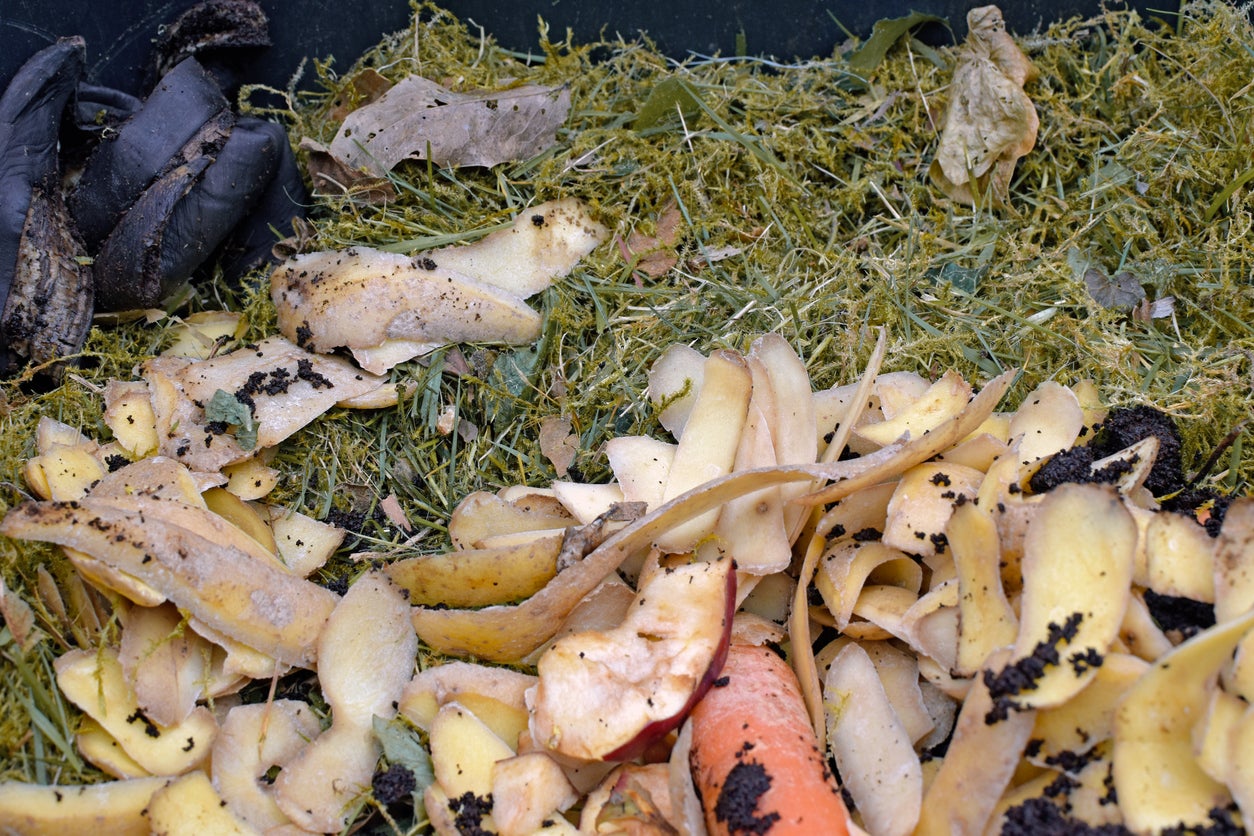
Potato peelings are generally considered beneficial for composting. They are rich in nutrients, including nitrogen, which serves as an essential ingredient in compost. When added to a compost pile, potato peelings can help accelerate the decomposition process, contributing to the creation of rich, organic compost that can enhance soil quality in gardens and agricultural settings.
However, it's important to be mindful of how potato peelings are added to the compost. They can attract pests if not properly managed and should ideally be mixed with other compost materials to facilitate an even breakdown. Here are some related aspects to consider when composting potato peelings.
Nutritional Benefits of Potato Peelings
Potato peelings offer a variety of nutritional benefits that make them a valuable addition to compost. They contain crucial elements essential for soil health, including:
- Nitrogen: A key nutrient that aids in plant growth.
- Potassium: Important for root development and overall plant health.
- Phosphorus: Vital for energy transfer and photosynthesis.
How to Prepare Potato Peelings for Composting
To effectively compost potato peelings, proper preparation is essential. This helps optimize the decomposition process and minimizes potential pest issues. Key steps include:
- Wash the peelings: Remove any dirt or pesticides before composting.
- Chop into smaller pieces: Smaller pieces decompose more quickly.
- Mingle with brown materials: Combine with dried leaves or cardboard for balanced compost.
Potential Issues with Potato Peelings in Compost
While potato peelings are generally beneficial, there are potential issues that gardeners should be aware of when composting them:
See also:
- Pest attraction: Raw peelings can attract rodents and insects if not buried.
- Diseases: If the potatoes were diseased, the pathogens could survive in the compost.
- Excess moisture: Too many peelings can lead to a soggy compost pile.
Best Practices for Composting Potato Peelings
To maximize the positive impact of potato peelings in compost, certain best practices should be followed. These help maintain the health of the compost pile:
- Balance the materials: Ensure a mix of greens and browns for optimal decomposition.
- Turn the pile regularly: Aeration helps speed up composting and prevent odors.
- Monitor moisture levels: Keep the pile damp but not overly wet.
Final Thoughts on Composting Potato Peelings
Incorporating potato peelings into compost is a practical and eco-friendly practice that can significantly enhance the nutrient content of garden soil. By being mindful of the preparation and management of these peelings, gardeners can effectively utilize them to create rich compost that supports sustainable soil health:
- Composting potato peelings contributes to waste reduction.
- Enhances the soil structure with increased organic matter.
- Supports a healthy garden ecosystem by promoting beneficial microorganisms.
Why can't you compost potatoes?
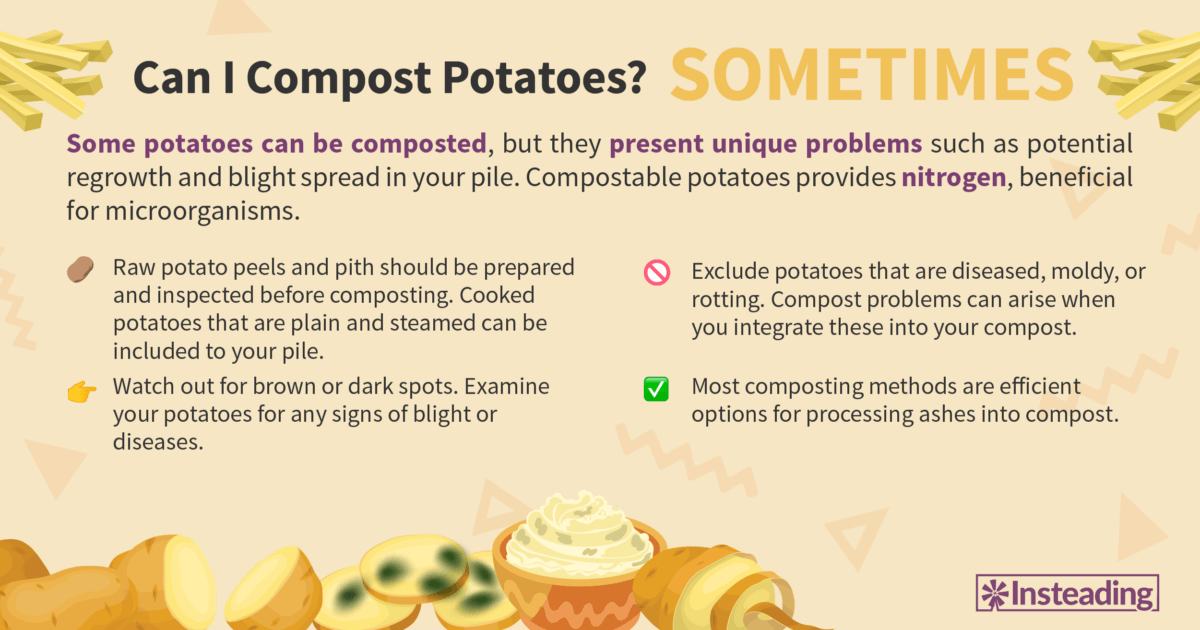
When it comes to composting, certain foods are best avoided due to potential issues with pests, diseases, and nutrient imbalances. One of these foods is potatoes. Here are a few reasons why you shouldn't compost them.
Presence of Diseases
Composting potatoes can introduce various plant diseases into your compost pile, especially if the potatoes are diseased or spoiled. Some common diseases associated with potatoes include:
- Late blight: caused by a fungus, this can survive in compost and infect other plants.
- Black leg: a disease that affects potato tubers, this can persist in compost and spread to new plants.
- Fusarium wilt: another fungal infection that can remain dormant in compost and affect future crops.
Pest Attraction
Potatoes can attract various pests both in the compost pile and in your garden. The decomposition of potatoes can lead to:
- Fruit flies: these pests are attracted to decaying organic matter and can multiply quickly.
- Rodents: the scent of rotting potatoes can draw in mice and rats, which then might seek out a food source in your garden.
- Ants and other insects: these may invade your compost pile, disrupting the balance of the ecosystem.
Odor Issues
When potatoes decompose, they can produce unpleasant odors that can be off-putting. This can result in:
- Bad smell: This can deter you or your neighbors from using the compost.
- Attracting unwanted animals: The foul smell may also attract more pests into your compost and garden.
- Off-gassing: Decomposing potatoes can release gases that contribute to an unhealthy composting environment.
Nutrient Imbalance
Including too many potatoes in your compost can create a nutrient imbalance. This can lead to:
- Excess starch: Potatoes are high in starch, which may not compost well and can create a heavy, moist compost mixture.
- Wet compost: The high moisture content of potatoes can lead to anaerobic conditions if there isn't enough dry material.
- Poor aeration: A too-wet compost pile can become compacted, resulting in poor composting performance and odors.
Alternative Methods
Instead of composting, you can consider other ways to dispose of or utilize potatoes. Some alternatives include:
- Feed livestock: Some animals, such as pigs, can benefit from leftover or spoiled potatoes.
- Plant them: If they are still viable, you can plant sprouted potatoes back into your garden.
- Composting with caution: If you choose to compost, make sure to chop up and isolate diseased or spoiled potatoes from the main pile and monitor carefully.
Can I put rotten potatoes in compost?

Yes, you can put rotten potatoes in compost. In fact, composting rotten potatoes can be beneficial as they decompose, returning valuable nutrients to the soil. However, there are a few considerations to keep in mind to ensure that your compost remains healthy and effective.
The Benefits of Composting Rotten Potatoes
Composting rotten potatoes can significantly enhance the quality of your compost. Here are some advantages:
- Nutrient-Rich Material: Rotten potatoes break down into a nutrient-rich addition that helps enrich the compost.
- Matter Volume: Their inclusion increases the organic matter in compost, improving the soil structure.
- Microbial Activity: They promote the growth of beneficial microbes that aid in decomposition and nutrient cycling.
Potential Risks of Composting Rotten Potatoes
Despite the benefits, there are several risks associated with composting rotten potatoes:
See also:
- Disease Spread: If the potatoes are rotting due to disease, they may introduce pathogens into the compost.
- Odors: Decomposing potatoes can produce unpleasant odors if not composted properly.
- Pest Attraction: Rotten potatoes may attract pests such as rodents or insects, which could lead to further issues in your garden.
How to Compost Rotten Potatoes Correctly
To successfully compost rotten potatoes, proper techniques must be followed:
- Chop Them Up: Cutting the potatoes into smaller pieces can speed up the decomposition process.
- Balance Greens and Browns: Ensure a balanced carbon-to-nitrogen ratio by mixing with dry materials like leaves or straw (browns).
- Maintain Aeration: Turn the compost pile regularly to provide oxygen and facilitate faster decomposition.
Signs of Healthy Compost with Rotten Potatoes
Monitoring the compost is crucial to ensure that rotten potatoes are decomposing effectively:
- Temperature: A healthy compost pile should generate heat, indicating microbial activity.
- Moisture Level: The compost should be damp but not soggy, aiding in decomposition without promoting rot.
- Smooth Texture: A well-composted pile will have a dark, crumbly texture and a pleasant earthy smell.
Alternative Uses for Rotten Potatoes
If you're cautious about composting rotten potatoes, consider these alternative options:
- Burying in the Garden: You can bury them directly in the garden to hasten soil fertility.
- Feeding Animals: Some animals, like chickens, may safely consume rotten potatoes, depending on the extent of decay.
- Creating Potato Water: Boil them in water and use the nutrient-rich water to fertilize plants.
Why should you not throw potato scraps away?
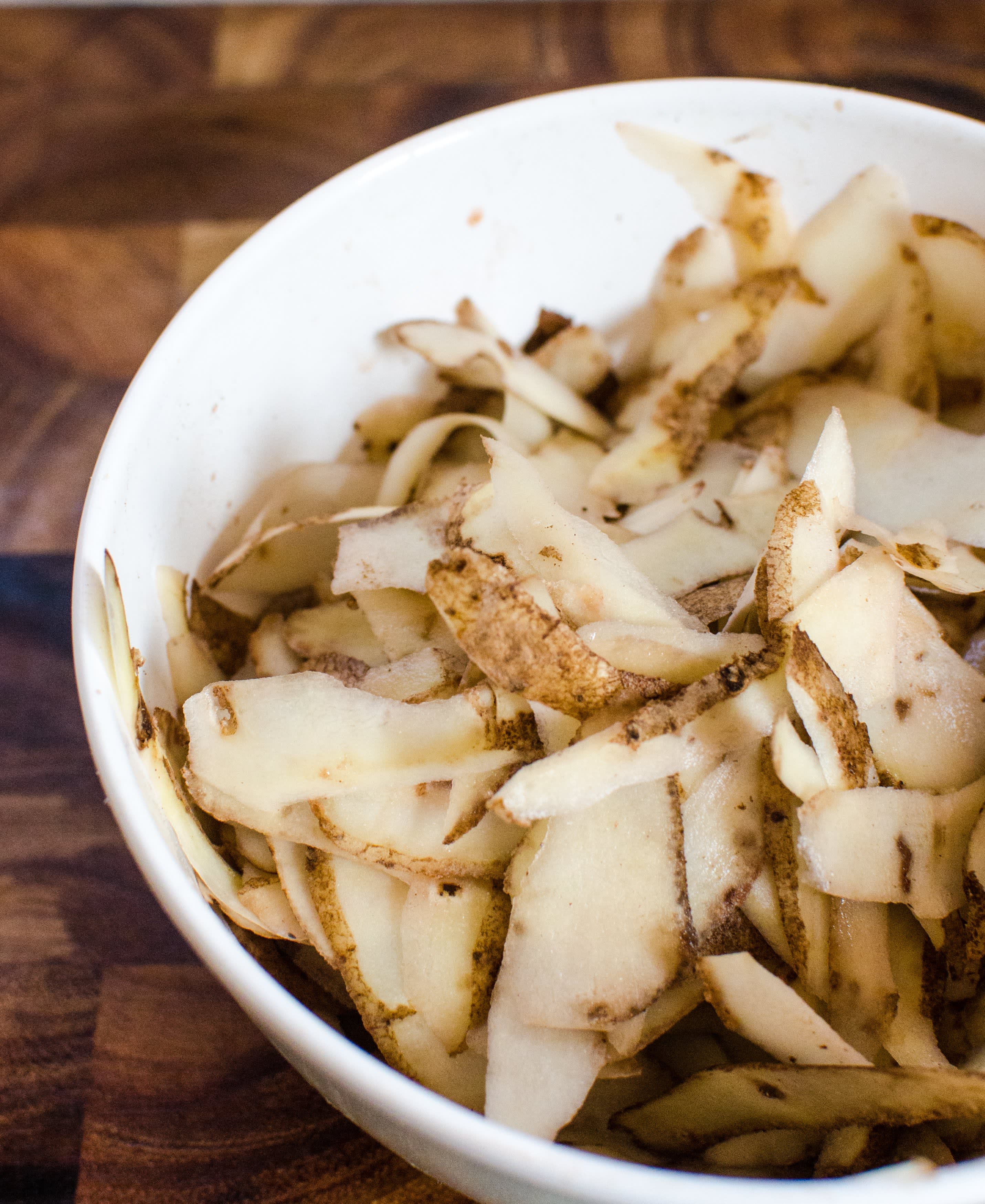
Throwing away potato scraps can be seen as a waste of valuable resources. Instead of discarding them, there are several compelling reasons to consider utilizing potato scraps in more sustainable and beneficial ways. Potato scraps can be rich in nutrients and can contribute to various uses, enhancing both cost-effectiveness and environmental consciousness.
Benefits of Using Potato Scraps in Cooking
Potato scraps, such as the skins and peels, can serve multiple purposes in cooking:
- Nutritional Value: Potato skins are high in fiber, vitamins, and antioxidants, making them a nutritious addition to many dishes.
- Flavor Enhancement: Incorporating potato scraps can add a unique flavor and texture to recipes like soups, stocks, and hash dishes.
- Cost Efficiency: Using potato scraps can help reduce food waste and save money since they can be repurposed in various meals.
Potato Scraps in Gardening and Composting
Potato scraps can play a significant role in gardening and composting initiatives:
- Compost Material: Potato scraps are biodegradable and can be added to compost bins, helping to create nutrient-rich compost.
- Soil Improvement: When buried or composted, they can enrich the soil with essential nutrients as they decompose.
- Pest Deterrent: Certain agricultural practices utilize potato scraps to deter pests in gardens, reducing the need for chemical interventions.
Environmental Impact of Reducing Food Waste
Utilizing potato scraps can significantly contribute to environmental sustainability:
- Reduced Waste: By repurposing potato scraps, the amount of food waste in landfills decreases, ultimately lowering greenhouse gas emissions.
- Resource Conservation: Utilizing food scraps conserves water and energy that would be expended in producing new food items for disposal.
- Encouraging a Circular Economy: Adopting practices that prioritize the use of food scraps supports a more sustainable and circular food economy.
Creative Applications of Potato Scraps
There are many innovative ways to utilize potato scraps beyond the kitchen:
- Potato Skin Chips: Baked or fried potato skins can be transformed into crispy snacks, offering a delicious alternative to conventional chips.
- Natural Beauty Products: Potato peels can be used in homemade beauty treatments for their skin-nourishing properties.
- Homemade Vegetable Broth: Potato scraps can be simmered with other vegetable scraps to create a rich and flavorful broth.
Economic Advantages of Using Potato Scraps
Repurposing potato scraps can provide certain economic benefits:
- Maximizing Food Budget: By using all parts of potatoes, you stretch your grocery budget further and minimize waste.
- Creating Value-Added Products: Entrepreneurs can create products like potato skin chips or eco-friendly fertilizers from scraps, adding income streams.
- Lowering Food Costs: Utilizing scraps in cooking can lessen the need for purchasing additional ingredients, providing cost savings.
Questions from Our Readers
Can you compost potato peels?
Yes, you can compost potato peels. They are rich in nutrients that can help enrich your compost pile. Just ensure that they are free from any pesticides or chemicals to maintain the quality of your compost.
Are there any specific guidelines for composting potato peels?
When composting potato peels, it is advisable to avoid adding them in large quantities at once to prevent odors and pest issues. It's best to mix them with other green and brown materials to create a balanced compost pile.
Do potato peels attract pests in compost?
Yes, potato peels can attract certain pests, particularly if they are added in excess or if the compost pile is not well-maintained. To minimize this risk, make sure to cover the peels with other materials and keep the compost pile aerated.
See also:
Can potato peels carry diseases in compost?
While the risk is low, potato peels can sometimes carry diseases such as late blight. To mitigate this, it's advisable to only compost peels from healthy potatoes and to ensure that your compost reaches the right temperatures to kill off any potential pathogens.

If you want to read more articles like Can You Compost Potato Peels? Discover the Benefits and Tips for Successful Composting, we recommend you check out our Compost category.
Leave a Reply
Related Articles