Can I Compost Egg Shells? Essential Guide to Composting Practices

Eggshells are often regarded as kitchen waste, but they can play a valuable role in your composting efforts. Not only do they contribute essential nutrients to your compost, but they also offer benefits that can enhance the quality of your garden soil. In this essential guide, we will explore the ins and outs of composting eggshells, including their impact on compost health, proper preparation methods, and tips for incorporating them effectively into your compost pile. Whether you’re a novice composter or a seasoned gardener, understanding how to use eggshells can elevate your composting practices and promote a thriving garden ecosystem.
Can I Compost Egg Shells?
Yes, you can absolutely compost egg shells! They are a great addition to your compost bin due to their high calcium content, which can benefit your garden soil. When added to compost, egg shells not only help to provide essential nutrients for plants but also contribute to the overall structure and aeration of the compost mix. To ensure they break down efficiently, it’s best to crush or grind them into small pieces before adding them to your compost pile. This will speed up the decomposition process and enhance the balance of your compost.
Benefits of Composting Egg Shells
Composting egg shells offers several benefits for your garden and compost pile. They are rich in calcium, which is an essential nutrient that promotes strong cell walls in plants and prevents blossom end rot in tomatoes and peppers. Additionally, they help improve the texture of compost by adding bulk and aiding in aeration, resulting in a healthier compost mixture. Furthermore, incorporating crushed egg shells into the compost can attract beneficial microorganisms that aid in decomposition and improve soil health.
How to Prepare Egg Shells for Composting
To prepare egg shells for composting, start by rinsing them under water to remove any residual egg whites or yolk, which can attract pests. After cleaning, allow the shells to dry completely to prevent any unpleasant odors. Next, crush or grind the shells into small pieces; this increases the surface area and accelerates the breakdown process in your compost pile. You can use a blender, food processor, or simply crush them with your hands for an effective method to prepare egg shells for composting.
How Egg Shells Improve Soil Health
When properly composted, egg shells can significantly improve soil health in your garden. The high levels of calcium they provide strengthen plant cell structure and promote healthier growth. Calcium can also help to balance soil pH, ensuring that nutrients are readily available for plant roots. Additionally, the presence of egg shells in the soil can help deter certain pests, as the sharp edges of crushed shells can deter soft-bodied insects from invading your garden.
Common Misconceptions about Composting Egg Shells
Many people believe that composting egg shells is unnecessary or that they take too long to break down. However, this is a misconception, as egg shells decompose more quickly when crushed or ground. Additionally, there is a belief that they attract pests, but if prepared correctly—thoroughly cleaned and dried—this can be avoided. In fact, egg shells can be a valuable addition to compost, enhancing its nutritional profile and overall effectiveness as a soil amendment.
Can You Compost Other Egg Products?
While egg shells are great for composting, it's important to be cautious with other egg products. Whole eggs or egg whites can introduce undesirable odors and attract pests to your compost pile. It's generally recommended to stick to composting just the shells since they are low in moisture and won't significantly alter the balance of your compost. If you're considering adding egg products, ensure that they are minimal and balanced with other compost materials to maintain a healthy compost ecosystem.
| Egg Shells Benefits | Nutritional Value | Preparation Steps |
|---|---|---|
| Rich in calcium | High nutrient content | Rinse, dry, crush |
| Improves compost texture | Supports plant growth | Grind to speed up breakdown |
| Deters pests | Balances soil pH | Add to compost pile |
Why not put egg shells in compost?
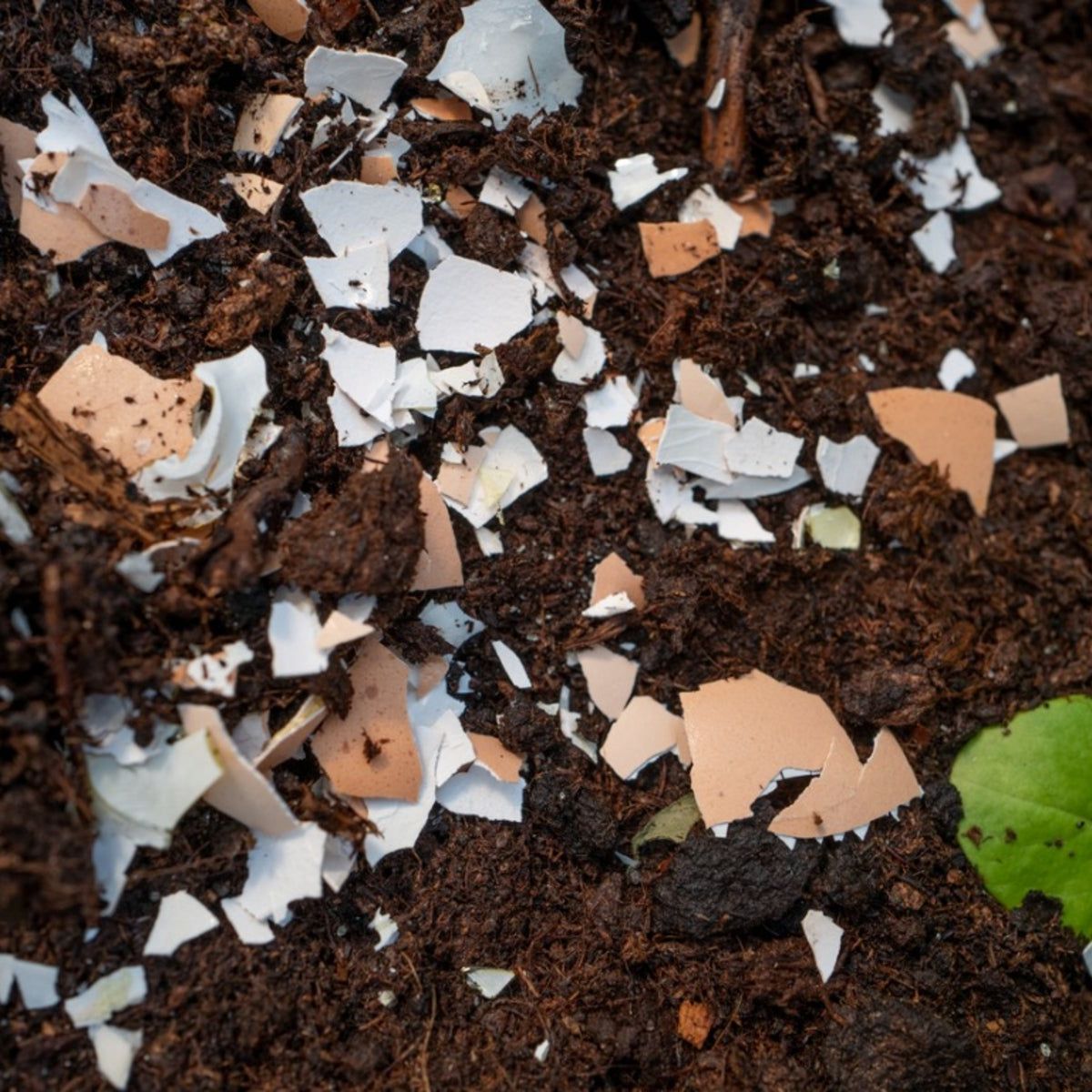

Eggshells are often considered for composting due to their nutrient content, primarily calcium. However, there are several reasons why it may not be advisable to include them in compost.
1. Slow Decomposition Rate
Eggshells have a tough and hard structure, which can result in a slow decomposition rate within compost. Unlike softer organic materials, eggshells need time to break down effectively.
- Eggshells can take several months to decompose.
- This prolonged decomposition can lead to a disrupted composting balance, as other materials might break down faster.
- Inadequate breakdown may leave large shell fragments in finished compost, which is aesthetically unpleasing.
2. Risk of Attracting Pests
Including eggshells in compost may attract unwanted pests and animals. Although the shells themselves don't have a strong odor, their presence can signal the availability of other organic materials that might be appealing to pests.
- Pests such as rodents and insects might be drawn to the compost pile.
- These pests can compromise the integrity of the compost by introducing bacteria and other pathogens.
- They can also disrupt the composting process by feeding on beneficial microbes.
3. Calcium Imbalance in Compost
While eggshells are a great source of calcium, excessive amounts can lead to an imbalance in the nutrient profile of the compost.
- Calcium should be present in balanced ratios with other nutrients like nitrogen and phosphorus.
- An imbalance can hinder plant growth and lead to nutrient deficiencies.
- Different plants have varying nutrient needs, and an excess of calcium might not benefit all types.
4. Potential Pathogen Concerns
Eggshells may come from sources that could harbor pathogens such as Salmonella. If handled improperly, there is a risk of contamination in the compost.
- Improperly cleaned eggshells can introduce harmful bacteria into the compost.
- This can create a health hazard, especially if the compost is used in gardens for food production.
- The cooking and sanitization process must be effective to eliminate such risks.
5. Preference for Other Alternatives
Many other organic materials are highly beneficial for composting compared to eggshells. Instead of adding eggshells, consider incorporating these alternatives that break down more efficiently.
- Greens like vegetable scraps and grass clippings provide nitrogen.
- Browns such as dried leaves and straw add carbon, enhancing microbial activity.
- Fruits and vegetable peels are nutrient-rich and decompose quickly, enriching the compost.
Why not put eggshells in compost?
Eggshells are often considered a valuable addition to compost due to their high calcium content. However, there are various reasons why one might choose not to include eggshells in their compost. Below are some considerations regarding this topic.
See also:
1. Slow Decomposition Rate
Eggshells can take a significant amount of time to decompose in compost piles. This slow breakdown can hinder the overall efficiency of the composting process.
- Texture: The hard, calcareous structure of eggshells makes them resistant to rapid decomposition.
- Time factor: It may take several months for eggshells to break down, which can slow the accumulation of nutrient-rich compost.
- Balance: The long breakdown period can disrupt the carbon-to-nitrogen balance if not properly managed.
2. Risk of Contamination
Eggshells can pose a risk of contamination due to the presence of salmonella bacteria, which can be found on the shells of raw eggs.
- Food safety: If compost is used for vegetable gardens, there's a slim chance that harmful bacteria may survive the composting process.
- Microbial imbalance: The introduction of pathogens can affect the microbiome of the compost, potentially leading to health risks.
- Regulations: Some composting guidelines advise against including animal products or by-products, which could include eggshells.
3. Difficulty in Sizing
Uncrushed eggshells can be difficult to incorporate into compost, leading to an uneven mix of materials.
- Size matters: Larger pieces take longer to decompose compared to small particles, leading to uneven nutrient distribution.
- Mixing issues: They can clump together, making it harder to mix well with other compost ingredients.
- Composition: Proper aeration can be hindered if larger pieces interfere with airflow in the compost pile.
4. Nutrient Imbalance
While eggshells are rich in calcium, their addition can lead to a nutrient imbalance in the compost.
- Calcium overload: Excess calcium can affect the availability of other nutrients, like magnesium and potassium.
- Soil health: Too much calcium can disrupt the overall pH levels of the compost, leading to poor soil health.
- Plant uptake: Plants require a balanced nutrient profile, and an excessive focus on calcium can hinder their growth.
5. Alternatives for Calcium Enrichment
There are alternatives to eggshells for enriching compost with calcium that might be more effective and easier to use.
- Crushed limestone: This material breaks down more quickly and provides a consistent calcium source.
- Gypsum: It's a fast-acting option that adds calcium without altering soil pH significantly.
- Seaweed: Offers a variety of nutrients including some calcium, while also improving compost aeration.
Questions from Our Readers
Can I compost egg shells?
Yes, you can compost egg shells. They are a great source of calcium and other minerals beneficial for soil health. Just make sure to crush them into smaller pieces to speed up the decomposition process.
How should I prepare egg shells for composting?
To prepare egg shells for composting, you should rinse them to remove any residue, then let them dry. After drying, crushing them into small pieces will help them break down faster in your compost bin.
Will egg shells attract pests in my compost?
Egg shells alone are not likely to attract pests to your compost. However, it’s important to balance your compost with other materials and ensure it is properly maintained to avoid attracting unwanted insects.
See also:
How do egg shells benefit my compost?
Egg shells provide a rich source of calcium carbonate, which can help in neutralizing acidity in compost. This nutrient is essential for plant growth and can improve the overall health of your garden soil.

If you want to read more articles like Can I Compost Egg Shells? Essential Guide to Composting Practices, we recommend you check out our Compost category.
Leave a Reply
Related Articles