Can You Compost Grass Clippings? A Complete Guide to Composting Grass for Your Garden

Composting grass clippings is an eco-friendly and efficient way to recycle your yard waste while enriching your garden soil. Many homeowners wonder whether grass clippings can be effectively composted and how to do it properly. In this complete guide, we will explore the benefits of composting grass, the best practices to ensure a successful composting process, and the common mistakes to avoid. By understanding the role of grass clippings in composting, you can transform your garden waste into nutrient-rich compost that promotes healthy plant growth. Join us as we delve into the world of composting grass clippings for a thriving garden.
Can You Compost Grass Clippings?
Yes, you can definitely compost grass clippings, and they are an excellent addition to your compost pile. Grass clippings are rich in nitrogen, which is essential for the decomposition process. When added in balance with carbon-rich materials, such as dried leaves or straw, they help to create a nutrient-rich compost that can enhance your garden soil. However, it is crucial to avoid adding too many clippings at once, as this can lead to compacted layers that hinder aeration and may cause unpleasant odors. To maintain the quality of your compost, mix grass clippings with other types of organic matter and turn the pile regularly.
Benefits of Composting Grass Clippings
Composting grass clippings offers numerous benefits, including the reduction of organic waste in landfills and the creation of a nutrient-dense fertilizer for your garden. These clippings decompose quickly and help to speed up the overall composting process due to their high nitrogen content. This process not only benefits the environment but also improves the soil structure and enhances moisture retention in your garden.
How to Properly Compost Grass Clippings
To compost grass clippings effectively, it is recommended to avoid adding too many at one time, as this can lead to anaerobic conditions. Instead, allow the clippings to dry out slightly before adding them to the compost pile. Mix them with carbon-rich materials like leaves or cardboard to create a balanced mix. Regularly turning the pile will ensure proper aeration and promote faster decomposition.
Common Mistakes When Composting Grass Clippings
One common mistake is adding fresh grass clippings directly to the compost without mixing them with other materials. This can create a dense mat that restricts airflow, leading to odor issues as the clippings decompose anaerobically. Additionally, never use clippings treated with herbicides or pesticides, as these chemicals can harm beneficial microorganisms in the compost.
Maintaining the Right Balance in Compost
Maintaining a proper balance of green and brown materials is crucial in composting. Grass clippings are a green material, rich in nitrogen, while dried leaves and straw are brown materials, providing the necessary carbon. A general rule of thumb is to maintain a ratio of about 3 parts brown to 1 part green materials for optimal compost development.
When Not to Compost Grass Clippings
Although grass clippings are generally beneficial for composting, there are certain circumstances when they should not be added to the pile. For instance, if the clippings come from lawns treated with herbicides or pesticides, it's best to avoid composting them to prevent introducing harmful chemicals into your compost and ultimately into your garden soil.
| Material | Type | Nitrogen Content |
|---|---|---|
| Grass Clippings | Green | High |
| Dried Leaves | Brown | Low |
| Straw | Brown | Low |
| Food Scraps | Green | Medium |
| Coffee Grounds | Green | High |
How should I dispose of grass clippings?
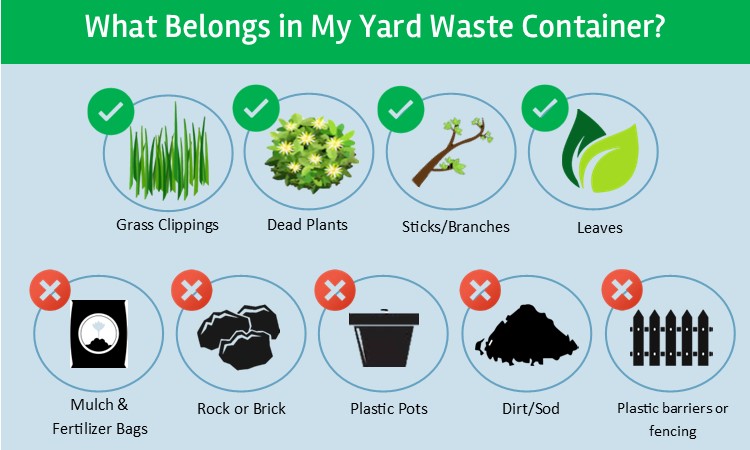
To dispose of grass clippings effectively, you have several eco-friendly options that can benefit both your garden and the environment. Here are the main methods to consider:
Composting Grass Clippings
One of the best ways to dispose of grass clippings is through composting. This method not only reduces waste but also creates nutrient-rich compost that can enhance your garden soil. To compost grass clippings effectively, follow these steps:
- Gather fresh grass clippings and avoid mixing them with weeds or plants with disease.
- Layer the clippings with browns, such as dried leaves or straw, to balance the carbon-to-nitrogen ratio.
- Turn the compost pile regularly to ensure proper aeration and to speed up decomposition.
Using Grass Clippings as Mulch
Grass clippings can serve as an effective layer of mulch in garden beds. This method helps retain soil moisture, suppress weeds, and eventually enriches the soil. To use grass clippings as mulch, consider the following tips:
- Let the clippings dry out to prevent them from matting down and creating a barrier to water and air.
- Apply a layer of 1-2 inches of dried clippings around plants, keeping them a few inches away from plant stems.
- Monitor the mulch layer, as it may need to be refreshed periodically throughout the growing season.
Bagging for Curbside Pickup
If your local waste management offers yard waste collection, bagging your grass clippings for curbside pickup is a convenient option. Here’s how to do it responsibly:
- Check your local guidelines to confirm that grass clippings are accepted in your waste program.
- Use biodegradable bags or disposal bins designated for yard waste to minimize environmental impact.
- Ensure the clippings are free of plastic items or other contaminants before putting them out for collection.
Grasscycling
Grasscycling is the practice of leaving grass clippings on the lawn after mowing, which can greatly benefit your turf. Here’s how it works:
See also:
- Use a mulching mower that cuts clippings into smaller pieces, allowing them to decompose quickly.
- Ensure that no more than one-third of the grass blade’s height is cut at one time to avoid stressing the lawn.
- Maintain your mower blades to keep them sharp, ensuring a clean cut and healthier grass.
Disposing of Clippings at a Green Waste Facility
Some regions have green waste facilities where you can drop off yard waste, including grass clippings. Here's how to utilize this option:
- Locate a nearby green waste facility through your local government’s website to find out about drop-off hours and location.
- Transport your clippings in containers that are easy to unload and compliant with facility regulations.
- Follow the facility's guidelines for disposal to ensure that you are contributing to their recycling program correctly.
Can I put grass cuttings in a compost bin?
Yes, you can put grass cuttings in a compost bin. Grass cuttings are an excellent source of nitrogen, which is essential for the composting process. They break down quickly and help balance the carbon-rich materials in your compost, such as dried leaves and twigs. However, there are some important considerations to ensure that your compost remains healthy and effective.
Benefits of Adding Grass Cuttings to Compost
Adding grass cuttings to your compost bin offers several benefits:
- Nitrogen Source: Grass cuttings are rich in nitrogen, an essential nutrient that aids in the decomposition process.
- Improved Structure: They help improve the structure of the compost, making it more aerated and promoting beneficial microbial activity.
- Quick Breakdown: Grass cuttings decompose quickly compared to other materials, speeding up the composting process.
How to Properly Add Grass Cuttings
To ensure that your grass cuttings contribute positively to your compost, follow these steps:
- Mix with Brown Material: Combine grass cuttings with carbon-rich materials, such as dried leaves or straw, to maintain a balanced carbon-to-nitrogen ratio.
- Chop Finely: If possible, chop the cuttings into smaller pieces to increase their surface area and speed up decomposition.
- Aerate Regularly: Turn the compost pile regularly to provide oxygen, which is crucial for the breakdown of the cuttings and other materials.
Potential Issues with Grass Cuttings
While grass cuttings are beneficial, they can cause issues if not managed properly:
- Overheating: A large amount of grass cuttings can lead to overheating in the compost pile, potentially killing beneficial microbes.
- Odor Problems: If grass clippings are added in excess without enough brown material, they may create anaerobic conditions that result in foul odors.
- Compacting: Fresh grass cuttings can mat together, forming clumps that restrict airflow and hinder decomposition.
Alternatives to Composting Grass Cuttings
If composting isn't an option for your grass cuttings, consider these alternatives:
- Mulching: Use grass clippings as mulch around garden plants to retain moisture and suppress weeds.
- Bagging: If you have too much grass cuttings, consider bagging and taking them to a local yard waste facility.
- Using as Animal Bedding: Grass cuttings can also be used as bedding for certain livestock or pets, as they provide insulation and comfort.
Best Practices for Composting Grass Cuttings
To maximize the effectiveness of composting grass cuttings, adopt the following best practices:
- Limit Amount: Aim to add grass cuttings in moderation to avoid overwhelming the compost pile.
- Monitor Moisture: Keep the compost pile moist, but not soggy, to promote optimal microbial activity.
- Layering: Alternate layers of grass cuttings with brown materials to maintain a balanced layer structure.
How long does it take for grass clippings to turn to compost?
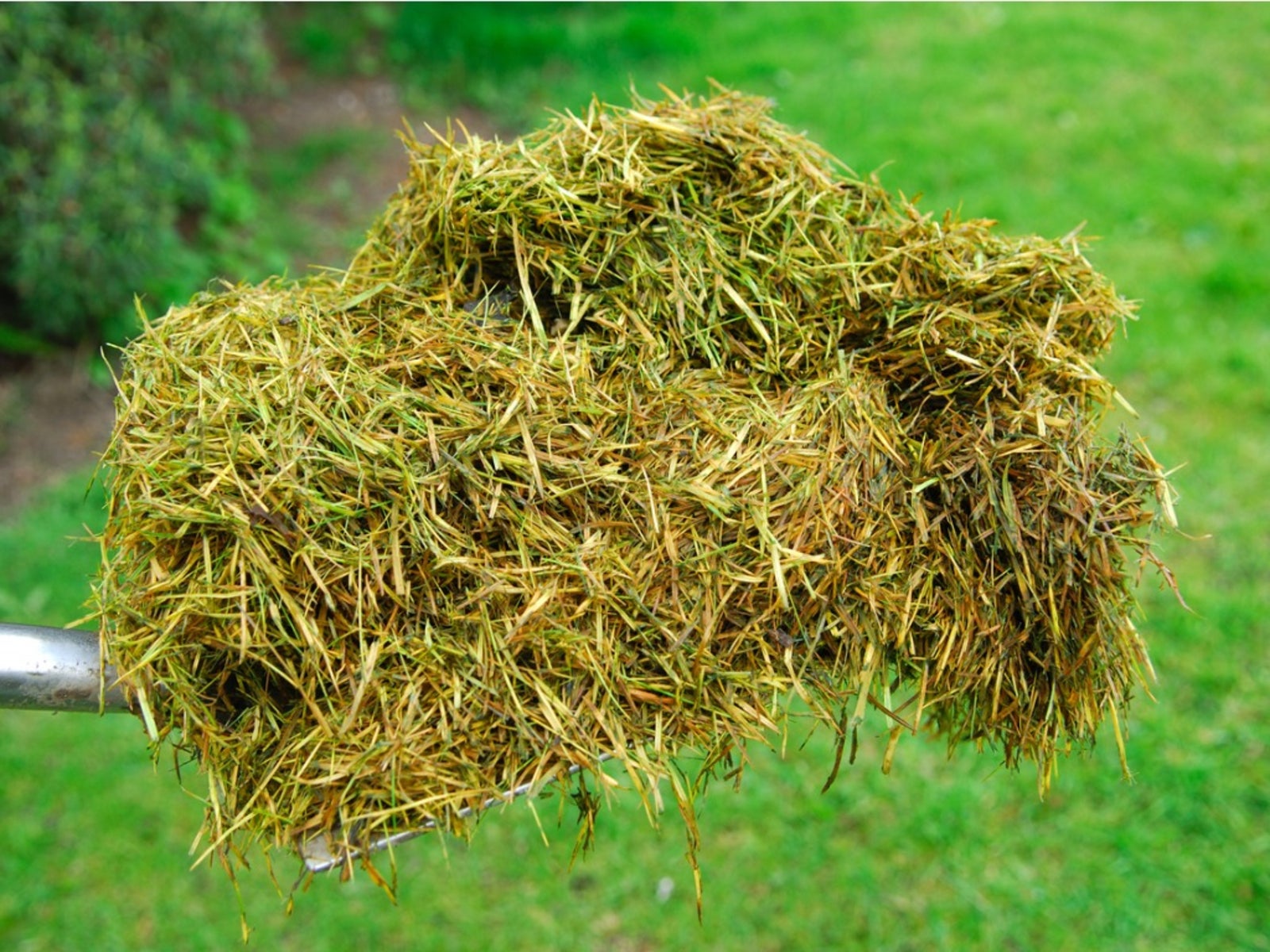
Grass clippings can decompose and turn into compost relatively quickly, depending on several factors including moisture content, temperature, and the overall composition of the compost pile. Generally, it takes about 2 to 4 weeks for grass clippings to break down into compost, provided the conditions are optimal. Here are some key influences and considerations to take into account during this process:
Factors Affecting Decomposition Time
The time it takes for grass clippings to compost can vary greatly based on specific environmental conditions. Here are the most critical factors:
- Temperature: Warmer temperatures generally speed up the decomposition process. Composting is most efficient at temperatures between 130°F to 160°F (54°C to 71°C).
- Moisture: Maintaining a moisture level that is not too dry or too soggy is crucial. The ideal moisture level is around 50-60%.
- Oxygen: Aeration is vital. Turning the pile regularly helps increase oxygen flow, promoting faster decomposition.
The Importance of Shredding
Shredding grass clippings can significantly impact the speed of composting. Smaller particles break down more quickly. Consider these benefits:
- Increased Surface Area: Smaller clippings have a larger surface area for microorganisms to act upon, enhancing decomposition.
- Faster Breakdown: Shredded grass decomposes in weeks rather than months, allowing for quicker compost production.
- Reduced Mats: Whole clippings can form mats that inhibit airflow; shredding avoids this issue.
Building a Balanced Compost Recipe
Creating a balanced compost pile is essential in facilitating the breakdown process. Here's how to achieve it:
See also:
- Carbon to Nitrogen Ratio: A healthy compost pile needs a proper mix of carbon (brown materials) and nitrogen (green materials). Grass clippings are rich in nitrogen.
- Diverse Materials: Combine grass clippings with other carbon-rich materials such as straw, dried leaves, or paper to improve balance.
- Adequate Volume: A pile should ideally be at least 3 feet in all dimensions to sustain heat and promote efficient decomposition.
Monitoring and Maintaining the Compost Pile
Regular monitoring and maintenance of the compost pile can significantly influence how long it takes for grass clippings to turn into compost. Important practices include:
- Regular Turning: Turn the pile at least once every few weeks to aerate it and distribute moisture and heat evenly.
- Moisture Checks: Periodically check moisture levels and sprinkle water when necessary to keep the pile adequately moist.
- Temperature Monitoring: Utilize a compost thermometer to monitor inner temperatures, ensuring they remain in the optimal range for decomposition.
Signs of Finished Compost
Recognizing when the compost is ready is key for making use of it effectively. Look for the following signs:
- Dark Color: Finished compost typically appears dark brown or black, resembling rich soil.
- Earthy Smell: A pleasant, earthy aroma indicates that the compost is decomposing properly.
- Fine Texture: The mixture should be crumbly and free of large clumps or recognizable materials.
Can you make compost with just leaves and grass clippings?
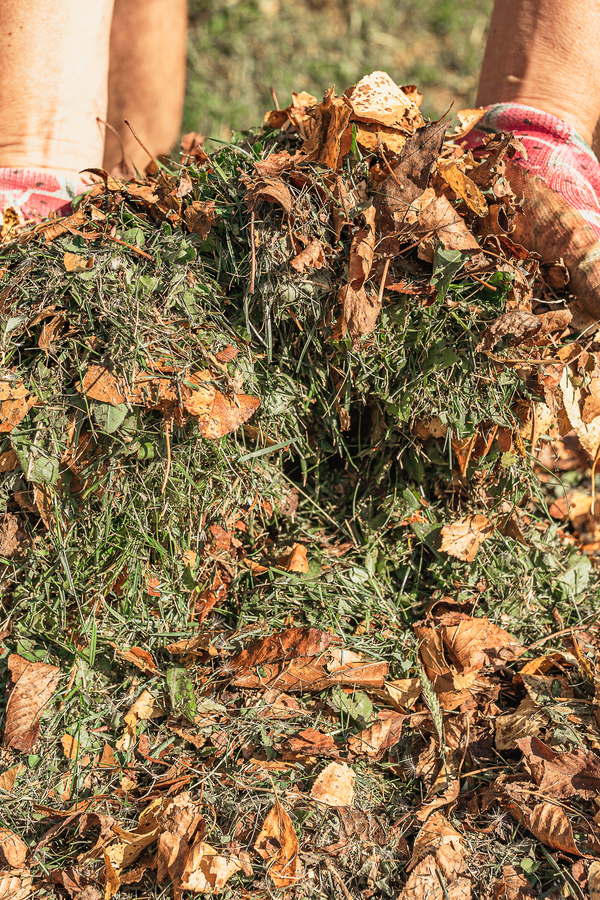
Yes, you can make compost with just leaves and grass clippings. This combination can be quite effective for composting, as both materials are high in organic matter and contain the necessary nutrients for a successful compost heap. Leaves provide carbon (brown material), while grass clippings add nitrogen (green material) to the mix. Achieving a proper balance between these two components is essential for the composting process to work efficiently. By combining these materials and managing them correctly, you can create rich compost that improves soil health and enhances plant growth.
Understanding the Carbon to Nitrogen Ratio
The carbon to nitrogen (C:N) ratio is crucial for effective composting. Leaves generally have a higher carbon content, while grass clippings are rich in nitrogen. The ideal C:N ratio for composting is about 30:1. Here’s how to manage this balance:
- Use a mix of approximately three parts leaves to one part grass clippings.
- Avoid using too much grass clippings at once, as they can mat down and create anaerobic conditions.
- Shred leaves to increase surface area and speed up decomposition.
Preparing the Materials
Before starting your compost pile, proper preparation of the materials is essential to facilitate decomposition. Here are some tips:
- Collect leaves and grass clippings when they are dry to prevent clumping.
- Chop or shred large leaves to accelerate the breakdown process.
- Avoid using diseased or pest-infested plant material, as this can contaminate your compost.
Layering for Effective Composting
Layering your compost materials is an effective strategy to enhance aeration and speed up the composting process. Consider the following tips:
- Start with a layer of coarse material like small branches or straw to promote airflow.
- Alternate layers of leaves and grass clippings, ensuring not to compact them too tightly.
- Add some water to maintain moisture, but avoid making the pile soggy.
Maintaining the Compost Pile
To ensure your compost pile breaks down efficiently, regular maintenance is necessary. Here are some key actions:
- Turn the compost pile every few weeks to aerate it and speed up decomposition.
- Monitor the moisture levels; it should be as damp as a wrung-out sponge.
- Watch for temperature changes; a hot pile indicates active microbial activity.
Using the Finished Compost
Once your compost is ready, typically in 3 to 6 months, it can greatly benefit your garden or landscape. Remember the following:
- Use finished compost as a soil amendment to improve soil structure and fertility.
- Add a layer of compost to garden beds as a nutrient-rich mulch.
- Incorporate compost into potting mixes for container plants.
Questions from Our Readers
Can you compost grass clippings?
Yes, you can compost grass clippings. They are a great addition to your compost pile due to their high nitrogen content, which helps to accelerate the composting process. However, it's essential to mix them with other materials, such as browns (like dried leaves or straw), to avoid the clippings matting together and creating a barrier that inhibits airflow.
Are there any precautions to take when composting grass clippings?
Yes, when composting grass clippings, it's important to avoid using clippings from lawns treated with chemicals or pesticides. These chemicals can potentially harm beneficial microorganisms in your compost and may persist in the finished compost, affecting your garden. Additionally, it's advisable to only compost clippings when they are dry to prevent them from compacting.
How should grass clippings be added to the compost pile?
When adding grass clippings to your compost pile, make sure to layer them properly. Add a thin layer of clippings followed by a layer of brown materials to help maintain the right carbon-to-nitrogen ratio. This layering technique helps to promote good airflow and prevent the clippings from clumping together, which can hinder decomposition.
How can you tell when the compost with grass clippings is ready?
You can tell that your compost is ready when it has turned into a dark, crumbly substance that smells earthy. If you added grass clippings, the compost should break down into a fine texture, and you shouldn't be able to identify the original materials. Additionally, it should feel warm to the touch, indicating that the composting process was successful and that microbial activity has occurred.
See also:

If you want to read more articles like Can You Compost Grass Clippings? A Complete Guide to Composting Grass for Your Garden, we recommend you check out our Compost category.
Leave a Reply
Related Articles