Are Saskatoon Berries Invasive? Understanding Their Impact on Local Ecosystems

Saskatoon berries, known for their sweet flavor and nutritional benefits, have gained popularity in gardens and markets across North America. However, as their cultivation increases, concerns arise regarding their potential invasiveness and impact on local ecosystems. This article delves into the characteristics of Saskatoon berries, examining whether they can outcompete native flora and alter habitats. By exploring scientific research and ecological perspectives, we aim to provide a comprehensive understanding of this intriguing berry's role within various ecosystems. Join us as we uncover the complexities surrounding Saskatoon berries and their potential implications for biodiversity and environmental health.
Are Saskatoon Berries Invasive?
Saskatoon berries, scientifically known as Amelanchier alnifolia, are not generally considered invasive. These native plants are predominantly found in North America and thrive in various environments, including forests and open plains. While they do spread through seeds and vegetative reproduction, which can lead to localized colonization, they typically do not outcompete other native species significantly. Their growth patterns are more aligned with that of a shrublike formation rather than an invasive species that disrupts local ecosystems. Nonetheless, their adaptability means they can thrive in a range of soils and conditions, making monitoring important in non-native areas to ensure they do not become problematic.
Characteristics of Saskatoon Berries
Saskatoon berries are small, sweet fruits that grow on shrubs, typically reaching heights of 3 to 6 feet. The plants are characterized by their leathery leaves, white to pink flowers in the spring, and clusters of blue-purple berries that ripen in early summer. They are highly valued for their nutritional content, being rich in fiber, vitamins, and antioxidants, making them a popular choice for both wildlife and humans.
Native Habitat and Distribution
The Saskatoon berry is primarily found in the western regions of North America, particularly across Canada and parts of the northern United States. It thrives in open forests, hillsides, and along river banks, where the soil is well-drained. Its distribution is influenced by climatic conditions, especially the need for sunlight and adequate moisture during the growing season. This adaptability allows it to inhabit a variety of ecosystems without becoming overly invasive.
Reproductive Strategies
Saskatoon berries reproduce both sexually through seed production and asexually through clonal growth. The berries produced are edible and attract numerous bird species, which help disperse the seeds across different geographical areas. However, while they can establish new populations, they rarely form dense monocultures like typical invasive species. Instead, they usually coexist with other native flora, maintaining ecological balance in their habitats.
Impact on Local Ecosystems
The presence of Saskatoon berries in local ecosystems is generally beneficial as they contribute to biodiversity and provide food sources for a variety of wildlife, including birds and mammals. They can also improve soil health and expand habitat availability for other plant species. Their overall impact is seen as positive, and they do not exert excessive pressure on other native plants, which is a hallmark characteristic of invasive species.
Management Practices
To ensure that Saskatoon berries do not become invasive in non-native regions, land management practices should focus on monitoring their growth and spread. Cultivating these berries in controlled environments, such as gardens or farms, can help manage their distribution. Moreover, understanding their ecological impact is crucial in preventing unintentional spread into areas where they may disrupt local flora and fauna. Regular assessments can help maintain their beneficial status while mitigating any risks associated with their presence.
| Aspect | Details |
|---|---|
| Species Name | Amelanchier alnifolia |
| Native Range | North America |
| Reproduction | Seed and clonal growth |
| Impact on Ecosystem | Positive biodiversity contributor |
| Management Practice | Monitoring and controlled cultivation |
What are saskatoon berries called in the USA?

Saskatoon berries are commonly known as serviceberries or Juneberries in the United States. These names can vary regionally, and they refer to the same fruit derived from the Amelanchier species of shrubs or small trees. The name serviceberry is believed to be related to their flowering time, which coincided with the arrival of services such as funerals in the spring, making them a symbol of renewal. Juneberries, on the other hand, are so named due to their ripening in June.
Origin of the Name Serviceberry
The term serviceberry reflects both cultural and historical aspects of the time when the fruit was named.
- Historical Significance: The name is linked to the period when services or funerals would be held in June, marking the beginning of summer.
- Floral Blooming: This fruit is known for its beautiful white flowers that bloom in early spring, signifying the end of winter.
- Native Use: Indigenous peoples used these berries extensively, which also contributed to the name due to their significance in local diets.
Nutritional Benefits of Saskatoon Berries
Saskatoon berries are highly nutritious and offer various health benefits.
- High Antioxidants: They are rich in antioxidants, which help combat oxidative stress and reduce inflammation.
- Vitamins and Minerals: These berries provide essential nutrients such as vitamin C, potassium, and dietary fiber.
- Heart Health: Regular consumption may improve heart health by helping lower blood pressure and cholesterol levels.
Culinary Uses of Serviceberries
Serviceberries can be used in various culinary applications due to their sweet, nutty flavor.
- Raw Consumption: They can be eaten fresh, making them a delightful snack.
- Baking: Serviceberries are perfect for pies, muffins, and crumbles due to their sweet flavor.
- Preserves and Jams: They can be made into jams, jellies, and syrups to capture their flavor year-round.
Growing Conditions for Saskatoon Berries
Saskatoon berries thrive in specific growing conditions that enhance their yield.
See also:
- Climate Adaptation: They prefer temperate climates with well-draining soil, making them adaptable across various regions in North America.
- Sunlight Requirements: Full sun exposure is essential for optimum fruit production and sweetness.
- Soil Type: Well-drained sandy or loamy soils are best, and they tolerate drought once established.
Differences Between Saskatoon Berries and Other Berries
While Saskatoon berries share some characteristics with other berries, they have distinct differences.
- Flavor Profile: Compared to blueberries, Saskatoon berries have a sweeter and nuttier taste.
- Appearance: They are round, purple to dark blue berries, often resembling small apples when unripe.
- Nutritional Content: They contain higher levels of protein and fiber than many common berries like strawberries and raspberries.
Do Saskatoon trees spread?
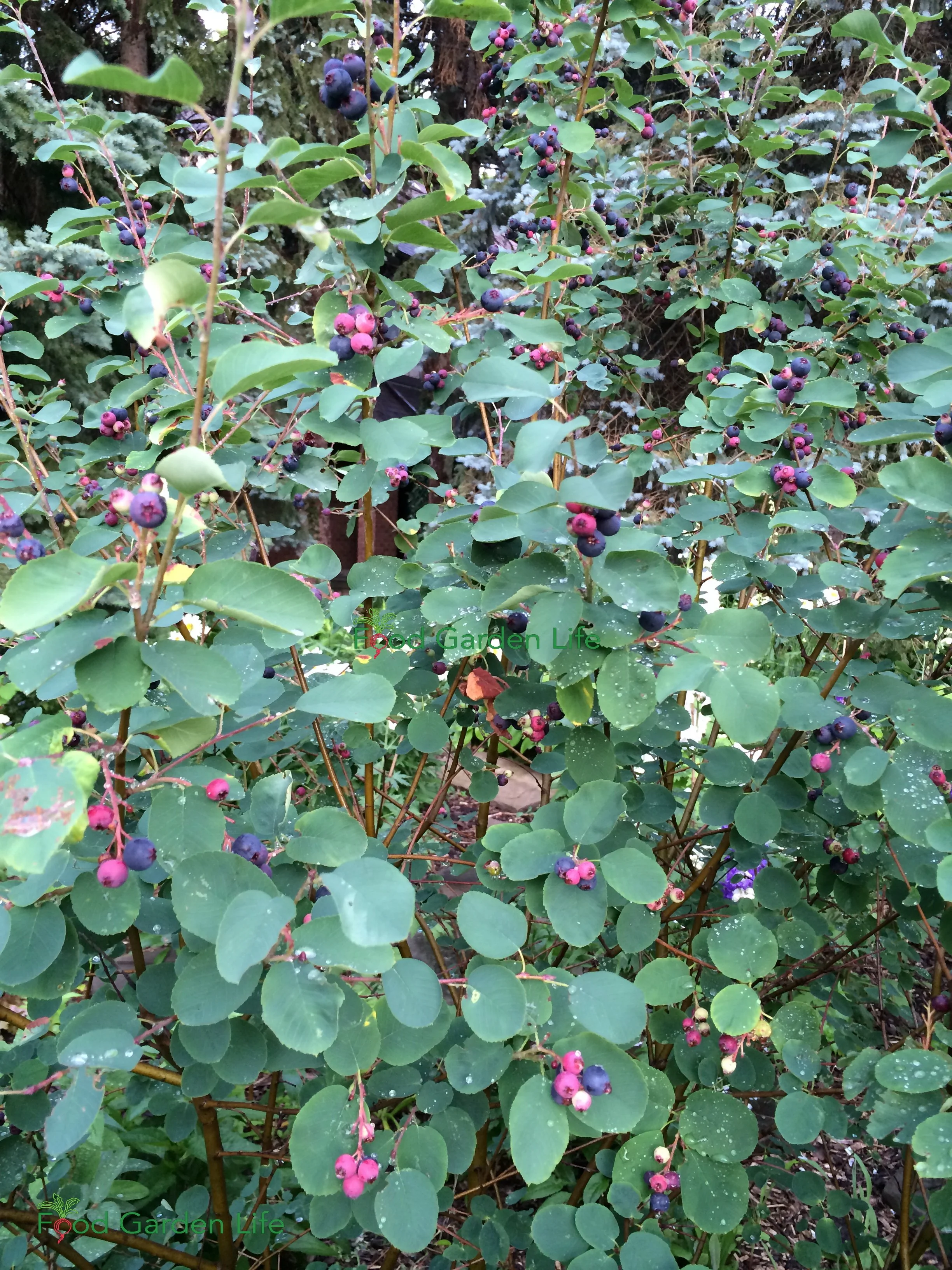
Saskatoon trees, also known as Amelanchier alnifolia, are a popular fruit-bearing shrub native to North America. Their ability to spread depends on several factors, including their reproductive methods and environmental conditions. They primarily propagate through two means: seeds and vegetative cloning.
When conditions are favorable, Saskatoon trees can produce a large quantity of seeds that can be dispersed by wind or animals. These seeds can germinate and establish new plants in suitable habitats. Additionally, Saskatoon trees can spread through clonal propagation, where the roots of the tree can send up new shoots, leading to the development of multiple trunks from a single root system. This allows the plants to cover more area over time.
Natural Seed Dispersal
Natural seed dispersal plays a crucial role in how Saskatoon trees spread across landscapes. The seeds are eaten by birds and other animals, who then transport them to different locations.
- The seeds have a hard coat, which allows them to survive the digestive systems of animals.
- Once excreted, the seeds can germinate in new locations, provided the conditions are suitable.
- This method leads to the creation of new Saskatoon populations far from the parent tree.
Vegetative Propagation
Vegetative propagation is another significant way in which Saskatoon trees spread. This process occurs through the root system of existing plants.
- The roots of a Saskatoon tree can develop new shoots or suckers, which can grow into independent trees.
- This method enables a single tree to form a small grove over time, effectively expanding its presence.
- Vegetative propagation often happens more rapidly than seed-based methods, allowing for quicker colonization of an area.
Environmental Conditions
The spread of Saskatoon trees can also be influenced by various environmental conditions. Factors such as soil quality, moisture levels, and light availability play a significant role in their growth and reproduction.
- These trees prefer well-drained soils and can thrive in a range of pH levels.
- Moisture is critical, especially during their initial growth stages, affecting seed germination rates.
- Sunny locations generally promote better growth, leading to increased flowering and fruiting success.
Control Measures
In certain areas, the spread of Saskatoon trees may need to be managed to prevent them from becoming invasive. This is important for protecting native biodiversity.
- Land managers may implement measures to control their growth, especially in habitats where they could outcompete native species.
- Selective removal of Saskatoon trees may be necessary in specific ecosystems.
- Regular monitoring can help assess their impact on local flora and fauna.
Uses and Importance
Saskatoon trees are not only valued for their ability to spread but also for their ecological and economic importance.
- The berries produced by Saskatoon trees are rich in nutrients and are used in various culinary applications.
- They provide habitat and food for wildlife, contributing to the local ecosystem's health.
- Additionally, they are often used in landscaping due to their attractive flowers and fall colors.
Where is the best place to plant saskatoons?
The best place to plant saskatoons (Amelanchier alnifolia) depends on several factors including climate, soil type, sunlight, and moisture levels. Generally, these adaptable and hardy shrubs thrive in conditions that mimic their native habitat found in North America’s northern regions. Here are some key considerations for site selection:
1. Climate Considerations
Saskatoons grow best in regions with a cold to moderate climate. They are particularly suited for USDA hardiness zones 2 to 7. They require a period of winter chilling to produce fruit effectively.
- Cold Tolerance: The plants can withstand temperatures as low as -40°F (-40°C).
- Growing Season: A longer growing season benefits saskatoons, allowing for better fruit ripening.
- Frost-Free Period: Ensure there is a significant frost-free period to facilitate flowering and fruit development.
2. Soil Type and Quality
Saskatoons prefer well-drained soils that are sandy or loamy, although they can tolerate a range of soil types. Soil fertility affects growth and fruit yield.
See also:
- pH Level: Ideal soil pH is between 5.5 and 7.0.
- Organic Matter: Incorporating organic matter can improve drainage and nutrient availability.
- Drainage: Avoid areas with heavy clay or continuously wet soils to prevent root rot.
3. Sunlight Exposure
Saskatoons thrive in full sun to partial shade. The amount of sunlight directly impacts fruit production and overall plant health.
- Full Sun: Aim for at least 6-8 hours of direct sunlight daily for optimal fruit yield.
- Partial Shade: They can tolerate some shade but may produce fewer fruits.
- Spacing: Ensure adequate spacing between plants to allow for air circulation and light penetration.
4. Moisture Requirements
While saskatoons are drought-tolerant once established, they benefit from consistent moisture during their first few years of growth.
- Watering System: Implement a drip irrigation system to provide consistent moisture without waterlogging.
- Mulching: Use organic mulch to retain soil moisture and regulate temperature.
- Monitoring: Regularly monitor soil moisture, especially during dry spells.
5. Pest and Disease Management
Selecting a location also involves considering the potential for pest and disease issues that can affect saskatoons.
- Pest Control: Use integrated pest management practices to minimize pests such as aphids and fruit flies.
- Disease Resistance: Choose resistant varieties if available to combat common diseases like powdery mildew.
- Companion Planting: Consider companion plants that can deter pests and improve overall plant health.
Which berries are invasive?
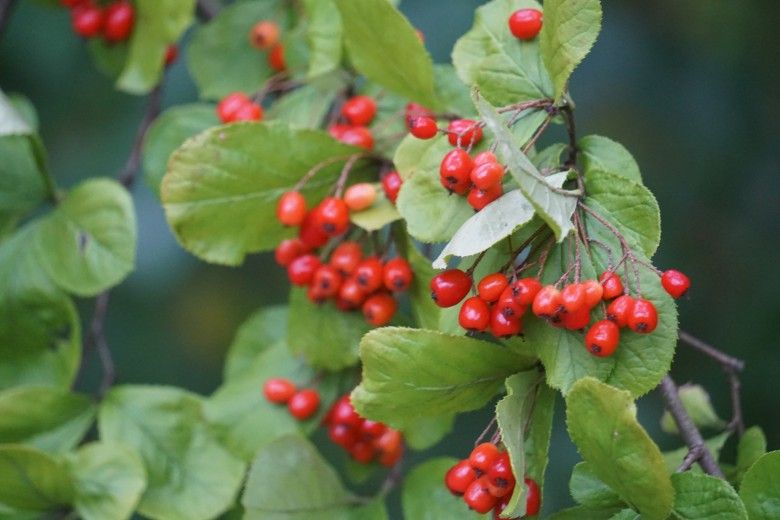
The topic of invasive berries is significant as many species can disrupt local ecosystems and outcompete native plants. Here are some of the most notorious invasive berries:
Common Invasive Berry Species
Many invasive berry species have been identified across various regions. These species tend to spread rapidly, often leading to ecological imbalances. Some of the most common invasive berries include:
- Japanese Barberry - This berry produces small, red berries and is known for thriving in disturbed areas.
- English Holly - While primarily known for its decorative use, its berry production can influence local bird populations.
- Amur Honeysuckle - This invasive species produces bright red berries that are popular with birds, facilitating its spread.
Impacts on Native Flora
Invasive berries can have profound effects on native flora, leading to a decline in biodiversity. These impacts can manifest in several ways:
- Competition for Resources - Invasive berries often outcompete native plants for sunlight, water, and nutrients.
- Disruption of Local Ecosystems - The dominance of invasive species can alter the habitat, affecting animals that rely on native plants.
- Alteration of Soil Composition - Some invasive berries can change the nutrient content of the soil, making it less hospitable for native species.
Spread and Propagation Methods
Invasive berries have various methods of spread that contribute to their success in new environments. Understanding these methods can help in controlling their populations:
- Bird Dispersal - Many invasive berries produce attractive fruit, which birds eat and subsequently spread through their droppings.
- Vegetative Reproduction - Some species can propagate vegetatively, allowing them to form dense thickets without seeds.
- Human Activities - Gardening and landscaping practices often inadvertently introduce these species into new areas.
Identification of Invasive Berries
Recognizing invasive berries is crucial for management and control efforts. Key identification features often include:
- Berry Color and Size - Many invasive berries are brightly colored and vary in size, making them stand out.
- Growth Habit - Invasive berry plants typically grow rapidly and can form dense thickets, choking out native vegetation.
- Leaf Characteristics - Leaf shape, size, and arrangement can help distinguish invasive species from native ones.
Control Measures for Invasive Berries
Effective control measures are essential in managing invasive berry species. Various strategies include:
- Manual Removal - Physical removal of the plants can be effective, especially before they produce berries.
- Herbicides - Targeted use of herbicides can help prevent the spread of invasive species, but should be applied with caution.
- Public Awareness Campaigns - Educating the public about invasive species can help in prevention and early detection efforts.
Questions from Our Readers
Are saskatoon berries invasive species?
Saskatoon berries, also known as Amelanchier alnifolia, are not considered invasive species. They are native to North America and play an important role in local ecosystems. While they can spread and establish in various environments, they do not typically outcompete local flora or disrupt habitats.
How do saskatoon berries spread?
Saskatoon berries can spread through seeds that are dispersed by birds and other wildlife, as well as through root suckers that develop from the parent plant. This ability to propagate can lead to the formation of large colonies, but it generally does not impact other plant species negatively.
Can saskatoon berries be planted in gardens?
Yes, saskatoon berries can be successfully planted in gardens as they are not invasive and can enhance biodiversity. They are also valued for their edible fruit and provide food for both humans and local wildlife, making them a beneficial addition to any garden landscape.
See also:
What are the benefits of growing saskatoon berries?
Growing saskatoon berries offers numerous benefits, including nutritious fruit, support for local ecosystems, and minimal maintenance requirements. Their low-water needs and resilience make them an excellent choice for sustainable gardening, while their berries are rich in vitamins and antioxidants.
If you want to read more articles like Are Saskatoon Berries Invasive? Understanding Their Impact on Local Ecosystems, we recommend you check out our Berries category.
Leave a Reply
Related Articles