How to Fix Leggy Starts? Essential Tips for Healthy Seedlings

Leggy seedlings can be a frustrating challenge for gardeners, as they often indicate underlying issues in the growing environment. These elongated, weak plants struggle to thrive and can lead to poor yields later in the season. Understanding the causes of leggy starts is crucial for nurturing robust seedlings. In this article, we will explore essential tips and strategies to prevent and remedy leggy growth, ensuring your plants remain strong and healthy. From adjusting light conditions to optimizing watering practices, these actionable insights will help you cultivate thriving seedlings ready for a successful garden.
How to Fix Leggy Starts?
To fix leggy starts, which are characterized by elongated stems and sparse foliage in seedlings, it is essential to ensure that your plants receive adequate light. Insufficient light is the primary reason why seedlings become leggy as they stretch towards the light source. To address this issue, consider using grow lights that provide the appropriate spectrum and intensity for plant growth, positioning them close to the seedlings while ensuring they do not get too hot. Additionally, ensure proper watering and feeding practices, as healthy plants are less prone to legginess. Monitoring environmental conditions such as temperature and humidity can also contribute to strong, compact growth.
Importance of Adequate Light
Providing sufficient light is crucial for preventing leggy starts in seedlings. Seedlings require approximately 12-16 hours of bright, direct light each day to grow robustly. If natural sunlight is not enough, consider investing in LED or fluorescent grow lights that can mimic the sunlight spectrum. Placing the lights a few inches above the seedlings will minimize leggy growth, as the plants will receive adequate illumination to support strong stem and leaf development.
Optimal Watering Techniques
Proper watering is vital to maintain healthy seedlings and mitigate leggy starts. Seedlings should be watered consistently, allowing the top inch of soil to dry out between watering sessions to avoid both overwatering and underwatering. Overly wet conditions can lead to root rot, while dry conditions can stress the plants, causing them to stretch for light. A balance in using a watering method that ensures moisture retention without saturation can help promote sturdier seedlings.
Fertilization for Strong Growth
Utilizing the right type of fertilizer can greatly enhance the health of seedlings and help in preventing leggy growth. A diluted, balanced fertilizer can provide essential nutrients that stimulate robust growth. However, excessive fertilization can lead to rapid but weak growth, exacerbating the leggy issue. Thus, following a fertilization schedule based on the specific needs of the seedlings while monitoring their response is essential for ensuring strong and healthy plants.
Environmental Conditions
Maintaining the ideal environmental conditions is key to preventing leggy starts in seedlings. Factors such as temperature, humidity, and air circulation play a significant role in plant health. The ideal temperature for most seedlings ranges between 65°F and 75°F (18°C to 24°C) during the day, while slightly cooler night temperatures can promote growth. Additionally, ensuring adequate air circulation can prevent the development of mold and mildew, which can weaken the seedlings.
Transplanting Techniques
If seedlings are struggling with legginess, appropriate transplanting techniques can help encourage healthier growth. When transplanting, ensure to bury the stems of the leggy seedlings deeper in the soil, as this can promote additional root growth and stability. This method allows the plant to develop a stronger base, reducing the risk of further legginess. After transplanting, providing extra light and a supportive environment will help the seedlings acclimatize and thrive.
| Factor | Recommendation |
|---|---|
| Light | 12-16 hours of bright light daily |
| Watering | Allow top inch to dry between watering |
| Fertilization | Dilute balanced fertilizer as needed |
| Temperature | Maintaining between 65°F and 75°F |
| Transplanting | Bury leggy stems deeper in soil |
Can leggy seedlings recover?
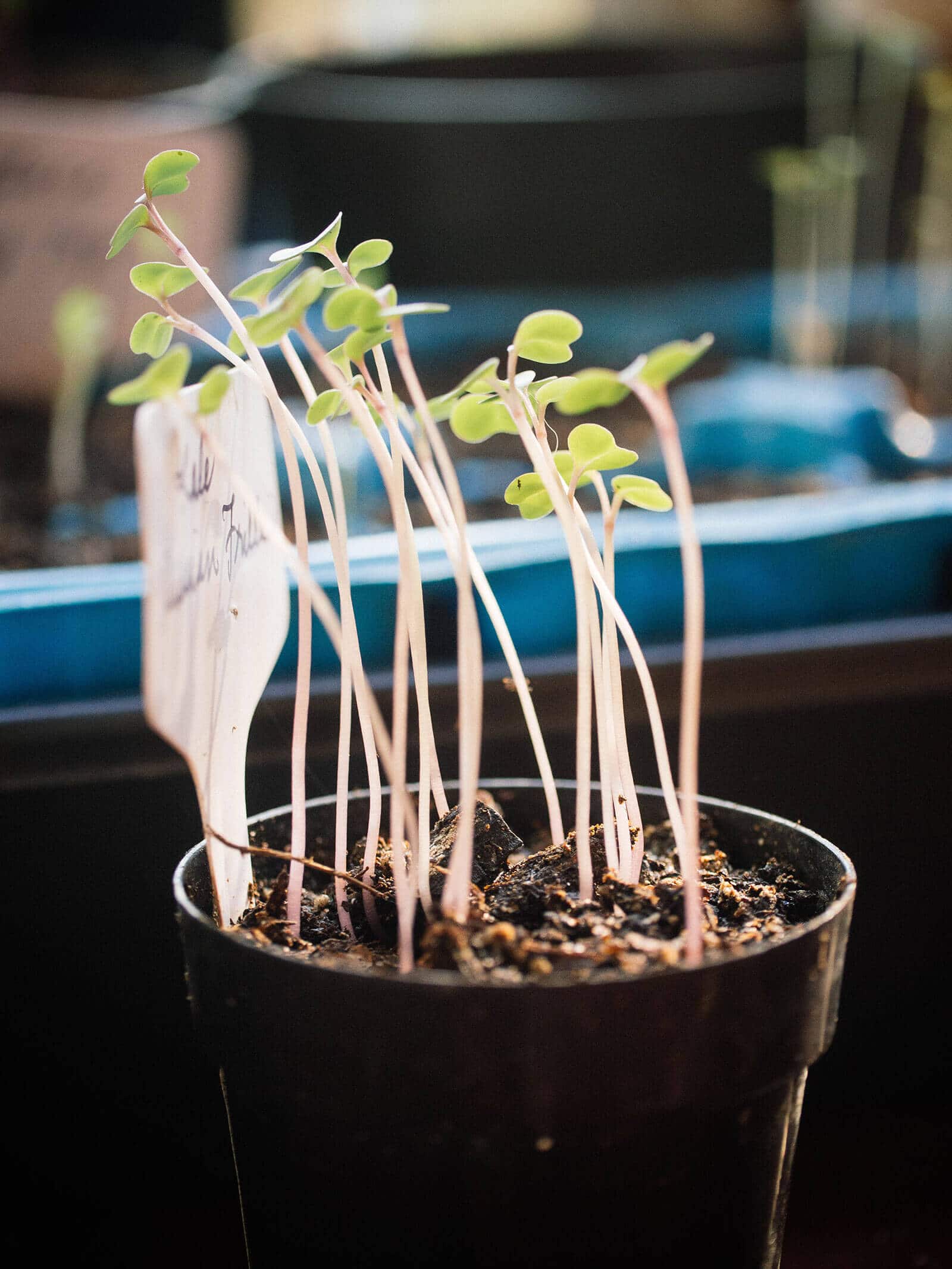
Leggy seedlings refer to young plants that grow tall and spindly due to inadequate light exposure. This condition can be concerning for gardeners, but the good news is that leggy seedlings can often recover with the right care and adjustments. There are ways to help them strengthen and develop more robust growth.
Understanding Leggy Seedlings
Leggy seedlings occur when a plant stretches towards a light source, causing it to become elongated and weak. This typically happens when seedlings are grown indoors with insufficient lighting. The lack of light induces the plant to grow taller in an attempt to reach light, compromising its overall health.
- Inadequate Light: The primary reason for legginess.
- Genetics: Some plant species are more prone to leggy growth.
- Temperature: High temperatures can also lead to faster growth without strong stems.
Improving Light Conditions
To help leggy seedlings recover, it's essential to enhance their light conditions. Providing adequate light encourages the seedlings to become sturdier. Options include using grow lights, placing them closer to natural sunlight, or even rotating them for even light exposure.
- Utilize Grow Lights: Full-spectrum LEDs can provide the necessary light spectrum for proper growth.
- Move Seedlings Outdoors: Gradually harden them off by moving them outdoors in suitable conditions.
- Change Location: Position them in a brighter area of your home if growing indoors.
Pruning Leggy Seedlings
Pruning can help leggy seedlings recover by encouraging bushy growth. Removing the top portion of the stem stimulates lateral buds to grow, which results in a more robust plant structure.
- Cut Above Nodes: Prune above a node to promote new growth.
- Be Gentle: Avoid damaging surrounding leaves and stems while pruning.
- Wait for Recovery: Allow time for new growth to emerge after pruning.
Re-potting for Stability
If the seedlings are extremely leggy, re-potting them can help provide necessary support. By burying the stem deeper in the soil, you encourage stronger root development while stabilizing the plant.
- Choose the Right Soil: Use well-draining soil suitable for young plants.
- Depth Matters: Plant deeper to bury part of the stem.
- Water Thoroughly: Ensure the new soil is moist after re-potting.
Monitoring Growth After Adjustments
After implementing changes, it's crucial to monitor the growth of leggy seedlings. Observing their response to improvements in light and care can inform further actions needed for health recovery.
- Keep a Growth Journal: Document changes to monitor growth progress.
- Watch for New Leaves: New, healthy leaves are a sign of recovery.
- Assess Stability: Ensure seedlings are no longer falling over or appearing weak.
Can I bury leggy seedlings deeper?


Yes, you can bury leggy seedlings deeper than their original planting depth. This is actually a common practice and can help the seedlings establish a stronger root system. When seedlings become leggy, it usually means they are stretching for more light, resulting in weak, thin stems. By planting them deeper, you can promote additional root growth and improve their stability, which can ultimately lead to healthier plants.
Understanding Leggy Seedlings
Leggy seedlings are characterized by their tall, spindly appearance, caused by insufficient light. This condition often leads to weak stems that can easily break or flop over. Factors contributing to leggy growth include:
- Insufficient Light: Lack of proper light causes seedlings to reach upwards.
- Poor Air Circulation: Crowded conditions can lead to leggy growth.
- Inconsistent Watering: Over or under-watering can stress seedlings.
Benefits of Burying Leggy Seedlings
Burying leggy seedlings can provide several advantages, particularly focusing on root development and plant health. The benefits include:
- Enhanced Stability: Deeper planting can create a stronger base for the seedlings.
- Improved Root Development: More buried stem promotes growth of additional roots.
- Increased Nutrient Absorption: Better root systems absorb nutrients more efficiently.
How to Bury Leggy Seedlings
When burying leggy seedlings, it's essential to follow specific steps to ensure their success. The process usually includes:
- Remove from Container: Carefully take seedlings out, minimizing root disturbance.
- Trim Leaves if Necessary: If the seedlings are very tall, trimming excess leaves can help.
- Replant in a Deeper Hole: Create a hole deep enough to cover the leggy stem, leaving just the top leaves above soil.
When Not to Bury Leggy Seedlings
While burying leggy seedlings often benefits their growth, there are situations where it may not be advisable. Consider the following:
- Severe Weakness: If the seedlings are too weak or wilting, burying won’t help.
- Rotting Risk: Burying the stem can lead to moisture retention and fungal diseases.
- Unsuitable Soil Conditions: Ensure the planting medium is well-draining to avoid root rot.
Alternatives to Burying Leggy Seedlings
If you choose not to bury leggy seedlings, there are other methods to correct their growth. Some alternatives include:
- Provide More Light: Move seedlings to a location with better lighting.
- Use Support Structures: Stakes or small supports can help keep them upright.
- Adjust Watering Practices: Ensure seedlings receive balanced watering, neither too much nor too little.
Can leggy tomato seedlings be saved?

Leggy tomato seedlings, typically characterized by their long stems and sparse leaves, arise from insufficient light, making them unable to support themselves properly. Fortunately, these seedlings can be saved through various methods, allowing you to encourage stronger and healthier growth. Here are a few effective strategies:
1. Provide Adequate Lighting: Move your seedlings closer to a light source or invest in grow lights to ensure they receive enough light. Aim for 12 to 16 hours of light each day.
2. Repotting: Transplant the leggy seedlings deeper into the soil, so the stems are buried, which encourages the development of more roots.
3. Strengthening Stems: Use gentle air movement from a fan to simulate outdoor conditions; this will help strengthen the stems.
4. Proper Nutrients: Once the seedlings have rooted properly, provide them with a balanced fertilizer to encourage robust growth.
5. Regular Monitoring: Watch for signs of improvement in your seedlings, such as thicker stems and more leaves, to judge the success of your interventions.
Can Leggy Seedlings Be Saved by Repotting?
Repotting leggy seedlings is one of the most effective methods to save them. This process allows you to bury the long stems, which can stimulate root growth along the buried part of the stem. When repotting, consider these steps:
- Choose a larger pot: This gives the roots more room to grow.
- Use quality potting soil: A well-draining mix will promote healthy root development.
- Carefully bury the stem: Leave only the top leaves above the soil.
How to Improve Light Conditions for Seedlings?
Insufficient light is a common cause of leggy tomato seedlings. To enhance lighting conditions, you can use fluorescent or LED grow lights:
See also:
- Position lights correctly: Keep grow lights 2 to 4 inches above the seedlings.
- Adjust light duration: Ensure seedlings receive 12 to 16 hours of light daily.
- Rotate seedlings: Move them periodically to expose all sides to light.
The Role of Airflow in Strengthening Seedlings
Air circulation can significantly benefit leggy seedlings by mimicking natural outdoor breezes. This can lead to stronger stem development:
- Use a small fan: Place it nearby for gentle airflow.
- Monitor moisture levels: Ensure the soil does not dry out excessively due to airflow.
- Observe changes: Look for thicker stems and healthier foliage over time.
How to Introduce Nutrients for Healthier Growth?
Once the seedlings are properly rooted, introducing nutrients can further promote their growth. Nutritional support helps strengthen plants:
- Use balanced fertilizer: Opt for one that is high in nitrogen to encourage leaf growth.
- Follow dosage recommendations: Excessive fertilization can harm seedlings.
- Feed regularly: Every 2-4 weeks is ideal for optimal growth.
Signs of Improvement for Leggy Seedlings
Monitoring leggy seedlings after implementing changes is crucial to assess their recovery. Look for these signs of improvement:
- Thicker stems: A sign of increased strength and stability.
- New leaf growth: Indicates that the plant is recovering.
- Improved overall vigor: A sign that the seedlings are on the path to health.
Can stretched seedlings be saved?
Certainly!
Can Stretched Seedlings Be Saved?
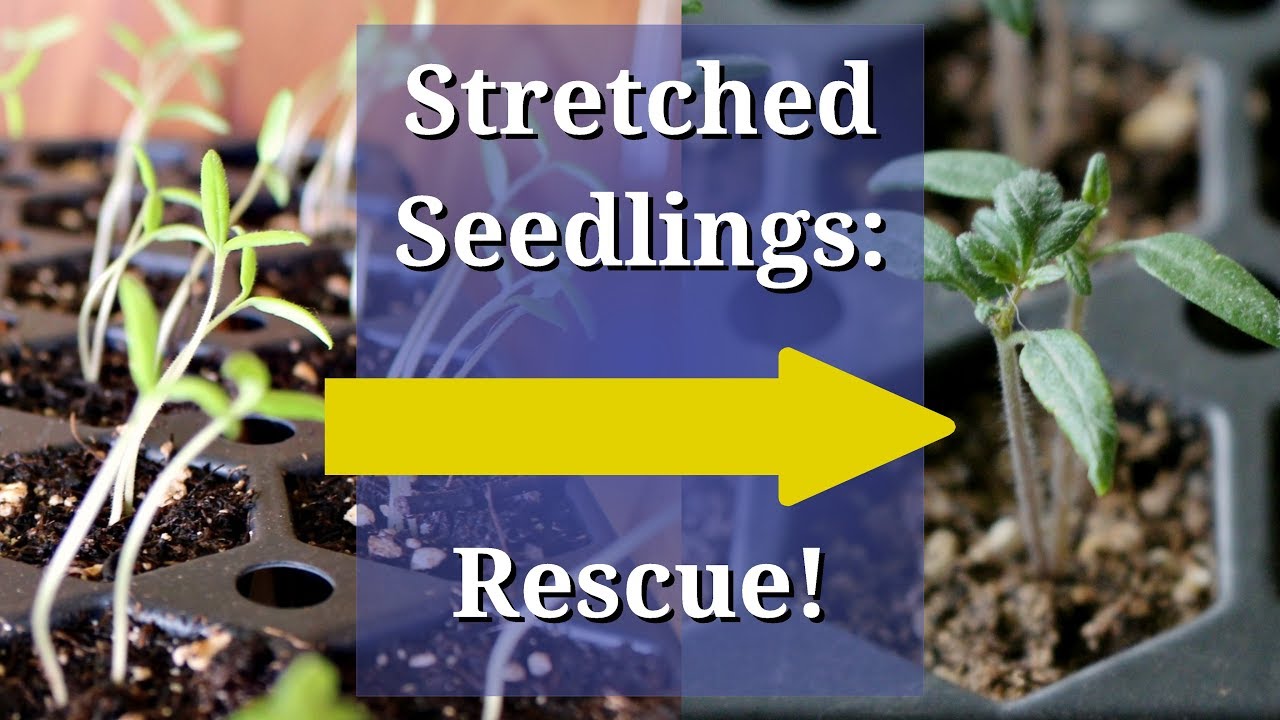
Yes, stretched seedlings, often referred to as etiolated seedlings, can indeed be saved. This condition typically occurs when seedlings do not receive enough light, causing them to grow tall and thin in search of more light. The good news is that with proper care and attention, these seedlings can often recover and thrive. The recovery process involves providing adequate light, adjusting their growing environment, and possibly transplanting them into a more supportive medium.
Understanding Etiolation
Etiolation is a physiological process that occurs in plants exposed to insufficient light. In this state, seedlings exhibit elongated stems and small, pale leaves. The plant's energy is directed towards vertical growth rather than leaf and root development.
- Causes of Etiolation: The primary cause is insufficient light during the early growth stages.
- Symptoms: Taller, weaker stems; smaller leaves; and pale coloration are telltale signs.
- Other Factors: Overcrowding and poor air circulation can also exacerbate the issue.
Providing Adequate Light
To save stretched seedlings, adequate lighting is crucial. Investing in better light sources or adjusting the current setup can dramatically improve the health of your seedlings.
- Natural Light: Place seedlings in a location with ample sunlight, ideally near south-facing windows.
- Grow Lights: If natural light is inadequate, consider using fluorescent or LED grow lights positioned close to the seedlings.
- Duration: Aim for 12-16 hours of light per day to promote healthy growth.
Transplanting Stretched Seedlings
Transplanting stretched seedlings can provide them with a better chance of recovery. This method allows you to bury part of the elongated stem, which can help stabilize the plant.
- Choosing the Right Soil: Use quality potting soil that provides good drainage and nutrient content.
- Burying the Stem: When transplanting, bury the seedling deeper than its current level, up to the first set of leaves.
- Watering: Water the seedlings well after transplanting to help them settle into their new environment.
Supporting Seedling Growth
After addressing the light conditions and transplanting, providing adequate support for the seedlings will ensure they continue to grow robustly.
- Nutrition: Use a diluted, balanced fertilizer to provide essential nutrients for growth.
- Air Flow: Ensure good air circulation to prevent mold and other diseases that can hinder growth.
- Temperature: Maintain the appropriate temperature for the specific type of plant to promote healthy development.
Monitoring and Adjusting Care
Regularly monitoring the conditions of your seedlings is vital to their long-term success. Adjustments may need to be made based on their growth and health.
- Regular Checkups: Observe seedlings for signs of improvement or further stress, such as discoloration or wilting.
- Adjustments: Modify lighting, watering, and feeding frequencies based on the seedlings' responses.
- Gradual Hardening Off: As seedlings grow stronger, gradually acclimate them to outdoor conditions before planting them outside.
Questions from Our Readers
What causes leggy starts in plants?
Leggy starts are primarily caused by insufficient light. When plants do not receive adequate sunlight, they tend to grow taller and stretch towards the light source, resulting in elongated stems and sparse leaves. To prevent this, ensure your plants are placed in a location with bright, indirect light.
How can I prevent my seedlings from becoming leggy?
To prevent seedlings from becoming leggy, provide them with adequate light early in their growth stage. Using grow lights or placing seedlings near a south-facing window can help. Additionally, consider rotating the seedlings regularly to ensure even light exposure, which promotes a more compact growth.
Can I fix leggy starts once they have occurred?
Yes, leggy starts can be fixed by replanting them deeper in the soil, as many plants can develop roots along their stems. This helps stabilize the plant and encourages healthier growth. Additionally, increase their exposure to light to prevent further legginess.
See also:
What type of light is best for preventing leggy starts?
The best type of light for preventing leggy starts is full-spectrum grow lights, which simulate natural sunlight. These lights provide the necessary wavelengths that promote healthy photosynthesis and help maintain compact growth in seedlings. Aim for 12-16 hours of light daily for optimal results.

If you want to read more articles like How to Fix Leggy Starts? Essential Tips for Healthy Seedlings, we recommend you check out our Seeds category.
Leave a Reply