The Ultimate Guide: When to Scatter Seed Balls for Maximum Growth

In the quest for a thriving garden, timing is everything, especially when it comes to scattering seed balls. These innovative plant germination tools not only simplify the planting process but also enhance the chances of successful growth. However, understanding the optimal timing for scattering seed balls can significantly influence the outcomes of your gardening efforts. This ultimate guide will explore the best seasons, weather conditions, and soil types for distributing seed balls, ensuring that your plants receive the best possible start. Whether you are a seasoned gardener or a novice, this article will provide valuable insights for maximizing growth and sustainability.
When to Scatter Seed Balls?
The ideal time to scatter seed balls largely depends on the specific climate and the type of plants you're aiming to grow. Generally, the best time for scattering seed balls is during the spring or early autumn when temperatures are more moderate and there is adequate moisture in the soil. Spring allows seeds to germinate when the weather warms up, while early autumn provides a cool environment for them to sprout before winter. Observing local weather patterns and ensuring the soil is adequately prepared are crucial steps to increasing your chances of a successful germination.
Understanding Seasonal Changes
Seasonal changes significantly influence the effectiveness of seed ball dispersal. During spring, nature awakens, and soil temperatures rise, making it conducive for seeds to germinate. Early morning or late afternoon is often the best time to scatter seed balls, as this allows them to integrate into the soil without the harshness of the midday sun. In contrast, autumn scattering can be beneficial for certain species that require a cool stratification period before germinating in the following spring.
Climate Considerations
Different climates dictate when to scatter seed balls effectively. In temperate zones, spring and early autumn are optimal due to moderate temperatures and increased moisture. However, in arid climates, late summer may be preferable as it coincides with the onset of fall rains, which can provide the necessary moisture for the seed balls to thrive. Conversely, in tropical climates, scattering can often occur year-round, provided there are periods of sufficient rainfall to aid in germination.
Soil Moisture Levels
Soil moisture plays a critical role in the success of seed ball scattering. Before scattering, it's important to assess the moisture content of the soil; it should be damp but not waterlogged. Too much moisture can lead to seed rot, while too little can prevent germination altogether. Timing scattering with rainfall or soil moisture levels is essential, as this ensures that seed balls have the best chance of establishing healthy plants.
Specific Plant Requirements
Different seeds have varying requirements for germination, which also affects the timing for scattering seed balls. Some native wildflowers and grasses prefer to be sown in the spring, while others benefit from an autumn scattering. It's crucial to research the specific germination needs of the seeds being used to determine the most effective time for scattering. This practice can maximize the growth potential and ensure biodiversity in the area.
Local Ecosystem Factors
Understanding local ecosystem factors is vital when deciding when to scatter seed balls. Certain plants may attract specific pollinators, and the presence of these creatures can fluctuate with seasonal changes. Observing local wildlife and their interactions with native plants will help identify the most suitable timing for scattering seed balls to ensure that they align with the natural ecosystem cycles, enhancing the chances of successful plant establishment.
| Factor | Spring | Autumn | Soil Moisture |
|---|---|---|---|
| Temperature | Rising | Cooling | Moderate |
| Germination Rate | High for many species | Effective for cool-season crops | Critical for success |
| Wildlife Activity | Increasing | Declining | Varies with season |
What is the success rate of seed balls?
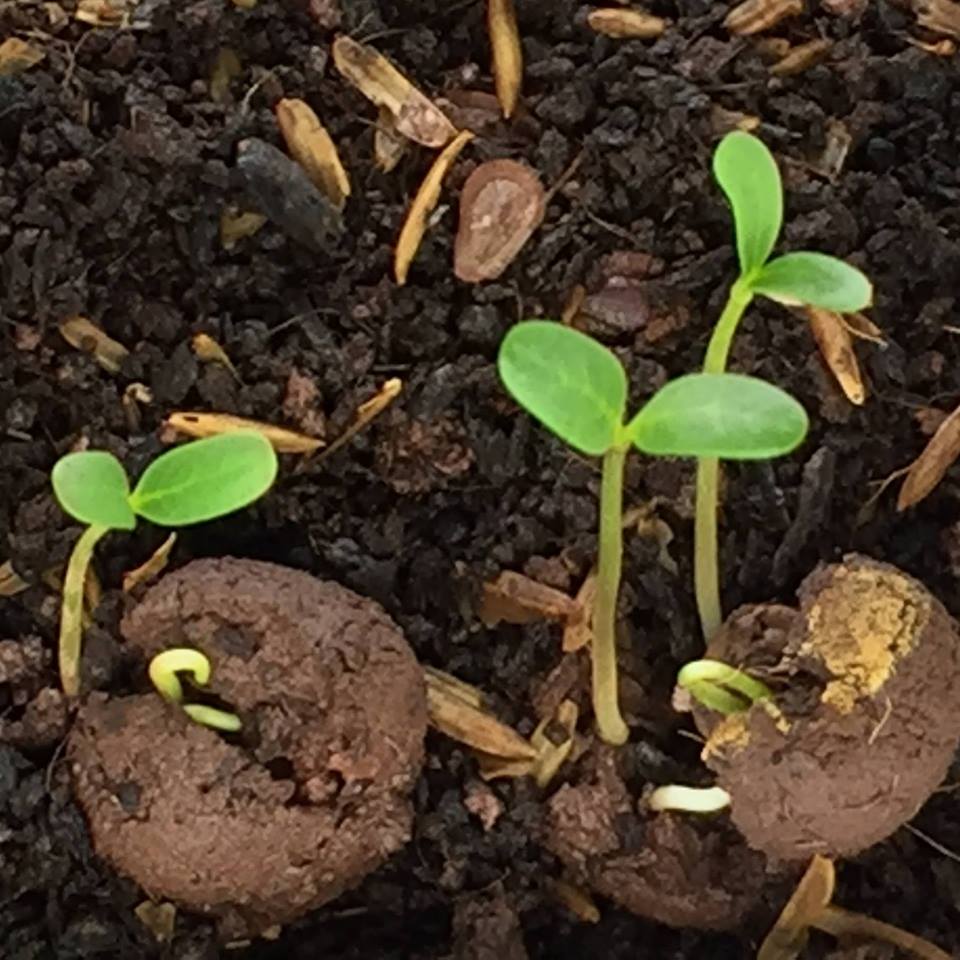
The success rate of seed balls can vary significantly depending on several factors, including the type of seeds used, the environment in which they are planted, and the techniques employed in the creation and application of the seed balls. Generally, studies suggest that the success rate can range from 30% to 80% under optimal conditions. These conditions include factors like soil quality, climate, moisture availability, and pest management.
Factors Affecting Success Rate
The success rate of seed balls is influenced by multiple elements:
- Seed Type: Different plant species have varying germination rates and growth requirements.
- Environmental Conditions: Weather patterns, soil pH, and moisture levels play a crucial role in seed ball success.
- Soil Quality: Nutrient-rich soil can enhance germination and growth, while poor soil may hinder it.
Benefits of Seed Balls
Seed balls offer numerous benefits that can contribute to their success rates:
- Protection: They can provide physical protection to seeds from pests and harsh weather.
- Ease of Use: Seed balls can be easily dispersed over large areas without the need for extensive planting techniques.
- Natural Fertilization: The clay and compost in seed balls can enhance soil quality and fertility.
Common Uses of Seed Balls
Seed balls can be utilized in various applications, which can also affect their success:
See also:
- Reforestation: They are often used in reforestation projects to restore natural habitats.
- Urban Gardening: Seed balls can be implemented in urban settings to beautify vacant lots.
- Conservation: They are used in wildlife conservation efforts to promote biodiversity.
Challenges in Seed Ball Implementation
Despite their benefits, there are challenges that can impact the effectiveness of seed balls:
- Inconsistent Germination: Not all seeds may germinate, leading to reduced overall effectiveness.
- Environmental Factors: Extreme weather conditions can limit seed survival rates.
- Pest Infestation: While seed balls offer some protection, they are not entirely immune to pests.
Future of Seed Balls in Agriculture
The future of seed balls in agriculture looks promising due to ongoing research and innovation:
- Biotechnology: Advances in seed engineering may improve germination rates and resilience.
- Sustainable Practices: Increasing awareness of eco-friendly practices may boost their adoption.
- Community Involvement: Engaging local communities can enhance the success of seed ball initiatives.
When to use seed balls?

Seed balls are a method of planting that involves encapsulating seeds in a mixture of clay, compost, and sometimes additional nutrients, forming small balls that can be easily dispersed in the environment. Understanding when to use seed balls can significantly enhance your gardening or ecological restoration efforts.
Best Seasons for Planting Seed Balls
The optimal time to plant seed balls largely depends on the type of plants you're aiming to grow. Most gardeners prefer to use seed balls during the spring or early fall. This timing leverages favorable weather conditions for seed germination.
- Spring Planting: Typically, this is ideal for summer flowering annuals, vegetables, and herbs. As the temperatures rise and the soil warms, germination rates increase.
- Fall Planting: This can be advantageous for winter cover crops and perennials. The chill in the air and soil can promote a natural stratification process, allowing seeds to germinate in spring.
- Climate Considerations: Always consider your local climate. In some regions, rainy seasons may also provide ideal conditions for sowing seed balls.
Types of Seeds Suitable for Seed Balls
Not all seeds are suitable for seed balls, so it's crucial to choose the right type. Hardy and native species tend to perform best when used in seed ball form.
- Native Plants: These seeds are adapted to local conditions and are more likely to thrive. They also support local ecosystems.
- Annuals: Fast-growing annual plants, such as sunflowers or zinnias, can be effectively grown using seed balls.
- Grass Seeds: These are particularly useful for creating natural lawns or meadows, helping in soil stabilization.
Environmental Conditions for Using Seed Balls
The success of seed balls is also highly dependent on various environmental conditions. Understanding these factors can lead to better planting outcomes.
- Soil Conditions: Well-drained soil with adequate organic matter is preferable for seed ball effectiveness.
- Moisture Levels: Adequate moisture is essential for germination. Consider planting after a good rainfall.
- Sunlight: Many seed balls require full sun to thrive, though some shade-tolerant varieties can also be included.
Techniques for Dispersing Seed Balls
The method of dispersing seed balls is as significant as the timing of their use. Various techniques can ensure that seed balls are located in optimal areas for growth.
- Hand Distribution: This method allows for targeted planting, ensuring seed balls are placed in areas with favorable conditions.
- Broadcasting: This involves tossing the seed balls over a wide area, great for large landscapes or meadows.
- Soil Preparation: Prior to dispersal, lightly tilling the soil can improve seed-to-soil contact, increasing germination rates.
Benefits of Using Seed Balls
Utilizing seed balls offers several advantages that make them an appealing option for gardeners and environmentalists alike.
- Protection: The clay coating protects the seeds from birds, insects, and harsh environmental conditions.
- Soil Enrichment: As the seed balls break down, they improve soil structure and nutrient availability.
- Ease of Use: Seed balls simplify the planting process, making it easy for novices and experienced gardeners alike to scatter seeds effectively.
Will seeds grow if you scatter them?

Seeds can grow if you scatter them, but several factors determine the success of germination and growth. When seeds are scattered, they rely on environmental conditions to provide the necessary elements for germination, such as moisture, temperature, and light. Here are some considerations regarding whether scattered seeds will grow:
1. Soil Quality: If the soil is rich in nutrients and has good drainage, scattered seeds are more likely to germinate and thrive.
See also:
2. Moisture Levels: Seeds need adequate moisture to initiate germination. If the soil is too dry, seeds may not sprout.
3. Seed Type: Different seeds have varying requirements for germination. Some may need specific conditions that may not be met when simply scattered.
4. Competition: Scattered seeds may face competition from existing plants, which can affect their ability to grow successfully.
5. Dispersal Mechanism: Seeds that have evolved to be naturally dispersed (e.g., by wind or animals) may have a higher chance of growing when scattered.
Environmental Conditions
The environmental conditions surrounding the scattered seeds play a critical role in their potential to germinate and grow. Factors such as weather, soil type, and available sunlight greatly affect the seed's ability to take root.
- Temperature: Each seed type has an optimal temperature range for germination.
- Humidity: High humidity can support the germination process, while low humidity may hinder growth.
- Season: Planting at the right time of the year is crucial for seed survival.
Seed Dormancy
Certain seeds exhibit a state of dormancy that prevents them from germinating immediately, regardless of the conditions. This adaptation allows seeds to wait until favorable conditions arise.
- Physical dormancy: Some seeds have hard coatings that need to be broken down.
- Physiological dormancy: The seed might require specific cues from the environment to break dormancy.
- Temporal dormancy: Some seeds will only germinate after a certain period, ensuring survival through seasons.
Soil Preparation
Soil preparation is essential for the successful growth of scattered seeds. Poorly prepared soil can prevent seeds from establishing roots and taking in nutrients effectively.
- Tilling: Breaking up the soil can facilitate better seed-to-soil contact.
- Nutrient enrichment: Adding compost or fertilizer can provide the necessary nutrients for growth.
- Weeding: Removing existing vegetation reduces competition for resources.
Seed Distribution
The manner in which seeds are distributed can also impact their growth potential. Uniform distribution is key to ensuring that new plants have enough resources to thrive.
- Scattering technique: Random scattering may lead to clumping, which increases competition.
- Spacing: Adequate spacing between scattered seeds allows for optimal growth.
- Depth of placement: Some seeds need to be buried at specific depths to germinate successfully.
Biological Factors
Several biological factors influence the growth of scattered seeds, including their genetic traits and interactions with other organisms.
- Seed viability: Only healthy, viable seeds will germinate.
- Presence of pollinators: For flowering plants, pollination is crucial for reproduction.
- Soil organisms: Beneficial microbes and earthworms can enhance soil quality and seed growth.
Questions from Our Readers
When is the best time to scatter seed balls?
The best time to scatter seed balls is typically in the spring or fall, depending on the climate and the type of seeds being used. Scattering during these seasons allows for optimal germination conditions and helps ensure that the seeds can take root before extreme weather conditions arise.
Can I scatter seed balls in winter?
Scattering seed balls in winter is generally not recommended, as the cold temperatures can hinder seed germination. However, in certain milder climates, some seeds can still establish themselves if conditions are right, so it's essential to consider the specific needs of the seeds being used.
Should I scatter seed balls before or after rainfall?

How often should I scatter seed balls?

If you want to read more articles like The Ultimate Guide: When to Scatter Seed Balls for Maximum Growth, we recommend you check out our Seeds category.
Leave a Reply