Do Saskatoons Like Full Sun? Discover Optimal Growing Conditions for Saskatoon Berries

Saskatoon berries, native to North America, have gained popularity for their sweet flavor and numerous health benefits. However, to achieve a bountiful harvest, understanding their optimal growing conditions is crucial. A common question among gardeners is whether these hardy plants thrive in full sun. This article will explore the ideal sunlight requirements for Saskatoon berries, alongside other environmental factors that contribute to their growth. By uncovering the best practices for cultivating these delightful fruits, even novice gardeners can enjoy a successful harvest of Saskatoon berries in their gardens. Join us as we delve into the secrets of nurturing this exceptional plant.
Do Saskatoons Prefer Full Sun?
Saskatoons, or Amelanchier alnifolia, thrive best in full sun environments. Ideally, these fruit-bearing plants require at least six to eight hours of direct sunlight each day to produce a bountiful harvest. The exposure to sunlight not only enhances flowering and fruiting but also improves the overall health of the plant. In shaded conditions, saskatoons may become stressed, leading to diminished fruit set and increased susceptibility to diseases. Therefore, ensuring they are planted in sunny locations is crucial for optimal growth and productivity.
Sunlight Requirements for Saskatoons
Saskatoons grow most efficiently under full sun conditions, which typically means receiving around six to eight hours of direct sunlight each day. Insufficient sunlight can adversely impact their growth and fruit yield, resulting in less vigorous plants that may struggle to produce. For maximum vitality, it is recommended to position these plants in areas where they receive ample morning sun, which is essential for their development and fruit production.
Impact of Shade on Saskatoons
When saskatoons are subjected to excessive shade, their growth can become stunted, leading to fewer flowers and subsequently lower fruit yields. In shady environments, saskatoons may also experience slower ripening processes, which can affect the taste and texture of the berries. Plants that do not receive sufficient sunlight are more likely to become susceptible to pests and diseases, thus reducing their overall resilience and vitality.
Soil Types Best for Sun Exposure
Saskatoons prefer well-drained, sandy loam that can retain adequate moisture while still allowing excess water to drain away. Soils that are too compact or heavy can hinder root development and absorb sunlight efficiently. It is essential to amend soil quality if planting in areas that may not support good drainage. Better soil conditions help the plants take advantage of sunlight, promoting better fruiting and a healthier root system.
Watering Needs in Sunlit Conditions
While full sun is essential for saskatoons, adequate watering is also crucial, especially in hot climates where the sun can intensify soil dryness. These plants require moderate watering; it’s vital to keep the soil moist but not waterlogged. Proper irrigation practices during sunny periods will aid in maintaining plant health and maximizing fruit set. Striking a balance between sun exposure and watering will yield healthier, more productive saskatoons.
Benefits of Full Sun for Fruit Quality
Exposure to full sun not only supports the growth of saskatoons but significantly enhances the quality of the fruit produced. Sunlight plays a vital role in sugar accumulation, which influences the taste and sweetness of the berries. Additionally, sun exposure helps the plant develop antioxidants and other beneficial nutrients within the fruit, making sundrenched saskatoons not only tastier but also healthier.
| Aspect | Recommendation |
|---|---|
| Sunlight | 6-8 hours of direct sun |
| Soil Type | Well-drained sandy loam |
| Watering | Moderate, keeping soil moist |
| Impact of Shade | Reduced growth and fruiting |
| Fruit Quality | Improved sweetness and nutrients |
Where do saskatoons grow best?
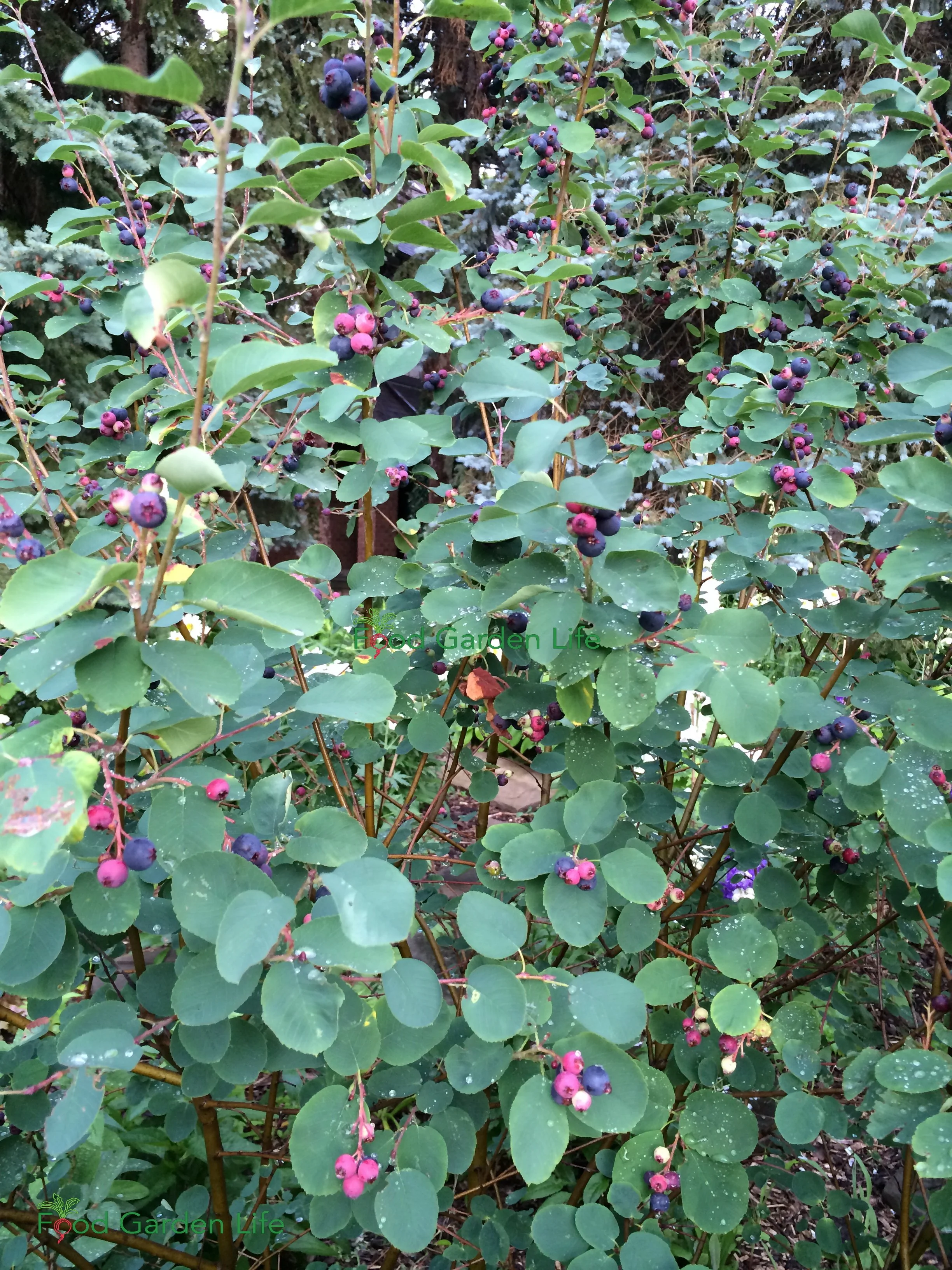
Saskatoons, a type of berry native to North America, thrive in specific environmental conditions. They prefer areas with well-drained soil and good sunlight exposure. The ideal growing zones for saskatoons are typically characterized by a temperate climate, where they can benefit from cold winters and warm summers. In general, saskatoons do best in the following regions:
1. Northern United States – Particularly in states like North Dakota and Minnesota.
2. Canada – They are highly prevalent in the Prairie Provinces: Alberta, Manitoba, and Saskatchewan, where the climate is ideal.
For optimal growth, saskatoons generally require:
- Full sun for at least 6 to 8 hours a day.
- A pH level in the soil that ranges from 6.0 to 7.5.
- Adequate watering during dry spells to maintain soil moisture.
Ideal Climate Conditions
Saskatoons flourish in areas with temperate climates that provide distinct seasonal changes. They require a period of cold dormancy in winter for fruitful blooming in spring. The summers must also be warm, allowing for proper ripening of berries. Here are essential climate factors for growing saskatoons:
- Temperature fluctuations between summer and winter.
- Winter chill hours to promote flowering.
- Absence of extreme weather that may damage blossoms.
Soil Requirements
Saskatoons prefer well-drained, loamy soils that are rich in organic matter. The soil should also be slightly acidic to neutral. It's crucial to avoid heavy clay soils that can retain excess moisture, leading to root diseases. The following soil characteristics are beneficial for saskatoon growth:
See also:
- Drainage is essential to prevent root rot.
- pH levels should be between 6.0 and 7.5 for optimal nutrient availability.
- Incorporating organic amendments can improve soil texture.
Sunlight Needs
Saskatoons thrive in full sunlight, requiring at least 6 to 8 hours of direct sun daily. Insufficient sunlight can hinder berry production and lead to weaker plants. The sunlight exposure ensures that:
- Photosynthesis occurs effectively, promoting plant health.
- Berries develop their characteristic sweetness and flavor.
- Plants achieve better resilience against pests and diseases.
Watering Practices
While saskatoons are relatively drought-resistant once established, they still require adequate moisture during key growing periods. Inconsistent watering can affect berry yield and size. Here are some watering tips for growing saskatoons:
- Ensure consistent moisture during fruit development.
- Avoid overwatering to prevent root rot.
- Use mulch to retain soil moisture and regulate temperature.
Pest and Disease Management
Saskatoons can be susceptible to various pests and diseases, which can hinder their growth. It's essential to monitor the plants and take preventive measures. Here are important management practices:
- Regular inspection for early signs of pests like aphids and fruit flies.
- Employ organic treatments like Neem oil to manage infestations.
- Ensure good air circulation around plants to reduce disease risk.
How much sun does a Saskatoon Serviceberry need?
:max_bytes(150000):strip_icc()/saskatoon-serviceberry-plant-profile-4847065-hero-bebe0bdd4bbc434a989d3a6bf978e5d0.JPG)
The Saskatoon Serviceberry (Amelanchier alnifolia) is a deciduous shrub or small tree that thrives under specific sun exposure conditions, which are crucial for its growth, fruit production, and overall health. Generally, the Saskatoon Serviceberry needs full sun to part shade conditions to perform optimally.
Optimal Sun Exposure
Saskatoon Serviceberries flourish best when they receive at least 6 to 8 hours of full sun each day. This amount of sunlight is important for the following reasons:
- Leaf Development: Full sunlight promotes healthy leaf growth, which is vital for photosynthesis.
- Fruit Ripening: Adequate sun exposure directly influences the quality and sweetness of the berries.
- Flowering: Ample sunlight encourages more abundant flowering, which leads to better fruit yield.
Effects of Partial Shade
While Saskatoon Serviceberries can tolerate partial shade, this can affect their growth. Under these conditions, they may experience:
- Reduced Growth: The plants will be less vigorous and may reach a smaller size.
- Lower Fruit Yield: Berries may be fewer and less flavorful if there is inadequate sunlight.
- Increased Susceptibility: Plants growing in shady areas may become more susceptible to diseases and pests due to stress.
Soil and Sunlight Interaction
The interaction between soil quality and sunlight is significant for Saskatoon Serviceberries. Consider the following:
- Well-Drained Soil: Ensure that soil is well-draining to maximize the effectiveness of sunlight for the roots.
- Nutrient Availability: Good soil conditions combined with sunlight enhance the availability of nutrients for growth.
- Water Retention: Healthy soil helps in retaining moisture, which is vital during hot and sunny days.
Seasonal Sunlight Variation
The amount of sunlight that a Saskatoon Serviceberry receives can vary naturally with the seasons. This variation can influence growth patterns:
- Spring Growth: Longer days in spring lead to rapid growth and development.
- Summer Fruits: In summer, the full sun is critical for the ripening of the berries.
- Autumn Color: The combination of cool nights and sunlight impacts fall foliage, enhancing its beauty.
Location and Planting Considerations
When choosing a location to plant a Saskatoon Serviceberry, keep the following in mind:
- Sun Orientation: Choose a planting site that faces the sun for maximum exposure during the day.
- Wind Protection: Plant near structures or other plants that provide protection from harsh winds while allowing sunlight.
- Competition: Avoid planting near larger trees that may outcompete for sunlight as they mature.
What are saskatoon berries called in the USA?

Saskatoon berries are called serviceberries in the USA. This nomenclature is derived from the common name that various species of the genus Amelanchier are known by. These berries are not only found in Canada, where they have a significant cultural presence, but also in several regions across the United States, particularly in the northern states.
Historical Significance
The historical significance of serviceberries is noteworthy, as they were consumed by Native American tribes long before European settlers arrived. They played an important role in the diets of many Indigenous peoples, who harvested them for their sweet flavor and nutritional value.
See also:
- Serviceberries were used fresh, dried, and in various recipes.
- They were often mixed with meat or made into traditional desserts.
- The berry's abundance in certain regions made it a staple food source.
Culinary Uses in the USA
In culinary terms, serviceberries are appreciated for their unique flavor, which is often compared to a mix of blueberries and cherries. They can be used in a variety of dishes.
- Serviceberries are commonly used in pies, jams, and jellies.
- They can be eaten fresh or added to breakfast items like muffins and pancakes.
- Some people use them for crafting sauces to accompany meat dishes.
Nutritional Benefits
Serviceberries are not only delicious but also pack numerous nutritional benefits. They are rich in vitamins, minerals, and antioxidants, making them a healthy addition to any diet.
- High in dietary fiber, which aids digestion.
- Rich in vitamin C, promoting immune health.
- Contains antioxidants that help combat oxidative stress.
Growing and Harvesting
Growing serviceberries can be a rewarding experience for both home gardeners and commercial growers. These plants are hardy and adapt well to different climates.
- Serviceberry trees and shrubs typically require well-drained soil and full sun.
- Harvesting is usually done when the berries turn a deep purple, indicating ripeness.
- The fruits are collected manually or using specialized berry-picking tools.
Ecological Importance
Serviceberries also play a critical role in their ecosystems. They contribute significantly to local biodiversity and wildlife sustenance.
- Berries provide food for various bird species and small mammals.
- Flowers attract pollinators, such as bees and butterflies, which enhance plant reproduction.
- The plants can help stabilize soil, preventing erosion in their natural habitats.
What berries grow best in full sun?

Growing berries in full sun can lead to optimal growth and fruit production. Many berry plants thrive with at least 6-8 hours of sunlight each day. Here are some of the best varieties that prosper in these conditions:
Blueberries
Blueberries are among the top fruiting plants that flourish in full sun. These shrubs have high sunlight requirements, helping them to produce larger and sweeter berries. When planting blueberries, it's essential to consider their preference for acidic soil.
- Plant in well-draining, acidic soil (pH between 4.5 to 5.5).
- Provide adequate moisture without waterlogging.
- Choose varieties suited for your climate for optimal yield.
Raspberries
Raspberries thrive in full sunshine, producing delicious fruit in summer. They can develop extensive root systems, allowing them to access water and nutrients efficiently. Full sun exposure results in better fruit quality.
- Ensure proper spacing between plants to maximize sunlight exposure.
- Prune regularly to maintain healthy growth and fruit production.
- Consider trellising to support growth and improve air circulation.
Strawberries
Strawberries are a favorite among home gardeners and do exceptionally well in full sun. They not only enjoy the heat but also benefit from increased photosynthesis, leading to more abundant yields.
- Choose June-bearing or everbearing varieties depending on your harvest preference.
- Mulch to retain soil moisture and suppress weeds.
- Rotate planting areas to prevent disease buildup.
Blackberries
Blackberries are another berry that loves full sunshine. They produce sweet and juicy black fruits, and like raspberries, they can take up a lot of space, so proper management is key.
- Use trellises to support growth and keep fruits off the ground.
- Prune annually to enhance airflow and fruit development.
- Water deeply during dry spells to encourage deep root growth.
Cranberries
While not commonly grown in typical gardens, cranberries can thrive in full sun conditions, particularly in suitable soil types. They benefit from sunlight, which enhances their flavor profile.
- Plant in acidic, sandy soils for best results.
- Ensure consistent water levels, particularly during their growth stage.
- Provide ample sunlight to help with the ripening process.
Questions from Our Readers
Do saskatoons prefer full sun?
Saskatoons thrive best in areas that receive full sun, which means they should ideally get at least 6 to 8 hours of direct sunlight each day. Adequate sunlight is crucial for their growth and fruit production, contributing to the plant's overall health and vigor.
Can saskatoons tolerate partial shade?
While saskatoons can survive in partial shade, their growth and fruit yield may be significantly reduced. Full sun conditions are recommended for optimal development and to ensure a bountiful harvest of delicious berries.
See also:
What happens to saskatoons in too much sun?
Although saskatoons enjoy full sun, excessive heat or prolonged exposure to intense sunlight can lead to issues like leaf scorch or dehydration. It is important to ensure they have sufficient water and some protection during extreme heat to maintain their health.
How should I care for saskatoons in sunny climates?
In sunny climates, it's essential to provide proper care for saskatoons, including regular watering to prevent drought stress. Mulching around the base can help retain soil moisture, and planting in well-draining soil supports their growth in high-sun environments.

If you want to read more articles like Do Saskatoons Like Full Sun? Discover Optimal Growing Conditions for Saskatoon Berries, we recommend you check out our Berries category.
Leave a Reply
Related Articles