What Causes an Infestation of Aphids? Understanding the Key Factors and Prevention Tips
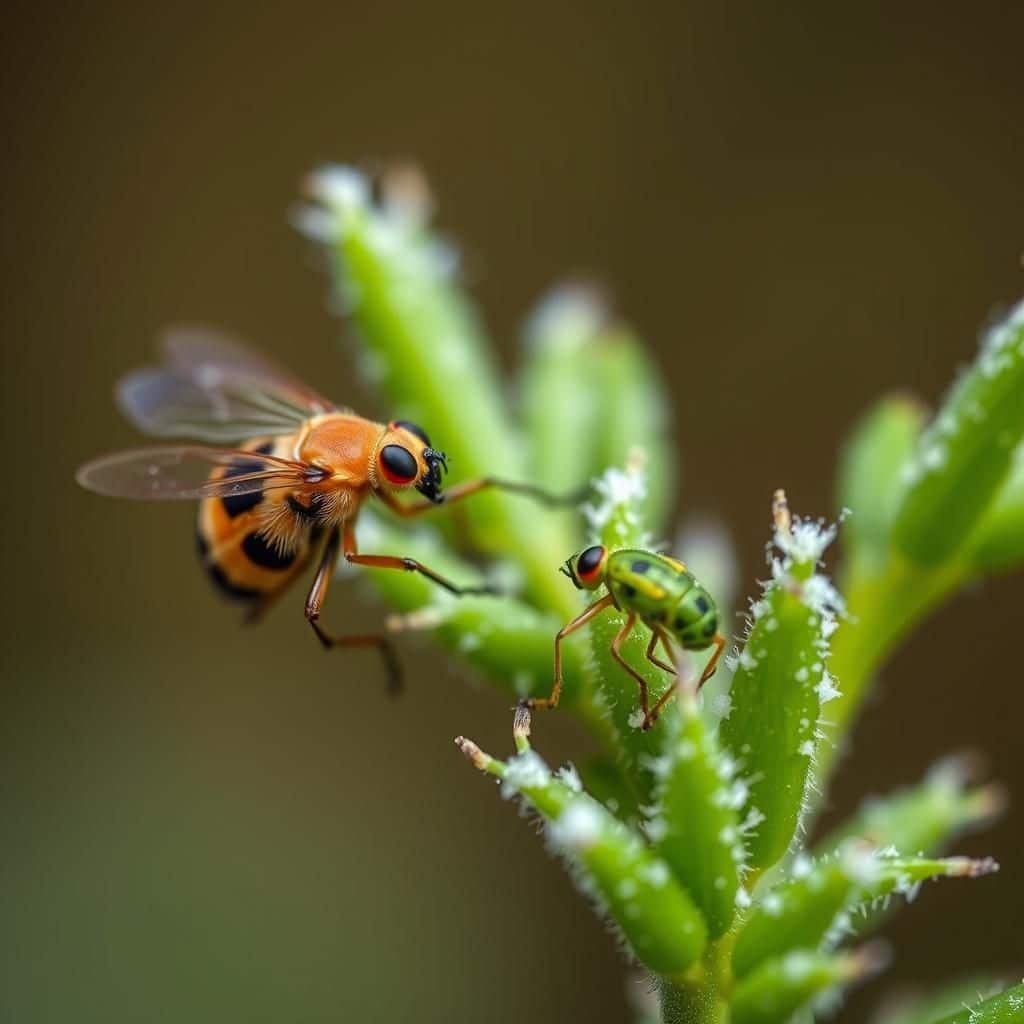
Aphids are small, sap-sucking insects that can cause significant damage to plants, making them a common concern for gardeners and farmers alike. Understanding what triggers an infestation of aphids is crucial for effective management and prevention. Several key factors contribute to their proliferation, including environmental conditions, the availability of host plants, and the presence of natural predators. This article delves into the primary causes of aphid infestations and offers practical prevention tips to help protect your plants. By gaining insight into these factors, you can take proactive measures to maintain a healthy and thriving garden.
What Causes an Infestation of Aphids?
Aphid infestations are often triggered by a combination of environmental and biological factors. These small, soft-bodied insects thrive in warm, humid conditions, making spring and early summer their peak seasons for reproduction. Aphids can rapidly multiply, with a single female capable of producing dozens of offspring in just a few days. Their populations can explode in gardens or agricultural settings that lack natural predators such as ladybugs or lacewings. Moreover, plants that are stressed from poor nutrition, drought, or disease can become more susceptible to aphid invasions, as healthy plants tend to have stronger defense mechanisms. Additionally, aphids disperse via winged forms, which can easily spread to new areas, leading to infestations in previously unaffected plants.
Environmental Factors
Environmental conditions play a pivotal role in aphid infestations. Aphids are most active in warm weather, particularly when temperatures range between 60°F and 75°F (15°C to 24°C). High humidity also favors their reproduction rates. Conversely, exceedingly cold or dry conditions can reduce their numbers significantly. These insects tend to thrive in urban gardens, where the microclimate is often moderated by buildings and pavement, providing ideal habitats.
Host Plant Availability
The availability of host plants is another critical factor influencing aphid infestations. Different species of aphids are attracted to specific types of plants, including vegetables, flowers, and trees. When plentiful host plants are present, it creates an abundant food source for the aphids, encouraging rapid reproduction. An abundance of specific plants, such as roses and cabbage, can result in localized outbreaks, particularly if those plants are not well-maintained.
Lack of Natural Predators
Natural predators, such as ladybugs, lacewings, and parasitic wasps, are vital in controlling aphid populations. The absence of these beneficial insects allows aphids to proliferate unchecked. In some cultivated areas, the overuse of chemical pesticides can decimate these valuable natural enemies, leading to an imbalance that favors aphid outbreaks. Consequently, promoting a diverse ecosystem can help keep aphid populations at bay by supporting their natural predators.
Plant Health and Stress
The health of the plants themselves is a significant factor in aphid infestations. Stressed plants, due to factors like nutritional deficiencies, poor soil conditions, or water stress, produce a higher amount of sugar in their sap. This sugary sap attracts aphids, which feed on the plant's juices. Conversely, robust, well-nourished plants tend to emit different chemical signals that deter aphids, thus highlighting the importance of proper plant care to avert infestations.
Aphid Dispersal Mechanisms
Aphids exhibit unique dispersal mechanisms that can lead to sudden infestations. Certain aphid species can produce winged forms in response to overcrowding or poor plant conditions, allowing them to fly to new locations in search of better feeding opportunities. This ability to spread rapidly means that a small number of aphids can quickly lead to widespread infestations across a garden or farm, making it essential to monitor for early signs of their presence.
| Factor | Description |
|---|---|
| Weather Conditions | Aphids thrive in warm and humid conditions. |
| Host Plant Availability | Abundant host plants attract and support aphid reproduction. |
| Lack of Predators | A reduced presence of natural predators allows aphid populations to grow. |
| Plant Stress | Stressed plants are more appealing to aphids due to increased sugar levels. |
| Dispersal Mechanisms | Winged forms of aphids can travel to new plants and locations. |
Why do I have an aphid infestation?
:strip_icc()/aphids-33ea487e-bc630c51c2084b099418a08571f9b459.jpg)
Aphid infestations can occur for several reasons, and understanding these factors can help you better manage and prevent them. Aphids are small sap-sucking insects that can damage plants by feeding on their juices. Here are some primary reasons you might be experiencing an aphid infestation.
Common Causes of Aphid Infestation
Aphids are attracted to certain conditions and can thrive under various environmental factors, leading to infestations. The following are some common causes of aphid infestations:
- Warm Weather: Aphids thrive in warm, dry conditions, making spring and summer ideal for their growth.
- Excessive Nitrogen: High nitrogen levels in the soil, often from fertilizers, can promote lush plant growth, attracting aphids.
- Lack of Natural Predators: A decrease in natural predators, such as ladybugs and lacewings, can lead to an unchecked aphid population.
Plant Species Attractive to Aphids
Certain plant species are particularly attractive to aphids, increasing the likelihood of infestation if these plants are present in your garden or home. Commonly affected plants include:
- Roses: Many aphid species prefer roses due to their tender new growth.
- Vegetable Crops: Plants like cabbage, lettuce, and peppers frequently attract aphids.
- Houseplants: Common houseplants, such as hibiscus and ferns, can also suffer from aphid infestations.
Signs of Aphid Infestation
Recognizing the signs of an aphid infestation early can help you take action before they cause significant damage. Here are key indicators:
- Leaf Curling: Infested leaves may curl or distort due to sap sucking.
- Sticky Residue: Honeydew, a sugary substance produced by aphids, can cover leaves and attract other pests.
- Yellowing Leaves: Affected plants often show signs of yellowing or stunted growth as a result of sap loss.
Environmental Factors Contributing to Infestation
Several environmental factors can foster conditions for aphid infestations, making it essential to monitor them. Here are some considerations:
- Overcrowding: Dense plantings can create a microenvironment that aphids find favorable for reproduction.
- Pesticide Resistance: Overusing broad-spectrum insecticides can eliminate natural enemies of aphids, leading to population explosions.
- Inconsistent Watering: Stress from irregular watering can make plants more susceptible to pests.
Preventative Measures Against Aphid Infestation
Preventing aphid infestations involves proactive management and cultivation strategies. Here are effective measures to consider:
See also:
- Encourage Beneficial Insects: Attract predators like ladybugs to your garden through companion planting.
- Regular Monitoring: Frequently inspect plants for early signs of aphid activity to address issues promptly.
- Use Organic Solutions: Apply insecticidal soap or neem oil as a natural method to control aphid populations.
How do you treat an aphid infestation?
:max_bytes(150000):strip_icc()/control-aphids-on-houseplants-1902889-FINAL-9e4d8d6f77874b13ad9b9bc5800471c1.png)
To treat an aphid infestation, it is essential to utilize various methods to effectively control and eliminate these pests. Aphids are tiny insects that feed on plant sap, leading to weakened plants and the potential spread of diseases. Here are some of the strategies you can employ:
Biological Control Methods
One of the most sustainable and effective ways to manage aphid populations is through biological control. This method involves introducing natural predators that can help keep aphid numbers in check. Common predators include:
- Ladybugs: These insects consume large quantities of aphids in their larval and adult stages.
- Parasitic Wasps: These tiny wasps lay their eggs inside aphids, which eventually kills them.
- Lacewing Larvae: Known as aphid lions, they are voracious predators of aphids.
Cultural Practices
Implementing cultural practices can help reduce the conditions that favor aphid infestations. By managing the environment and plant health, you can make your plants less appealing to aphids. Consider the following:
- Companion Planting: Planting flowers and herbs that attract beneficial insects can deter aphids.
- Proper Watering and Fertilization: Over-fertilizing can make plants more succulent and attractive to aphids.
- Regular Monitoring: Inspecting plants regularly can help you catch infestations early.
Physical Removal Techniques
Sometimes the simplest approach is the most effective. Utilizing physical removal techniques can help manage smaller infestations. Here are some methods to consider:
- Hand-Picking: Carefully remove aphids from plants using your fingers or a damp cloth.
- Water Spray: A strong jet of water can dislodge aphids from plant leaves and stems.
- Sticky Traps: Set up yellow sticky traps to capture flying aphids and monitor their population.
Insecticidal Soaps and Oils
Chemical interventions such as insecticidal soaps and oils can effectively kill aphids on contact. These products suffocate the insects without harming plants or beneficial insects if used correctly. Important points include:
- Soap Application: Apply insecticidal soap directly onto the aphids, ensuring thorough coverage.
- Horticultural Oils: These oils smother aphids and can be applied as a spray during cooler times of the day.
- Follow Instructions: Always follow the label instructions to ensure safe and effective use.
Pesticides as a Last Resort
If no other methods are effective, you may consider using chemical pesticides. However, this should be done cautiously and as a last resort because of potential harm to beneficial insects. Key considerations include:
- Selective Pesticides: Choose products that target aphids specifically and minimize impact on other species.
- Application Timing: Apply pesticides in the early morning or late evening when beneficial insects are least active.
- Rotation of Chemicals: To prevent resistance, alternate between different classes of pesticides.
What is the main issue caused by aphids?
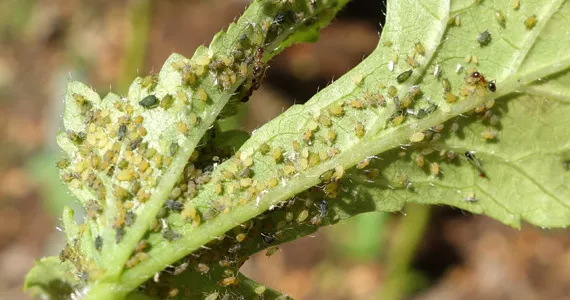
The main issue caused by aphids is their ability to rapidly reproduce and drain the sap from plants, leading to various detrimental effects on crops and ornamental plants. These small sap-sucking insects not only weaken plants by removing essential nutrients but also transmit plant diseases. Consequently, aphids can significantly impact agricultural productivity and the health of garden ecosystems.
Aphid Feeding Behavior
Aphids feed on the phloem sap of plants, which is rich in nutrients. Their feeding behavior leads to:
- Stunted growth: The removal of sap can cause the plant to grow more slowly or not at all.
- Deformed leaves: Aphid feeding can result in curled or distorted leaves, which affects plant aesthetics and overall health.
- Reduced yields: For agricultural crops, the loss of nutrients directly translates to fewer fruits or grains, impacting food supply.
Transmission of Plant Diseases
Aphids are known vectors for several plant viruses. They can transmit diseases from infected plants to healthy ones through their feeding process:
- Contact with infected plants: When aphids feed on an infected plant, they can acquire viral particles that can later infect new plants.
- Mechanical transmission: As aphids move from one plant to another, they may inadvertently inject pathogens into healthy plants.
- Rapid infection rates: The ability to reproduce quickly means that an aphid population can spread diseases across a large area in a short time.
Anti-Aphid Plant Responses
Plants have developed various defenses against aphid infestations:
- Physical barriers: Some plants develop tougher leaves or thorns that make it difficult for aphids to feed.
- Chemical deterrents: Certain plants produce compounds that repel aphids or inhibit their reproduction.
- Attracting natural predators: Some plants may release volatile compounds to attract beneficial insects such as ladybugs or lacewings, which feed on aphids.
Aphid Population Control
Managing aphid populations is crucial for maintaining healthy plants in gardens and farms:
- Cultural practices: Crop rotation and intercropping can help reduce pest populations by disrupting their life cycles.
- Biological control: The introduction of natural predators is an effective strategy to keep aphid numbers in check.
- Pesticide application: When necessary, targeted insecticides can be used to control aphid infestations, although they should be applied judiciously to limit environmental impact.
Economic Impact of Aphids
The economic implications of aphid infestations are significant, affecting various sectors:
See also:
- Agricultural losses: Farmers can incur substantial losses due to reduced crop yields and increased management costs.
- Market prices: A decline in production can lead to higher prices for consumers due to reduced supply.
- Resource allocation: Increased need for pest management can divert resources from other important agricultural practices or investments.
How long does an aphid infestation last?

An aphid infestation can vary significantly in duration, typically lasting anywhere from a few weeks to several months, depending on various environmental and biological factors. Aphids reproduce rapidly, with a single female able to produce hundreds of offspring in just a few weeks. The overall lifespan of an infestation is influenced by the following factors:
1. Species of Aphid: Different aphid species have varying reproduction rates and lifespans, affecting the duration of an infestation. Some may reproduce more quickly than others.
2. Environmental Conditions: Temperature, humidity, and the availability of nutrients can either hasten or slow down aphid life cycles. Warmer, moist conditions often facilitate faster reproduction.
3. Natural Predators: The presence of natural predators, such as ladybugs and lacewings, can significantly reduce the duration of an infestation. Their predation can help control aphid populations.
4. Plant Health: The vitality of the host plant also plays a crucial role. Stressed or unhealthy plants may be more susceptible to prolonged infestations.
5. Management Practices: The methods employed to manage or treat aphids can determine how long an infestation persists. Integrated pest management strategies can help eradicate aphids more effectively.
Factors Influencing Aphid Infestation Duration
The duration of an aphid infestation is influenced by multiple factors. Understanding these can help in managing their populations effectively.
- Reproduction Rate: Different species reproduce at different rates, affecting how quickly an infestation can spread.
- Host Plant Quality: Healthy plants may resist aphid attacks better than weaker ones, thus influencing infestation duration.
- Environmental Conditions: Favorable conditions like warmth and moisture speed up aphid life cycles.
Signs of an Aphid Infestation
Detecting an aphid infestation early can help in controlling it efficiently. Identifying the signs is crucial for timely intervention.
- Visual Clusters: Look for clusters of aphids on new growth, leaves, and stems.
- Sticky Residue: The presence of honeydew, a sugary substance excreted by aphids, can indicate an infestation.
- Wilting or Yellowing: Infested plants may show signs of stress, such as wilting or yellowing leaves.
Impact on Host Plants
Aphids can have significant negative effects on the health of host plants. Understanding these impacts is vital for effective management.
- Stunted Growth: Aphids can stunt plant growth by feeding on sap, which is essential for plant health.
- Spread of Disease: They can transmit viral diseases, further compromising the health of the plants.
- Reduced Yield: In agricultural settings, heavy infestations can lead to decreased crop yields.
Management Strategies for Aphid Infestation
Effective management strategies can significantly reduce the duration and impact of aphid infestations.
- Natural Predators: Introduce or encourage natural predators like ladybugs to help control aphid populations.
- Insecticidal Soaps: Use insecticidal soaps or horticultural oils to eliminate aphids effectively.
- Cultural Practices: Employ practices such as proper plant spacing and health management to reduce aphid attraction.
Lifecycle of Aphids
Understanding the lifecycle of aphids can inform strategies to manage infestations effectively.
- Reproductive Stages: Aphids typically undergo several reproductive stages, including asexual reproduction by parthenogenesis.
- Life Cycle Duration: Depending on conditions, the entire life cycle from egg to adult can take as little as 7 to 10 days.
- Seasonal Changes: The life cycle can vary with the seasons, prolonging infestations in favorable conditions.
Questions from Our Readers
What environmental factors contribute to an infestation of aphids?
Aphids thrive in environments that are warm and dry, as these conditions promote their reproduction and survival. Additionally, a lack of natural predators in the area can lead to a rapid increase in their population. Factors such as poorly maintained plants and insufficient watering can also contribute to the attractiveness of plants to aphids.
How do plant health and stress affect aphid infestations?
Plants that are under stress due to factors like drought, nutrient deficiencies, or damage from other pests are more susceptible to aphid infestations. Stressed plants often produce more sugary substances, which attract aphids seeking food, thereby facilitating their reproduction and colonization.
See also:
Can certain plants attract more aphids than others?
Yes, some plants are more susceptible to aphid infestations because they emit chemical signals that attract these pests. For example, new growth and tender leaves are preferred feeding sites, making certain species more prone to aphid colonization. Additionally, ornamental plants and vegetables often attract specific aphid species.
What role do weather conditions play in aphid infestations?
Weather conditions play a significant role in aphid populations. Mild winters can lead to survival of more aphids, while warm and wet springs foster rapid growth and reproduction. Conversely, extreme temperatures or heavy rainfall can hinder their populations, but conditions that maintain a warm environment usually favor aphids significantly.

If you want to read more articles like What Causes an Infestation of Aphids? Understanding the Key Factors and Prevention Tips, we recommend you check out our Insects category.
Leave a Reply
Related Articles