Does Baking Soda Get Rid of Aphids? Uncover the Truth About This Natural Pest Control Method
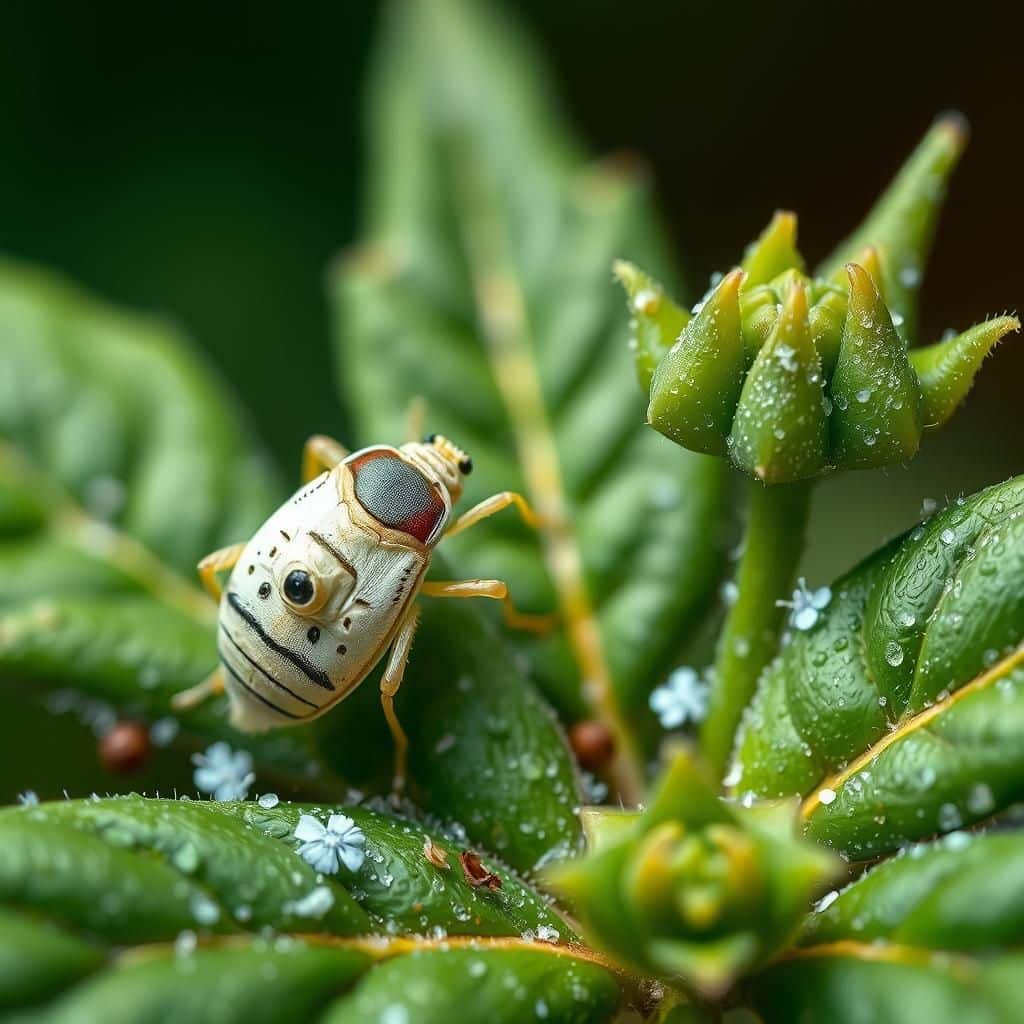
Aphids are notorious pests that can wreak havoc on gardens and plants, leading many gardeners to seek effective, natural solutions for control. One common suggestion is the use of baking soda, a household staple often praised for its versatility. But does baking soda truly eliminate aphids, or is it just another gardening myth? In this article, we will uncover the truth about baking soda as a natural pest control method. We will explore its potential effects on aphids, compare it to other remedies, and provide tips on effective application, helping you make informed decisions for your garden’s health.
Does Baking Soda Effectively Get Rid of Aphids?
Using baking soda as a method to control aphids has gained popularity among gardeners seeking natural solutions for pest problems. While baking soda is not a panacea for all aphid infestations, it can help to a certain extent. The sodium bicarbonate in baking soda can alter the pH of the plant's surface, which may create an unfavorable environment for these pests and deter them from feeding. Additionally, a mixture of baking soda and water can be sprayed on affected plants to combat aphids at their source. However, it’s important to note that while baking soda can aid in management, it may not eliminate severe infestations entirely, and combining it with other integrated pest management strategies can yield better results.
How Does Baking Soda Affect Aphids?
When sprayed on plants, baking soda works by affecting the cellular processes of aphids. The solution, when it comes into contact with aphids, can disrupt their ability to feed and reproduce. The alkaline nature of baking soda may also damage the aphid's delicate outer body, thereby weakening or killing them over time. This mechanical and biological action makes it a useful tool when used alongside other pest control methods.
Preparing a Baking Soda Spray for Aphids
To create a baking soda solution, mix about 1 to 2 tablespoons of baking soda with a quart of water. For added efficacy, a few drops of dish soap can be included to help the solution adhere to plant surfaces. It's crucial to thoroughly mix the ingredients to ensure even distribution before applying the spray directly onto the affected areas of the plant. This mixture should be tested on a small area first, as some plants may be sensitive to baking soda.
Additional Ingredients to Enhance Effectiveness
Combining baking soda with other natural ingredients can enhance its pest-control potential. For instance, adding a small amount of vegetable oil can create a more effective spray that functions as both a suffocating agent and a deterrent. Furthermore, incorporating ingredients like garlic or pepper can make the spray even less palatable for aphids. Mixing these ingredients in the solution can lead to a stronger defense against these pests.
See also:
Alternative Methods to Control Aphids
While baking soda can be effective, integrating it with alternative approaches can yield better results. For example, introducing beneficial insects like ladybugs or lacewings can naturally reduce aphid populations. Additionally, employing methods like insecticidal soap or neem oil can serve as complementary options that target aphids more directly. Using a holistic pest management strategy encourages a healthier garden.
Application Tips for Baking Soda Spray
For optimal results, apply the baking soda spray during the early morning or late evening to minimize the risk of causing harm to the plants due to intense sunlight. Ensure that the entire surface of the plants, especially the undersides of leaves where aphids are often found, is covered thoroughly. Regular application every few days or after rainfall can help to maintain its protective benefits and keep aphid populations in check.
| Aspect | Details |
|---|---|
| Baking Soda Concentration | 1-2 tablespoons per quart of water |
| Best Time to Apply | Early morning or late evening |
| Additional Ingredients | Vegetable oil, garlic, pepper |
| Application Frequency | Every 3-5 days or after rainfall |
| Complementary Methods | Beneficial insects, insecticidal soap, neem oil |
Effectiveness of Baking Soda Against Aphids
Baking soda, known for its versatility in various home remedies, is often discussed as a potential natural pest control method for getting rid of aphids. Research indicates that while baking soda may not completely eradicate these pests, it can serve as a preventive measure when used in conjunction with other methods. The alkalinity of baking soda disrupts the pest's protective coating, making it more susceptible to natural predators and other treatments. Furthermore, its antifungal properties can help prevent the growth of sooty mold, which is often associated with aphid infestations. However, it's essential to apply it cautiously on plants to avoid harming the foliage.
How to Use Baking Soda for Aphids
To effectively use baking soda against aphids, mix one tablespoon of baking soda in a quart of water and add a few drops of liquid soap to enhance adherence. After thoroughly mixing, spray the solution on affected plants, ensuring you cover both the undersides of leaves and stems where aphids typically reside. Repeat the application every few days for effective results, but be wary of using this method on sensitive plants, as it may cause leaf burn if over-applied.
Limitations of Baking Soda as a Pest Control
While baking soda can provide some benefits in managing aphids, its limitations must be understood. It does not serve as a complete solution, particularly for severe infestations. The effectiveness of baking soda can also vary with factors such as plant type, concentration of the solution, and environmental conditions like temperature and humidity. For significant problems, it is often more effective when combined with other integrated pest management strategies rather than used as a standalone treatment.
See also:
Alternative Natural Remedies for Aphid Control
In addition to baking soda, several other natural remedies can help control aphid populations. For example, introducing beneficial insects like ladybugs or lacewings can provide an effective biological control method. Spraying a mixture of water with neem oil or insecticidal soap can also disrupt aphid feeding and reproductive cycles without causing harm to the environment. Each of these methods works effectively by targeting various aspects of the aphid’s lifecycle.
Comparing Baking Soda with Chemical Solutions
When comparing baking soda to chemical pesticides, there are notable differences in terms of safety, effectiveness, and environmental impact. Chemical solutions often provide quick results, but they can also pose risks to beneficial organisms and lead to long-term soil degradation. Conversely, baking soda offers a safer alternative with lower toxicity levels, but it may require more frequent applications and a longer timeframe to see visible results. Understanding these differences is crucial for gardeners who aim for an eco-friendly approach to pest management.
Best Practices for Using Baking Soda in Gardening
To maximize the benefits of baking soda in the garden, consider integrating it into a broader pest management plan. Use it in moderation, apply it during the early morning or late afternoon to prevent foliar burn, and always test a small area of a plant before a full application. Keeping an eye on overall plant health and maintaining a balanced ecosystem with natural pest deterrents can aid in keeping aphid populations under control, thereby leading to healthier plants and a more productive garden.
Questions from Our Readers
Does baking soda effectively get rid of aphids?
Using baking soda as a method to control aphids can be somewhat effective, but it's not a guaranteed solution. It may deter aphids when mixed with water and used as a spray, but it often works best in combination with other pest control methods.
How do you apply baking soda to plants for aphid control?
To use baking soda for aphid control, mix one tablespoon of baking soda with a gallon of water and add a few drops of dish soap. Spray this mixture directly onto the affected plants, focusing on the leaves where aphids are most prevalent.
See also:
Is baking soda harmful to plants when used against aphids?
When used in moderate amounts, baking soda is generally safe for most plants; however, excessive application can lead to leaf burn or damage. Always test on a small area of the plant first to ensure there are no negative effects.
Can baking soda prevent future aphid infestations?
While baking soda can help manage current aphid populations, it does not provide a long-term solution or prevent future infestations. Regular monitoring and integrated pest management techniques are recommended for ongoing control.

If you want to read more articles like Does Baking Soda Get Rid of Aphids? Uncover the Truth About This Natural Pest Control Method, we recommend you check out our Insects category.
Leave a Reply
Related Articles