Why Do Aphids Keep Coming Back? Understanding the Lifecycle and Control Methods

Aphids are notorious for their persistent presence in gardens and landscapes, often frustrating gardeners and plant enthusiasts alike. These small, sap-sucking insects have a complex lifecycle that contributes to their rapid population growth and return, regardless of control efforts. Understanding why aphids keep coming back is essential for effective management and pest control. This article delves into the intricacies of their lifecycle, exploring the various stages from egg to adult, and discusses effective control methods that can help mitigate their impact on plants. By grasping these concepts, gardeners can develop more strategic approaches to keep aphids at bay.
Why Do Aphids Keep Coming Back?
Aphids, persistent pests that affect a variety of plants, keep returning due to several interconnected factors, primarily their ability to reproduce rapidly and their preference for young, nutrient-rich plant tissues. These small insects thrive in environments where they can easily feed on the sap of plants. They reproduce through a process called parthenogenesis, which allows female aphids to produce live young without mating, leading to exponential population growth in favorable conditions. Additionally, they have numerous natural predators, such as ladybugs and lacewings, that help control their populations but are often not enough to keep them in check. The presence of suitable hosts, coupled with the ability to avoid adverse weather conditions and their continued adaptation to varying environments, contributes to the ongoing challenge of managing aphid infestations.
Rapid Reproduction Rates
One of the primary reasons aphids keep coming back is their astonishingly rapid reproduction rates. Female aphids can give birth to dozens of live offspring in a single day, leading to explosive population growth when conditions are favorable, such as in spring and summer. This ability means that even if measures are taken to control their numbers, a new generation can quickly emerge, resulting in a seemingly constant presence in gardens and crops.
Feeding Preferences
Aphids are particularly attracted to young and tender plant tissues, making gardens and farms a prime target for infestations. Their feeding behavior involves extracting valuable nutrients from the sap, which can weaken the plants and make them more susceptible to diseases. This preference means that as long as there are young plants available to feed on, aphids are likely to return.
Environmental Adaptability
Aphids exhibit a high degree of environmental adaptability, allowing them to thrive in various climates and regions. Their ability to adjust their life cycle and reproductive strategies in response to environmental changes, such as temperature and availability of host plants, enables them to survive through unfavorable conditions and reemerge once conditions improve, thus ensuring their return.
Lack of Natural Predators
While there are several natural predators of aphids, their population control is often not sufficient to keep aphid infestations at bay. In many agricultural settings, chemical pesticides can diminish populations of these beneficial insects, leading to a scenario where aphids can proliferate unchecked. This lack of balance in the ecosystem allows aphids to return in large numbers, as their natural enemies are diminished.
Resilience to Control Measures
Aphids have shown a remarkable resilience to control measures, including insecticides and organic controls. Their ability to develop resistance to chemicals makes management efforts less effective over time. Additionally, the intricacies of their life cycles and their ability to reproduce without mating complicate control strategies, leading to a cycle of continuous return even after treatment.
| Factor | Description |
|---|---|
| Reproduction | Aphids reproduce rapidly, creating large populations quickly. |
| Feeding | They prefer young plants, which makes them more susceptible to infestations. |
| Environmental Adaptability | Aphids survive and thrive in various environmental conditions. |
| Lack of Predators | Reduction in natural enemies allows aphids to proliferate. |
| Resistance | Their resilience to control measures complicates management efforts. |
How do I get rid of aphids forever?
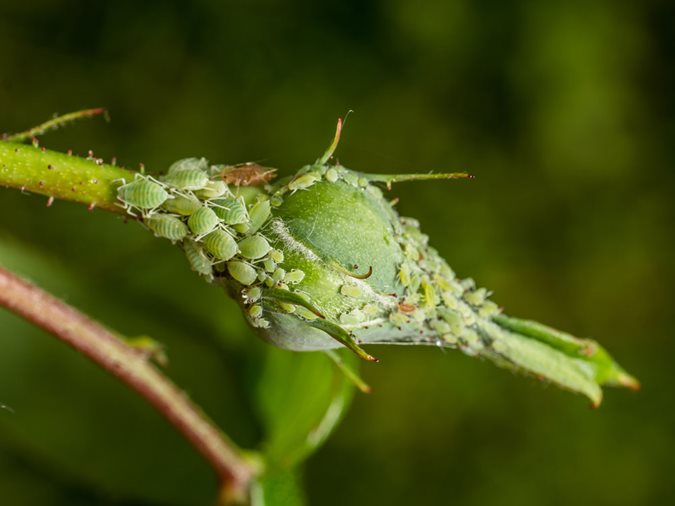
Understanding Aphid Life Cycle
Aphids reproduce rapidly, which makes them particularly challenging to control. Understanding their life cycle is essential for effective management. Aphids can reproduce asexually, leading to rapid population increases. They can go from egg to adult in as little as seven days, depending on environmental factors. This fast reproduction rate means that control measures need to be timely and consistent.
- Aphids typically very quickly mature.
- Under ideal conditions, females can give live birth to up to 12 offspring a day.
- They can produce several generations in a single season.
Physical Removal Techniques
One of the simplest ways to manage aphid populations is through physical removal. This can be achieved using water sprays or by hand. Removing the aphids manually can be tedious but effective, especially in small infestations or garden settings.
See also:
- Use a strong stream of water to dislodge aphids from plants.
- Check for nests and clusters in new growth areas.
- Handpick larger infestations off of leaves and stems.
Natural Predators for Aphid Control
Introducing natural predators is a sustainable method of controlling aphid populations. Ladybugs, lacewings, and certain types of wasps feed on aphids, helping to reduce their numbers dramatically.
- Encourage ladybugs to your garden by planting diverse flowers.
- Release lacewing larvae in infested areas, as they are voracious aphid predators.
- Maintain a balanced ecosystem to naturally support predator populations.
Organic Insecticidal Solutions
If physical and biological control methods are insufficient, consider using organic insecticides. These are usually derived from natural sources and can target aphids without harming beneficial insects when used properly.
- Apply neem oil as it disrupts aphid growth and reproduction.
- Incorporate insecticidal soap to suffocate aphids.
- Utilize products that contain pyrethrin to effectively manage larger infestations.
Preventive Measures for Future Infestations
To get rid of aphids permanently, implementing preventive measures is crucial. This will help avoid future outbreaks and maintain healthy plants. Regular maintenance and monitoring are key components of an effective preventative strategy.
- Rotate crops each season to interrupt aphid life cycles.
- Maintain plant health through proper watering and fertilization.
- Encourage resistance strategies such as planting aphid-resistant varieties.
Why do I always get aphids?
:strip_icc()/aphids-33ea487e-bc630c51c2084b099418a08571f9b459.jpg)
Aphids are common pests that can plague many gardeners and plant enthusiasts. If you find yourself frequently battling these insects, it might be due to several reasons that make your plants particularly attractive to them. Here are some of the main factors that contribute to a persistent aphid problem:
Environmental Factors
Climate plays a significant role in the prevalence of aphids. They thrive in warm, dry conditions and can reproduce rapidly, increasing their numbers exponentially. If your area consistently experiences mild temperatures and low humidity, it may create an ideal environment for aphids. Additionally, plants that are stressed due to drought or improper care can produce more sap, which attracts aphids.
- Mild temperatures encourage quicker reproduction.
- Low humidity can prolong their life cycle.
- Stressed plants produce more sap, appealing to aphids.
Plant Selection
Certain plants are more susceptible to aphids than others. Plants that are soft-stemmed or that produce a lot of young, tender leaves can be particularly attractive to these pests. If you choose to cultivate plants that are known aphid hosts, such as roses, cabbage, or certain herbs, you may find yourself dealing with aphids more frequently.
- Soft-stemmed plants are easier for aphids to infest.
- Young leaves provide abundant sap for nourishment.
- Specific species attract aphids more than others.
Lack of Natural Predators
Aphids have their share of natural enemies, such as ladybugs and lacewings. If your garden lacks these beneficial insects, aphid populations can surge unchecked. Factors that may decrease the presence of natural predators include the use of pesticides and a lack of biodiversity in your garden.
- Pesticides can kill beneficial insects along with pests.
- A diverse ecosystem promotes the presence of natural predators.
- Reducing monoculture can enhance pest management naturally.
Pest Management Practices
Your approach to pest management can influence the frequency of aphid infestations. Improper or excessive pesticide use may not only fail to control aphids but may also foster conditions that enable their resurgence. Organic methods, such as introducing beneficial insects or using insecticidal soap, can be more effective and sustainable.
- Over-reliance on chemical pesticides can create resistance.
- Organic methods promote a balanced ecosystem.
- Regular monitoring can help catch infestations early.
Plant Health and Maintenance
The health of your plants is crucial in determining their vulnerability to aphids. Stressed or weak plants are more appealing targets. Regular maintenance, including watering, fertilizing appropriately, and removing dead leaves, can keep your plants strong and less susceptible to pests.
See also:
- Regular watering helps prevent plant stress.
- Proper fertilization promotes healthy growth.
- Maintaining a clean garden reduces hiding places for pests.
How long does an aphid infestation last?

An aphid infestation can last for varying lengths of time depending on several factors, including environmental conditions, the availability of food sources, and the presence of natural predators. Typically, aphid populations can increase rapidly, leading to a significant infestation within just a few weeks. If left untreated, an infestation can persist for several months, particularly if the conditions remain favorable for their growth and reproduction.
Factors such as temperature, humidity, and the health of the host plant can greatly influence the duration of an infestation. In optimal conditions, aphids can reproduce asexually, producing many generations in a very short time. However, if the environmental conditions become unfavorable, or if natural enemies such as ladybugs or parasitic wasps are present, the infestation may be resolved more quickly.
Factors Influencing Aphid Infestation Duration
The longevity of an aphid infestation is determined by a variety of factors that either promote or limit their growth. Key factors include:
- Environmental Conditions: Warm and humid climates tend to favor aphid reproduction, while cold temperatures can slow their activity.
- Host Plant Health: Healthy plants provide a better food source for aphids, extending the duration of the infestation.
- Natural Predators: The presence of beneficial insects can help control aphid populations, shortening the overall duration.
Life Cycle of Aphids
Understanding the life cycle of aphids is crucial to comprehending the timeline of an infestation. Typical stages include:
- Birth: Female aphids give live birth to live young, allowing rapid population growth.
- Development: Nymphs grow quickly and can start reproducing within a week.
- Reproduction: In favorable conditions, one aphid can lead to thousands of descendants in a single season.
Signs of Aphid Infestation
Recognizing the signs of an aphid infestation early can lead to more effective management and control:
- Visible Aphids: Small, soft-bodied insects clustered on new growth or undersides of leaves.
- Sticky Residue: A sign of honeydew, a sugary waste product aphids excrete.
- Plant Damage: Distorted leaves, stunted growth, and yellowing foliage indicate stress from the feeding of aphids.
Management Strategies for Aphid Infestation
Implementing effective management strategies can significantly reduce the duration of an aphid infestation:
- Natural Predators: Introduce ladybugs or lacewings, which feed on aphids and can help naturally control populations.
- Cultural Practices: Maintain plant health through proper watering, fertilization, and pruning to reduce aphid appeal.
- Pesticides: Use insecticidal soaps or targeted chemical treatments if natural methods are insufficient.
Preventing Future Aphid Infestations
To prevent future infestations, consider the following measures:
- Regular Monitoring: Check plants regularly for early signs of aphids and act quickly if detected.
- Diversify Plant Choices: Select plant varieties that are less susceptible to aphid infestations.
- Companion Planting: Grow certain herbs or flowers that deter aphids and attract beneficial insects.
Questions from Our Readers
Why do aphids keep coming back to my plants?
Aphids tend to return to your plants because they reproduce rapidly and have a high reproductive rate. They can produce multiple generations in a single growing season, which allows them to quickly repopulate if their numbers are reduced. Moreover, they are attracted to the nutrients in the plants and can thrive in favorable conditions, making your garden a prime target.
What factors attract aphids back to an area?
Aphids are attracted to areas with plenty of young, tender growth since this is where they can find the sugary sap they feed on. Additionally, warm temperatures, high humidity, and the presence of host plants can make an area more appealing for aphids, leading to their recurrence in those spots.
See also:
How can I prevent aphids from coming back?
To prevent aphids from returning, it's essential to implement regular monitoring and control methods, such as introducing natural predators like ladybugs or using insecticidal soaps. Keeping plants healthy through proper watering and fertilization can also make them less susceptible to infestation and reduce the likelihood of aphids returning.
Do aphids have natural predators that help reduce their numbers?
Yes, aphids have several natural predators, including ladybugs, lacewings, and parasitic wasps, which help keep their populations in check. Encouraging these predators in your garden can be an effective strategy for controlling aphid infestations and reducing the chances of them coming back, allowing for a more balanced ecosystem in your plants.

If you want to read more articles like Why Do Aphids Keep Coming Back? Understanding the Lifecycle and Control Methods, we recommend you check out our Insects category.
Leave a Reply
Related Articles