What Do Aphids Hate the Most? Discover Effective Solutions for Pest Control

Aphids are notorious pests that can wreak havoc on gardens and crops, feeding on plant sap and transmitting diseases. Understanding what aphids dislike can be a game-changer for effective pest control. This article delves into the various substances and methods that repel these tiny intruders, offering gardeners and farmers practical solutions to safeguard their plants. From natural repellents to beneficial insects, explore the most effective strategies to keep aphids at bay. By utilizing the right techniques, you can create an inhospitable environment for these pests, ensuring the health and vitality of your greenery.
What Do Aphids Hate the Most?
Aphids, commonly considered pests in gardens and agricultural fields, have a few natural enemies and compounds they strongly dislike. One of the substances that aphids tend to avoid is garlic. This is primarily due to its strong odor, which disrupts their sensory perception and can deter them from infesting plants. Other plants like chives and onions also produce compounds that are unpleasant to aphids. Additionally, certain essential oils, like peppermint oil and rosemary oil, can be effective in repelling these pests when mixed with water and sprayed on affected plants. By employing these natural repellents, gardeners can effectively manage aphid populations without resorting to chemical pesticides.
Natural Repellents for Aphids
Natural repellents are essential for maintaining a healthy garden ecosystem. Using substances like cayenne pepper, soap sprays, or neem oil can provide an organic way to deter aphids. These natural solutions not only repel aphids but can also protect beneficial insects such as ladybugs and lacewings, which are important for controlling other pests. Integrating these methods into regular gardening practices can significantly reduce aphid infestations without harming the environment.
Companion Planting Strategies
Companion planting is a technique that involves growing certain plants together to enhance growth and deter pests like aphids. Plants such as marigolds, nasturtiums, and basil can be beneficial companions. They can distract aphids or attract predators that feed on aphids. For instance, marigolds release compounds that repel aphids while attracting beneficial insects, effectively creating a natural barrier against aphid infestations.
Essential Oils as Aphid Deterrents
Essential oils such as peppermint, eucalyptus, and tea tree oil are potent aphid deterrents. When diluted with water and sprayed on plants, these oils create an unwelcoming environment for aphids due to their strong scents and chemical properties. The effectiveness of these oils can vary depending on the concentration used, but they serve as an eco-friendly alternative to synthetic pesticides, making them appealing for organic gardeners.
The Importance of Beneficial Insects
Encouraging beneficial insects in the garden is crucial for controlling aphid populations. Ladybugs, lacewings, and parasitic wasps are natural predators of aphids. By planting flowers that attract these beneficial insects, gardeners can create a balanced ecosystem where aphids are kept in check. This not only protects plants from aphid damage but also supports biodiversity in the garden.
Physical Barriers and Traps
Implementing physical barriers such as row covers or sticky traps can be an effective way to reduce aphid populations. Row covers prevent aphids from accessing plants while allowing sunlight and moisture to penetrate. On the other hand, sticky traps can catch flying aphids, reducing their numbers right at the source. These methods complement other deterrent strategies, providing a multifaceted approach to pest management.
| Repellent | Target Pest | Method of Use |
|---|---|---|
| Garlic | Aphids | Mix crushed garlic with water and spray |
| Peppermint Oil | Aphids | Dilute and spray on affected plants |
| Nasturtiums | Aphids | Plant alongside susceptible crops |
| Ladybugs | Aphids | Release in infested areas |
| Row Covers | Aphids | Cover plants to block access |
What are aphids scared of?
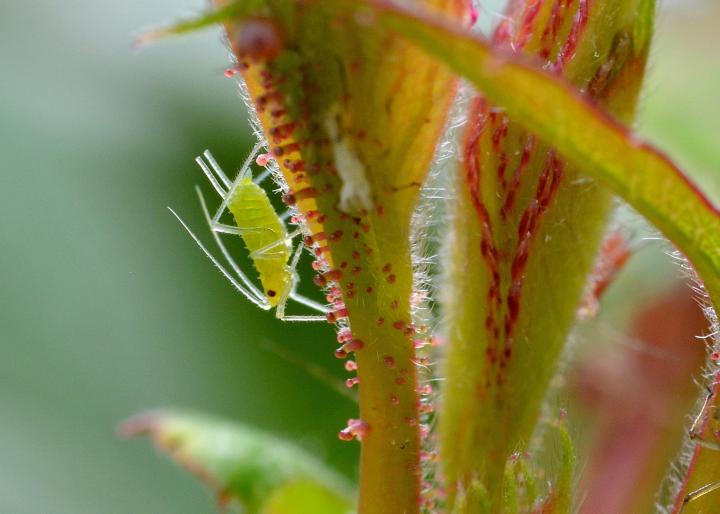
Aphids, small sap-sucking insects, are often preyed upon by various predators, and they have certain natural fears that help them survive in the wild. Understanding what aphids are scared of can aid in pest control and biodiversity conservation.
Predators of Aphids
Aphids are highly vulnerable to various predators that can significantly reduce their populations. They have evolved to be cautious of several organisms, including:
- Ladybugs: Known for their voracious appetite for aphids, ladybugs can consume large quantities of them in a single day.
- Green lacewings: The larvae of these insects, often referred to as “aphid lions,” feed on aphids and are a significant threat to their populations.
- Parasitic wasps: Certain species of wasps lay their eggs inside aphids, leading to the eventual death of the host aphid.
Environmental Conditions
Aphids are also sensitive to various environmental conditions that can impact their survival. These conditions include:
- Extreme temperatures: Both excessive heat and cold can be detrimental to aphid populations as they thrive in moderate climates.
- High humidity: While some moisture is beneficial, excessive humidity can enhance the growth of mold that often damages aphid colonies.
- Strong winds: Wind can disrupt their feeding and mating behavior, making them more susceptible to predators.
Natural Defenses
Aphids possess several natural defenses that they use to avoid predation. Knowing these can help in understanding their behavior:
See also:
- Camouflage: Many aphids can blend in with their surroundings, making it difficult for predators to spot them.
- Scent production: Aphids can produce alarm pheromones when threatened, alerting nearby aphids to danger.
- Winged forms: In response to high predation pressure, some aphids develop wings to disperse and escape to safer areas.
Chemical Repellents
Certain chemical repellents can deter aphids from feeding on plants. These include:
- Natural repellents: Some plants emit chemicals that repel aphids, helping to reduce their populations in healthy ecosystems.
- Pesticides: Chemical treatments can be used in agricultural settings to deter or eliminate aphid invasions.
- Essential oils: Oils derived from plants such as neem can repel aphids and disrupt their life cycle.
Plant Health and Diversity
The health and diversity of plants around aphids significantly influence their fear of the environment. Key factors include:
- Plant variety: Diversifying plant species in gardens can deter aphids, as they often prefer certain plants over others.
- Healthy plants: Strong, healthy plants are less susceptible to aphid infestations, making the environment less favorable for them.
- Companion planting: Planting species that naturally repel aphids can protect more susceptible plants in the vicinity.
What is the best repellent for aphids?
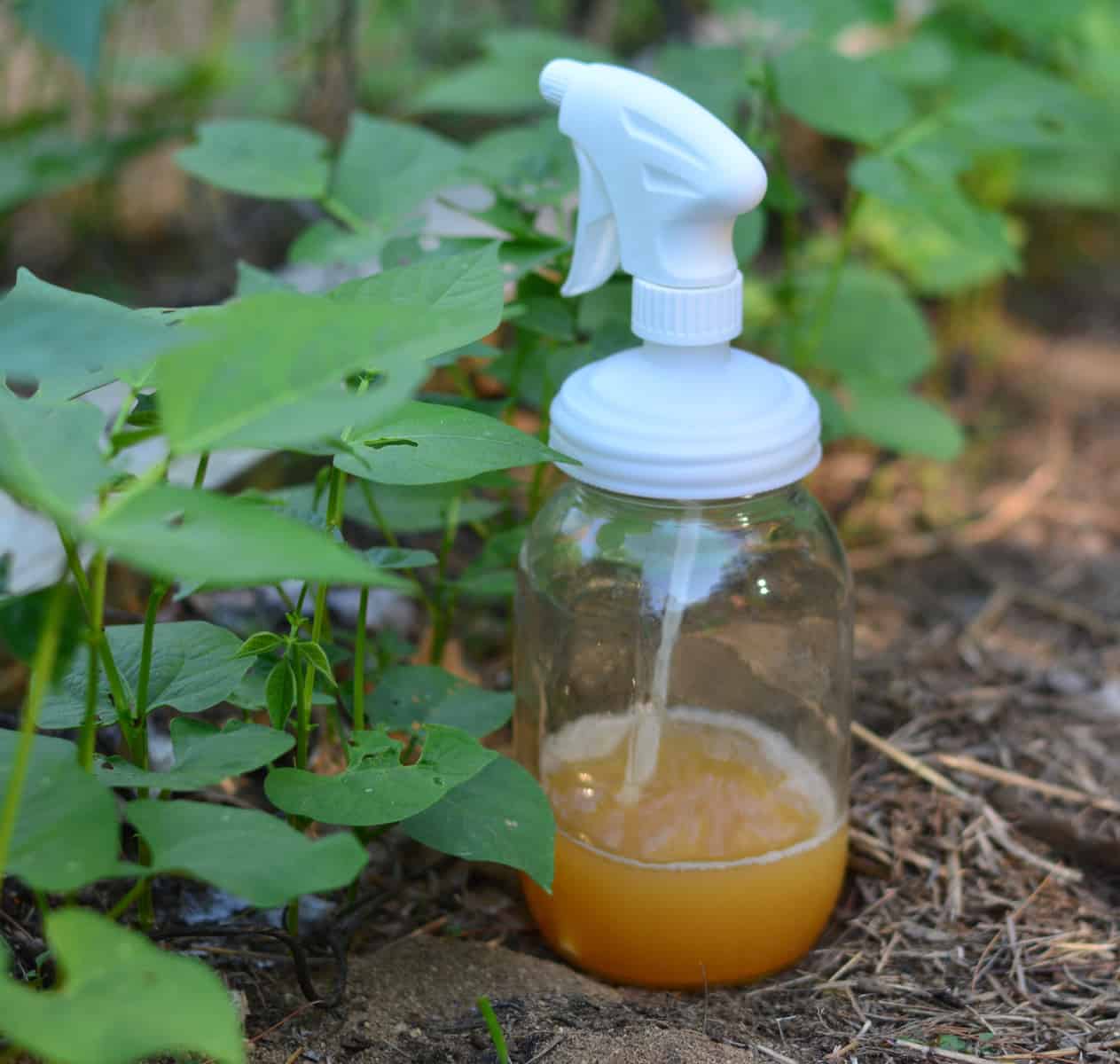
The best repellent for aphids can vary based on the specific garden environment and the plants affected. However, there are several effective options that gardeners commonly use to deter these pests. Here are some of the best repellents:
1. Neem Oil
Neem oil is derived from the seeds of the neem tree and serves as both a repellent and a pesticide. It disrupts the life cycle of aphids by affecting their hormonal balance, which inhibits growth and reproduction. It also repels adults and nymphs due to its strong scent.
2. Insecticidal Soap
Insecticidal soap is made from plant oils and fats and works by suffocating aphids upon contact. It is less harmful to beneficial insects and can be an excellent option for organic gardening. It is important to ensure thorough coverage for it to be effective.
3. Garlic Spray
Garlic has natural antipest properties. A homemade garlic spray can be used as a repellent by mixing crushed garlic with water and a few drops of liquid soap. The strong odor of garlic drives aphids away.
4. Essential Oils
Certain essential oils, such as peppermint and rosemary oil, can be used to repel aphids. These oils can be mixed with water and a mild soap solution to create a spray that can be applied directly to infested plants.
5. Companion Planting
Some plants naturally repel aphids when grown alongside susceptible plants. For example, planting marigolds or nasturtiums can help deter aphids and provide a natural balance in the garden.
Neem Oil as a Repellent
Neem oil is highly effective due to its ability to interfere with the development and reproduction of aphids. It acts not only as a repellent but also as a growth regulator.
- Natural biopesticide
- Safe for beneficial insects when used properly
- Works on contact and systemic levels
Benefits of Insecticidal Soap
Insecticidal soap is a versatile, eco-friendly solution. It targets soft-bodied insects like aphids effectively without harming the environment.
- Non-toxic to humans and pets
- Fast-acting and easy to apply
- Reduces aphid populations quickly
Making Garlic Spray
Garlic spray is an easy homemade option. It requires only garlic, water, and liquid soap, making it a cost-effective way to repel aphids.
See also:
- Crushed garlic combined with water
- Add a drop of liquid soap to help stick
- Apply directly to affected plants
Essential Oils for Pest Control
Essential oils provide a fragrant and effective means of pest control. Combining oils with water creates a potent deterrent for aphids.
- Mix essential oil with water and soap
- Target specific infestations effectively
- Offers a pleasant aroma to humans
Advantages of Companion Planting
Companion planting is an ancient technique that helps create a balanced ecosystem in gardens. Certain plants can intimidate aphids and reduce their attractiveness.
- Repel aphids naturally
- Improve biodiversity in the garden
- Boost overall soil health
What makes aphids go away?
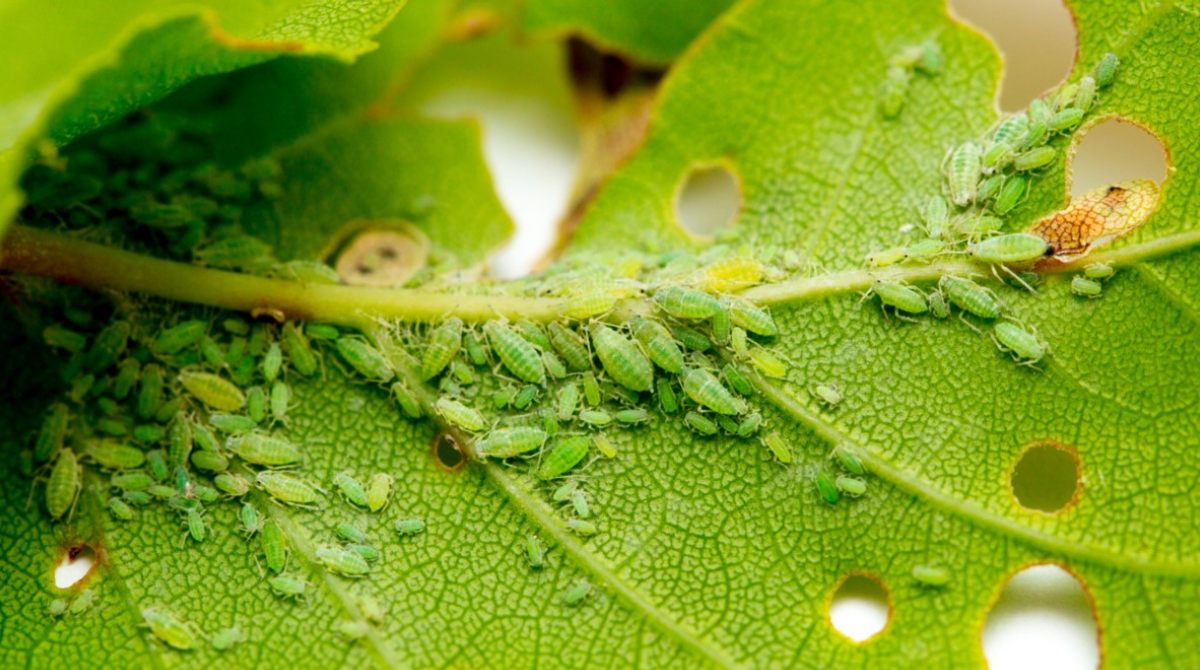
Aphids are persistent pests that can cause significant damage to plants by feeding on their sap. However, various methods can effectively encourage aphids to leave your plants. Here are some of the strategies:
Natural Predators
Introducing natural predators is one of the most effective ways to control aphid populations. Predators such as ladybugs, lacewings, and parasitic wasps feed on aphids and can significantly reduce their numbers.
- Ladybugs: They can consume up to 50 aphids a day and are a popular choice for biological control.
- Lacewings: Their larvae are voracious aphid eaters and can significantly decline aphid colonies in a short amount of time.
- Parasitic Wasps: These wasps lay eggs inside aphids; when the larvae hatch, they feed on the aphid from within, leading to its demise.
Neem Oil
Using neem oil is an organic way to repel aphids. This natural pesticide disrupts the hormonal processes in insects, preventing them from growing and reproducing.
- Application: Mix neem oil with water and dish soap, spraying directly onto affected plants.
- Timing: Apply during the early morning or late afternoon to avoid harming beneficial insects.
- Repeat: For best results, reapply every 7-14 days or after rain.
Insecticidal Soap
Insecticidal soap is another option for getting rid of aphids. It works by suffocating the insects and disrupting their cell membranes.
- Mixing Solution: Combine pure liquid soap with water to create a spray.
- Direct Application: Spray the soap solution directly onto the aphids, ensuring thorough coverage.
- Reapplication: This method may need to be repeated every few days for persistent infestations.
Companion Planting
Companion planting involves growing specific plants next to each other to deter pests. Certain plants can repel aphids or attract beneficial insects that will prey on them.
- Garlic: The strong odor of garlic is known to repel aphids, making it a great companion plant.
- Chives: Similar to garlic, chives can ward off aphids while attracting pollinators.
- Marigolds: These flowers attract predatory insects and can help keep aphids at bay.
Essential Oils
Certain essential oils can also deter aphids due to their strong scents and properties. Oils such as peppermint, rosemary, and cinnamon are particularly effective.
- Mixing Oils: Combine a few drops of essential oil with water and soap to create a deterrent spray.
- Application: Spray the mixture on your plants, focusing on affected areas.
- Frequency: Repeat applications as needed, especially after rain or heavy watering.
Questions from Our Readers
What do aphids hate the most?
Aphids are particularly averse to strong scents and certain natural repellents. They dislike the smell of garlic, peppermint, and neem oil, which can deter them from infesting plants. Using these substances can help create a hostile environment for aphids.
How can I use essential oils to repel aphids?
Essential oils such as peppermint or rosemary can be mixed with water to create a natural spray that aphids find unappealing. By applying this mixture to affected plants, you can help to effectively repel aphids without harming the environment.
Do certain plants repel aphids?
Yes, planting companion plants such as marigolds, lavender, or basil can help repel aphids. These plants emit odors that aphids find unpleasant, reducing the likelihood of them settling on nearby plants.
See also:
Can I use vinegar to deter aphids?
Yes, a diluted solution of vinegar can be an effective way to deter aphids. The acidity of vinegar disrupts their natural habitat and masks the scents of host plants, making them less inviting for aphids.

If you want to read more articles like What Do Aphids Hate the Most? Discover Effective Solutions for Pest Control, we recommend you check out our Insects category.
Leave a Reply
Related Articles