Which Plants Are Most Susceptible to Aphids? Discover the Top Vulnerable Species and Effective Solutions

Aphids are among the most common pests that threaten the health of various plants, with their presence leading to stunted growth and reduced yields. Understanding which plants are most susceptible to these tiny insects is crucial for gardeners and farmers alike. In this article, we will explore the top vulnerable species that attract aphids, highlighting their characteristics and preferred conditions. Additionally, we will provide effective solutions and preventive measures to help combat these pests, ensuring that your garden or crops remain healthy and thriving. Join us as we delve into the world of aphids and their impact on plant health.
Which Plants Are Most Susceptible to Aphids?
Aphids are common pests that target a variety of plants, particularly those that are tender and lush, making them especially appealing to these sap-sucking insects. Among the most susceptible plants are roses, hollyhocks, cabbage, and many houseplants, including spider plants and pothos. Aphids thrive in warm, sheltered environments and are particularly drawn to young, actively growing tissues, where they can feed on sap and potentially transmit diseases. Conditions such as high nitrogen levels, which promote lush growth, can further increase the likelihood of an aphid infestation, making regular monitoring essential for maintaining plant health.
Common Flowers Attracting Aphids
Many flowering plants, such as dahlias, marigolds, and zinnias, frequently attract aphids due to their tender, succulent new growth. The abundant nectar and the soft tissue of these flowers create an ideal habitat for aphids to feed on. Additionally, flowering plants that are grown close together can create a humid microclimate, further enticing these pests. Regular deadheading and pruning can help manage aphid populations on these beautiful blooms.
Vegetables Vulnerable to Aphids
Certain vegetable crops like lettuce, spinach, and kale are notably vulnerable to aphid infestations. These leafy greens provide ample food resources for aphids, especially during early growth stages. Consequently, gardeners should be vigilant about protecting these crops, employing techniques such as companion planting and maintaining good air circulation to deter aphid establishment.
Houseplants Frequently Affected by Aphids
Indoor plants are not immune, with species like fiddled leaf figs, African violets, and sansevierias often becoming targets for aphids. The warm, humid conditions within homes can create favorable environments for infestation. Regular inspections and isolated care are crucial to prevent aphid growth on these houseplants, along with potential treatment options like insecticidal soap.
Aphid-Resistant Species
While many plants are prone to aphids, certain species demonstrate some resistance. Plants like lavender, rosemary, and marigolds are less frequently affected because their aromatic oils deter aphid feeding. Incorporating these resilient varieties into gardens can help maintain healthy ecosystems while also providing aesthetic appeal. They can serve as companion plants to more susceptible species, offering a protective barrier against aphids.
Environmental Conditions Favoring Aphid Infestations
Environmental factors play a crucial role in aphid populations, with warm weather and high humidity creating ideal conditions for these pests. They tend to thrive during the spring and summer months when the temperatures are optimal. Furthermore, nitrogen-rich soils can lead to lush plant growth, making them even more inviting to aphids. Closing this link among growth conditions, monitoring environmental variables and introducing natural predators can effectively reduce aphid problems in gardens.
| Plant Type | Susceptibility to Aphids |
|---|---|
| Flowers | High |
| Vegetables | High |
| Houseplants | Medium |
| Aphid-Resistant Plants | Low |
What plants attract aphids the most?
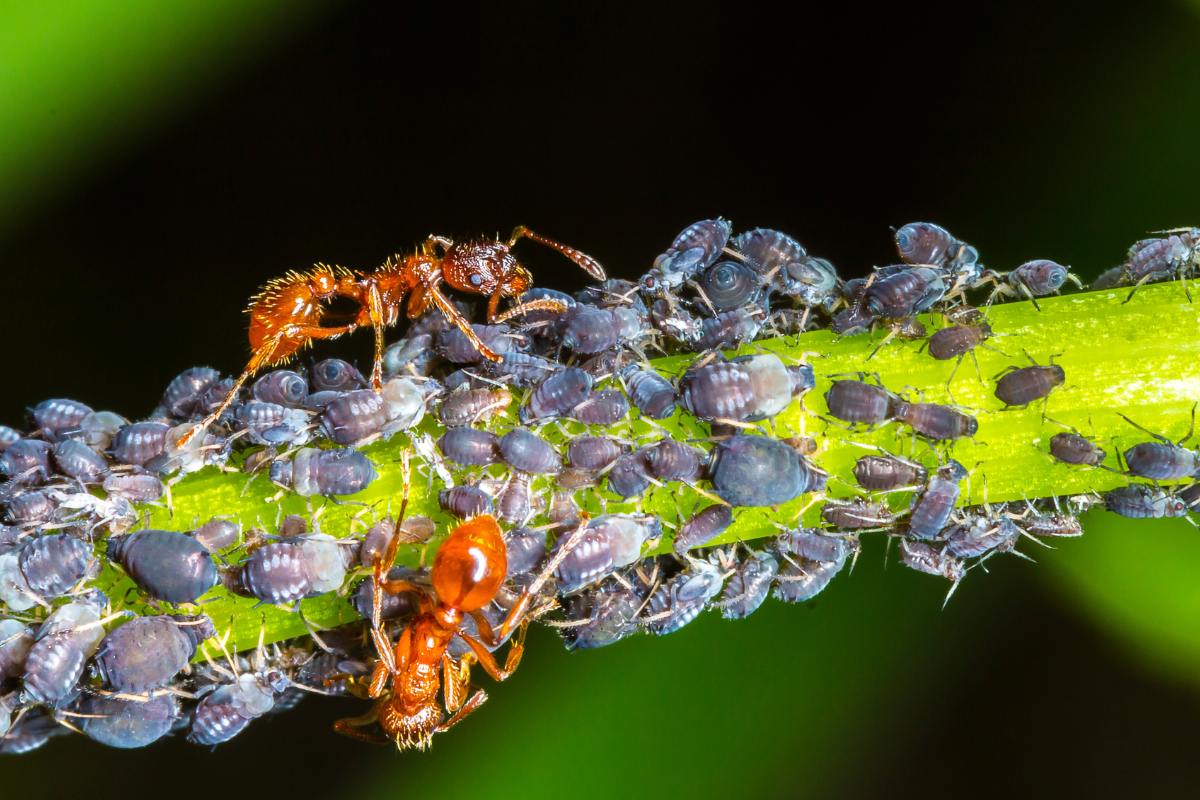
Aphids are small sap-sucking insects that can cause considerable damage to a wide variety of plants. There are specific plants that tend to attract aphids more than others due to their nutritional content and vulnerability. Here are some plants known to draw aphids the most:
1. Roses: Aphids have a particular affinity for roses, as these plants offer an excellent source of sap. The tender young shoots and flower buds are especially appealing to these pests.
2. Cabbage Family: Members of the brassica family, including broccoli, cauliflower, and cabbage, are notorious for attracting various aphid species. The high sugar content and tender leaves make them prime targets.
3. Beans: Both snap and pole beans can attract aphids, especially in the early stages of growth. Their young foliage presents a nutritious meal for these pests.
4. Peppers: Sweet and hot peppers are also favorites for aphids, particularly when plants are stressed or over-fertilized, leading to lush new growth.
5. Nasturtiums: These are often planted as companion plants but can attract aphids themselves. They are known to lure aphids away from more valuable crops but can also become infested.
See also:
Why Roses Attract Aphids
Roses are highly attractive to aphids due to their soft, lush foliage and sweet sap content. The buds and new growth provide the ideal feeding site for these pests. They are particularly drawn to roses under stress, as stressed plants may emit certain scents and produce more tender leaves, making them even more appealing.
- Soft leaves that are easier to penetrate.
- High sugar content in sap.
- Presence of the aphid's preferred feeding locations, such as flower buds.
The Allure of Cabbage Family Plants
The brassica family, which includes kale, cabbage, and Brussels sprouts, offers an attractive feeding ground for aphids due to their high nutrient content. These plants often produce young leaves with higher sugar concentrations, making them ideal targets for aphids looking for nourishment.
- High nutrient and sugar levels attract aphids.
- Tender young leaves provide easy access and optimal feeding conditions.
- High susceptibility to aphids due to their continuous growth pattern.
Aphids and Bean Plants
Beans are another major attractant for aphids, particularly when young. The tender growth stages provide ample food sources for aphids looking to thrive. Both climbing and bush beans can serve as a host for various aphid species.
- Young bean plants have soft foliage rich in sap.
- Fast-growing plants can provide constant new growth for feeding.
- Vulnerability to aphids increases during periods of stress.
Peppers and Aphid Attraction
Peppers, both sweet and spicy varieties, are also prone to aphid infestations. The lush foliage resulting from excessive fertilization or optimal growing conditions tends to attract these pests, particularly during the early growth stages.
- High nutrient content can lead to lush growth, attracting aphids.
- Soft shoots are more accessible for aphid feeding.
- Stressed plants emit scents that can draw aphids.
Nasturtiums as Aphid Magnets
While many gardeners plant nasturtiums to deter pests, these plants can themselves become hosts for aphids. The attractive flowers and leaves provide a nutrient-rich supply that can draw aphids, especially when nearby plants are not available.
- Bright flowers attract not just pollinators but aphids as well.
- Tender leaves serve as a food source.
- They can become infested quickly, especially when planted among other susceptible plants.
What do aphids hate the most on plants?
:max_bytes(150000):strip_icc()/Aphid-0811e23fa37b41aea2e4c7bee5025bf6.jpg)
Aphids are notorious pests that can wreak havoc on various plants. Understanding what they dislike can significantly aid in managing their populations and protecting your plants. Here are some things aphids hate the most:
Aromatic Herbs
Aphids have a strong aversion to certain aromatic herbs that can act as natural repellents. These herbs not only deter aphids but can also enhance the overall health of the garden ecosystem. The following herbs are particularly effective:
- Basil: The scent of basil is known to repel aphids and can be used effectively in companion planting.
- Mint: Its strong aroma is off-putting to aphids, making it a great choice around ornamental and edible plants.
- Rosemary: This herb not only adds flavor to dishes but also serves as a deterrent to aphids.
Companion Plants
Some companion plants are beneficial in repelling aphids from more vulnerable species. These plants create a natural barrier and can disrupt the aphid's life cycle. Effective companion plants include:
- Nasturtium: Known for luring aphids away from more valuable crops, nasturtiums can protect other plants.
- Garlic: Its pungent smell is detested by aphids and can be used in sprays to ward them off.
- Marigold: This flower not only brightens up the garden but also helps in repelling various pests, including aphids.
Aromatic Essential Oils
Using aromatic essential oils in pest management can be an effective strategy against aphids. They can be diluted and sprayed on plants as a deterrent. Key oils to consider include:
- Peppermint oil: This oil has a strong scent that aphids find unappealing.
- Tea tree oil: Known for its numerous benefits, tea tree oil also acts as a great repellent against aphids.
- Neem oil: While it has other uses, neem oil is effective at disrupting the life cycle of aphids.
Natural Predators
Encouraging natural predators in your garden is one of the best ways to manage aphid populations. Beneficial insects can help keep aphid numbers in check without harming your plants. Key predators include:
- Ladybugs: These insects are voracious feeders on aphids and can significantly reduce their numbers.
- Hoverflies: Their larvae feed on aphids, making them a beneficial addition to pest management.
- Parasitic wasps: These wasps lay eggs inside aphids, effectively controlling their population.
Strongly Scented Flowers
Certain strongly scented flowers can deter aphids with their pungent aromas. Planting these flowers can enhance the garden's aesthetic while also repelling pests. Notable flowers include:
- Lavender: The fragrant smell of lavender keeps aphids at bay and attracts beneficial pollinators.
- Chrysanthemum: Their scent is particularly strong and acts as a natural deterrent for many pests, including aphids.
- Geranium: Certain varieties can confuse aphids and prevent them from visiting more susceptible plants.
What is a natural enemy of aphids?

Aphids are small sap-sucking insects that can cause significant damage to plants. Their natural enemies are crucial for controlling their populations and maintaining a balanced ecosystem. One of the most effective natural enemies of aphids is the ladybug, also known as the ladybird beetle. These beetles are not only iconic for their polka-dotted appearance but are notorious for their appetite for aphids. A single ladybug can consume up to 50 aphids in a single day, making them incredibly effective in controlling aphid populations.
See also:
Role of Ladybugs in Controlling Aphid Populations
Ladybugs act as biological control agents against aphids. Their predation is vital for maintaining plant health and preventing aphid outbreaks. The life cycle of ladybugs includes several stages where they are voracious eaters.
- Larvae: The ladybug larvae are also predatory and can eat large numbers of aphids.
- Reproduction: A female ladybug can lay hundreds of eggs, which quickly hatch into larvae that start feeding.
- Population Dynamics: The presence of ladybugs can significantly decrease local aphid populations, resulting in healthier plants.
Other Natural Predators of Aphids
In addition to ladybugs, various other organisms are natural predators of aphids. These predators contribute to the ecological balance by reducing aphid populations without the use of chemical pesticides.
- Lacewings: Both larvae and adults feed on aphids. Lacewing larvae are known as aphid lions for their fierce predation.
- Parasitic Wasps: Certain species lay eggs inside aphids, leading to the eventual death of the host.
- Hoverflies: Their larvae, which resemble small maggots, feed on aphids extensively.
The Importance of Natural Enemies in Agriculture
The presence of natural enemies like ladybugs and other predators can significantly impact agricultural practices. They serve as a natural form of pest control, reducing the need for chemical pesticides.
- Sustainability: Utilizing natural predators promotes sustainable farming practices.
- Cost-Effectiveness: Relying on natural pest control can lower production costs for farmers.
- Biodiversity Enhancement: Encouraging natural predators contributes to greater biodiversity in agricultural ecosystems.
Integrating Natural Predators in Pest Management Strategies
Farmers are increasingly incorporating natural predators into their pest management strategies. This integration is part of a broader approach known as Integrated Pest Management (IPM).
- Habitat Creation: Planting flowers that attract ladybugs and other predators can enhance their populations.
- Monitoring: Regularly checking the presence of natural enemies helps manage pest populations effectively.
- Minimizing Pesticide Use: Reducing chemical applications allows natural predator populations to thrive.
Challenges in Maintaining Natural Predator Populations
While natural predators are essential for controlling aphid populations, several challenges exist in maintaining their populations effectively.
- Habitat Loss: Urbanization and agricultural practices can destroy the habitats of these predators.
- Chemical Pesticides: The use of pesticides can harm beneficial insects, including natural enemies of aphids.
- Climate Change: Changes in climate can affect the life cycles and distribution of natural predator species.
What naturally keeps aphids away?
:max_bytes(150000):strip_icc()/control-aphids-on-houseplants-1902889-FINAL-9e4d8d6f77874b13ad9b9bc5800471c1.png)
Aphids can be a common garden pest, but there are various natural methods to keep them away without resorting to chemical pesticides. The following strategies leverage beneficial plants, insects, and natural substances to deter aphids from your garden.
Companion Planting
Companion planting involves growing certain plants together to enhance growth and deter pests. When it comes to aphids, specific plants can naturally repel them due to their strong scents or qualities.
- Nasturtiums: These flowers attract aphids away from vegetables, serving as a trap crop.
- Marigolds: Known for their scent, marigolds can repel a variety of pests, including aphids.
- Garlic: Planting garlic among other plants can deter aphids due to its pungent odor.
Utilizing Beneficial Insects
Introducing beneficial insects into your garden can help control aphid populations naturally. These insects prey on aphids or compete with them for resources.
- Ladybugs: These insects are voracious aphid eaters and can significantly reduce aphid populations.
- Lacewings: The larvae of lacewings feed on aphids and are effective predators.
- Parasitic Wasps: Certain wasps lay their eggs inside aphids, ultimately controlling their numbers.
Natural Repellents
Certain natural substances can repel aphids when applied to plants. These natural repellents are easy to make and apply.
- Neem Oil: Extracted from the seeds of the neem tree, neem oil disrupts the life cycle of aphids.
- Insecticidal Soap: This soap can suffocate aphids and is often derived from natural plant oils.
- Hot Pepper Spray: Mixing hot pepper with water can create a spray that repels aphids due to its heat.
Maintaining Plant Health
Healthy plants are less susceptible to aphid infestations. By focusing on the overall health of your plants, you can naturally deter aphids.
- Proper Watering: Avoid overwatering, as stressed plants are more attractive to aphids.
- Soil Nutrients: Ensure that your plants receive the necessary nutrients, making them more resilient.
- Regular Pruning: Remove any dead leaves or stems that could harbor aphids.
Encouraging Biodiversity
A diverse garden can promote a healthy ecosystem, which naturally limits the population of aphids. This strategy supports the balance between pests and their predators.
- Plant Variety: Introduce a variety of plants to attract different beneficial insects.
- Crop Rotation: Change the position of your crops each season to prevent aphids from establishing a presence.
- Wildflowers: Incorporate native wildflowers to attract pollinators and predator insects.
Questions from Our Readers
Which plants are most susceptible to aphids?
Aphids can infest a variety of plants, but they are particularly attracted to soft-stemmed plants such as roses, peas, and beans. Additionally, ornamental plants like hostas and geraniums are also common targets, due to their tender foliage.
How can I identify plants affected by aphids?
Plants infested with aphids often exhibit distorted leaves, yellowing foliage, and sticky residue known as honeydew. You may also notice small clusters of aphids on the undersides of leaves, which can indicate a significant infestation.
See also:
What environmental conditions increase aphid susceptibility?
Aphids thrive in warm, dry conditions, making plants more susceptible during the spring and summer months. Lack of natural predators due to pesticide use can also increase the likelihood of an aphid invasion, as these insects have fewer enemies to control their population.
Can healthy plants still get aphids?
Yes, even healthy plants can become infested with aphids, particularly during times of stress such as drought or overcrowding. Aphids tend to target plants that are less vigorous, but any plant can fall victim if conditions are right, and they are near an existing aphid population.

If you want to read more articles like Which Plants Are Most Susceptible to Aphids? Discover the Top Vulnerable Species and Effective Solutions, we recommend you check out our Insects category.
Leave a Reply
Related Articles