What is the Main Issue Caused by Aphids? Understanding Their Impact on Plants

Aphids, tiny sap-sucking insects, pose significant threats to a variety of plants, leading to a myriad of agricultural challenges. Their feeding behavior not only weakens plant vigor but also opens the door to diseases, as they can act as vectors for numerous pathogens. Understanding the main issues caused by aphids is crucial for farmers, gardeners, and researchers alike, as their impact can ripple through entire ecosystems. This article delves into the complexities of aphid infestations, exploring their detrimental effects on plant health, crop yields, and overall biodiversity, while also discussing potential management strategies to mitigate these challenges.
Main Issues Caused by Aphids
Aphids, small sap-sucking insects, pose significant problems for gardeners and farmers alike due to their ability to rapidly reproduce and infest a wide variety of plants. The main issue caused by aphids is their feeding behavior, which weakens plants by extracting vital nutrients from their sap. This can lead to reduced plant vigor, stunted growth, and, in severe infestations, even plant death. Additionally, aphids are known to transmit various plant viruses, contributing to further crop loss and affecting the quality and yield of the produce. The excretion of honeydew, a sticky substance produced by aphids, can attract other pests and lead to the growth of sooty mold, further complicating the health of the plants and the surrounding ecosystem.
Impact on Plant Health
Aphids affect plant health by compromising their ability to photosynthesize effectively. As they feed on the sap, they drain essential nutrients such as nitrogen and sugars, which can lead to yellowing leaves, wilting, and decreased overall vigor. Prolonged infestations can severely weaken plants, making them more susceptible to diseases and other pests. The stress inflicted upon plants can manifest in poor growth and an inability to produce flowers or fruits.
Transmission of Plant Viruses
One of the most significant risks posed by aphids is their role as vectors for various plant viruses. When aphids feed on infected plants, they can carry viral particles to healthy plants as they move from one host to another. This transmission can occur quickly, causing viral infections to spread rapidly within a garden or crop field, leading to widespread damage and economic losses for farmers. Viruses such as the Cucumber Mosaic Virus can severely affect the growth and yield of host plants.
Honeydew Production and Sooty Mold
The production of honeydew by aphids is another critical issue, as this sticky substance can accumulate on plant surfaces and create a favorable environment for the growth of sooty mold. This black fungal growth not only affects the aesthetic quality of plants but can also interfere with photosynthesis by blocking sunlight. Furthermore, honeydew attracts other pests such as ants, which farm aphids in return for the sweet excretions, exacerbating the infestation problem.
Economic Impact on Agriculture
The economic impact of aphid infestations can be severe, leading to reduced crop yields and increased costs for control measures. Farmers may need to invest in insecticides, implement integrated pest management strategies, or hire additional labor to manage aphid populations effectively. The loss of crops due to aphid-related issues can have a cascading effect on the local economy, affecting not only direct agricultural output but also related industries.
Control and Management Strategies
Effective control and management of aphid populations are crucial to mitigating their impact on plants. Strategies include introducing natural predators, such as ladybugs and lacewings, which can help keep aphid numbers in check. Additionally, employing resistant plant varieties and using insecticidal soaps or neem oil can provide effective control. Regular monitoring of plant health and aphid populations is essential in ensuring that infestations are detected early, minimizing damage to crops.
| Issue | Effect |
|---|---|
| Aphid Feeding | Weakens plants, leads to stunted growth |
| Virus Transmission | Spreads diseases among plants |
| Honeydew Excretion | Attracts pests, leads to sooty mold growth |
| Economic Loss | Reduces crop yields and increases management costs |
| Management Challenges | Requires integrated pest management strategies |
What problems do aphids cause?

Aphids are small, sap-sucking insects that can cause a variety of problems in gardens, crops, and even ornamental plants. These pests are known for their rapid reproduction rates and can quickly form large colonies, leading to significant damage.
Impact on Plant Health
Aphids directly feed on the plant's sap, which is rich in nutrients. This feeding can lead to several health issues for the plant, including:
- Stunted Growth: As aphids extract vital nutrients, the plant may struggle to grow properly.
- Leaf Curling: Aphid feeding can disrupt the plant’s natural growth hormones, causing leaves to curl and distort.
- Yellowing of Leaves: The loss of sap can result in the yellowing of leaves, a condition known as chlorosis, indicating the plant is unwell.
Transmission of Plant Diseases
Aphids are known vectors for a variety of plant viruses, which can further compromise crop health. The problems caused by their role in disease transmission include:
- Virus Spreading: Aphids can transmit viruses such as Cucumber Mosaic Virus and Beet Western Yellows Virus, leading to widespread disease in crops.
- Difficulties in Management: Once a virus is introduced to a plant, managing the disease becomes extremely challenging, often requiring aggressive pest control measures.
- Yield Loss: Infected plants often produce lower yields or may die, ultimately impacting agricultural productivity.
Attraction of Secondary Pests
Aphids produce a sticky substance known as honeydew, which can attract other pests and lead to further complications. These complications include:
- Ant Attendance: The presence of honeydew can attract ants, which farm aphids and protect them from natural predators.
- Fungal Growth: Honeydew provides a perfect environment for sooty mold, which can coat plant surfaces and inhibit photosynthesis.
- Increased Pest Pressure: The overall pest density in the garden increases, leading to competition for resources and additional management challenges.
Crop Economic Damage
The impact aphids have on agriculture can lead to significant economic losses. These losses are characterized by:
See also:
- Increased Control Costs: Farmers may need to invest more in pest management strategies to combat aphid infestations.
- Reduced Quality: Aphid-damaged crops can be of lower quality, leading to reduced market prices.
- Market Restrictions: Some markets may impose restrictions on aphid-infested produce, further limiting sales opportunities.
Negative Aesthetic Effects
In ornamental gardening, aphids can detract from a plant’s aesthetic appeal, resulting in several issues:
- Unsightly Mold: The buildup of sooty mold on leaves due to honeydew can make plants look unattractive.
- Distorted Growth: Plants affected by aphids may grow in unusual shapes, which diminishes their visual appeal.
- Decreased Commercial Value: This visual damage can reduce the marketability of ornamental plants and affect sales in nurseries.
Which type of damage is caused by aphids?
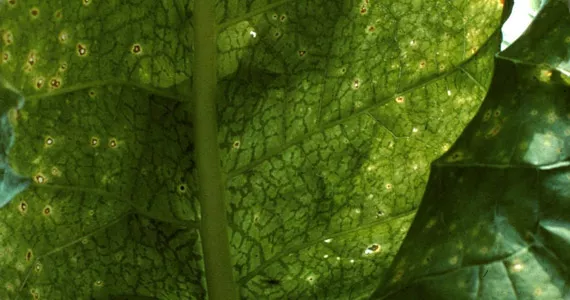
Aphids are small, soft-bodied insects known for their feeding habits on various plants. They primarily cause damage through their feeding activity, which can lead to a range of negative effects on plant health and growth. The key types of damage caused by aphids include:
1. Sap Extraction: Aphids feed on plant sap by inserting their specialized mouthparts into the plant tissues. This feeding removes vital nutrients and water from the plant, leading to weakened vitality and stunted growth. As a result, affected plants may exhibit signs of distress, including yellowing leaves, reduced vigor, and overall poor health.
2. Honeydew Production: While feeding, aphids excrete a sugary substance known as honeydew. This byproduct can attract other pests such as ants and encourages the growth of sooty mold, which can cover leaves and hinder photosynthesis. The presence of honeydew can lead to secondary issues for the plant, such as:
- The development of sooty mold, which blocks sunlight.
- Attraction of other pests, increasing the likelihood of infestations.
- Reduction in the aesthetic quality of the plant, affecting its market value.
3. Transmission of Diseases: Aphids are known vectors of numerous plant viruses and pathogens. When they feed on infected plants and later move to healthy ones, they can transfer these diseases, leading to widespread problems within a garden or agricultural area. The diseases caused by aphids can result in:
- Severe yield loss in crops.
- Uncontrolled spread of viral infections.
- Long-term damage to plant health and productivity.
4. Physical Plant Damage: The feeding activity of aphids can lead to direct physical damage to plants, including deformation of leaves, stunted growth, and even plant death in severe infestations. This type of damage is particularly evident in young plants or new growth areas, leading to:
- Malformed leaves that may curl or become distorted.
- Reduced overall growth potential.
- Increased susceptibility to other pests and diseases.
5. Impact on Plant Companions: The presence of aphids can also indirectly affect nearby plants. As aphid populations grow, their honeydew can lead to the growth of sooty mold on neighboring plants, compromising their health and growth. This can result in:
- Increased competition among plants for sunlight and nutrients.
- Higher likelihood of secondary pest problems affecting surrounding plants.
- Challenges in maintaining a balanced ecosystem in gardens or farms.
Which disease is caused by aphids?
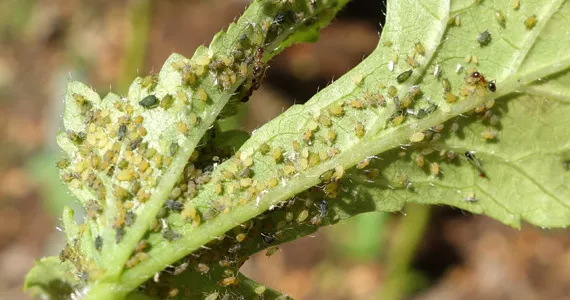
Aphids are known to be vectors for various plant diseases, but one of the most significant diseases they transmit is the potato virus Y (PVY). This virus affects a wide range of plants, particularly those in the Solanaceae family, which includes potatoes, tomatoes, and peppers. Aphids acquire the virus while feeding on infected plants and can subsequently transmit it to other healthy plants during their feeding activities. The impact of PVY can be severe, leading to stunted growth, reduced yields, and overall poor plant health.
Understanding Aphid Transmission
Aphids are notorious for their ability to spread plant viruses. They transmit these viruses through their salivary glands while feeding on the sap of plants.
- Feeding Mechanism: Aphids insert their needle-like mouthparts into the plant tissue, allowing them to suck out the sap.
- Virus Acquisition: While feeding on an infected plant, aphids can acquire the virus and carry it in their bodies.
- Infection Cycle: When a previously healthy plant is fed upon by an infected aphid, the virus is injected into the plant, resulting in infection.
Symptoms of Potato Virus Y
The symptoms caused by Potato Virus Y can vary, but several typical signs are commonly observed in infected plants.
- Leaf Curl: Infected plants often display pronounced curling of the leaves, which can inhibit photosynthesis.
- Stunting: There is often noticeable stunting in plant growth, leading to smaller and weaker plants.
- Yellowing: Leaves may also exhibit yellowing, particularly in between the veins, indicating a nutrient imbalance caused by the virus.
Impact on Agriculture
The presence of Potato Virus Y can have a devastating effect on agricultural practices, especially for crop producers.
See also:
- Yield Loss: Infected crops typically yield significantly less, impacting economic returns for farmers.
- Management Costs: Increased costs may arise from the need for pest control and disease management strategies to combat aphid populations.
- Marketability: Virus-infected crops may be less marketable due to visual symptoms and lower quality, further impacting profits.
Preventive Measures Against Aphids
Preventing aphid infestations is crucial in managing the spread of Potato Virus Y. There are several effective strategies.
- Cultural Practices: Rotating crops and maintaining healthy soil can help reduce the attractiveness of plants to aphids.
- Natural Predators: Introducing beneficial insects, such as ladybugs, can naturally control aphid populations.
- Chemical Control: When necessary, targeted insecticides can be used, although care should be taken to minimize harm to beneficial insects.
The Role of Climate in Aphid Populations
Climate plays a crucial role in the dynamics of aphid populations and their ability to transmit diseases, including Potato Virus Y.
- Temperature Effects: Warmer temperatures can lead to increased aphid reproduction rates and more significant outbreaks.
- Moisture Influence: Changes in moisture levels can affect plant health and aphid vulnerability, impacting their transmission potential.
- Seasonal Patterns: Certain times of the year may see an increase in aphid activity, which farmers must monitor to implement timely control measures.
What happens if you don't get rid of aphids?

If you don't get rid of aphids, your plants can suffer significantly. Aphids are small, soft-bodied insects that feed on the sap of plants. One of the primary consequences of allowing an aphid infestation to continue is the weakening of the plants’ health. As they feed, they drain vital nutrients, leading to stunted growth, yellowing leaves, and in severe cases, plant death. Furthermore, aphids are known to transmit plant viruses, compounding the damage they cause.
Plant Health Decline
Aphids extract sap from plants, resulting in a considerable decline in plant health. The effects of this sap depletion can be severe:
- Stunted Growth: Young plants may not reach their full potential.
- Yellowing Leaves: Chlorosis can occur as a result of nutrient deficiency.
- Overall Weakness: Affected plants become more susceptible to diseases.
Increased Vulnerability to Diseases
Without intervention, aphids can expose your plants to various diseases. Their feeding can weaken the plants, making them more susceptible to:
- Fungal Infections: Wounds caused by aphid feeding can allow pathogens to enter.
- Bacterial Infections: Aphids can introduce harmful bacteria while feeding.
- Viral Diseases: They are notorious for transferring viruses from plant to plant.
Honeydew Production and Ant Attraction
Another consequence of aphid infestations is the production of honeydew, a sticky substance excreted by the aphids. This can lead to several problems:
- Sooty Mold: Honeydew can promote the growth of sooty mold, which affects photosynthesis.
- Ant Activity: Ants are attracted to honeydew and may protect aphids from their natural predators.
- Allergy and Cleanliness Issues: Honeydew can create a mess on plants and surfaces.
Impact on Biodiversity
The presence of aphids can disrupt local ecosystems. Their impact on biodiversity may include:
- Predator Population Decline: Natural predators are often kept at bay by ants.
- Competition for Resources: Infested plants may outcompete healthier counterparts.
- Disruption of Pollination: Flowers can be affected, leading to fewer pollination events.
Economic Consequences for Gardens and Farms
The infiltration of aphids can have significant economic impacts in gardens and agricultural settings:
- Reduced Yields: Infested crops can lead to lower harvest quantities.
- Increased Pest Control Costs: Additional resources may be needed to manage infestations.
- Market Value Loss: Damaged plants may not sell, leading to financial losses.
Questions from Our Readers
What are aphids and why are they a problem?
Aphids are small, soft-bodied insects that feed on the sap of plants, causing damage to the plants by weakening them. The main issue they cause is their ability to multiply rapidly, leading to large infestations that can result in stunted growth, yellowing leaves, and even plant death.
How do aphids affect plant health?
Aphids can significantly impact plant health as they extract critical nutrients from the sap, leading to reduced vigor and overall decline. Additionally, their presence can result in the transmission of plant viruses, further compromising the plant’s ability to thrive.
What are the signs of an aphid infestation?
Signs of an aphid infestation include curling or yellowing leaves, sticky residues on the foliage known as honeydew, and the presence of sooty mold. You may also notice an increase in ants, which are attracted to the honeydew produced by aphids.
How can you control aphid populations?
Controlling aphid populations can be achieved through natural predators like ladybugs, the use of insecticidal soaps, or by introducing Neem oil. Maintaining plant health through proper care can also make them less susceptible to aphid attacks.
See also:

If you want to read more articles like What is the Main Issue Caused by Aphids? Understanding Their Impact on Plants, we recommend you check out our Insects category.
Leave a Reply
Related Articles