What is the Best Predator for Aphids? Discover Effective Natural Solutions
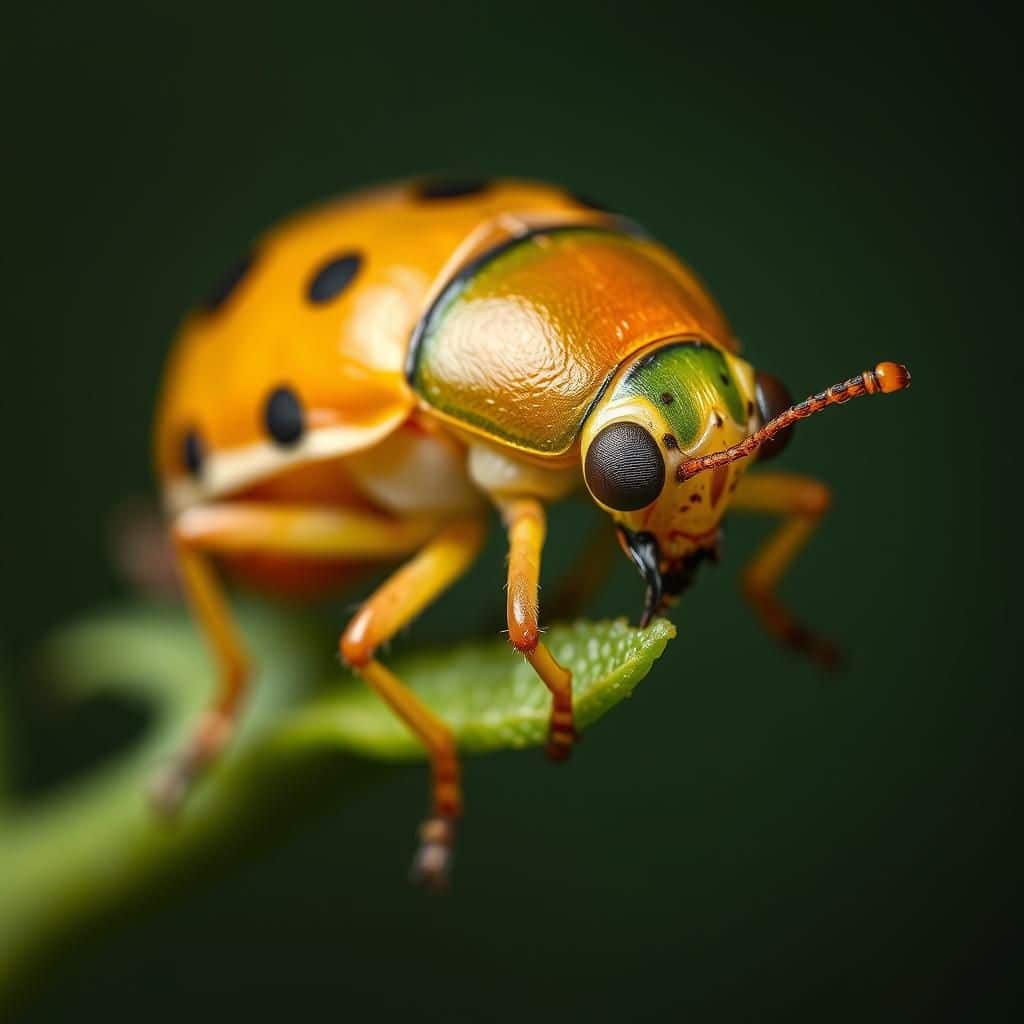
Aphids are notorious pests that can devastate gardens and crops, feeding on the sap of plants and weakening their health. As gardeners and farmers strive to protect their plants without resorting to harmful chemicals, the search for natural solutions becomes paramount. One of the most effective methods to combat aphid infestations is through the introduction of natural predators. This article explores the best predators for aphids, highlighting their benefits and how they can be integrated into your pest management strategy. Discover these effective allies of nature that can help you maintain a healthy and thriving garden ecosystem.
What is the Best Predator for Aphids?
The best predators for aphids are typically natural enemies that effectively control their populations in gardens and agricultural settings. Among these, ladybugs (or ladybird beetles) and lacewings are two of the most effective. Ladybugs can consume up to 50 aphids per day in their larval stage, while lacewing larvae are voracious feeders, devouring a wide variety of soft-bodied insects, including aphids. Additionally, certain species of parasitic wasps also target aphid populations, laying their eggs inside aphids, which leads to the eventual death of the host when the larvae emerge. Incorporating these predators into your pest management strategies can lead to a significant reduction in aphid infestations and promote a healthier ecosystem.
Benefits of Ladybugs in Aphid Control
Ladybugs are one of the most recognized predators of aphids due to their impressive appetite and rapid reproduction rates. A single ladybug can eat as many as 5,000 aphids during its lifetime. This makes them highly effective in controlling aphid populations naturally. Not only do they provide a strong biological alternative to chemical pesticides, but they also foster an ecological balance by preying on other pests, representing an efficient method of integrated pest management.
Lacewings: The Silent Hunters
Lacewing larvae, often called aphid lions, are another formidable foe of aphids. These predators are very effective at managing aphid populations as they consume a large number of prey, including up to 200 aphids per larva per week. Their predatory nature, coupled with their ability to adapt to various environments, makes them an excellent addition to integrated pest management strategies. Lacewings are especially beneficial in greenhouse conditions where aphid infestations may thrive.
Parasitic Wasps: Nature's Biological Control
Parasitic wasps, such as those from the genera Aphidius, are vital in controlling aphid populations. These wasps specifically target aphids by laying their eggs inside them. Once the wasp larvae hatch, they feed on the host aphid, leading to its death, while the adult wasp emerges shortly after. This method of control reduces the aphid population dramatically in a short time and works well in various agricultural practices that favor biological pest control.
See also:
Encouraging Natural Predators
To promote the presence of natural predators in your garden or farm, you can implement several practices: planting a diverse range of plants can attract beneficial insects like ladybugs and lacewings, creating a habitat that supports these predators. Avoiding the use of chemical pesticides is crucial, as these can harm beneficial insect populations. Additionally, providing food sources such as pollen and nectar plants will encourage predators to reside in your vicinity and effectively manage aphid populations.
Combining Multiple Strategies for Optimal Control
Using a combination of biological control agents is often the most effective method for aphid management. By introducing ladybugs, lacewings, and parasitic wasps together, gardeners can create a synergistic effect whereby each predator complements the others' efforts in controlling aphid populations. Additionally, employing cultural practices, such as crop rotation and maintaining plant diversity, can further enhance the effectiveness of these biological control strategies.
| Predator | Prey Consumption | Lifecycle | Optimal Conditions |
|---|---|---|---|
| Ladybug | 50 aphids/day | 1-3 weeks | Warm, dry areas |
| Lacewing | 200 aphids/week | 2-3 weeks | Moist, shaded areas |
| Parasitic Wasp | Multiple aphids/host | 1-2 weeks | Varied humidities |
Understanding the Role of Natural Predators in Aphid Control
Natural predators play a crucial role in managing aphid populations without the use of synthetic pesticides. These beneficial insects, including ladybugs and lacewings, not only feed on aphids but also contribute to a healthier ecosystem by maintaining a balance in the garden or agricultural environment. Encouraging these predators to thrive can be achieved through practices such as planting diverse flowering plants that provide habitat and food sources, thereby supporting their life cycles. This approach not only targets aphid suppression but also promotes overall biodiversity, creating a sustainable solution for pest control.
Ladybugs: Nature's Aphid Assassins
Ladybugs, also known as ladybird beetles, are one of the most recognized natural predators of aphids. A single ladybug can consume up to 50 aphids in a single day, making them incredibly efficient at controlling aphid populations. They thrive in gardens with a variety of flowers and plants that provide nectar and pollen, which are essential for their lifecycle. By attracting ladybugs to your garden, you can significantly reduce the need for chemical pesticides while promoting a more balanced garden ecosystem.
Lacewings: Silent and Effective Hunters
Lacewing larvae, often called "aphid lions," are another powerful predator of aphids. These small insects are voracious eaters; a single lacewing larva can consume hundreds of aphids throughout its development stages. Lacewings are attracted to gardens rich in pollen and nectar, making it important to plant a variety of flowers to ensure their presence. Utilizing lacewings as a form of *biological pest control* provide an environmentally friendly method to mitigate aphid infestations without harming beneficial insect populations.
See also:
Parasitic Wasps: Tiny Warriors Against Aphids
Parasitic wasps, particularly those from the Aphidius genus, are effective in controlling aphid populations by laying their eggs inside aphids. Once the eggs hatch, the wasp larvae consume the aphid from the inside out, effectively eliminating them. This method not only reduces aphid numbers but also allows for the continued growth of plant life, as the mechanical damage caused by aphids is lessened. To attract these beneficial wasps, it is essential to maintain a habitat with a diverse array of native plants that bloom throughout the growing season.
Predatory Mites: Tiny Guardians of Your Plants
Predatory mites, such as Phytoseiulus persimilis, are increasingly used in integrated pest management systems for aphid control. These tiny predators feed on a variety of soft-bodied insects, including aphids, thereby helping to keep their populations in check. While they are more commonly known for controlling spider mites, they also play a role in aphid suppression. Mites thrive in warm, humid conditions, making it vital to create appropriate environments for them to flourish without increasing the risks of other pest invasions.
Encouraging Biodiversity to Support Predator Populations
To maximize the impact of natural predators on aphid control, promoting biodiversity in your garden is key. By planting a wide variety of species and ensuring a mix of flowering plants, gardeners can create an inviting ecosystem for beneficial insects. This diversity aids in providing food sources and habitats for not only natural predators but also a range of other insects that contribute to plant health and pollination. Implementing practices like crop rotation and intercropping can further enhance predator presence, leading to more effective aphid management while fostering ecological harmony.
Questions from Our Readers
What is the best natural predator for aphids?
Ladybugs, also known as ladybird beetles, are considered one of the best natural predators for aphids. They can consume large quantities of aphids during their lifetime, making them highly effective in controlling aphid populations in gardens and agricultural settings.
Are there other insects that prey on aphids?
Yes, several other insects also prey on aphids, including lacewing larvae and hoverfly larvae. These insects, like ladybugs, contribute to natural pest control and can significantly reduce aphid numbers when introduced to an ecosystem.
See also:
How can I attract aphid predators to my garden?
To attract aphid predators to your garden, you can plant nectar-rich flowers and create a habitat that promotes beneficial insects. Flowers like dill, yarrow, and cosmos not only provide food for adult predators but also shelter for their larvae.
Can chemical pesticides harm aphid predators?
Yes, the use of chemical pesticides can pose a significant risk to aphid predators, such as ladybugs and lacewings. These chemicals may kill beneficial insects, disrupting the natural balance of pest control in your garden and potentially leading to an increase in aphid populations.

If you want to read more articles like What is the Best Predator for Aphids? Discover Effective Natural Solutions, we recommend you check out our Insects category.
Leave a Reply
Related Articles