Do Aphids Spread from Plant to Plant? Discover the Secrets of Aphid Transmission!
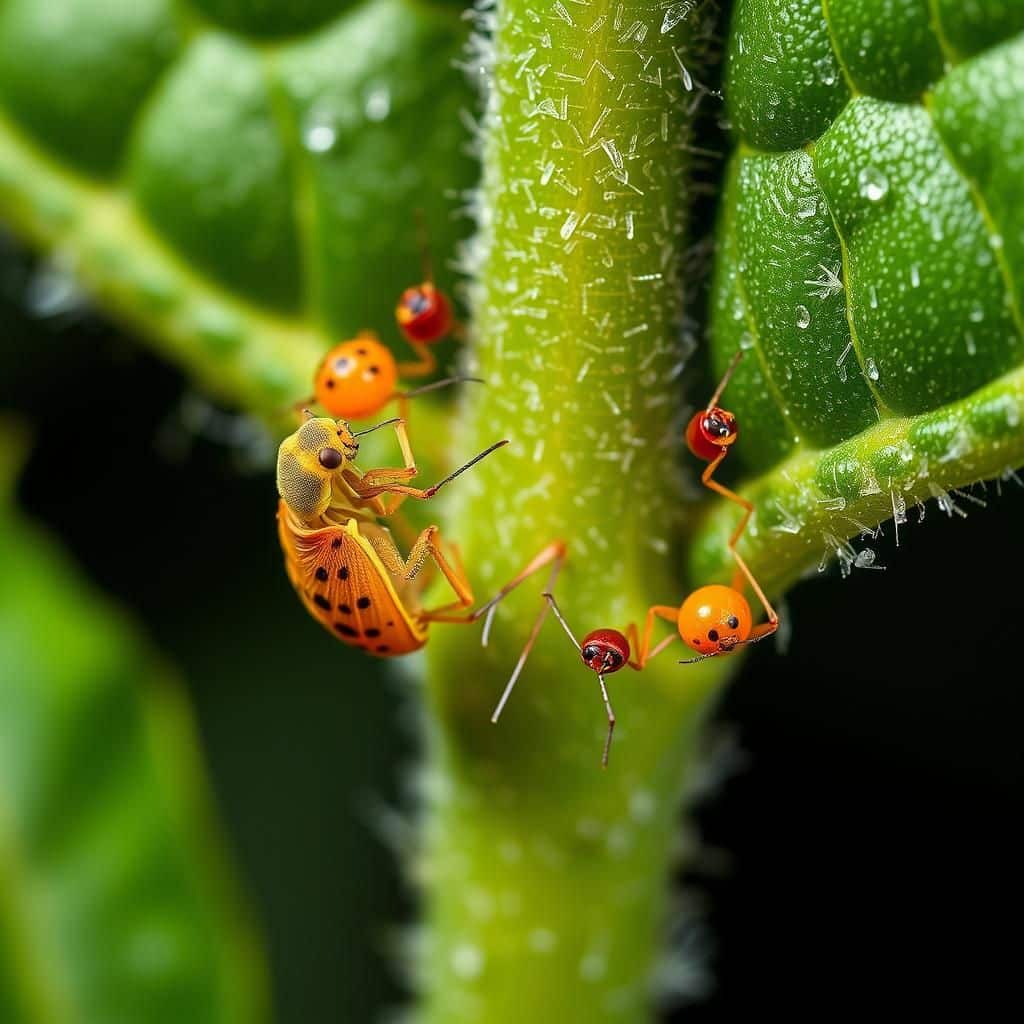
Aphids, often referred to as plant lice, are small, sap-sucking insects that can wreak havoc on gardens and crops. Understanding their transmission methods is crucial for gardeners and farmers alike, as these pests can quickly spread from one plant to another, leading to significant agricultural losses. This article will explore the various ways aphids propagate across plant life, examining factors such as environmental conditions, plant types, and natural predators. By uncovering the secrets of aphid transmission, we aim to equip readers with the knowledge needed to prevent and manage infestations effectively, safeguarding their plants from these resilient pests.
Do Aphids Spread from Plant to Plant?
Aphids are known for their ability to spread from plant to plant, primarily through their feeding habits and reproductive strategies. These small, soft-bodied insects often form large colonies on the foliage of host plants. As they feed on the plant's sap, they can easily move to nearby plants, either by crawling or being carried by the wind. Furthermore, they reproduce rapidly, which increases their population and their likelihood of transferring to adjacent plants. In addition, aphids can also be moved unintentionally by humans through contaminated tools, clothing, or nursery plants, contributing to their spread in gardens and agricultural settings.
How Do Aphids Move Between Plants?
Aphids typically move from plant to plant in two main ways: through their natural crawling behavior and by utilizing external forces such as the wind. While feeding, they can traverse neighboring leaves and stems quite easily. Furthermore, their lightweight bodies make them susceptible to being blown by the wind, allowing large numbers to be dispersed over considerable distances. In addition, some smaller species can be inadvertently carried by birds or other animals, leading to new infestations on uninfected plants.
What Role Do Environmental Conditions Play?
Environmental conditions significantly influence the spread of aphids. Warmer temperatures and high humidity levels can lead to increased aphid populations because these conditions promote faster reproduction rates. On the other hand, adverse weather conditions, such as heavy rain or cold winds, may temporarily reduce their numbers but usually do not eliminate them. Dense plant growth can provide greater shelter for aphids, making it easier for them to establish new colonies on adjacent plants.
Can Aphids Be Transmitted Through Tools and Equipment?
Yes, aphids can be easily transmitted through gardening tools and equipment. When tools are used on infested plants and then moved to uninfested ones, aphids can cling to the surfaces, leading to the unintentional spread of these pests. This risk emphasizes the importance of maintaining clean tools and practice of sanitizing equipment between uses. Regularly cleaning and disinfecting gardening tools can help minimize the potential for aphid transmission.
See also:
What Are the Signs of Aphid Infestation?
Recognizing the signs of aphid infestation is crucial for early intervention. Common indicators include the presence of visible aphids on leaves or stems, which may appear as small, green, black, or pink insects, depending on the species. Other signs include distorted or curled leaves, sticky residue (honeydew) on the plants, and the presence of sooty mold. As aphids feed, they may weaken plants, leading to yellowing foliage and stunted growth.
How Can You Prevent Aphid Spread in Your Garden?
Preventing aphid spread in your garden involves implementing several effective strategies. Regular monitoring of plants for signs of aphids is essential, as early detection can prevent larger infestations. Introducing natural predators, such as ladybugs and lacewings, can help keep aphid populations in check. Additionally, maintaining healthy plants through proper watering and fertilization can make them less susceptible to aphid attacks. Lastly, physical barriers, such as row covers or insect netting, can provide effective protection against these pests.
| Method of Spread | Description |
|---|---|
| Crawling | Aphids can move to nearby plants by walking from one to another. |
| Wind | Lightweight bodies allow aphids to be blown from plant to plant. |
| Human Activity | Tools and clothing can carry aphids from infested areas to new plants. |
| Predator Movement | Other animals may unknowingly transport aphids to different plants. |
Understanding Aphid Movement Between Plants
Aphids, small sap-sucking insects, are notorious for their ability to spread rapidly between plants. They employ various methods for transmission, including passive movement via wind and human-assisted transport, such as when they cling to gardening tools or in soil mixes. Aphids can also reproduce quickly, creating colonies on plants, which can lead to severe infestations. The secrets of their transmission lie in their adaptability and reproductive strategies, making it crucial for garden and crop management to understand how they spread and how to effectively control their population.
Methods of Aphid Transmission
Aphids primarily use two methods for transmitting between plants: natural and human-assisted. In natural cases, they often get carried by the wind, especially during warmer months when they fly to find new host plants. However, through human activities, such as the movement of infected compost or potted plants, they can easily be introduced into new areas, leading to a sudden increase in local populations.
Role of Environmental Factors
Environmental factors significantly influence aphid transmission. Changes in temperature, humidity, and plant health can either encourage or suppress aphid movement. For example, warmer conditions may enhance aphid reproduction rates, leading to quicker infestation of nearby plants. On the other hand, adverse weather conditions can limit their ability to spread, thereby reducing potential crop damage.
See also:
Impact of Aphid Infestations
Aphid infestations can lead to substantial damage to plants, affecting both growth and yield. They extract sap from plants, weakening them, and can also transmit various plant viruses. As a result, understanding their spread is vital for preventing major agricultural losses, as well as maintaining a healthy ecosystem in gardens.
Strategies for Prevention
To effectively prevent aphid transmission, several strategies can be implemented. These include maintaining healthy plant growth through proper nutrition and water, introducing natural predators such as ladybugs, and using insecticidal soaps or other controls that specifically target aphids while minimizing harm to beneficial insects. Monitoring plants regularly for early signs of aphid activity can also help gardeners intervene before infestations become severe.
Biology and Reproductive Habits of Aphids
Understanding the biology and reproductive habits of aphids is essential to grasping how they spread. Most aphid species can reproduce both sexually and asexually, allowing them to rapidly increase in number, particularly in favorable conditions. The aphid's ability to produce live young (a process called viviparity) without mating contributes to their swift spread between plants, exacerbating the issue of infestations if not managed properly.
Questions from Our Readers
Do aphids spread from plant to plant?
Aphids can easily spread from plant to plant, typically through their ability to fly or when they are carried by wind, water, or even on the bodies of insects and animals. As they feed on the sap of plants, they can move quickly between different host plants, making them a common pest in gardens and agricultural fields.
How do aphids transfer between plants?
Aphids primarily transfer between plants by flying from one to another or by being carried on the legs or bodies of other insects like ants. They can also move through contact with infected plants or through the soil, where some species can congregate.
See also:
Can aphids spread diseases between plants?
Yes, aphids are known to be vectors for various plant diseases, particularly viruses. As they feed on the sap of infested plants, they can acquire pathogens and transmit them to healthy plants, leading to potential crop loss and reduced plant health.
What can be done to prevent aphid spread?
To prevent the spread of aphids, it is effective to regularly check plants for infestations, encourage natural predators like ladybugs, and use barriers or insecticidal soaps. Maintaining healthy plant conditions can also help minimize the risk of aphid infestation and their spread to other plants.
If you want to read more articles like Do Aphids Spread from Plant to Plant? Discover the Secrets of Aphid Transmission!, we recommend you check out our Insects category.
Leave a Reply
Related Articles